Alex Carey's 80 and Josh Inglis's 102 Give Australia a 100-Run Lead at Newlands
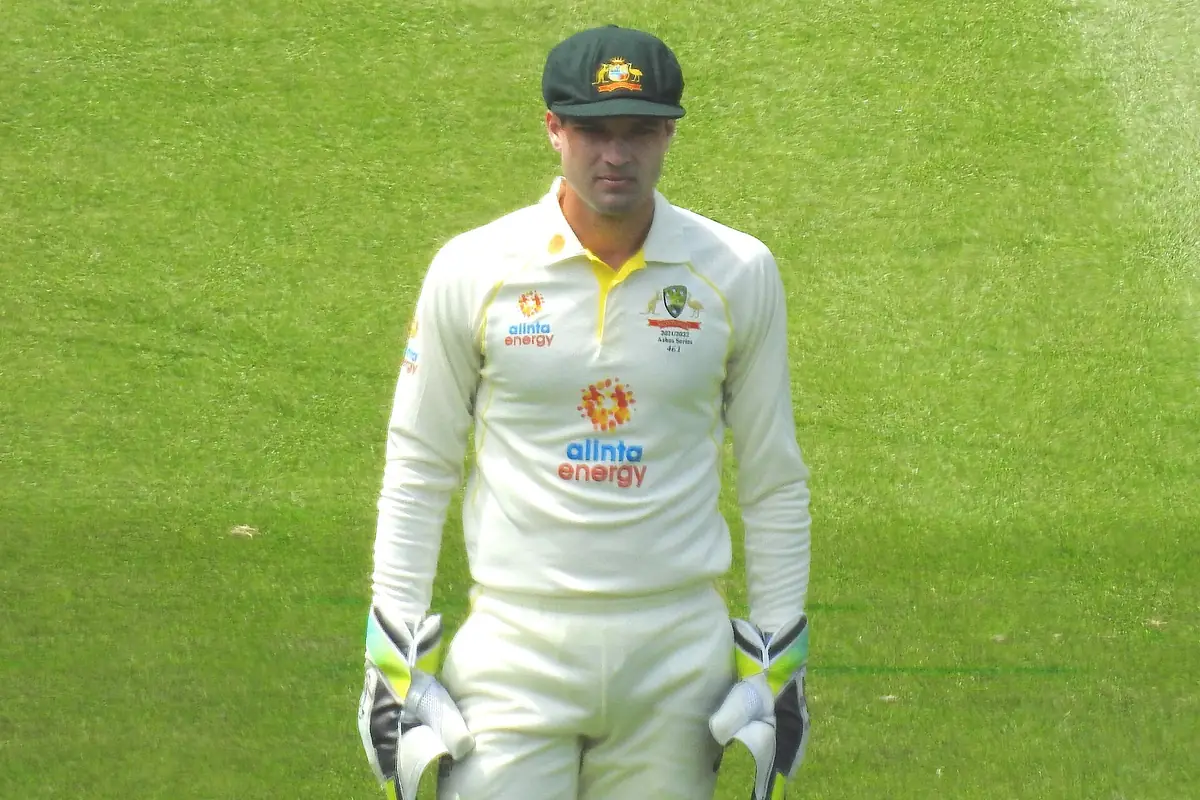
Alex Carey spent a year being talked about as the Australian wicketkeeper other men might replace. At Newlands this week, in a series decider, on a surface turning square, he produced the innings that ended the conversation — at least for now. Carey's 80 off 168 balls, following his unbeaten 51 on the second evening, helped Australia turn a first-innings deficit into a lead of exactly 100 against South Africa in the third Test in Cape Town, and put his name among the most searched in cricket on Thursday as the match moved towards its conclusion.
The match situation he walked into explains the innings' value. South Africa had made 329 — Marques Ackerman 95, Aiden Markram 78, Marco Jansen 52, against Mitchell Starc's 6 for 72. Australia, already missing Steve Smith — ruled out with a neck injury on the morning of the match, an absence that forced a reshuffled order — had slipped to 185 for 4 on the second day when Carey joined Josh Inglis. Kagiso Rabada was misfiring, down on pace and wicketless through 18 overs amid stomach cramps, but Simon Harmer was turning the ball and the series, level at one-all after Australia's win in Durban and South Africa's in Gqeberha, was in the balance.
The stand that took the day away
Inglis and Carey batted through the final session of day two without separation, adding an unbroken 145 and taking Australia to 330 for 4 at stumps — Inglis 85 not out, Carey 51 not out, the visitors one run ahead and the decider tilting. On the third morning both men pressed on. Inglis completed his second Test century — 102 off 135 balls, eleven fours and two sixes — before Harmer had him caught by Ryan Rickelton. Carey fell to the same bowler, caught by Markram, for 80: seven fours in 168 balls, an innings built in the old wicketkeeper's way, occupation first and flourish rationed, on a pitch where Harmer finished with 4 for 104.
Australia were bowled out for 429, a lead of 100, with Marco Jansen taking 3 for 60 and Rabada finally claiming a wicket in his 1 for 98. South Africa's second innings began under immediate pressure and was still young — the hosts two wickets down in the first hour of their reply — when this report was published, with two days and more left in a decider that Carey's innings had bent Australia's way.
Why Carey, why now
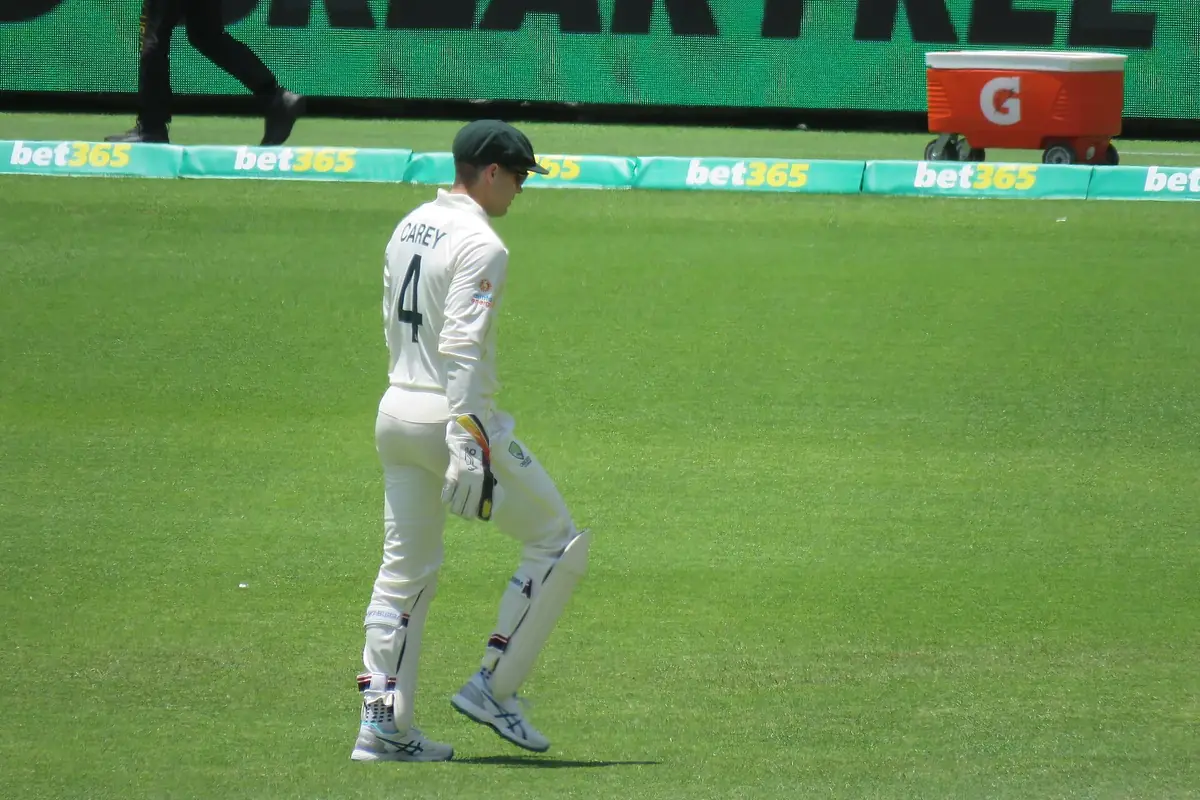
Carey's place in this side has never been questioned by the selectors the way it has been by the commentary. He has been Australia's first-choice Test wicketkeeper since Tim Paine's departure in 2021, and his glovework — to Starc, Cummins, Hazlewood and Lyon — is the part of his game nobody disputes: on the first day at Newlands he was behind the stumps for Starc's six-wicket haul. The argument has always been about runs, and about Josh Inglis — a keeper-batter of rare fluency — pressing from the other side of the dressing room. The elegant solution Australia found this week was to play both: Inglis as a specialist batter in Smith's absence, Carey with the gloves. The awkwardness is that both men then produced the two innings of the match.
Carey's series, in full, has been a study in doing the job in front of him: 24 in the second innings at Durban, an unbeaten 37 in a losing cause at Gqeberha, and now 80 in the decider. His supporters will add the innings that still defines his best days — the 106 he made in the Adelaide Ashes Test last December, walking in at 94 for 4 and steering Australia to 326 for 8 by stumps. Thursday's trending numbers, 2,000-plus searches and climbing, suggest the wider public had noticed the pattern before the selectors needed to say anything.
The decider around him
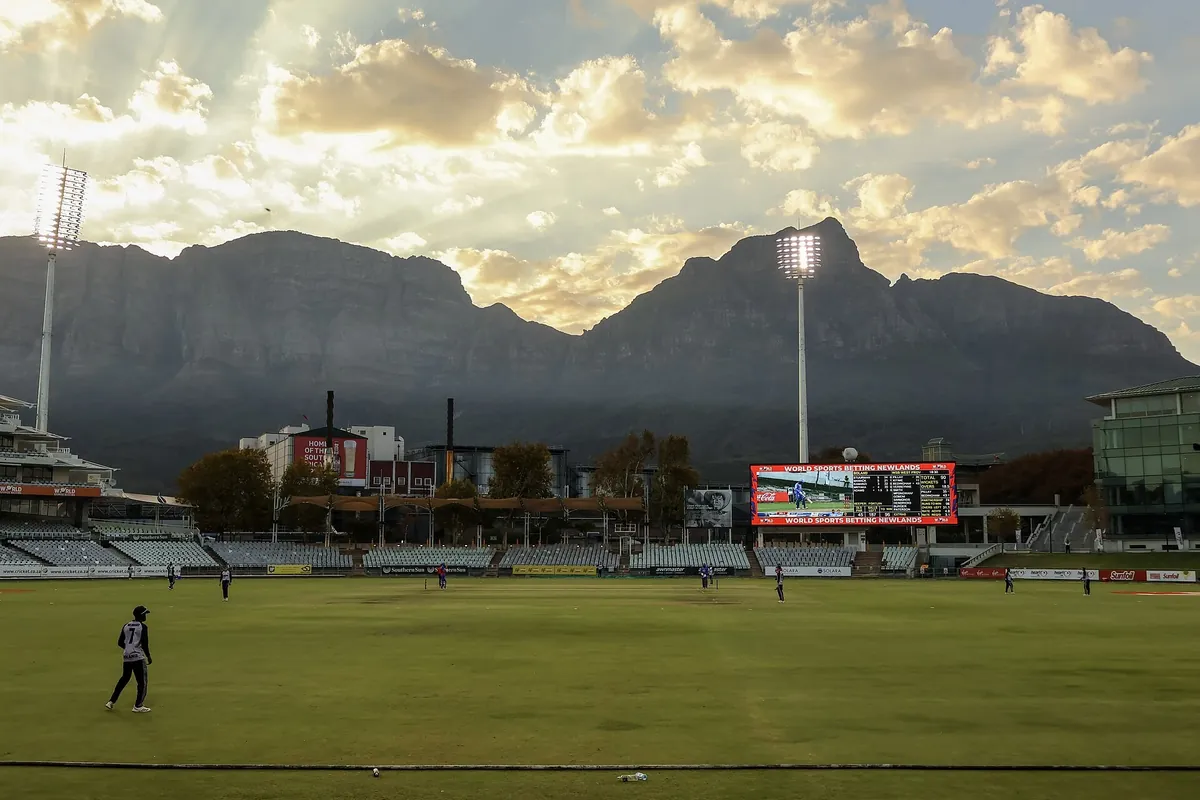
The Test Carey's innings has shaped is the last of a three-match series that has swung hard both ways. Australia won the first Test at Kingsmead by 214 runs; South Africa levelled at St George's Park, winning by 31 runs in a match where Marco Jansen's 85 and six wickets began a personal fortnight that has since carried him to number one in the ICC's Test all-rounder rankings, with a career-best 451 points. Starc's six wickets here, meanwhile, have lifted him to second among Test bowlers. The winner at Newlands takes the series; there is no fourth match to correct it.
South Africa's immediate problem is arithmetic: 100 behind, two wickets down, and a pitch on which Harmer has already taken four wickets in an innings — and on which Nathan Lyon, who took two in the first, will bowl last in the match. Their first-innings century-maker Ackerman and their captain's top order must first erase the deficit before they can set Australia anything to chase.
For Carey, whatever the result, the week has settled his file. In a decider, without his side's best batter, on a turning pitch, Australia's wicketkeeper made the innings his team needed — and the conversation about replacing him will have to wait for a quieter week than this one.
Day one: how South Africa's 329 was answered
The decider's first day had set the pattern Carey would have to break. South Africa's 329 was built in layers: Markram's 78 gave the innings its spine, Ackerman's 95 — falling five short of a hundred — gave it its bulk, and Jansen's 52 from the lower order gave it the runs that turn a par score into a commanding one. Starc was the difference between 329 and 380: six for 72, the kind of spell that still arrives from him in bursts when a series is on the line, with Lyon's two wickets the support act. Australia then lost their way to 185 for 4 across the second day — Renshaw's 74 and Green's 65 both ended just as platforms were built, Harmer found turn that Jansen's seam could not, and Rabada's strange, wicketless, cramp-ridden afternoon (0 for 81 from 18 overs, pace visibly down) was the subplot nobody in the home camp wanted to explain. It was into that uncertainty — a turning pitch, a misfiring spearhead, a series level, the best batter in the pavilion with a neck injury — that Carey walked at 185 for 4 and did not leave until the lead was built.
The Smith-shaped hole
Smith's absence deserves its place in the story, because it is what put two wicketkeepers in the same Australian XI and the match's decisive partnership in the hands of the two men competing, in the public imagination, for one job. Ruled out on the morning of the match with a neck injury, Smith has since been cleared of anything serious and is expected to be fit for the New Zealand Tests — but at Newlands his absence reshuffled everything: Inglis brought in as a specialist batter, the order rebuilt around the available men, and Carey in the middle-order role where his calm is worth most. The irony is structural: Australia's selectors have treated Carey versus Inglis as a choice for two years, and the week they were forced to stop choosing produced a hundred for one and 80 for the other, in the same innings, in a series decider. Whatever the result, the New Zealand series now has a selection problem of the pleasant kind.
Where the decider stands
South Africa's second innings, at the latest check, had reached 36 for 2 — the deficit down to 64, the match compressed into the kind of fourth-innings equation Newlands specialises in. The hosts' path runs through their first-innings makers: Ackerman and Markram again, and through Jansen, whose fortnight — six wickets and 85 in the second Test, the number one all-rounder ranking, 52 and three wickets here — has made him the series' defining player whenever Carey is not on the field. Australia's path is Lyon: four wickets fell to spin in their first innings at Harmer's hands, and the Australian off-spinner, who took two in the first innings, will bowl with a lead, close catchers and two days of wear in the pitch. The side that wins the next two sessions most likely wins the series — and whatever happens, the reason Australia are in position to win it at all is the session and a half their wicketkeeper spent refusing to lose it.
Sources
This report is based on reporting, official statements and documents from:
- Sportradar scorecards
- Telecom Asia
- The Sports Tak
Frequently Asked Questions
What did Alex Carey score at Newlands?
Alex Carey made 80 off 168 balls, with seven fours, following his unbeaten 51 on the second evening. He fell to Simon Harmer, caught by Aiden Markram, after a stand with Josh Inglis that took Australia from 185 for 4 to a first-innings lead.
What did Josh Inglis score at Newlands?
Josh Inglis made 102 off 135 balls, with eleven fours and two sixes — his second Test century — before Harmer had him caught by Ryan Rickelton. Inglis and Carey added an unbroken 145 through the final session of day two, taking Australia to 330 for 4 at stumps, one run ahead.
What was Australia's lead over South Africa at Newlands?
Australia were bowled out for 429, a lead of exactly 100 over South Africa's 329. Marco Jansen took 3 for 60 and Kagiso Rabada finally claimed a wicket in his 1 for 98, after going wicketless through 18 overs amid stomach cramps. South Africa's second innings was still young, two wickets down in the first hour, when this report was published.
How did South Africa reach 329 at Newlands?
Marques Ackerman made 95, Aiden Markram 78 and Marco Jansen 52, against Mitchell Starc's 6 for 72. Australia, already missing Steve Smith — ruled out with a neck injury on the morning of the match — had slipped to 185 for 4 on the second day when Carey joined Inglis.
Why were two wicketkeepers playing for Australia?
Carey has been Australia's first-choice Test wicketkeeper since Tim Paine's departure in 2021, while Josh Inglis — a keeper-batter of rare fluency — has pressed from the other side of the dressing room. With Smith out, Australia played both: Inglis as a specialist batter and Carey with the gloves. Both then produced the two innings of the match.
What is the state of the Australia vs South Africa series?
The three-match series is level at one-all after Australia's win in Durban and South Africa's in Gqeberha, so the winner at Newlands takes the series; there is no fourth match. Jansen's fortnight has carried him to number one in the ICC Test all-rounder rankings with a career-best 451 points, while Starc's six wickets lifted him to second among Test bowlers.