PTA Approved Mobile Prices in Pakistan 2026
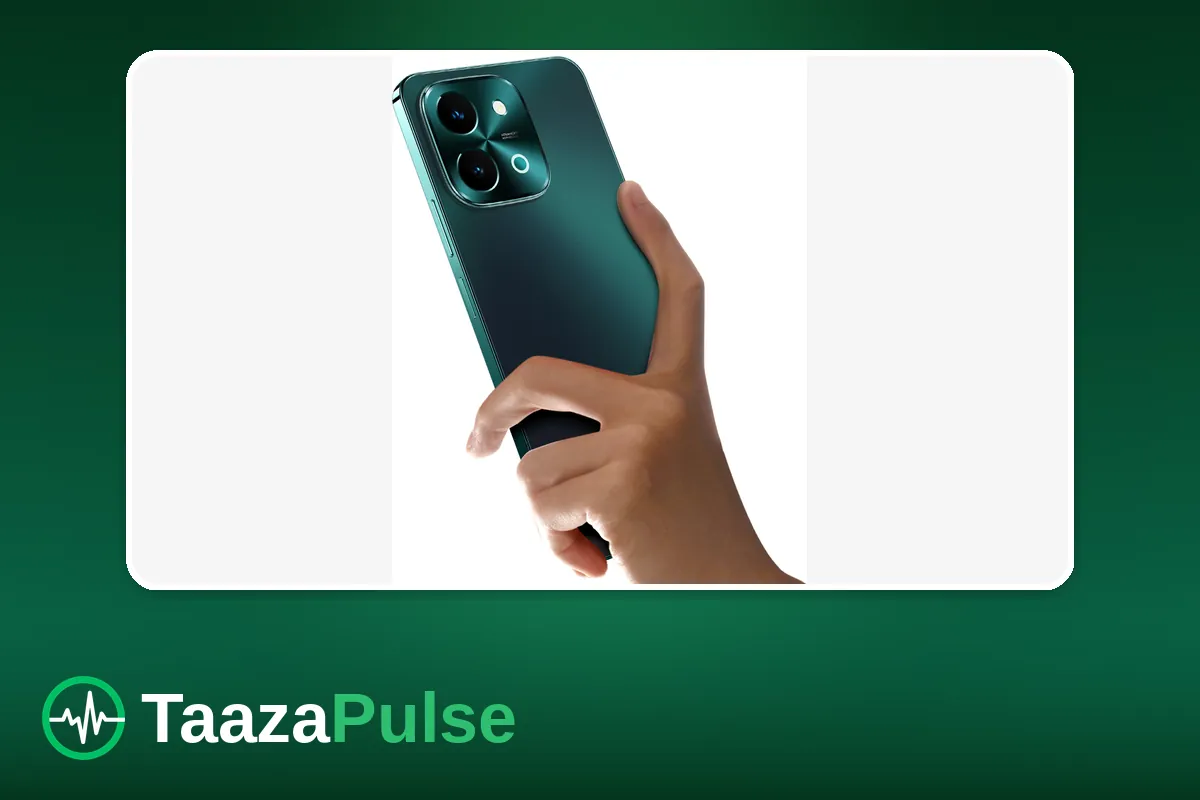
Every Pakistani phone buyer meets the same fork in the road: the PTA-approved phone at the official price, or the same-looking phone for thousands less with no approval. The cheaper phone is not a different phone — it is the same phone with the tax still owed. Until that tax is paid through PTA's DIRBS system, the phone works on local SIMs only for a grace period (60 days from first SIM use, with SMS warnings first), then it is blocked and becomes Wi-Fi only. That single fact explains almost every price gap on this page, and it is why this guide lists PTA-approved prices only, with the non-PTA street figure shown beside them where one could be verified — so you can see what the tax is worth instead of guessing.
A second distinction matters just as much. GSMA-valid is not PTA-approved: a phone can have a genuine IMEI recognised worldwide and still be non-compliant in Pakistan until DIRBS registration is complete. And a shop's PTA-approved sticker, screenshot or verbal assurance proves nothing at all. The only proof that counts is the reply you get when you check the phone's own IMEI — dial *#06# on the handset, SMS the IMEI to 8484, or check it on the DIRBS portal — before money changes hands. If a seller will not let you run that check, walk away; that refusal is itself the answer.
The prices below were seen on 2 November 2026. Where sources conflicted — the Galaxy A16 range, the Vivo Y400, the Oppo A6 256GB variant — the conflict is printed, not averaged away, and the variant you should not buy without a same-day re-check is named. One honest limitation: no dedicated PriceOye product page for any of these models was retrievable via search on 2 November 2026, so the sources named here are WhatMobile, Mobileinto, Hamariweb and Qeemat's retailer tracking, with PriceOye figures cited only where Qeemat attributes a range to PriceOye. Re-check on PriceOye and Daraz on the day you buy; the method is in this article.
PTA Approved Prices in Pakistan — Verified List
All prices below are for officially sold, PTA-approved stock with local warranty, as seen on 2 November 2026. Non-PTA street figures are shown only where a listing states them, to make the tax gap visible.
| Phone (PTA approved) | Variant | Price seen 2 Nov 2026 | Source / flag |
|---|---|---|---|
| Samsung Galaxy A06 | 4GB / 64GB | Rs 27,999 official | Mobileinto, updated 2 Nov 2026 |
| Samsung Galaxy A06 | 4GB / 128GB | Rs 32,999 official | Mobileinto, updated 2 Nov 2026; Daraz listings far higher (Rs 41,700+) — third-party markup |
| Infinix Hot 50 | Standard | Rs 39,999 | Qeemat, 2 Nov 2026 — listed PTA-approved; non-PTA street figure Rs 29,000–33,000 shows the tax gap |
| Vivo Y28 | 6GB / 128GB | Rs 42,999 | WhatMobile, opened 2 Nov 2026, official warranty |
| Vivo Y28 | 8GB / 128GB | Rs 44,999 | WhatMobile Y28 8GB page |
| Realme C75 | 8GB / 128GB | Rs 46,999 | Mobileinto, updated 2 Nov 2026; one retailer listing out of stock — confirm stock |
| Samsung Galaxy A16 (4G) | 6GB / 128GB | Rs 46,999–54,999 range | Qeemat PriceOye-attributed range Rs 46,999–56,499 |
| Realme C75 | 8GB / 256GB | Rs 51,999 | Hamariweb C75 256GB page |
| Xiaomi Redmi Note 14 (4G) | 8GB / 128GB | Rs 57,999 official; lowest Rs 56,000 | Mobileinto official price; Qeemat lowest Rs 56,000 |
| Samsung Galaxy A16 (4G) | 8GB / 256GB | Rs 61,999 (WhatMobile); PriceOye via Qeemat Rs 56,499 | Conflicting — confirm variant before paying |
| Xiaomi Redmi Note 14 (4G) | 8GB / 256GB | Rs 61,999 official | Mobileinto, updated 2 Nov 2026 |
| Vivo Y400 | 8GB / 256GB | Rs 62,999–68,999 seen (conflicting) | Launch price Rs 64,999; retailer sightings conflict and some show out of stock — re-check same day |
| Oppo A6 (4G) | 8GB / 128GB | Rs 74,999 | WhatMobile, opened 2 Nov 2026, official warranty |
The full check, step by step — what each reply means
Step one: on the phone itself, dial *#06#. Both IMEI numbers appear without any call being made. Write both down — on a dual-SIM phone, registering only one IMEI leaves the second slot blocked, and this is one of the most common real-world failures in Pakistan. Step two: SMS each IMEI separately to 8484, or use the *8484# USSD option, the DIRBS website, or the DIRBS app. Step three: read the reply literally. Compliant means approved and safe to buy. Non-compliant means the tax is still owed — the phone will work only until the grace period ends. Blocked means the device is already barred, and no bargain price fixes that.
Step four, only if you already own a non-compliant phone: create a DIRBS account, generate a Payment Slip ID (PSID) for the IMEI, and pay it through 1Bill or your bank. Service is typically restored within 24–48 hours of payment. Step five: keep the proof — the receipt with the IMEI printed on it, the PSID payment confirmation, and the compliant reply — because approval follows the device, so a used PTA-approved phone stays approved when it changes hands, provided its IMEI has not been tampered with. One more trap: the box IMEI must match the IMEI in Settings and the IMEI you checked. A mismatch means the box, the phone or the approval belongs to something else.
PTA vs non-PTA: what the gap is actually worth
The clearest worked examples come from single-model pages that bother to show both figures. The Realme C75x 8GB lists around Rs 41,999 PTA-approved against roughly Rs 32,000–37,000 non-PTA; the Infinix Hot 50 lists around Rs 39,999 PTA-approved against roughly Rs 29,000–33,000 non-PTA. That gap — roughly a quarter to a third of the price — is the unpaid tax, not a discount a shop is giving you out of kindness. Add the warranty difference (official warranty versus none, or a shop warranty that evaporates when the shop does) and the approved phone is usually the cheaper phone over its life, not the dearer one.
The tax itself is not one tax. It combines regulatory duty, sales tax (18 percent up to a 500-dollar customs value, 25 percent above it, under the structure in force from 1 July 2026), income tax and a handset levy — and passport-based registration is cheaper than CNIC-based registration, which is why travellers' phones are sometimes quoted lower. No blog table can give you your exact figure: it comes from the DIRBS Payment Slip ID for your phone's IMEI. Anyone quoting you a precise tax from memory is guessing. The same applies to instalments: an FBR sales-tax instalment option exists, but missing an instalment treats the device as unregistered again and can re-block it, and the instalment option is lost.
JV, patched and cloned phones: the warning no price list gives you
Price pages almost never mention JV, patched or CPID phones — yet these are exactly the phones sold at the tempting prices. A JV phone is an imported unit whose IMEI situation is engineered rather than registered; a patched or CPID phone has had its software altered to report a different identity. PTA's position is that the sale, purchase and use of JV, cloned or patched devices is a punishable offence, with seizures reported — and in practice these phones can stop working after a software update or a SIM change, and patched or rooted phones can break banking apps such as HBL and Easypaisa. If a deal depends on words like JV, patched, CPID or factory-unlocked-with-a-trick, it is not a PTA-approved phone at any price, and this guide does not list it as one.
Visitors get a separate route: a 120-day temporary registration from the date of arrival, not from the date you get around to applying — applying late does not restart the clock. And if your phone is already blocked, the route back is the PSID payment described above, not a new SIM, not a software patch, and not a shop's promise to fix it. Shops that offer to fix a blocked phone with software are offering to create the JV problem described in the previous paragraph.
What competitors miss — and the objections this guide answers honestly
The strongest competitor, PakTelecomGuide's PTA list, explains JV, the 8484 steps and the 120-day route well — but it is a list, not a buying guide for specific phones, and it does not cover the A06, A16, Y28, Y400, A6, Note 14, C75 or Hot 50 in its table. WhatMobile and Hamariweb give one official price per phone and never show the non-PTA figure beside it, so readers cannot see what the tax is worth. Nobody in the price-list class dates every price, shows a 30-day range, or explains what to do when a phone is already blocked. And nobody addresses the value objections users actually raise: that the Y28's HD+ screen and Helio G85 at Rs 42,999 feel thin, or that the A6's HD+ display and Snapdragon 685 at Rs 74,999 draw the same complaint. Those objections are fair — the answer is that you are paying for official stock, warranty and PTA approval at those prices, and the screen and chip are where the saving was made. Judge the phone on that basis, not on a flagship's.
Two prices on this page need a same-day re-check and we say so plainly: the Vivo Y400, where retailer sightings span Rs 62,999 to Rs 68,999 against a Rs 64,999 launch price with out-of-stock flags, and the Oppo A6 256GB variant, where listings span Rs 74,999 to Rs 87,000 — so this guide publishes only the verified 8GB/128GB A6 price of Rs 74,999 and no 256GB figure at all. A guide that invents a single number for either would be easier to read and wrong. When you buy, re-check PriceOye and Daraz that day, run the DIRBS check on the handset, and keep the receipt with the IMEI on it.
Specifications at a Glance
| Phone | Display | Chip | Camera | Battery |
|---|---|---|---|---|
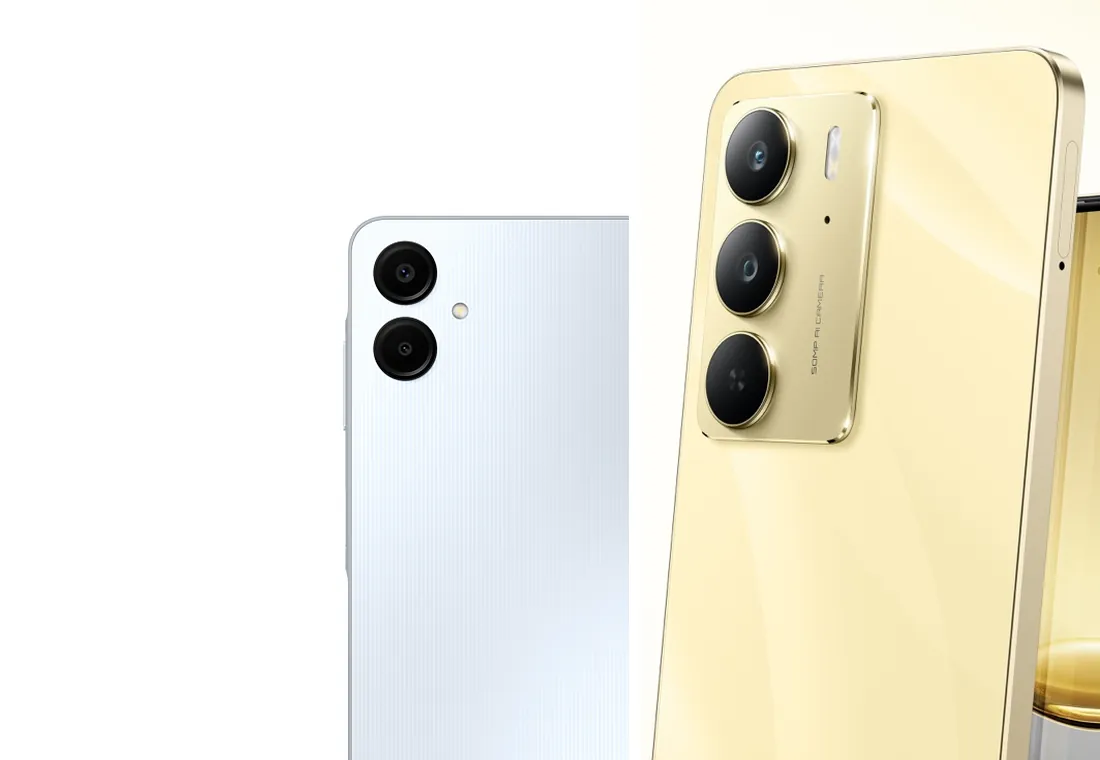
| Samsung Galaxy A06 | 6.7-inch PLS LCD, HD+, 60Hz | Helio G85 | 50MP + 2MP, 8MP front | 5,000mAh, 25W |
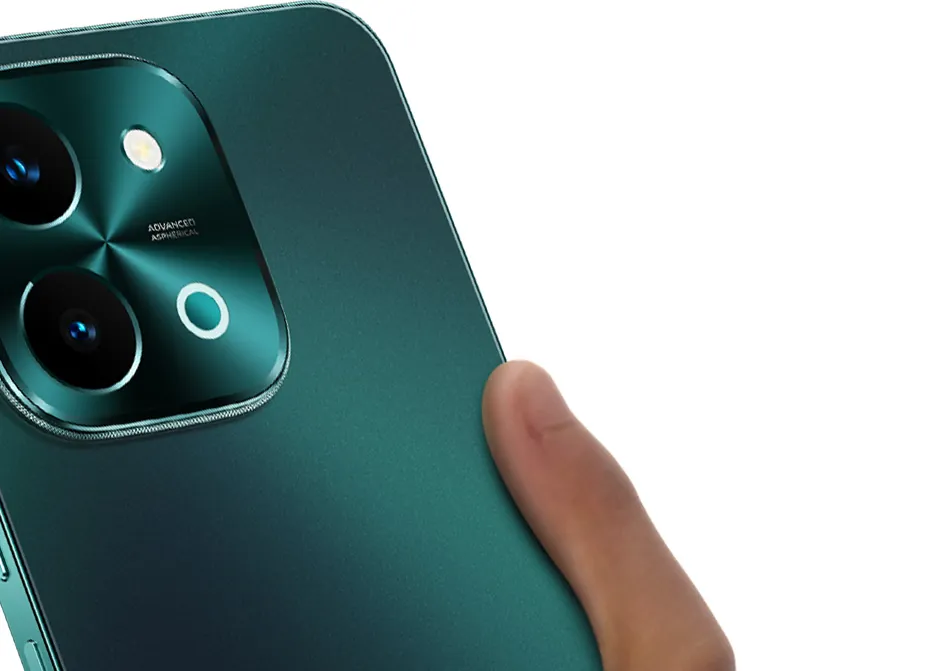
| Vivo Y28 | 6.68-inch IPS LCD, HD+, 90Hz | Helio G85 | 50MP + 2MP, 8MP front | 6,000mAh, 44W, IP64 |
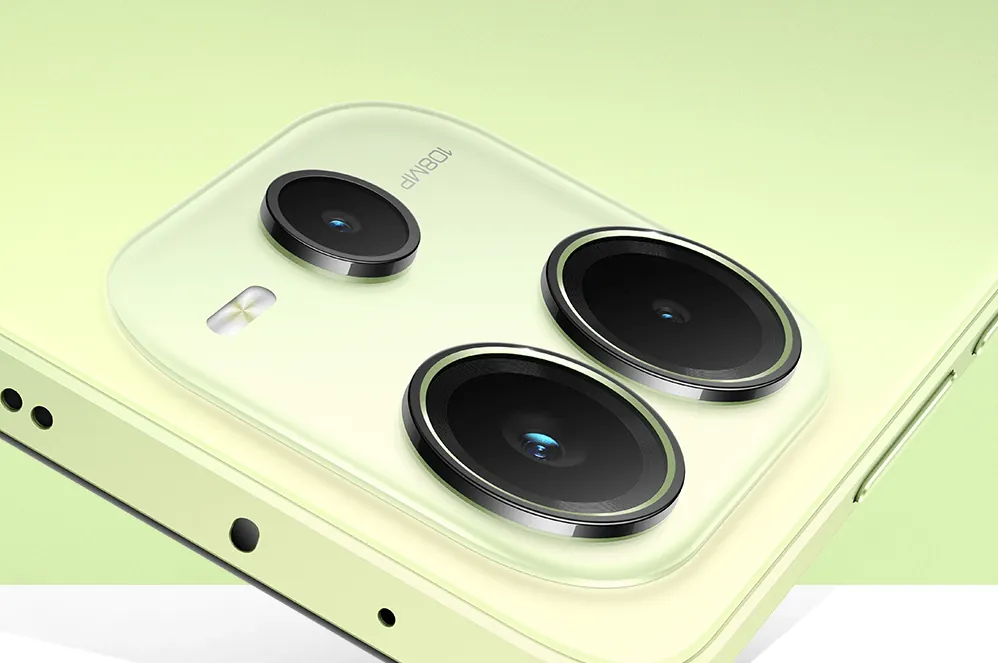
| Realme C75 | 6.72-inch IPS LCD, FHD+, 90Hz | Helio G92 Max | 50MP, 8MP front | 6,000mAh, 45W, IP69 |
| Samsung Galaxy A16 (4G) | 6.7-inch Super AMOLED, FHD+, 90Hz | Helio G99 | 50MP + 5MP + 2MP, 13MP front | 5,000mAh, 25W |
| Redmi Note 14 (4G) | 6.67-inch AMOLED, FHD+, 120Hz | Helio G99-Ultra | 108MP + 2MP + 2MP, 20MP front | 5,500mAh, 33W |
| Oppo A6 (4G) | 6.75-inch IPS LCD, HD+, 120Hz | Snapdragon 685 | 50MP + 2MP, 8MP front | 7,000mAh, 45W, IP69 |
| Vivo Y400 | 6.67-inch AMOLED | Snapdragon 685 | 50MP rear | 6,000mAh, 44W |
| Infinix Hot 50 | 6.7-inch IPS LCD, 90Hz-class | Helio G85 | 50MP, 8MP front | 5,000mAh |
Frequently Asked Questions
How do I check if my phone is PTA approved?
Dial *#06# on the phone itself, note the IMEI, and SMS it to 8484 or check it on PTA's DIRBS portal or app. Compliant means approved. GSMA-valid is not the same as PTA-approved. Check both IMEIs on a dual-SIM phone, and never trust a sticker, screenshot or the shop's word instead of the check.
How long does a non-PTA phone work in Pakistan before it is blocked?
It works for a grace period of 60 days from first SIM use, with SMS warnings first, then it is blocked and becomes Wi-Fi only until the DIRBS tax is paid. Paying via a DIRBS Payment Slip ID typically restores service within 24–48 hours.
How much is PTA tax on my phone — and why is passport registration cheaper?
PTA tax combines regulatory duty, sales tax (18 percent up to 500 dollars, 25 percent above), income tax and a handset levy, and the exact figure comes from the DIRBS Payment Slip ID for your IMEI — no blog table can quote it exactly. Passport-based registration is charged at lower rates than CNIC-based registration, which is why travellers' phones are sometimes quoted cheaper.
What is a JV phone, and is PTA-approved JV real?
JV phones are imported units whose IMEI situation is engineered rather than properly registered; patched or CPID phones have altered software reporting a different identity. There is no safe PTA-approved JV category — these phones can stop working after an update or SIM change, can break banking apps, and PTA treats their sale and use as a punishable offence. Do not buy one at any price.
Does PTA approval transfer when I buy a used PTA-approved phone?
Yes — approval follows the device, so a genuinely approved used phone stays approved. But verify it yourself before paying: check the IMEI on DIRBS, make sure the box IMEI matches the phone, and ask for the original bill. A tampered IMEI voids the whole story.
Can I get temporary registration as a visitor, and what if I miss an FBR tax instalment?
Visitors can get 120-day temporary registration counted from arrival, not from application — applying late does not restart the clock. If you take an FBR sales-tax instalment option and miss a payment, the device is treated as unregistered again and can be blocked, and the instalment option is lost.