Ten Years of Ae Dil Hai Mushkil: Karan Johar Says He Would Tell It the Same Way
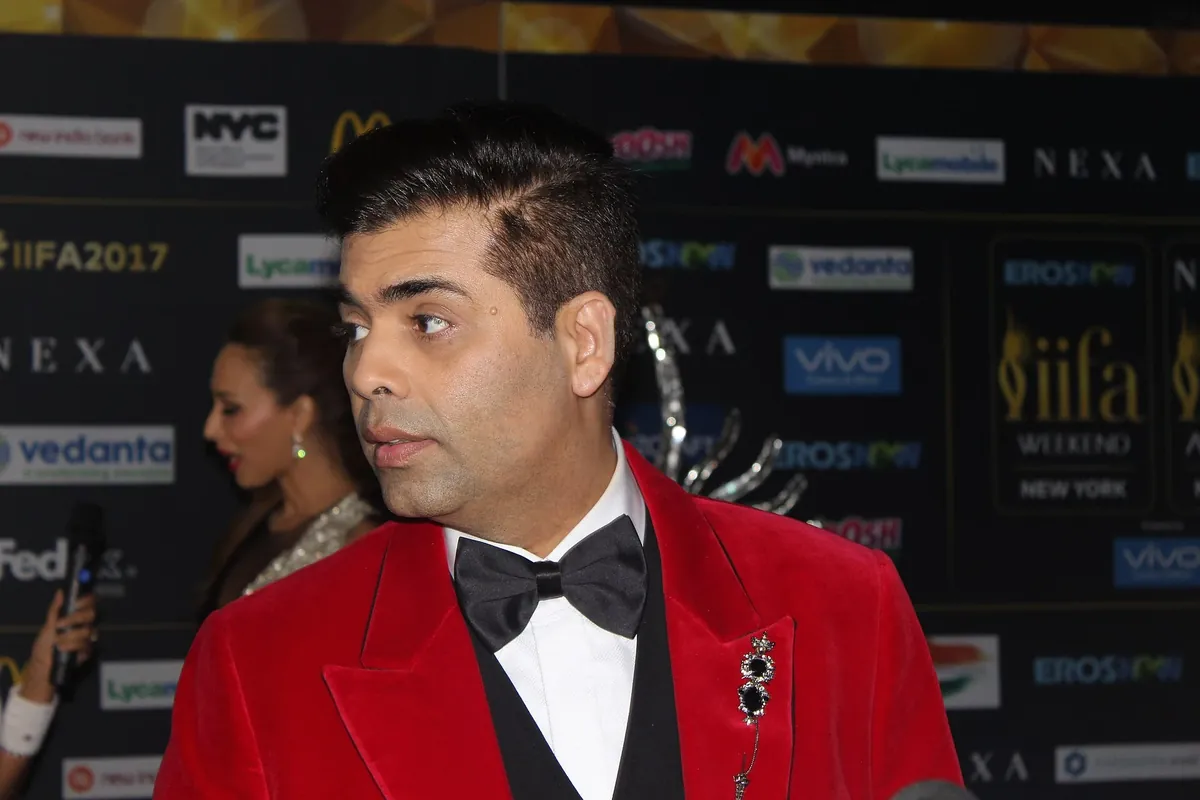
Ten years after Ae Dil Hai Mushkil divided audiences like few Hindi films ever have, Karan Johar has said he would not change a frame of it. Marking the film's tenth anniversary on Wednesday, 28 October 2026, the director posted a video and a long note on Instagram — reported by IANS, ANI, Filmfare and Bollywood Hungama — calling the 2016 romance "a personal story" and returning to the idea at its heart: that one-sided love needs neither remorse nor sympathy. "The power of love is so much larger than the reciprocation of the same," he wrote — a sentence that functions as both the film's thesis and his defence of it, a decade on.
The anniversary note thanked the film's constellation — Ranbir Kapoor, Anushka Sharma, Aishwarya Rai Bachchan and Fawad Khan — and looked back at a release that was contested long before it was reviewed. Ae Dil Hai Mushkil opened on 28 October 2016, in the Diwali corridor, in the middle of a political storm over the presence of Pakistani artists in Indian films that had put Fawad Khan's scenes at the centre of a national argument. The film survived the storm and found its audience, but it never stopped being argued with: its portrait of unrequited love — adored by the director, forgiven by its fans, refused by its detractors — remains one of modern Bollywood's great dividing lines.

"I would tell it the same way"
The substance of Johar's note, as the agencies carried it, is refusal — courteous, considered, complete. Knowing the polarised responses the film received, he wrote, he would still tell the story the same way. The argument he restates is the film's own: that love which is not returned is not therefore a failure or an embarrassment; that one-sided love "did not need remorse or sympathy"; and that the feeling's power is larger than its reciprocation. In the film, Ranbir Kapoor's Ayan loves Anushka Sharma's Alizeh, who loves him differently and not in kind — and the story declines, to the end, to correct the asymmetry into a conventional romance. Audiences have spent ten years deciding whether that refusal is the film's honesty or its flaw. Johar's anniversary post is his vote, cast again.
Anniversary notes from directors are usually nostalgia exercises. This one reads more like a position paper, because Ae Dil Hai Mushkil is not a settled classic being fondly remembered — it is a live argument being rejoined. The film's champions call it Johar's most personal and emotionally literate work; its critics call the same material self-indulgent. A decade of streaming has kept both camps supplied: the film is rewatched, clipped and debated with a persistence most 2016 releases cannot claim, which is precisely why a tenth-anniversary post from its director became news within the hour.
The film the anniversary is about
Released at Diwali 2016 opposite the season's action fare, Ae Dil Hai Mushkil assembled one of the decade's most watched-over casts: Ranbir Kapoor and Anushka Sharma at its centre, Aishwarya Rai Bachchan in a role that drew its own headlines, and Fawad Khan in an appearance whose brevity became famous for reasons no publicist would choose. Its music colonised the year's playlists; its dialogue entered the quotation economy of a generation of the lovelorn. And its release circumstances — a director publicly pleading, amid threats and protests, that his film be allowed to open — remain a landmark in the modern history of art meeting politics in India.

For Pakistani audiences, the film carries an additional, sharper footnote: it was among the last major Bollywood releases built openly around a Pakistani star before the industry's doors closed. Fawad Khan's presence, which the controversy of 2016 tried to make the story, has settled in retrospect into what it always was — a performance in a film that two countries' audiences still argue about, now from opposite sides of a sealed border in the industry that made it. The anniversary coverage in India this week mentioned the storm; the film outlasted it.

Why a ten-year-old film trends
Some films age into classics; Ae Dil Hai Mushkil has aged into a reference point — the title invoked whenever Bollywood debates heartbreak, friendship-versus-love, or a director's right to his own ending. Johar's note ensures the debate's next round: not a sequel, not a remake, just the author restating the thesis and daring the audience to disagree again. Ten years on, going by the response his post drew, the audience is happy to oblige. TaazaPulse's showbiz desk follows the region's film conversation on both sides of the border — this week alone it spans Ranbir Kapoor's Ramayana premiere in Los Angeles and the box-office milestone of Drishyam 3.
An ending audiences still refuse to settle
Most anniversary debates are about whether a film has aged well. This one is about whether it was ever forgiven. Ae Dil Hai Mushkil declines the consolations its genre usually supplies: the beloved does not convert at the final reel, love's ledger is not balanced, and the film insists — in dialogue its fans can recite — that the feeling was complete even when it was not returned. Critics who admire the film call that its honesty; critics who don't call it a director in love with his own heartbreak. What neither side disputes is the residue: a soundtrack that never left the playlists, dialogue that entered the everyday vocabulary of the lovelorn, and a central performance by Ranbir Kapoor that his defenders rank with his best. A film can survive being disliked by half its audience. What it cannot survive is being forgotten — and on the evidence of this week's response to a single Instagram post, forgetting is the one fate Ae Dil Hai Mushkil was never in danger of.
There is also a quieter measure of the anniversary's weight: the company it keeps. The same week finds Ranbir Kapoor fronting the largest production in Indian film history as Ram, Anushka Sharma long established among her generation's defining actors, and the film's director restating, at fifty-something, the thesis he filmed at forty-four. Careers moved on; the argument didn't. Johar's note closes with gratitude to his cast, but its real addressee is the audience that never stopped fighting about his ending. He told them he would not change it. Ten years of evidence says they would not want him to — the fight is the afterlife.
The director, a decade on
The note also lands differently because of who its author has become. In 2016 Johar was Bollywood's defining mainstream director — the head of Dharma Productions and the industry's most fluent spokesman. In the decade since, the industry around him has been rearranged by streaming, by the collapse of the old star economics, and by a public argument about Bollywood itself in which Johar is a permanent exhibit. A director in that position does not post an anniversary video to reminisce; he posts it to place his work in the record as he wishes it read. Ae Dil Hai Mushkil, in his telling, was never the indulgence its critics described — it was the personal film, the one where the thesis mattered more than the verdict: love is larger than its reciprocation. Whether the next decade of viewers agrees is, as ever with this film, an open question. The anniversary coverage suggests the argument is in no danger of closing.
Sources
This report is based on reporting, official statements and documents from:
- IANS
- ANI
- Filmfare
- Bollywood Hungama
Frequently Asked Questions
What did Karan Johar say on Ae Dil Hai Mushkil's tenth anniversary?
In an Instagram video and note on 28 October 2026, reported by IANS, ANI, Filmfare and Bollywood Hungama, Johar called the film 'a personal story' to him, wrote that one-sided love 'did not need remorse or sympathy' and that 'the power of love is so much larger than the reciprocation of the same', and said he would tell the story the same way despite its polarised responses. He thanked Ranbir Kapoor, Anushka Sharma, Aishwarya Rai Bachchan and Fawad Khan.
When was Ae Dil Hai Mushkil released and who stars in it?
The film released on 28 October 2016, in the Diwali corridor. It stars Ranbir Kapoor and Anushka Sharma, with Aishwarya Rai Bachchan and Fawad Khan in prominent roles, and was directed by Karan Johar.
Why was Ae Dil Hai Mushkil controversial on release?
It opened amid a political storm in India over Pakistani artists working in Indian films, which centred on Fawad Khan's role and brought protests and threats against the release. The film opened as scheduled and found its audience, but the controversy remains a landmark in the modern history of art and politics in Indian cinema.
What is Ae Dil Hai Mushkil about?
It is the story of Ayan, who loves Alizeh — who loves him as a friend, not in kind — and of the film's refusal to resolve that asymmetry into a conventional romance. Its subject is unrequited love, treated not as failure or embarrassment but as a complete experience in itself: the thesis Johar restated in his anniversary note.
Why does the film still trend ten years later?
Because the argument about it never settled. The film is continuously rewatched, clipped and debated on streaming and social media, and it is invoked whenever Bollywood debates heartbreak and directors' endings. A tenth-anniversary restatement by its director was always going to restart the argument — and did.
What is Karan Johar's connection to the Ramayana film?
No direct one — but the two stories share a star and a week: Ranbir Kapoor, the lead of Ae Dil Hai Mushkil, headlines Ramayana as Ram, which premiered in Los Angeles on 27 October 2026 ahead of its 5 November release. TaazaPulse covers the premiere in a separate report.