Babar Azam Falls to Ninth in the ICC ODI Batting Rankings
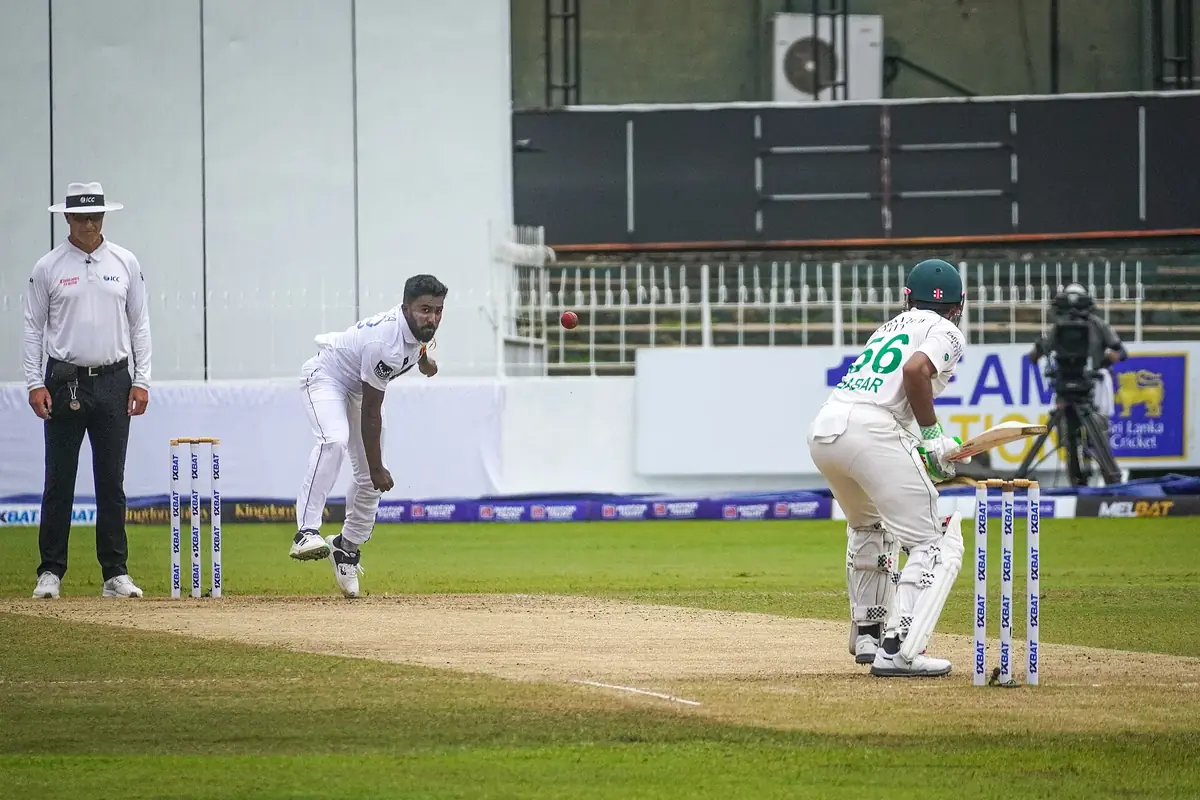
Babar Azam has fallen to ninth in the ICC men's ODI batting rankings, dropping two places in the weekly update released on Wednesday — the latest marker in a slide that has taken Pakistan's most celebrated batter from the top of the world list to the bottom of its top ten. The rankings, dated 27 October, place India's Shubman Gill at number one, with Babar ninth — his position the subject of one of Pakistan's most searched cricket queries on Thursday, as fans absorbed what his modest tri-series returns have cost him.
The table above him reads: Gill first, New Zealand's Daryl Mitchell second, Virat Kohli third, Rohit Sharma fourth, Afghanistan's Ibrahim Zadran fifth, West Indies' Shai Hope sixth, and then the two England batters whose tri-series form has carried them past him — Ben Duckett seventh and Harry Brook eighth — with India's KL Rahul completing the top ten. Six months of the rankings tell the direction of travel: at the end of September Babar stood sixth. The update is dated the day after Pakistan were bowled out for 110 by Sri Lanka in Lahore, a match in which Babar's 29 off 33 balls was, remarkably, Pakistan's top score.
The numbers behind the slide
Rankings follow runs, and the runs, by Babar's standards, have not come. In the tri-series he has scored 118 runs in four matches — a sequence of starts rather than innings. Against England on Sunday he was bowled by Gus Atkinson for 10 off 12 balls; against Sri Lanka on Tuesday he made 29 before falling lbw to Eshan Malinga. Geo Super's summary of the update described a batter "failing to convert his starts into a substantial innings despite several opportunities at the crease", which is the statistical shape of his last year in the format: the timing and the technique survive every eye test, the hundreds do not arrive.
His career record remains elite — more than 6,600 ODI runs, 20 centuries and an average above 53 — and the rankings' memory is long, which is why a lean home series costs him two places rather than ten. But the direction is consistent with the year he has had in the standings: from sixth at September's end, to seventh, to ninth now. He is not the only Pakistani moving the wrong way. Salman Ali Agha, who opened the tri-series with a century against Sri Lanka, slipped one place to 13th after 51 runs in his next three innings; Mohammad Rizwan, dropped from the ODI squad, fell eight places to 42nd.

The man who owned this list
What makes ninth feel so low is where Babar lived for so long. He took the number one ODI batting ranking in 2021 and held it for more than two years — through home and away cycles, against every attack in the game — until Gill displaced him during the 2023 World Cup. For a generation of Pakistani fans the weekly rankings were a standing reassurance: whatever else was unstable in Pakistan cricket, the best ODI batter in the world was theirs. The top spot now belongs to Gill, the podium has Kohli on it again, and the two batters immediately above Babar are Englishmen whose hundreds in Lahore this week — Brook's 202 in Rawalpindi and Duckett's twin centuries at Gaddafi — were scored on his home grounds.
The other side of Pakistan's update
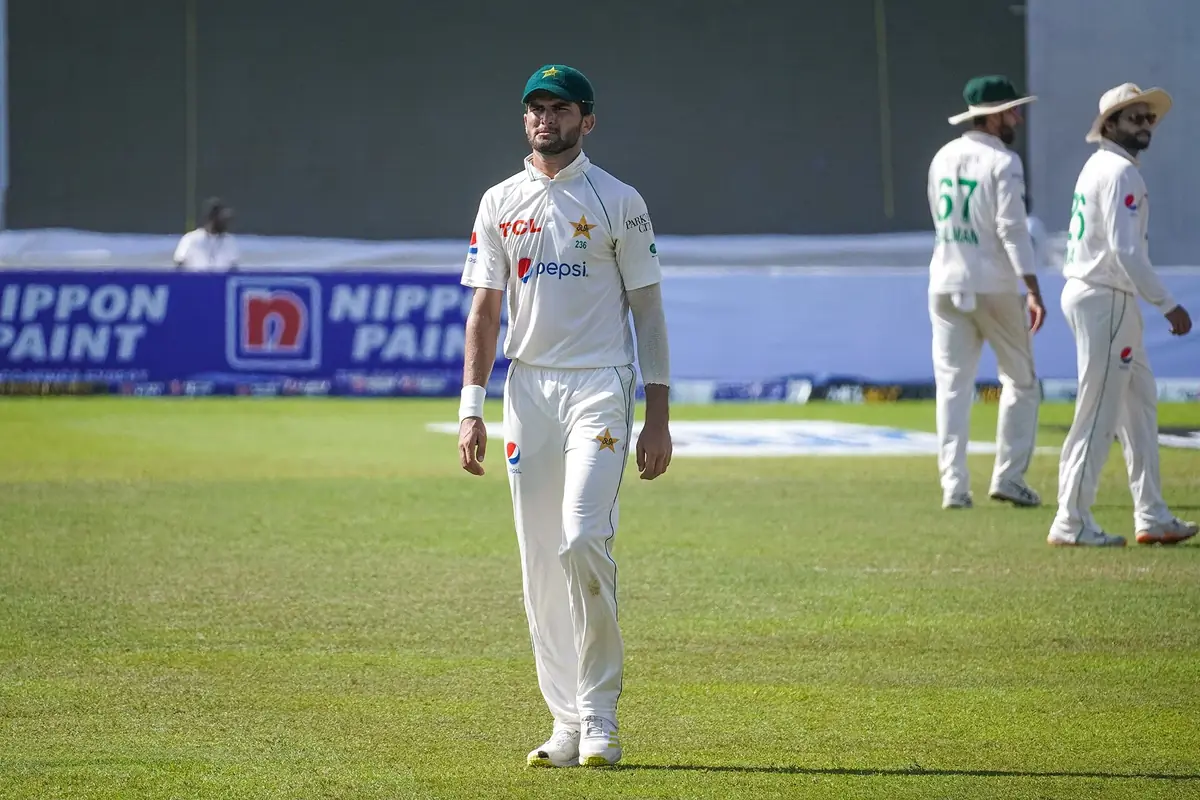
The bowling list, at least, moved Pakistan's way. Captain Shaheen Shah Afridi climbed two places to sixth after taking eight wickets in four tri-series matches. Abrar Ahmed, who has not even played in the series, slipped one place to third behind Rashid Khan and Keshav Maharaj. The week's sharpest rise belonged to Arafat Minhas, up fifteen places to 68th with 435 rating points after six wickets against England. The sharpest falls belonged to Babar's pace colleagues: Haris Rauf dropped nine places to 29th — in the same week he was fined by the ICC for his confrontation with Will Jacks — and Naseem Shah fell six to 53rd.
What ninth actually means — and the Saturday answer
Rankings are a rear-view mirror with a long exposure: they price in two years of cricket, weighted to the recent past, and they do not pick teams. Babar's place in Pakistan's XI is not in question in this series — he top-scored in a total of 110, which tells its own story about the batting around him — and Pakistan's one-day direction under Shaheen's captaincy still runs through their number three. But the rankings are also the sport's public ledger, and the ledger currently says that the world's nine best ODI batters include four Indians, two Englishmen, a New Zealander, an Afghan and a West Indian — and that Pakistan's representative stands last among them.
The fastest corrective available is the one in front of him: the tri-series final, on Saturday, at Gaddafi Stadium, against Sri Lanka. A hundred in a final would not restore him to first — rankings do not move that way — but it would stop the slide being the story. For now, the story stands: the former number one is number nine, and Pakistan spent Thursday searching for the table that proved it.
How the rankings did this to him
The ICC rankings are not a vote; they are a weighted average wearing a suit. A batter's rating is built from his recent innings, with the most recent matches counting the most and older performances decaying over a cycle of roughly two years — and with adjustments for the strength of the opposition and the conditions of each match. That machinery explains both halves of Babar's story: why two years at number one were possible (a long bank of heavy scoring decays slowly), and why the fall, when it comes, arrives in steps rather than all at once. September's sixth became last week's seventh and this week's ninth because the recent layer of the record — the layer that counts double — currently reads 118 runs in four matches against England and Sri Lanka, on home pitches, in a series where two opponents scored 202 and 167 in single innings. Duckett and Brook did not pass Babar by reputation this week; they passed him with the two biggest innings of the tri-series, played in his own city, while his best effort was a top score in a total of 110.
The company in the top ten
Look at the list he now closes, and the generational story tells itself. Gill, first, is the batter India built their one-day future around and the man who took Babar's crown in 2023. Mitchell, second, is New Zealand's most complete middle-order player. Kohli, third, at an age when most batters are retired, has climbed back onto the podium. Rohit, fourth, remains India's captain and opening statement. Ibrahim Zadran, fifth, is Afghanistan's first true top-ten batter. Hope, sixth, carries West Indies' one-day batting almost alone. Then come the week's men — Duckett seventh, Brook eighth — and only then, ninth, the player who owned this table for over two years. Four Indians in the ten is the statistic Pakistani fans will quote at each other all week; the one they should sit with is that Babar is the only Pakistani in it, and the next names from his team — Agha at 13, Rizwan marooned at 42 — are not close enough to share the load of being Pakistan's ranking.
Form, in the longer lens
It is also only fair to record what the rankings cannot: Babar's last two years have been played under a weight no other top-ten batter currently carries. He has been dropped from one format's side and restored, stripped of a captaincy and watched successors struggle, and asked — in a cricket culture that measures its batters against its own golden ghosts — to be a guarantee rather than a player. The numbers that built his reputation, 6,600 runs and 20 hundreds at an average above 53, were not accumulated in easier times; they were accumulated in these. What has changed is the frequency of the defining innings: the hundreds that used to arrive every few series have become fifties that end at 29 and 40, and the rankings are simply the public arithmetic of that change. Saturday's final, against the attack that bowled his side out for 110 on Tuesday, is the kind of stage on which he has built his name before. The ranking will move when the innings do. It has never worked the other way round.
Sources
This report is based on reporting, official statements and documents from:
- Geo Super
- A Sports
- Bloom Pakistan
- ICC rankings
Frequently Asked Questions
What is Babar Azam's ICC ODI ranking now?
Ninth. In the weekly update dated 27 October, Babar dropped two places after scoring 118 runs in four tri-series matches. He stood sixth at the end of September, then seventh, and now ninth — the bottom of the top ten.
Who is ahead of Babar Azam in the ODI batting rankings?
India's Shubman Gill is first, followed by New Zealand's Daryl Mitchell second, Virat Kohli third, Rohit Sharma fourth, Afghanistan's Ibrahim Zadran fifth and West Indies' Shai Hope sixth. The two batters immediately above Babar are England's Ben Duckett seventh and Harry Brook eighth; India's KL Rahul completes the top ten.
Why has Babar Azam dropped in the rankings?
Rankings follow runs, and by Babar's standards the runs have not come: a sequence of starts rather than innings in the tri-series. Against England on Sunday he was bowled by Gus Atkinson for 10 off 12 balls; against Sri Lanka on Tuesday he made 29 before falling lbw to Eshan Malinga — yet that 29 was, remarkably, Pakistan's top score in a total of 110.
How long was Babar Azam number one in ODI rankings?
He took the number one ODI batting ranking in 2021 and held it for more than two years, through home and away cycles, until Gill displaced him during the 2023 World Cup. His career record remains elite: more than 6,600 ODI runs, 20 centuries and an average above 53.
How did other Pakistan players move in the rankings?
Salman Ali Agha, who opened the tri-series with a century against Sri Lanka, slipped one place to 13th after 51 runs in his next three innings; Mohammad Rizwan, dropped from the ODI squad, fell eight places to 42nd. On the bowling list, Shaheen Shah Afridi climbed two places to sixth, while Haris Rauf dropped nine places to 29th and Naseem Shah fell six to 53rd.
Can Babar Azam recover his ranking in the tri-series final?
A hundred in Saturday's final against Sri Lanka would not restore him to first — rankings do not move that way, since they price in two years of cricket weighted to the recent past — but it would stop the slide being the story. Rankings do not pick teams, and Babar's place in Pakistan's XI is not in question in this series.