Dollar Rate in Pakistan: Interbank vs Open Market Explained
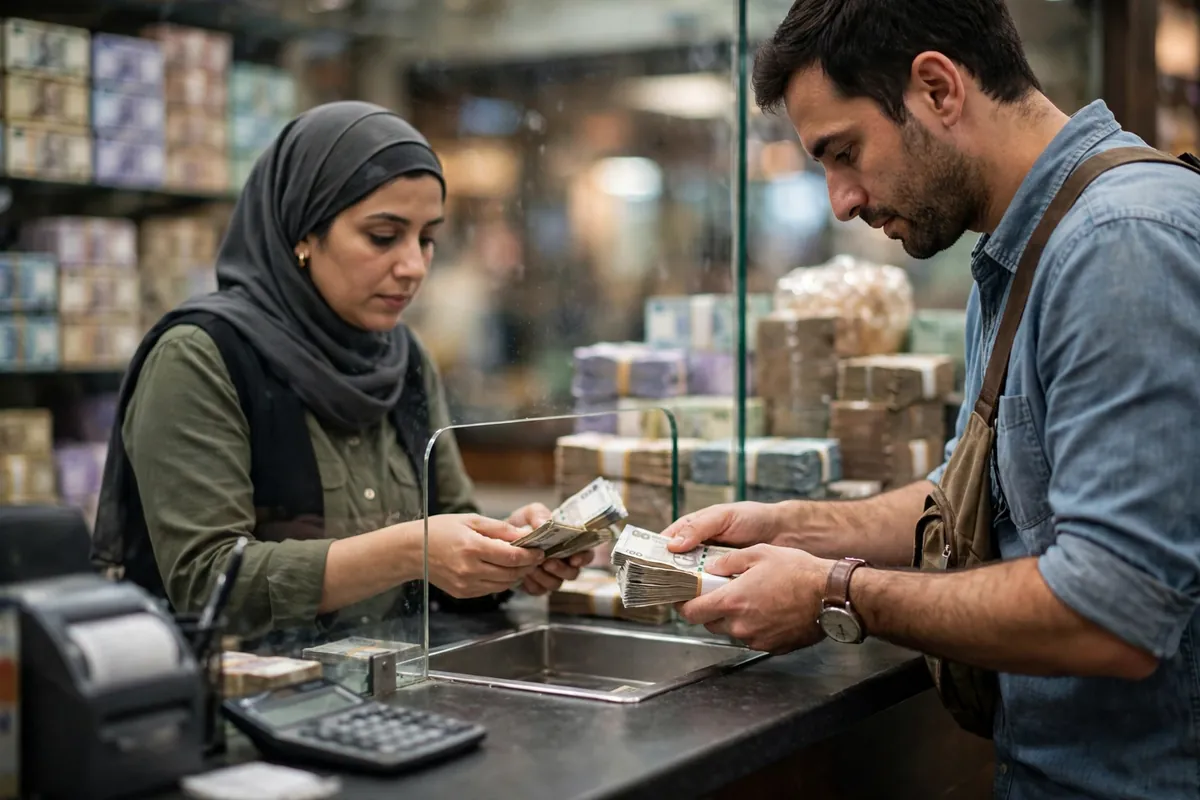
Ask a simple question in Pakistan — "what is the dollar rate today?" — and you will receive at least two confident answers. The news channel reads out one figure in the evening bulletin. The exchange company in Saddar quotes another. Your banking app, converting the money your brother sent from Riyadh or Dubai, seems to use a third. Nobody is lying. Pakistan genuinely runs two dollar markets side by side, and until you know which one you are standing in, the rate will keep looking like a riddle. Here is the riddle solved.
The interbank rate: the wholesale price of dollars
The interbank market is where commercial banks trade foreign currency with each other, in large amounts, electronically, under the oversight of the State Bank of Pakistan (SBP). No cash changes hands and no citizen can walk into it — it is a banks-only wholesale market. Out of each day's trading comes the rate the SBP publishes as the official closing figure, and it is this number that anchors the formal economy:
- Importers pay for letters of credit and foreign invoices at rates built on interbank.
- Exporters convert their earnings through banks in this market.
- Remittances sent home through banks and regulated apps are converted at rates close to interbank.
- Government debt payments, oil imports and official reserves are all measured against it.
Pakistan's exchange rate is market-determined under a managed float: the SBP does not fix the rate by decree, but it supervises the market, sets the rules of the game, and can lean against disorderly moves through its reserves and regulations. When a bulletin says "the rupee strengthened" or "the dollar rose today" with a single number attached, it is the interbank closing rate being quoted.
The open market rate: the retail price of cash
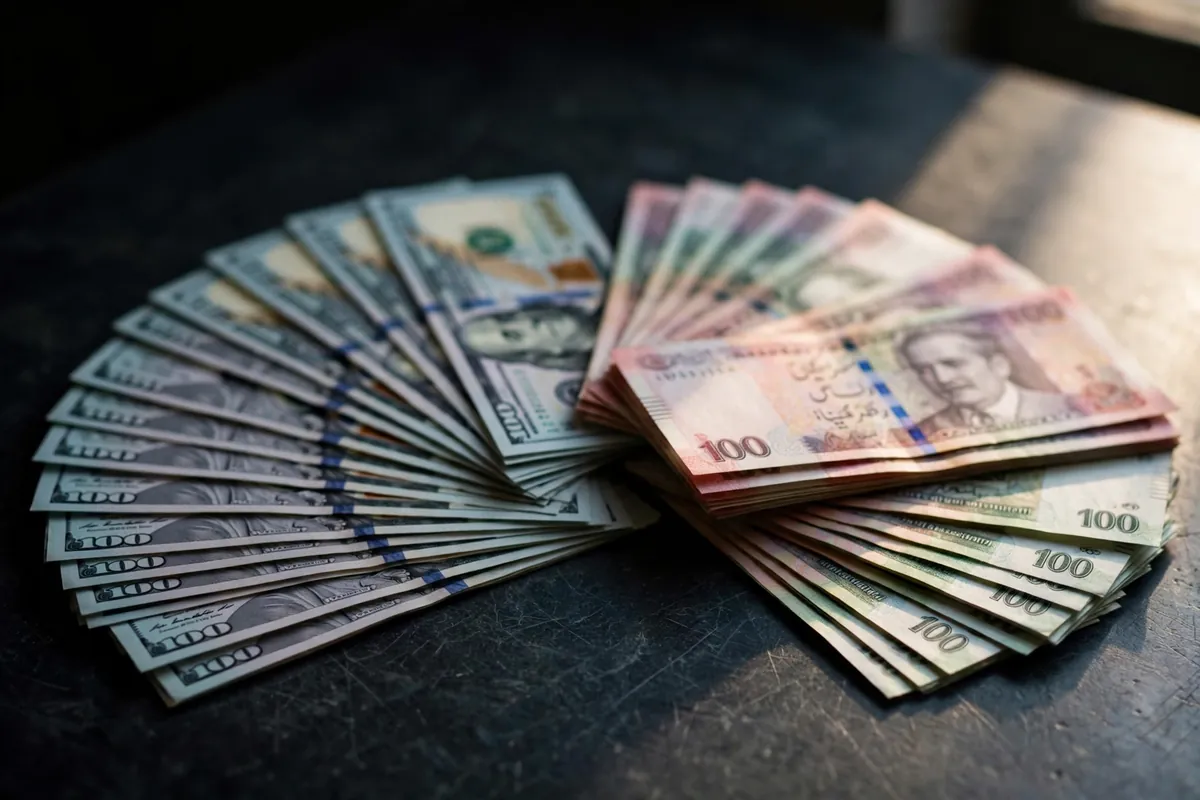
The open market is the dollar you can hold. Licensed exchange companies — the counters in every bazaar and airport — buy and sell physical foreign currency to the public: travellers buying dollars before a flight, families selling the riyals a worker brought home in his pocket, students paying foreign university deposits. Their price is the open market rate, and it behaves like the price of anything sold across a counter:
- It is quoted in two directions — a buying rate (what the company pays you for your dollars) and a higher selling rate (what you pay for theirs). The difference is the spread, the dealer's margin.
- It carries real costs: cash handling, security, branch networks and the risk of holding currency.
- It moves with walk-in demand, sometimes several times a day, and it reacts first — before interbank — when demand for physical dollars surges, whether for the Umrah season, the summer travel rush or a breaking political headline.
In calm times the open market selling rate typically sits a rupee to a few rupees above interbank. When cash dollars grow scarce or news turns anxious, the gap — traders call it the spread between the two markets — widens, and its widening is itself a news signal the State Bank watches closely and has, in recent years, actively policed exchange companies to contain.
Side by side: which rate applies to you?
| Your situation | The rate that applies | Why |
|---|---|---|
| Receiving a bank remittance from abroad | Close to interbank | Money moves bank-to-bank; no cash is involved |
| Buying dollars in cash for travel | Open market selling rate | You are buying physical currency at a retail counter |
| Selling cash dollars, riyals or pounds | Open market buying rate | The counter buys your cash at its buying price |
| Paying an import LC or foreign supplier | Interbank-based bank rate | A formal banking transaction |
| Reading the rate in a news headline | Interbank closing | The SBP's published daily figure |
| Checking what a phone's customs value or PTA tax uses | SBP rate of the day | Customs converts dollar values at the official rate |
Most everyday confusion dies at this table. A remittance receiver who compares the bank's conversion with a money changer's selling board is comparing a wholesale price with a retail one and will always feel cheated by the wrong number. Compare like with like: remittance quotes against remittance quotes, cash boards against cash boards.
How to check today's rate properly
- Interbank: the State Bank publishes the official closing rate on its website, sbp.org.pk, every working day. That page — not a screenshot, not a months-old blog post — is the reference the entire formal economy uses.
- Open market: licensed exchange companies display their buying and selling rates at the counter, and exchange company associations publish the day's indicative open market rates each morning. Rates are re-priced through the day, so a morning board is a guide, not a promise.
- Before any transaction: confirm the exact rate and the final rupee figure at the counter or in the app before you hand over money or press send, and compare two or three licensed providers — spreads differ by enough to matter on large amounts.
TaazaPulse deliberately explains the rate system here instead of printing a figure: any number typed into an explainer is history by the weekend. Our economy desk reports significant rate movements as news, always naming whether interbank or open market moved — the two-word habit that separates information from noise.
Why the rate moves at all
Strip away the jargon and the dollar rate is a price set by how many dollars flow into Pakistan against how many flow out. Inflows: the remittances of overseas Pakistanis — one of the largest single streams, month after month — plus export earnings from textiles, rice, IT services and the rest. Outflows: the oil and machinery import bill, foreign debt repayments, dividends leaving, and travellers and students taking currency out. When inflows outrun outflows, the rupee firms; when the oil bill spikes or debt falls due, the dollar climbs.
Around that flow sit the amplifiers: the State Bank's foreign exchange reserves (the economy's savings account, whose size steadies nerves), IMF programme reviews that unlock or delay dollar financing, global oil prices, the strength of the US dollar worldwide, and plain sentiment — in a market this watched, a headline can move the open market before lunch and interbank by the close. Pakistan's recent history contains the whole vocabulary lesson: periods of eerie stability for weeks, then sharp moves in bursts around news, exactly as a managed float over a thin market behaves.

Rules for anyone actually exchanging money
- Licensed counters only. Banks and SBP-licensed exchange companies are the legal market. An unlicensed dealer offering a rate better than every licensed board is offering you counterfeit risk, theft risk and zero legal protection in exchange.
- Always take the receipt. Exchange companies are required to record your CNIC or passport for transactions. The printed receipt is your proof the exchange was legal — keep it.
- Know your two numbers. Before you go, check the interbank closing and the morning's open market range, so you can judge any board you are quoted against reality.
- Large amounts deserve three quotes. Spreads between companies in the same city routinely differ; on a semester's fees or a family's savings, the difference is real money.
- Confirm, then count. Agree the rate before cash leaves your hand, and count notes at the counter before you walk away.
Two rates, two markets, one rupee. Once you know which counter of the economy you are standing at, the dollar stops being a rumour and becomes what it should be: a price you can check, compare and use.
Frequently Asked Questions
What is the dollar rate in Pakistan today?
There are two answers, so check the one that matches your transaction. For the interbank rate, use the State Bank of Pakistan's official daily closing rate published on sbp.org.pk. For cash, licensed exchange companies display their buying and selling rates at the counter and through their associations. TaazaPulse explains the rates here rather than printing a number that would be stale within hours.
What is the difference between the interbank and open market rate?
The interbank rate is the wholesale price at which commercial banks trade dollars with each other under State Bank oversight; it is the reference for imports, letters of credit and most bank remittances. The open market rate is the retail price for physical cash at licensed exchange companies. It normally sits a little higher — often a rupee to a few rupees — because it carries the dealer's cash-handling costs, spread and demand pressure.
Which dollar rate applies to my remittance?
Money sent home through a bank or a regulated money-transfer app is converted at a rate close to interbank, sometimes with a small provider margin, and official incentive schemes can add a small premium for using formal channels. If a family member collects cash from an exchange company instead, the open market buying rate is the one that matters. Compare the final rupee amount quoted, not just the headline rate.
Why does the open market rate change during the day while interbank looks fixed?
Interbank trading produces one official closing figure a day, published by the State Bank, although banks trade around it through the day. Exchange companies reprice cash continuously as customers walk in, so their boards react immediately to demand — for travel seasons, import payments or breaking news — and can move several times in a single day.
Is it legal to buy dollars from any shop offering a better rate?
Only buy and sell foreign currency with State Bank-licensed banks and exchange companies, and always take the printed receipt. Unlicensed dealers are illegal, their notes can be counterfeit, and in a dispute you have no protection. A rate that looks too good against every licensed counter is the classic warning sign.
What makes the dollar rate go up or down against the rupee?
Supply and demand for dollars: workers' remittances and exports bring dollars in, while imports, foreign debt payments and travel take them out. State Bank policy and reserves, IMF programme reviews, oil prices and global dollar strength all shift the balance, which is why the rate can sit quietly for weeks and then move quickly around major news.