Petrol Prices in Pakistan: How They Are Set and How to Check Them
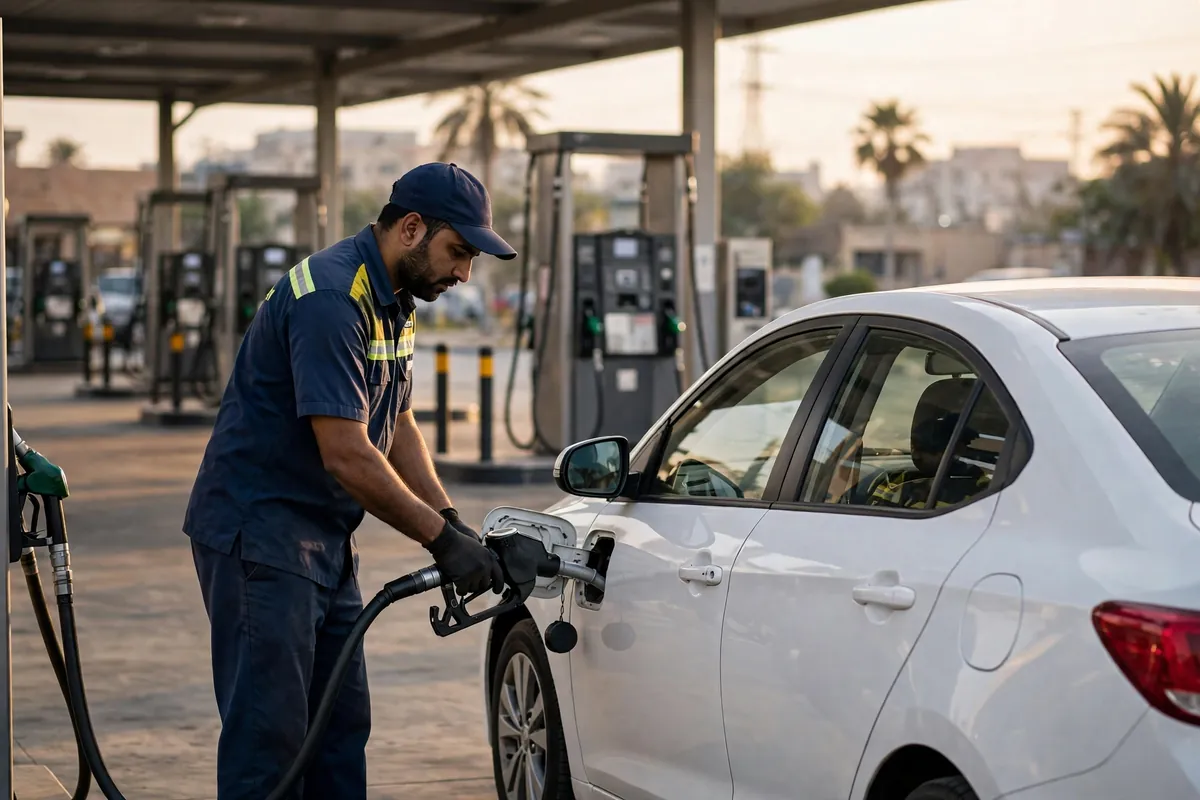
No number in Pakistan is watched like the petrol price. It decides the rickshaw fare to the bazaar, the cost of the harvest's diesel, the courier's delivery charge and a fair slice of the inflation that greets every household at the sabzi mandi. Yet for something so argued about, remarkably few people can say how the number is actually produced — who calculates it, what is inside it, and why it changes when it does. This explainer takes the pump price apart, piece by piece.
Who decides: OGRA proposes, the government notifies
The Oil and Gas Regulatory Authority — OGRA — is the calculator. Working from the official pricing formula, OGRA computes what petrol (motor spirit), high-speed diesel, kerosene and light diesel oil should cost for the coming period and sends its working to the federal government as a summary. The Finance Division then issues the formal notification that fixes the maximum prices pumps may charge. That division of labour matters: when prices rise, OGRA's arithmetic is usually the messenger, and the government's real choices sit in the taxes and levies described below — the one set of lines in the formula that politicians directly control.
The notified prices are maximum consumer prices for the regulated fuels. A pump charging above the notified rate for petrol or diesel is breaking the law, and district administrations do — visibly, after most revisions — inspect and fine for exactly that.
Anatomy of a litre: the five building blocks
1. The import cost — the part Pakistan does not control
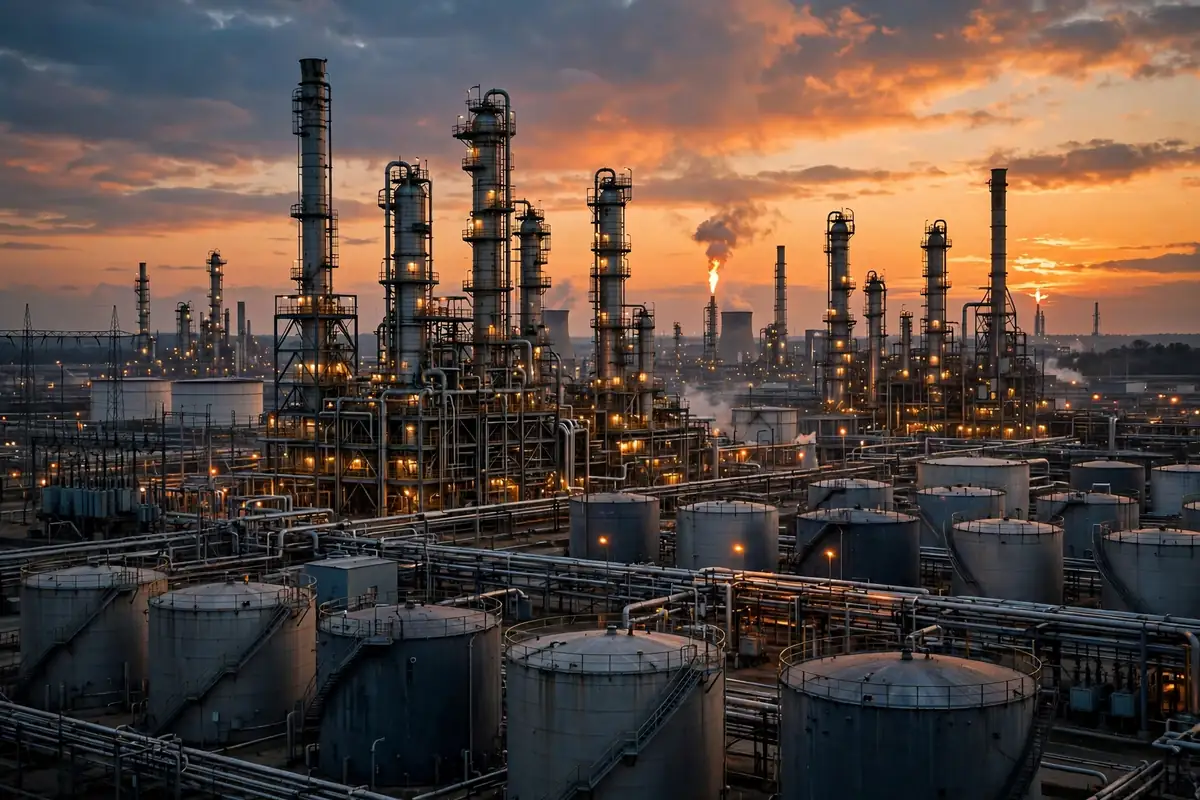
Pakistan imports the bulk of its petroleum products and crude. The formula prices them off international benchmarks — petrol against the Platts Arab Gulf average for gasoline, diesel against crude and diesel cargo benchmarks — converted into rupees at the prevailing exchange rate, with the premium and incidentals that importing actually costs. When global oil climbs or the rupee slides, this block grows before any Pakistani official has made a single decision. It is normally the largest part of the pump price, and the reason local prices shadow world markets whether we like it or not.
2. Customs duty
Imported petroleum pays customs duty, calculated from the landed value of recent cargoes. It moves less dramatically than the benchmark price but can, in a given revision, quietly add or subtract a few rupees a litre all by itself.
3. The Petroleum Development Levy — the government's dial
The PDL is a per-litre levy collected inside the price. It is pure policy: raise it and the price climbs while revenue flows to the treasury; cut it and the government absorbs a global spike on the citizen's behalf at the cost of its own finances. Alongside the PDL, a climate support levy has also featured in recent price notifications. When a government announces it is "not passing on the full increase", it is almost always the levy that took the punch.
4. Margins: the companies and the pumps
Oil marketing companies (OMCs) — the firms that import, store and distribute fuel — receive a fixed per-litre margin, and the dealers who own and run the pumps receive theirs. These margins are small next to the import cost, are revised occasionally through negotiation with OGRA, and are what keep the country's forecourts staffed, lit and supplied.
5. IFEM: why the price is the same in Gwadar and Gilgit
The Inland Freight Equalisation Margin is the quiet genius of the system. Fuel lands at Karachi's ports and coastal refineries; trucking it to the northern areas costs far more than supplying Karachi itself. IFEM pools that freight cost and spreads it across every litre sold in the country, so the notified price is uniform nationwide — with only minor differentials in the remotest areas — instead of rising mile by mile from the sea.
When prices change: from fortnight to seven-day average
For years the rhythm was fortnightly: OGRA averaged the international prices of the previous fifteen days, the summary went to Islamabad, and new prices took effect from the 1st and 16th of each month. Every household in Pakistan learned to read that calendar — and every rumour of a rise produced queues at the pumps on the 15th and the last day of the month.
The system has since been tightened to track world markets more closely. OGRA now calculates prices on a seven-day average of international prices, a change the petroleum minister defended in the National Assembly in 2026 as more transparent and better for keeping fuel available: with a shorter window, local prices follow global moves within days rather than waiting for the fortnight to turn, and trends — he argued — are clear enough after three or four days to price honestly. In practice this means revisions can come more frequently than the old twice-a-month drumbeat, and the only date worth trusting for "when does it change next" is the government's latest notification, not habit.
How to check the latest official price
- OGRA's official website publishes the current notified prices and the pricing formula itself — the regulator's own numbers, straight from the source.
- The Finance Division's notification for the latest revision is the legal document every pump must follow; national newspapers and TaazaPulse's economy desk report each revision as it is issued, with the change per litre stated plainly.
- At the pump: the notified price must be displayed and charged. If a station demands more for regulated petrol or diesel, that is an offence — note the station and report it to the district administration or OGRA.
Notice what is not on this list: a screenshot of a price board forwarded in a family WhatsApp group. Prices change with every revision, old screenshots never die, and the gap between the two has filled many tanks at the wrong expectation. TaazaPulse's own economy coverage reports each change as it is announced — but for the figure itself, the notification is king.
Why petrol and diesel part ways
Readers often ask how petrol can fall in the same announcement that raises diesel — as happened in an October 2026 revision, when the petrol benchmark and diesel's crude benchmark moved differently and a customs-duty recalculation pulled petrol down while every line under diesel pushed it up. The answer is that the two fuels are priced off different international yardsticks: petrol follows a refined-gasoline benchmark, diesel is built from crude plus a refining spread, and lines like customs duty are computed per product from actual cargoes. Two different sums can honestly produce two different directions — it is arithmetic, not conspiracy.
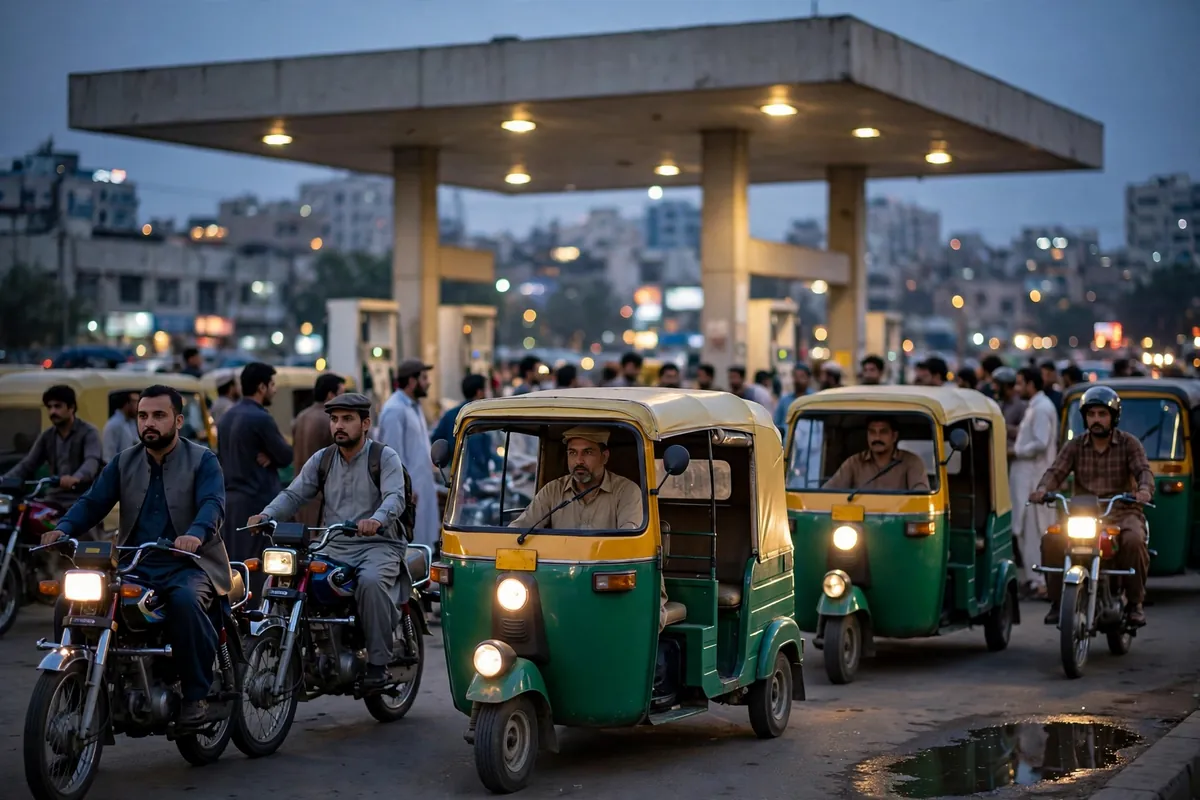
Diesel's direction matters far beyond the pump: it drives freight, buses, tractors and tube-wells, so a diesel rise seeps into the price of everything that is grown, carried or delivered in Pakistan — which is to say, everything.
The exception on the forecourt: hi-octane
One product does not follow any of this. Hi-octane petrol (the premium RON 95–97 grades) is not price-regulated by OGRA: each marketing company sets its own rate from its own costs, which is why hi-octane prices differ between brands and cities while regular petrol and diesel march in national lockstep. If you fill with hi-octane, comparison-shopping between stations is a real option; for the regulated fuels, the price is the price, everywhere, and your only choice is which queue to join.
What to watch before the next revision
- Global crude and product benchmarks — a sustained move over the averaging window, not a single day's spike, is what reaches your pump.
- The rupee–dollar rate — oil is bought in dollars; a weakening rupee raises the import block rupee for rupee. (Our dollar rate explainer unpacks that market.)
- Levy policy — budget season and IMF programme reviews are when PDL decisions get made; a levy change can swamp a quiet fortnight in world markets.
- Geopolitics — supply shocks from the Gulf, OPEC decisions and wars move the benchmark before they move the headlines.
The petrol price will go on changing, and Pakistan will go on watching it. But a price you understand — its imported core, its tax dial, its freight equaliser, its weekly pulse — is a price you can plan around, instead of merely worrying about.
Frequently Asked Questions
Who sets petrol prices in Pakistan?
The Oil and Gas Regulatory Authority (OGRA) works out the price using the official formula and sends its summary to the federal government; the Finance Division then issues the notification that sets the maximum consumer price. Petrol stations may not legally charge above the notified price for regulated products.
When do petrol prices change in Pakistan?
For many years prices were revised fortnightly, with announcements effective from the 1st and 16th of each month. The mechanism has since been tightened: OGRA now calculates prices from a seven-day average of international prices, and the petroleum minister told the National Assembly in 2026 that this shorter averaging window is the basis of the current system. In practice, expect revisions to follow the official notification cycle announced by the government, and check the latest notification rather than rumours.
What is the petrol price in Pakistan today?
TaazaPulse does not print a price here because the figure changes with every revision and a stale number would mislead you. Check the current notified price on OGRA's official website or in the Finance Division's latest price notification — those are the same figures every newsroom and petrol pump must follow — or read our economy section, where each revision is reported as it is announced.
Why is the petrol price the same in Karachi and in the northern areas?
Because of the Inland Freight Equalisation Margin (IFEM). Fuel lands at Karachi's ports and refineries, and moving it upcountry costs money. IFEM spreads that transport cost across every litre sold nationally, so the pump price stays uniform across Pakistan instead of rising with distance from the port.
What taxes are included in the petrol price?
The biggest government charge inside the pump price is the Petroleum Development Levy (PDL), alongside customs duty on the imported product. On top of the import cost itself, the price also carries the margins of the oil marketing companies and the dealers who run the pumps. When the government wants to soften a global price spike, adjusting the levy is its main lever.
Why do petrol and diesel prices sometimes move in opposite directions?
Because they are priced off different international benchmarks — petrol follows a gasoline benchmark and high-speed diesel follows crude and diesel cargo prices. In a given review the two benchmarks can move differently, and duty calculations can also diverge, so one fuel can fall in the same notification that raises the other.