Pakistanis May Face Higher Electricity Bills in Coming Months
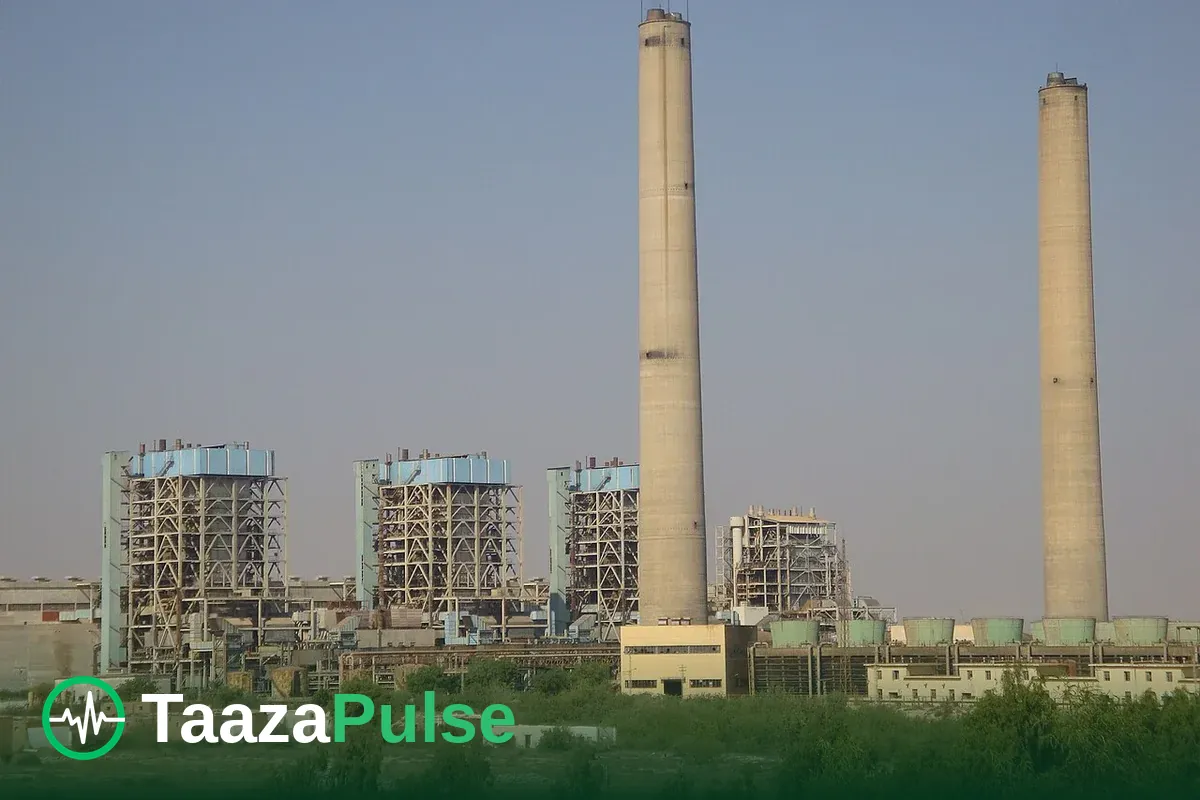
ARY News reported on Friday 30 October 2026 that Pakistanis may face higher electricity bills in the coming months, and the warning arrives at a moment when the numbers behind it are already on the public record. The immediate trigger is a request before the National Electric Power Regulatory Authority (NEPRA): the Central Power Purchasing Agency-Guarantee (CPPA-G), acting for the state-owned distribution companies, has asked the regulator to allow an additional Rs2.5624 per unit to be recovered from consumers through the September 2026 fuel charges adjustment (FCA). If NEPRA approves the request at or near the level sought, the charge would land on November bills. The longer warning behind the headline is about winter: reporting citing Power Division sources says fuel price adjustments could rise two to three times between December and February, as expensive imported fuels carry more of the generation mix and cheaper hydropower fades seasonally.
None of this is yet a notified tariff increase, and that distinction is the most important sentence in this story. The Rs2.5624 figure is what CPPA-G has asked for, not what NEPRA has decided. NEPRA held a public hearing on the September FCA request on Thursday 29 October at NEPRA Tower in Islamabad, and reporting since has described the decision as reserved. Consumers should therefore treat November as a month to watch, not a month already priced: the final FCA could be lower than the request, as it has been in every month of 2026 so far, or it could come in close to it. What is already certain is the direction of travel — September was an expensive month for generating electricity, and the bill for it has not yet been sent.
What exactly has been asked for
The FCA is the monthly mechanism through which the gap between the fuel cost assumed in the tariff and the fuel cost actually incurred is passed on to consumers. For September 2026, CPPA-G's filing puts the reference fuel charge — the cost already built into the tariff — at Rs7.4596 per unit, and the actual fuel cost of electricity delivered to the distribution companies at Rs10.0220 per unit. The difference is the Rs2.5624 per unit now before NEPRA. The News reported the same figures when the request was filed, and the regulator's hearing notice confirms the shape of the case: a September fuel month, a hearing on 29 October, and a decision that will determine what, if anything, is recovered in November bills.
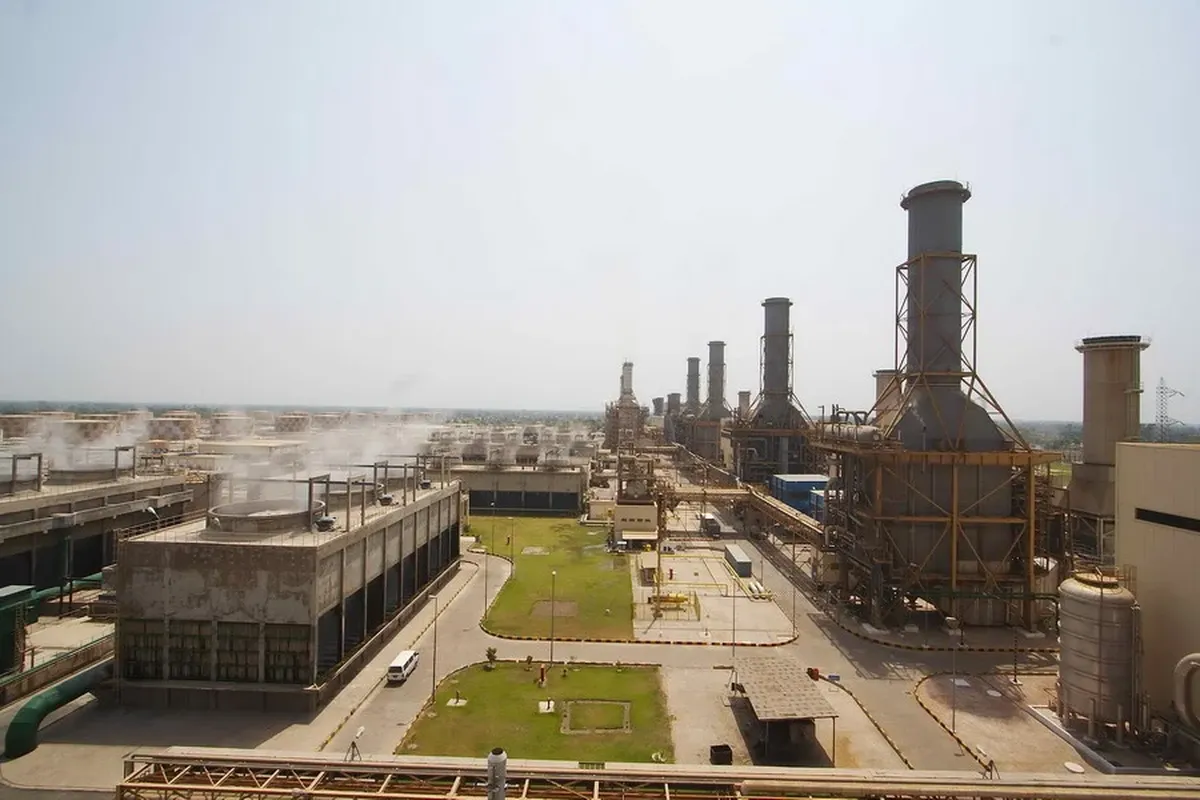
The reason the gap is so wide is visible in CPPA-G's own generation data for September. Total generation during the month was 13,217 gigawatt-hours, with 12,760 gigawatt-hours supplied to the distribution companies after transmission losses and sales to independent power producers. The total fuel bill for that generation was Rs127.87 billion. Imported coal was the single largest item at Rs37.14 billion, followed by liquefied natural gas (LNG) at Rs31.93 billion, local gas at Rs13.89 billion, diesel at Rs13.26 billion, furnace oil at Rs11.81 billion and local coal at Rs7.95 billion. In other words, the months when imported fuels do the heavy lifting are the months when the FCA jumps — and September was one of those months, with furnace oil and diesel in the mix alongside imported coal and LNG.
The request also carries a headline burden figure: around Rs32.66 billion across consumers if the full Rs2.5624 is allowed. And it would not stop at the state-owned distribution companies. Under the federal government's uniform tariff policy, the FCA determined for the former WAPDA distribution companies (XWDISCOs) also applies to K-Electric consumers in Karachi, so a decision in Islamabad reaches bills in Karachi as well. That is why a seemingly technical filing about a single month's fuel cost is, in practice, a national price story.
The charges already on your bill
To understand what November might add, it helps to see what consumers are already paying. October bills carry the August 2026 FCA of Rs1.1086 per unit, which NEPRA approved on 7 October after CPPA-G had asked for Rs1.7267 — a cut of more than sixty paisas, in line with the regulator's pattern this year of approving less than requested. September bills carried the July FCA of Rs2.0581 per unit, against a request of Rs2.5182. And running underneath both is the quarterly tariff adjustment (QTA) of Rs0.5194 per unit for the April–June 2026 quarter, approved for recovery during September, October and November 2026. The QTA is a different instrument from the FCA: where the FCA settles one month's fuel-cost gap, the QTA settles a quarter's capacity payments and other costs. A single bill can therefore carry both lines at once, which is why a bill can rise even in a month when the headline tariff has not changed.
That pattern — request, hearing, trim, notification — is also the best guide to what happens next with September's request. In every month of 2026 so far, NEPRA has approved less than CPPA-G asked for, by between roughly fifteen and sixty-two paisas per unit. The September request is the largest of the year, which makes the size of the eventual trim the key unknown. Consumers who budget on the full Rs2.5624 are budgeting on the ceiling, not the decision; consumers who assume the charge will disappear are assuming something no reporting supports. The honest position, until NEPRA notifies its determination, is that a material September FCA is likely, and its exact size is undecided.
There are also categories that recent FCA decisions have kept out of the charge. The notification summary for the July FCA excluded lifeline consumers, electric-vehicle charging stations and prepaid consumers who had opted for prepaid tariffs. Those exclusions were specific to that decision, and the September determination will carry its own terms — but they are a reminder that "consumers" in an FCA headline does not automatically mean every connection in the country. The September notification, when it appears, is the document that will settle who pays and who does not.
Why winter is the bigger worry
The ARY report's warning about "the coming months" goes beyond the September FCA, and the winter angle is where the story gets more serious. According to reporting citing Power Division sources, fuel price adjustments could increase two to three times between December and February. The logic is seasonal and structural at once: hydropower generation declines in winter as river flows fall, local gas availability is limited, and the gap is filled by imported LNG, coal and furnace oil — the most expensive fuels in the mix. If international fuel prices stay elevated, each winter month's FCA request starts from a higher base than the month before it.
The same reporting carries a striking claim about how close September came to being worse: that without government intervention, the September adjustment could have reached Rs5 to Rs6 per unit, and that measures including two hours of load management helped limit the request to Rs2.56. That claim is attributed to Power Division sources in the reporting, not to a published NEPRA document, and it should be read as such — but it illustrates the scale of the underlying pressure. Load management — deliberately managing demand for part of the day — reduces the amount of expensive generation that has to be bought, and therefore the size of the FCA that follows. It is also, for consumers, the visible side of the same problem: the system is balancing cost against supply, and both sides of that balance show up in households, one as a bill and the other as an outage.
What it could mean in rupees
Because the FCA is charged per unit, its effect scales directly with consumption, and a simple piece of arithmetic — clearly labelled as arithmetic on the requested rate, not a forecast of any household's bill — shows the stakes. At the full requested Rs2.5624 per unit, a household using 200 units in a month would see about Rs513 added; at 300 units, about Rs769; at 500 units, about Rs1,281. Those figures exclude the QTA already running, exclude taxes and other bill components, and assume the full request is approved and applied to all of a household's units, which the final notification may not do. They are useful only as a sense of scale: for a household already paying several thousand rupees a month, a September FCA at or near the requested level is not a rounding error.
For businesses the arithmetic is harsher, because consumption is higher and electricity is a direct input cost. Small manufacturers, cold storages, workshops and traders on commercial tariffs feel an FCA increase twice: once in their own bill and once in the prices of everything that uses power to produce, store or transport. That pass-through is one reason the FCA debate draws objections from industry bodies at NEPRA hearings, and one reason the regulator's trimming of requests matters beyond the household bill. A difference of fifty paisas per unit, spread across the country's billed units, is worth billions of rupees — which is exactly why the hearing process, with consumer and industry interveners, exists.
There is also a timing trap in the FCA system that consumers should understand. The charge for a fuel month reaches bills about two months later, so the bill that rises in November is paying for September's fuel, and the bill that rises in January will be paying for November's fuel. That lag means winter's expensive generation will not show up in full until the new year, even if fuel prices rise now — and it means a household that cuts consumption today is cutting the units on which future adjustments will be charged, not just today's energy charge. The lag also means that good news and bad news both arrive late: a fall in fuel prices this month would not soften bills until well into the new year either.
What to watch, and what to do
Four things will determine how this story actually lands. First, NEPRA's determination on the September FCA: the rate, the categories it covers, and the billing month it is applied to. That determination, once notified, replaces every projection in this article. Second, the winter fuel mix: LNG and coal prices internationally, hydel output as winter sets in, and local gas availability. Third, whether the government intervenes again to soften a winter adjustment, as the reporting suggests it did for September, and in what form — subsidy, deferred recovery or load management. Fourth, the QTA cycle: the current Rs0.5194 quarterly adjustment runs through November, and the next quarter's determination will set a new baseline underneath whatever FCA winter brings.
For consumers, the practical steps are unglamorous but real. Read the bill, not just the total: the FCA and QTA appear as separate lines, and knowing which one moved explains whether a rise is a one-month fuel effect or a quarterly capacity effect. Check the bill itself before paying: every distribution company lets consumers view and print a duplicate bill online with the reference number from an old bill, and catching a wrong meter reading early is far easier than disputing a paid bill later. And the one lever every household controls is units: because the FCA is per unit, every unit saved is a unit on which no future adjustment is charged either. None of that offsets a Rs2.56 FCA — it is worth saying plainly — but it is the difference between a bill that rises by the adjustment and a bill that rises by the adjustment plus avoidable waste.
The honest summary
So where does the ARY warning leave a household reading its October bill? With a request, not a tariff: Rs2.5624 per unit sought for September's fuel, heard by NEPRA on 29 October, decision awaited, likely to reach November bills at some level below the request if this year's pattern holds. With a quarterly charge already running: Rs0.5194 per unit through November. With an October bill already carrying the August FCA of Rs1.1086. And with a winter warning, reported from Power Division sources rather than notified by any authority, that fuel adjustments could rise two to three times between December and February if imported fuel prices stay high and hydel and local gas stay short. None of those numbers is a reason to panic, and none of them is a reason to ignore the next NEPRA notification either. The bill for September's expensive fuel has not been sent yet. When it is, this page will be updated with the notified rate.
Frequently Asked Questions
Is the Rs2.56 per unit increase confirmed?
No. Rs2.5624 per unit is what CPPA-G asked NEPRA to approve as the September 2026 fuel charges adjustment, not what NEPRA has decided. NEPRA held a public hearing on 29 October 2026 and the decision was reported as reserved. Until NEPRA notifies its determination, no September FCA rate is final — and in every month of 2026 so far, NEPRA has approved less than CPPA-G requested.
When would the September fuel charge appear on my bill?
If approved, the September FCA would be recovered in November bills, following the usual two-month lag between the fuel month and the billing month. October bills already carry the August FCA of Rs1.1086 per unit, and the current quarterly adjustment of Rs0.5194 per unit runs through November. The September notification will confirm the billing month and the categories covered.
Why was September's fuel so expensive?
CPPA-G's filing puts September's actual fuel cost at Rs10.0220 per unit against a reference cost of Rs7.4596 built into the tariff. Generation totalled 13,217 gigawatt-hours at a fuel cost of Rs127.87 billion, with imported coal (Rs37.14 billion) and LNG (Rs31.93 billion) the largest items, plus diesel, furnace oil, local gas and local coal. Months when imported fuels dominate the mix produce the largest FCA requests.
Does the increase apply in Karachi too?
Yes, if approved. Under the federal government's uniform tariff policy, the FCA determined for the state-owned distribution companies also applies to K-Electric consumers in Karachi. The request itself was filed on behalf of the former WAPDA distribution companies, but the uniform policy extends the resulting FCA to KE as well.
What is the difference between the FCA and the quarterly adjustment?
The FCA settles one month's fuel-cost gap: the difference between the fuel cost assumed in the tariff and the fuel actually burned that month. The quarterly tariff adjustment (QTA) settles a whole quarter's capacity payments and other costs. A bill can carry both lines at once — currently the Rs0.5194 QTA for April–June 2026 runs through November alongside the monthly FCA.
Will bills really rise two to three times this winter?
That is a reported warning, not a notified tariff. Reporting citing Power Division sources says fuel price adjustments could rise two to three times between December and February, as hydropower declines seasonally, local gas stays limited, and imported LNG, coal and furnace oil fill the gap. The same reporting says government intervention and load management limited September's request to Rs2.56 when it could otherwise have reached Rs5–6 per unit. Winter's actual adjustments will depend on fuel prices, generation mix and NEPRA's decisions month by month.