BISP 8171: How to Check Your Payment and Eligibility by CNIC
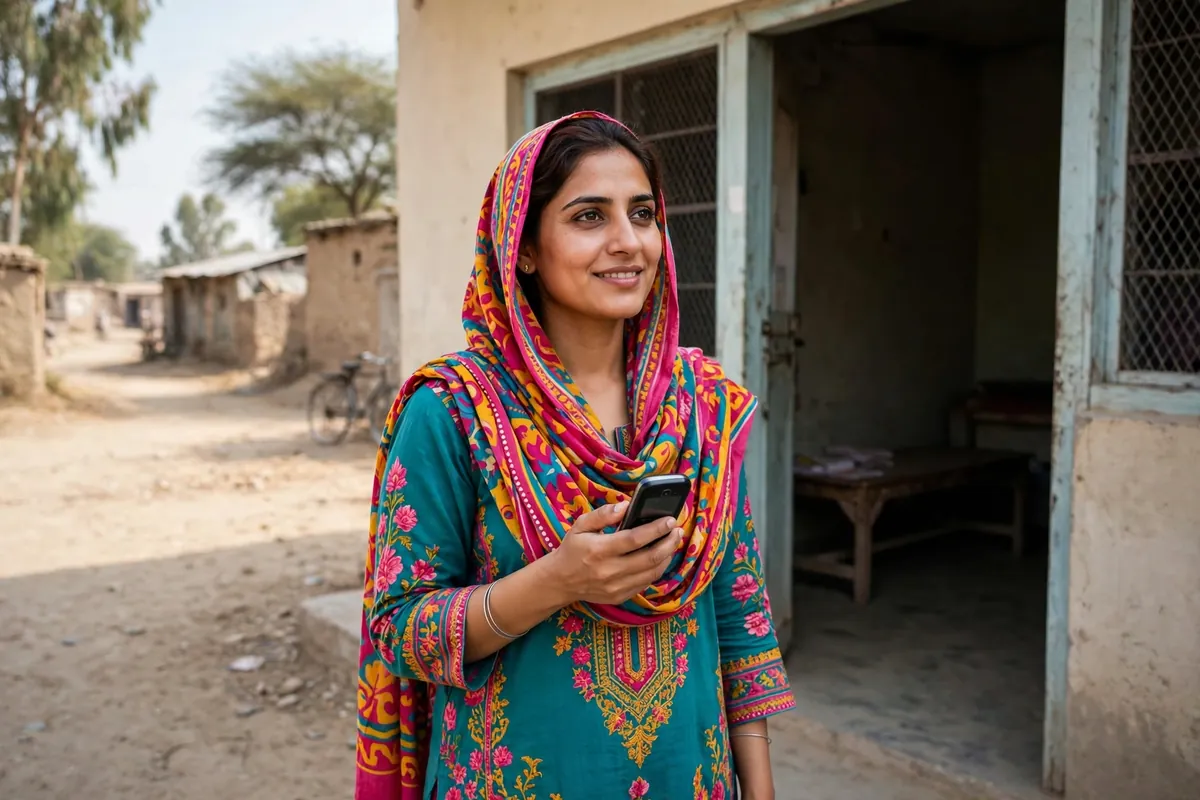
For millions of Pakistani households, the Benazir Income Support Programme is the difference between a managed month and a desperate one — school fees found, medicine bought, the kitchen kept running. Yet every payment cycle, the same confusion repeats: women travel to offices they did not need to visit, pay agents for information that is free, and fall for messages from numbers that are not BISP. Almost everything a beneficiary needs to know can be checked from a basic phone in two minutes, through the official 8171 service. This guide shows exactly how — and how the system behind it actually works.
What BISP and 8171 actually are
The Benazir Income Support Programme (BISP), launched in 2008, is Pakistan's flagship social safety net: unconditional cash support paid, deliberately, to the woman of each eligible household. Its best-known component, Benazir Kafaalat, pays a quarterly cash instalment; sister programmes add education stipends for children (Taleemi Wazaif) and nutrition support for mothers and infants (Nashonuma). The Ehsaas cash programmes that many people still search for were folded into this same system — there is no separate Ehsaas database any more, which is why the 8171 service answers for both names.
8171 is BISP's official service identity — its web portal at 8171.bisp.gov.pk and its SMS short code. Between them they answer the three questions every beneficiary asks: Am I eligible? Has my payment been released? And if something is wrong, what do I do next? Both are free. Memorise that, because it is the fact that defeats half the fraud in this system: no genuine BISP service ever charges a fee.
Check online: the 8171 web portal, step by step
- Open 8171.bisp.gov.pk in your browser. Type the address yourself rather than following a link forwarded on WhatsApp — imitation portals exist precisely to harvest CNIC numbers.
- Enter your 13-digit CNIC number in the box, without dashes or spaces.
- Type the captcha code shown in the image exactly as it appears.
- Press the check/search button.
- Read your result: eligibility status, and where a payment has been released, the amount and how to collect it.
That is the whole procedure. The portal is a status tool: it reads your household's record from the National Socio-Economic Registry (NSER). It cannot register you, change your record or release a payment early — anyone whose website claims otherwise is selling you something BISP gives free, or worse.
Check by SMS: no internet needed
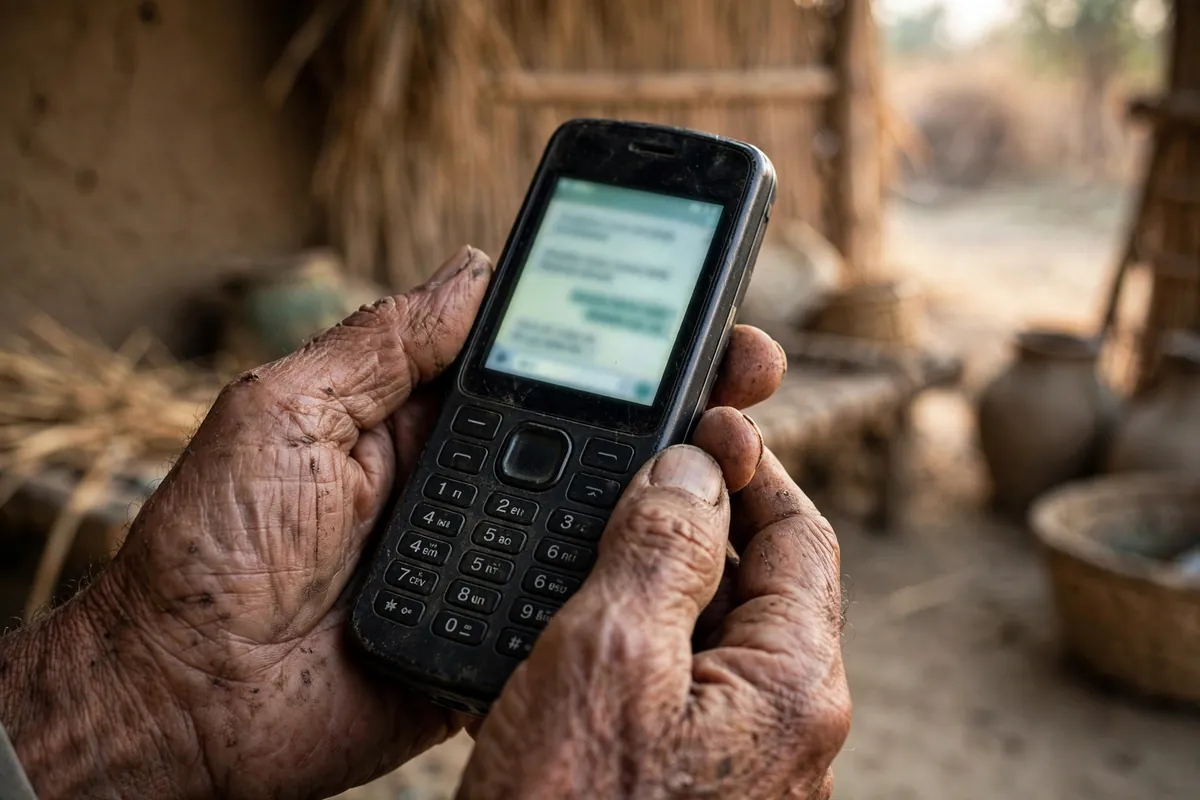
If you have a basic phone — the kind with buttons, the kind that lives in a dupatta pocket — you hold the entire checking system already. Open your messages, type your 13-digit CNIC number with no dashes, and send it to 8171. A reply arrives with your current status: eligible or not, payment ready or pending, or an instruction if your survey needs attention.
Two habits protect you here. First, only trust replies that come from the 8171 number itself; a payment message from an ordinary mobile number is fake, however official its language sounds. Second, never forward your CNIC to a "BISP agent" number, and never send mobile credit or an OTP to anyone in BISP's name. The genuine system asks for exactly one thing — your CNIC number, sent by you, to 8171.
Reading your result: what each message means
- Eligible. Your household's poverty score is within the programme's limit. Now check the payment line: released money can be collected, a pending one cannot, no matter who promises otherwise.
- Payment released. Your quarterly instalment is ready through the channel named in the result — follow the official collection method and take your CNIC with you; biometric verification is part of collection.
- Payment pending. You are eligible but this cycle's release has not reached your record yet. Payments are released in phases; checking again after some days is the correct action, visiting an office is not.
- Not eligible. Your household's score sits above the current cut-off. If your circumstances have genuinely changed — a breadwinner lost, a disability, a death in the family — the remedy is an updated survey, described below, not repeated checking.
- Data not found / record not available. Your household has not been surveyed into the NSER, so there is nothing to check yet. This is the one result that does require a visit — to register, not to complain.
- Survey or verification required. Your record exists but is incomplete or stale. Visit the BISP tehsil office named for your area and complete the dynamic survey or biometric verification it asks for.
The score behind it all: PMT explained
Eligibility is not decided by an officer's impression or a local recommendation. When the NSER survey team records a household — its income earners, assets, housing, education, family size — the data produces a PMT (Proxy Means Test) score, a poverty index running from 0 to 100 where lower means poorer. BISP pays households at or below its published cut-off — 32, with a higher limit (37) for households that include a person with a disability.
Understanding the score explains most disappointments: a family can be genuinely struggling and still sit a point above the line, because the survey's snapshot was old or an asset was recorded that no longer exists. That is why BISP runs a dynamic registry — the survey can be updated when life changes. If your household's reality has moved since the last survey, an updated survey at the tehsil office is the honest route back into the system.
The money: how much, how often, how collected
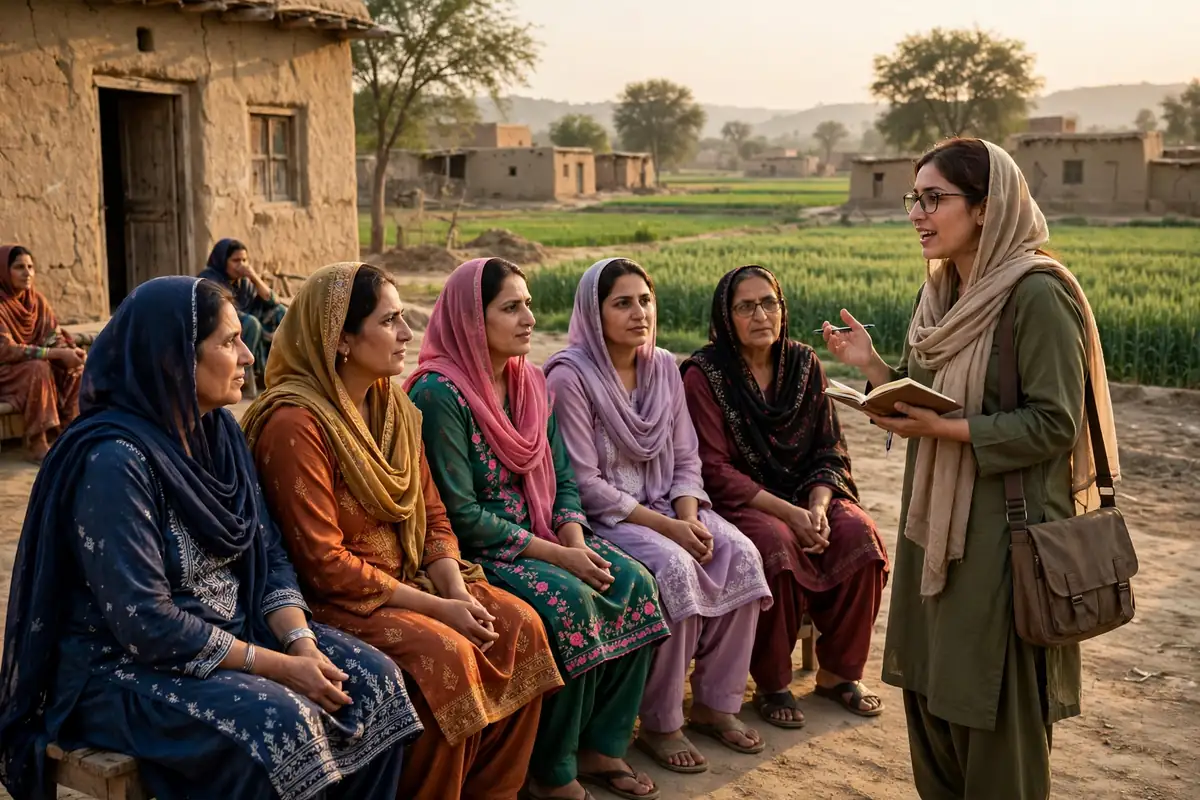
Kafaalat is paid four times a year, once each quarter, to the woman beneficiary. BISP raised the quarterly instalment to Rs 14,500 in 2026, and payments have been moving into digital channels — beneficiaries increasingly receive funds through a BISP digital wallet linked to a registered SIM, alongside the established collection points, with an SMS from 8171 marking deposits. Amounts and channels are set by the programme and revised with budgets and policy, so the figure on your own 8171 result — not a neighbour's screenshot, not a Facebook post — is the authoritative number for your household.
At collection, one rule is absolute: the full amount is yours. Any agent, retailer or middleman who deducts a "fee" from your payment is stealing from a government transfer, and BISP treats it as a punishable fraud. Note the person's name and location and report it — to the BISP helpline on 0800-26477 (toll-free) or at your tehsil office. Programmes like this survive on beneficiaries refusing to be quietly taxed.
Not registered yet? The correct way in
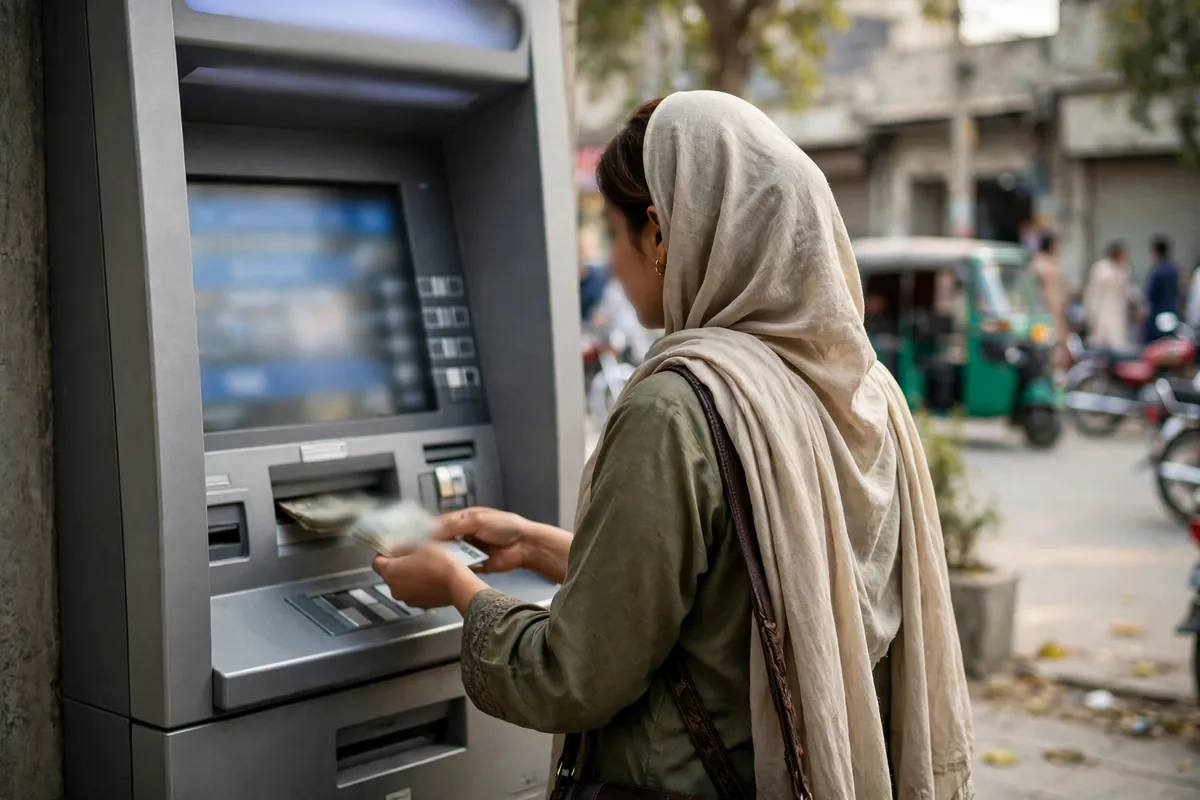
Registration cannot be done online, and it cannot be done through an agent — anyone offering either is running a con. The real route: visit your nearest BISP tehsil office or designated registration centre with your CNIC and your children's B-Forms, and ask for the NSER dynamic survey. Survey staff record your household's details, the PMT score is calculated from them, and if you fall within the cut-off you are enrolled and informed by SMS from 8171. The survey and registration are free of cost — BISP states this plainly and repeatedly, because charging for registration is the oldest fraud in the system.
Fraud: the greatest hits, and how each one dies
- "Your BISP payment has been approved, send Rs 500 processing fee." Dead on arrival: BISP never charges fees and never messages from personal numbers. Only 8171 is 8171.
- "Click this link and enter your CNIC and OTP." BISP has no OTP step for beneficiaries. Close the page; type the portal address yourself when you want to check.
- The agent who will "fix" your eligibility for a cut. Eligibility is a computed score from survey data. An agent can take your money; he cannot touch the score.
- The deduction at the payment point. Report it with a name and a place. Silence is the business model.
Two minutes, one CNIC number, one official address — that is the entire technology of checking BISP. Everything louder, faster or more expensive than that is somebody's business, and it is not the business of helping you.
Frequently Asked Questions
How do I check my BISP eligibility online?
Go to the official portal at 8171.bisp.gov.pk, type your 13-digit CNIC number without dashes, enter the captcha code shown on the screen and submit. The portal shows your eligibility status, your household's poverty (PMT) score result and, where a payment has been released, the amount and collection details.
How can I check BISP by SMS?
Write your 13-digit CNIC number in a text message and send it to 8171. You will receive a reply with your current status. Only trust messages that come from 8171 itself — BISP never sends payment messages from personal mobile numbers, and it never charges a fee for checking.
What does 'data not found' mean on the 8171 portal?
It means your household has not yet been surveyed into the National Socio-Economic Registry (NSER), so BISP has no record to check. The fix is not another website: visit your nearest BISP tehsil office and ask for the dynamic survey so your household's information is recorded.
How much is the BISP Kafaalat payment?
Kafaalat is paid quarterly to the woman of an eligible household. BISP raised the quarterly instalment to Rs 14,500 in 2026; amounts are set by the programme and can change with the budget, so treat the figure shown on your own 8171 status result as the final word for your payment.
Who is eligible for BISP payments?
Eligibility is decided by the PMT (Proxy Means Test) poverty score calculated from your household's NSER survey data. Households scoring at or below the programme cut-off — 32 on BISP's published scale, with a higher limit for households that include a person with a disability — qualify. Registration alone does not guarantee payment; the score decides.
I am not registered. How do I register for BISP?
Registration is done in person through the NSER dynamic survey at BISP tehsil offices and designated registration centres — it cannot be done on the 8171 portal, which only checks status. Carry your CNIC and your children's B-Forms. Registration and the survey are free; anyone demanding money for registration is committing fraud, and you can report it on the BISP helpline 0800-26477.