Cop Martyred as Terrorists Attack Police Post in KP's Bajaur
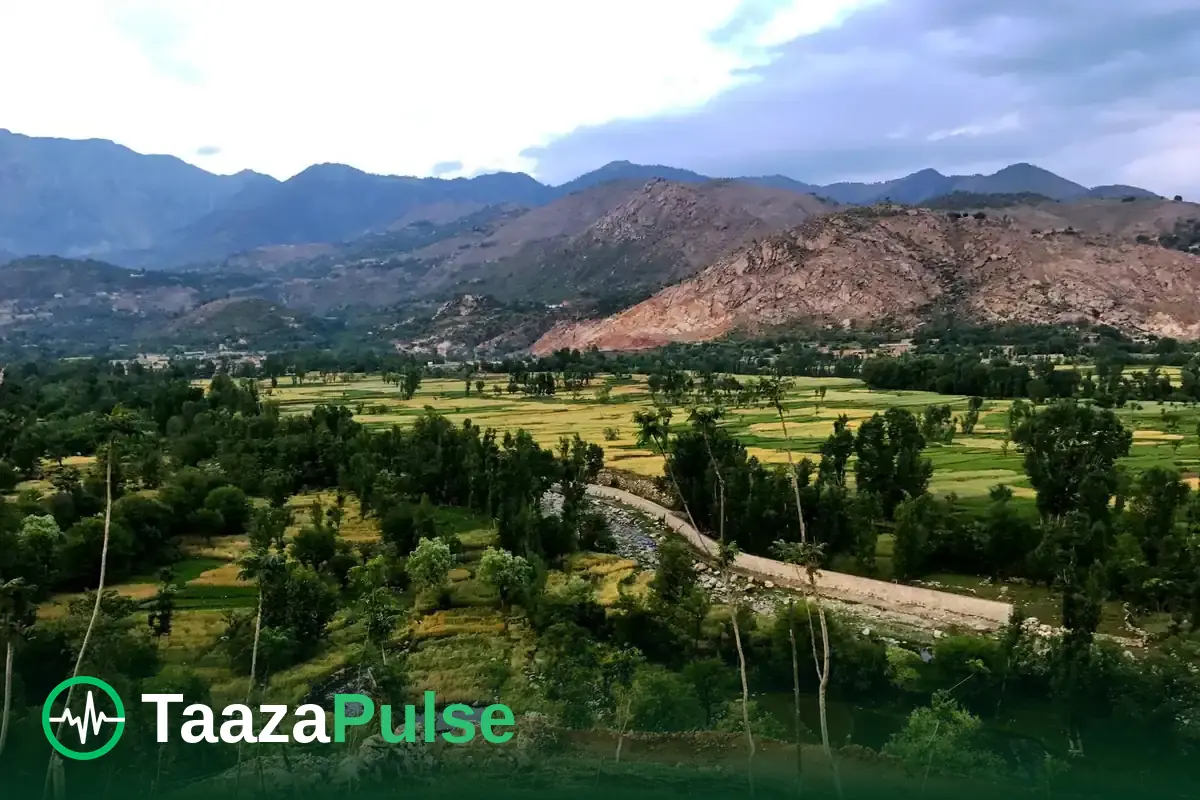
A police officer was martyred when terrorists attacked a police post in Khyber Pakhtunkhwa's Bajaur district on Friday, Dawn reported, in the latest assault on the district police force that has borne the front line of the province's militant violence throughout 2026. The attack, reported by Dawn on Friday 30 October 2026, targeted a police post in the district that borders Afghanistan. Further official details — the location of the post, the identity of the martyred officer, and whether other personnel were injured — had not been released by district officials at the time of this report, and no group had publicly claimed responsibility in the initial coverage. TaazaPulse is basing this report on Dawn's initial dispatch and will update it as the district police and provincial authorities issue confirmed details.
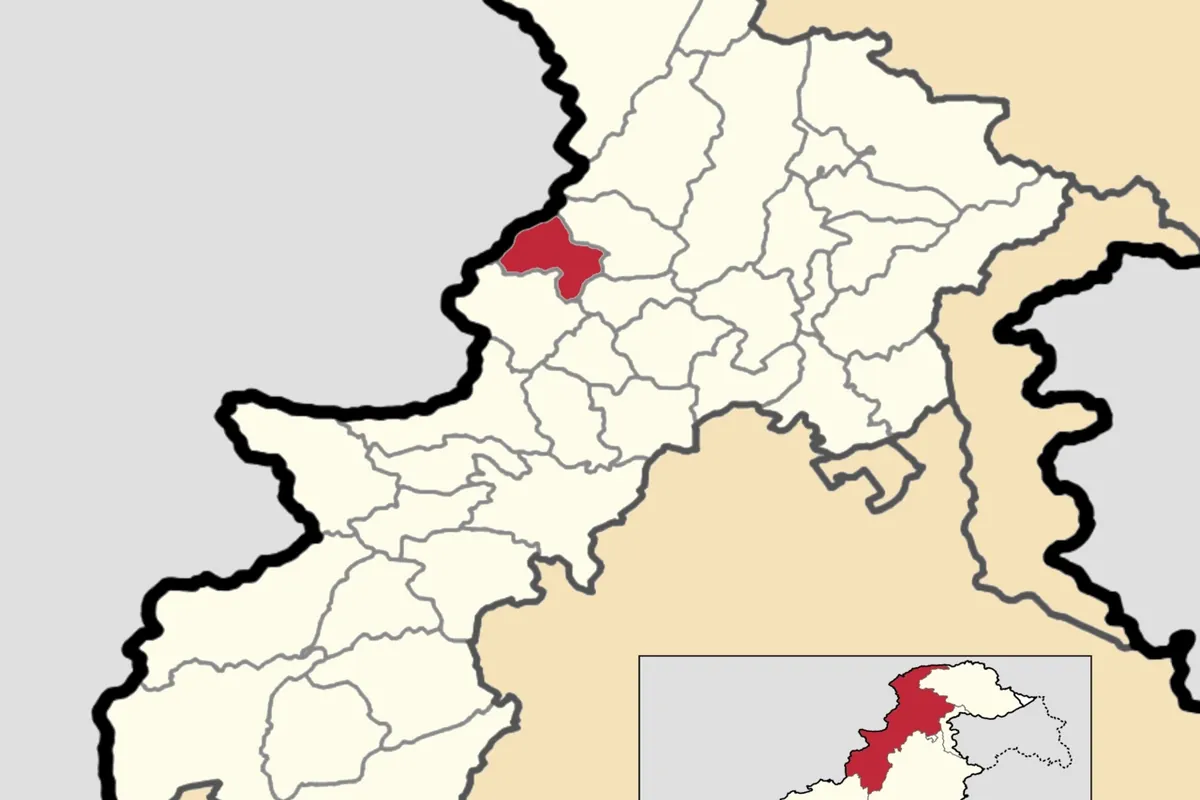
Even in outline, the incident fits a pattern that Bajaur's residents and police know too well. Bajaur is a former tribal district, merged into Khyber Pakhtunkhwa in 2018, sitting against the Afghan border across from Afghanistan's Kunar province. Its police posts — small, isolated positions manned by a handful of officers — are the most exposed points of the state's presence in the district, and through 2026 they have been attacked again and again: stormed at night, raked with rocket and rifle fire, and ambushed on the roads between them.
A year of attacks on Bajaur's police
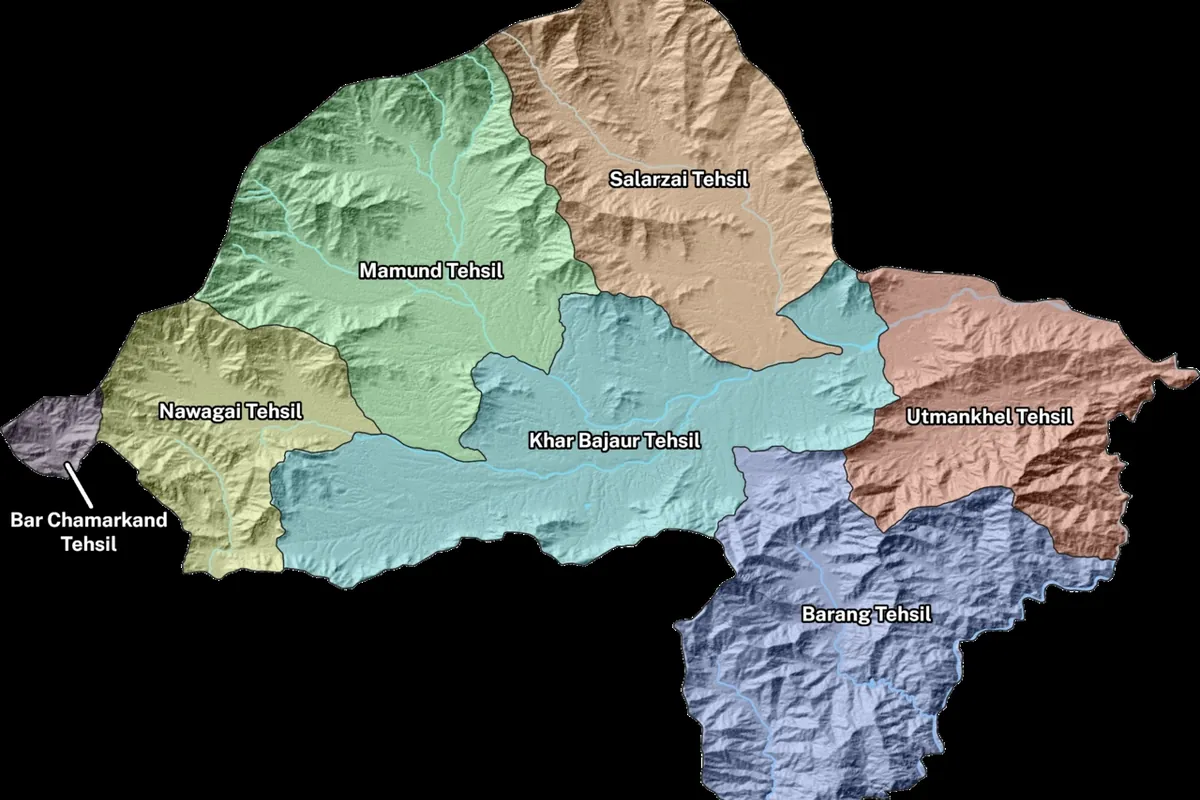
Friday's attack is the latest entry in a grim ledger. In February, a vehicle-borne suicide bombing followed by a fire raid on a joint security checkpost in Bajaur martyred 11 security personnel, according to the military's media wing, ISPR, which said 12 militants were killed in the retaliatory action; Pakistan subsequently issued a formal demarche to the Afghan Taliban authorities over the use of Afghan soil for the attack. Days earlier that month, Additional Station House Officer Gul Mano Din was martyred when unidentified armed men attacked the Wara Mamond police station in the Umari area — an officer whose own father, Juma Din, had been martyred in a rocket attack on the Nakhtar check post in 2009. Later in February, four personnel of the police's Ababeel Squad were martyred and two injured when gunmen opened fire on their patrol near Nawe Kale in Khar tehsil, minutes before iftar.
The summer brought no relief. In August, terrorists attacked the police post at Kohi Sar in Barang tehsil with rocket launchers and small arms, district police spokesperson Mansoor Khan told Dawn; two officers were wounded in an exchange of fire that continued for several hours, and Constable Zahir Shah succumbed to his injuries on the way to hospital, while Head Constable Amir Zada was reported out of danger. In October, Constable Noorullah was shot in the Loi Sam area while returning home and later died of his wounds, in a killing the Islamic State Khorasan Province (ISKP) claimed. Polio vaccination teams and the police who guard them have also been targeted in the district, including an attack in Salarzai tehsil in which a constable guarding a team was killed. Friday's assault on a police post is therefore not an isolated incident but the continuation of a campaign against the most visible, and most vulnerable, arm of the state in Bajaur.
Why the police are the target
Analysts of the province's violence point to a simple logic. The Pakistan Army and the Frontier Corps hold the border and the large installations; the district police hold everything else — the bazaars, the roads, the posts at the edge of town. Attacking them tests the state's writ at the point where citizens actually meet it, and it does so against targets that cannot be hardened the way a cantonment can. The Annual Security Report of the Centre for Research and Security Studies recorded a sharp surge in violence in Khyber Pakhtunkhwa through 2025, with police among the most frequently attacked institutions in the province, and 2026 in Bajaur has followed that trajectory month by month.
The human rhythm of these attacks has become its own ritual in the district. The martyred are carried to Police Lines in Khar, where funeral prayers are offered with state honours before the bodies are sent to their villages under police escort. Gul Mano Din was laid to rest that way in February, as Zahir Shah was in August, as ASI Daulat Khan was in March in a separate Bajaur attack. Each funeral is attended by the district's senior officers; each is followed by the same official vocabulary of resolve; and each, this year, has been followed within weeks by another attack. That cycle — martyrdom, funeral, resolve, repetition — is the context into which Friday's news from Bajaur lands.
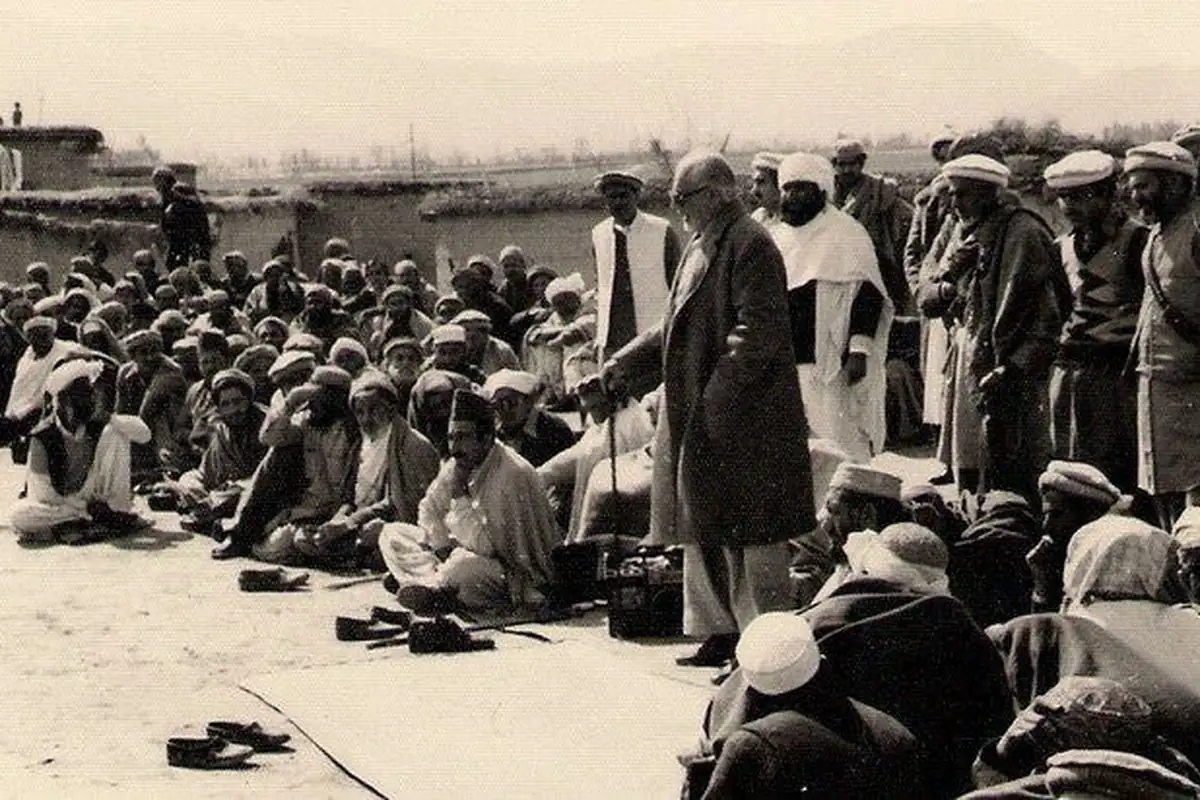
Part of the exposure is structural. Before the 2018 merger, Bajaur was policed largely through the Levies and Khasadar forces raised from local tribes; the merger folded those men into the regular Khyber Pakhtunkhwa Police and pushed a network of formal police stations and posts into areas the state had previously reached only lightly. The officers who staff those posts are overwhelmingly local — men serving in their own tehsils, known by name in their own bazaars, which is precisely what makes them effective and precisely what makes them targets: they live where they serve, travel predictable roads at predictable hours, and cannot withdraw behind a perimeter when their shift ends. A post in Bajaur is both a security position and a statement that the state is present; attacking it, again and again, is how militant groups argue the opposite. Friday's martyrdom will be recorded in the district's statistics as one more incident. In Bajaur itself, it will be recorded the way the others were — a name, a village, a funeral at Police Lines Khar, and a family that joins the long list of households in the district who have buried a policeman this year.
What officials say, and what happens next
The military's spokesperson, Lieutenant General Ahmed Sharif Chaudhry, has said in recent weeks that intelligence-based operations will continue across Khyber Pakhtunkhwa until terrorism is completely eliminated, stressing national unity behind the campaign. In Bajaur specifically, the standard official response to a post attack — a cordon of the area, a search operation for the attackers, and an investigation registered at the local station — is led by the district police under the District Police Officer, a pattern seen after each of this year's attacks in the district. No official statement specific to Friday's attack had been published at the time of this report.
What to watch now is the sequence that has followed every Bajaur attack this year: a formal statement from the district police naming the martyred officer and the post that was hit; the funeral at Police Lines Khar; any claim of responsibility — the banned Tehreek-i-Taliban Pakistan, referred to by the state as Fitna al Khawarij, and ISKP have both operated against targets in the district; and the provincial government's response, in a period when Khyber Pakhtunkhwa's security situation and the question of how it is governed are themselves the subject of intense political argument in Peshawar and Islamabad. For the family of the officer who did not come home on Friday, none of that sequence will be abstract. TaazaPulse will update this report as confirmed details are released.
Sources
This report is based on reporting, official statements and documents from:
- Dawn — Cop martyred in KP's Bajaur as terrorists attack police post (30 Oct 2026)
- Dawn — Police post attacked in Bajaur's Barang tehsil; Constable Zahir Shah martyred (14 Aug 2026)
- The News International — Four cops martyred in Bajaur ambush (25 Feb 2026)
- ISPR via Pakistan Today — 11 security personnel martyred in Bajaur checkpost attack (Feb 2026)
- Centre for Research and Security Studies — Annual Security Report 2025 (KP violence data)
- Wikimedia Commons — Bajaur valley; Bajaur district locator map; Bajaur tehsils map; Nawab of Khar, 1961 (image credits)
Frequently Asked Questions
What happened in Bajaur on Friday 30 October 2026?
Dawn reported that terrorists attacked a police post in Bajaur district, Khyber Pakhtunkhwa, and that a police officer was martyred in the attack. At the time of publication, district officials had not publicly released further confirmed details — such as the name of the post, the identity of the martyred officer, or whether others were injured — and no group had claimed responsibility in the initial coverage. TaazaPulse will update this report as officials release details.
Where is Bajaur, and why is it significant?
Bajaur is a district of Khyber Pakhtunkhwa on Pakistan's border with Afghanistan, across from Kunar province. It was a tribal agency until the 2018 merger brought the former FATA districts into the province, after which regular KP Police stations and posts replaced the old levies system. Its border geography and post-merger transition make its police among the most exposed in the province.
Have there been similar attacks in Bajaur in 2026?
Yes, repeatedly. In February 2026, ISPR said 11 security personnel were martyred in a vehicle-borne suicide attack and fire raid on a joint checkpost in Bajaur; days earlier, Additional SHO Gul Mano Din was martyred in an attack on the Wara Mamond police station, and four Ababeel Squad personnel were martyred in an ambush in Khar tehsil. In August, Constable Zahir Shah was martyred in an attack on the Kohi Sar post in Barang tehsil, and in October Constable Noorullah was shot in Loi Sam, a killing ISKP claimed.
Who is responsible for Friday's attack?
No claim of responsibility had been reported at the time of publication. Both the banned Tehreek-i-Taliban Pakistan — referred to by the state as Fitna al Khawarij — and the Islamic State Khorasan Province (ISKP) have operated against police and security targets in the district, but attributing this specific attack before any claim or official finding would be speculation, and this report does not do so.
What usually happens after an attack like this?
Based on the pattern after each of this year's Bajaur attacks: the area is cordoned off and a search operation is launched under the district police officer, a case is registered, and the martyred officer is given a funeral with state honours at Police Lines in Khar before burial in his home village. A formal statement from the district police, naming the officer and the post, is usually the first official confirmation of details.
What has the military said about militancy in Khyber Pakhtunkhwa?
The Director General of ISPR, Lieutenant General Ahmed Sharif Chaudhry, has said in recent weeks that intelligence-based operations will continue across Khyber Pakhtunkhwa until terrorism is completely eliminated. The Annual Security Report of the Centre for Research and Security Studies recorded a sharp surge in violence in the province through 2025, with police among the most frequently attacked institutions.