Imaan Mazari and Hadi Ali Chattha Sentenced to 10 Years Each in Security Breach Case
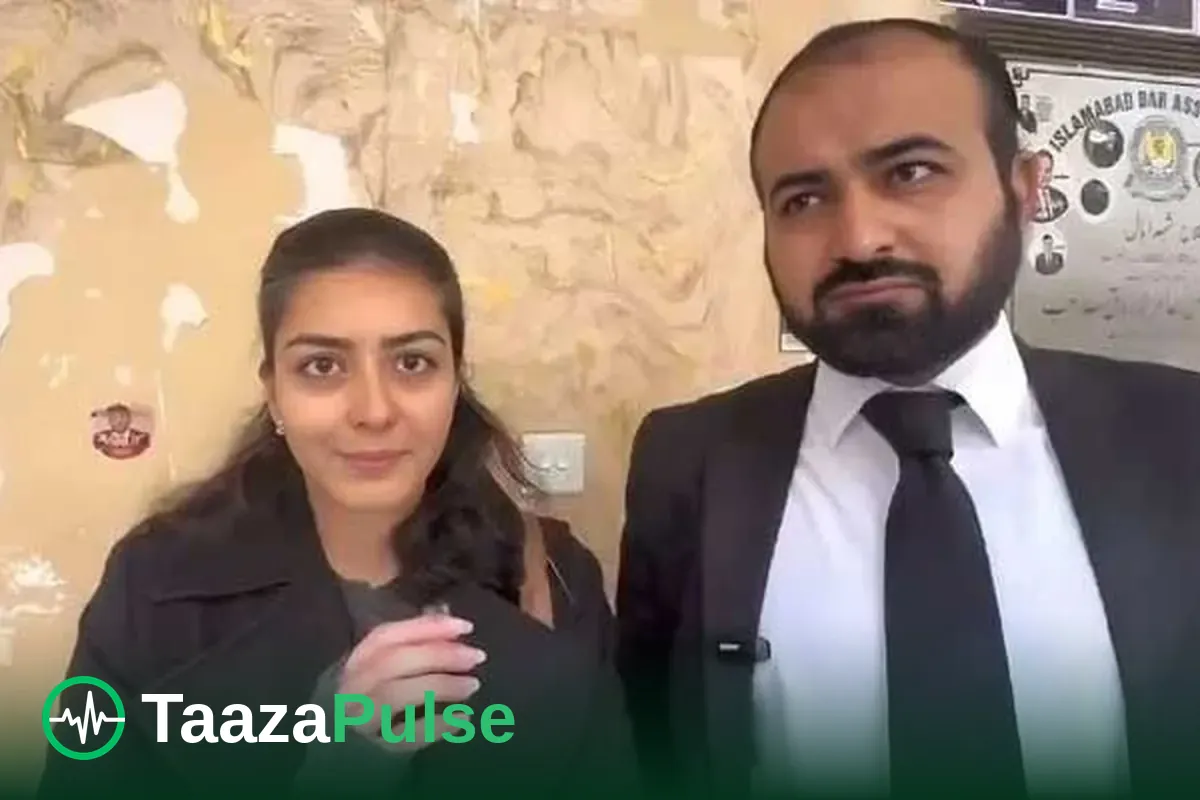
An anti-terrorism court in Rawalpindi has sentenced lawyer and human rights activist Imaan Mazari and her husband, lawyer Hadi Ali Chattha, to ten years in prison each in the security breach case, in a verdict announced at Adiala Jail on Thursday, 29 October 2026. The court also imposed fines on both defendants, and ordered that the sentences under three separate provisions run concurrently, meaning the couple will serve ten years each, with credit for time already spent in custody.
The verdict, announced by Anti-Terrorism Court Judge Tahir Abbas Supra, is the latest and most consequential turn in a legal saga that has run for almost two years, through two separate cases, a seventeen-year sentence that the Supreme Court suspended, a rearrest within hours of bail, and a series of unsuccessful pleas for a postponement that were still pending before the superior courts when the judge delivered his decision. The case itself concerns allegations from October 2024 that the couple removed security barriers and interfered with official duties during the visit of an international cricket team. The defence has consistently disputed the prosecution's case, and the couple have described the proceedings against them as retaliatory measures for their human rights work.
What the court decided
According to the court's order as reported by The News and other outlets, the couple were sentenced to ten years' imprisonment each under the Anti-Terrorism Act, 1997, with a fine of Rs100,000 each. Under Section 353 of the Pakistan Penal Code, which deals with assault or criminal force to deter a public servant from discharging a duty, each received two years' imprisonment and a fine of Rs50,000. Under Section 186, which deals with obstructing a public servant in the discharge of public functions, each received one year and a further fine of Rs50,000.
Added together, the sentences under the three provisions total thirteen years for each defendant. But the court ordered that the sentences run concurrently rather than consecutively, and granted the couple the benefit of Section 382-B of the Code of Criminal Procedure, which allows time already spent in custody in connection with the offence to count towards the sentence. The practical result, as reported, is that Mazari and Chattha will serve ten years each. The verdict was announced at Adiala Jail in Rawalpindi, where the trial had been conducted, rather than in an open courtroom in the city.
Addressing the defendants, the judge noted that the prosecution had presented seven witnesses during the trial. The court had indicted the couple on 7 October, in a case registered on 25 October 2024 at Aabpara Police Station in Islamabad. A state counsel had been appointed to represent the defendants, and state counsel Atif Mahmood cross-examined the prosecution witnesses. The trial moved quickly from indictment to verdict, in a matter of weeks, and that speed is itself part of what the defence has challenged.
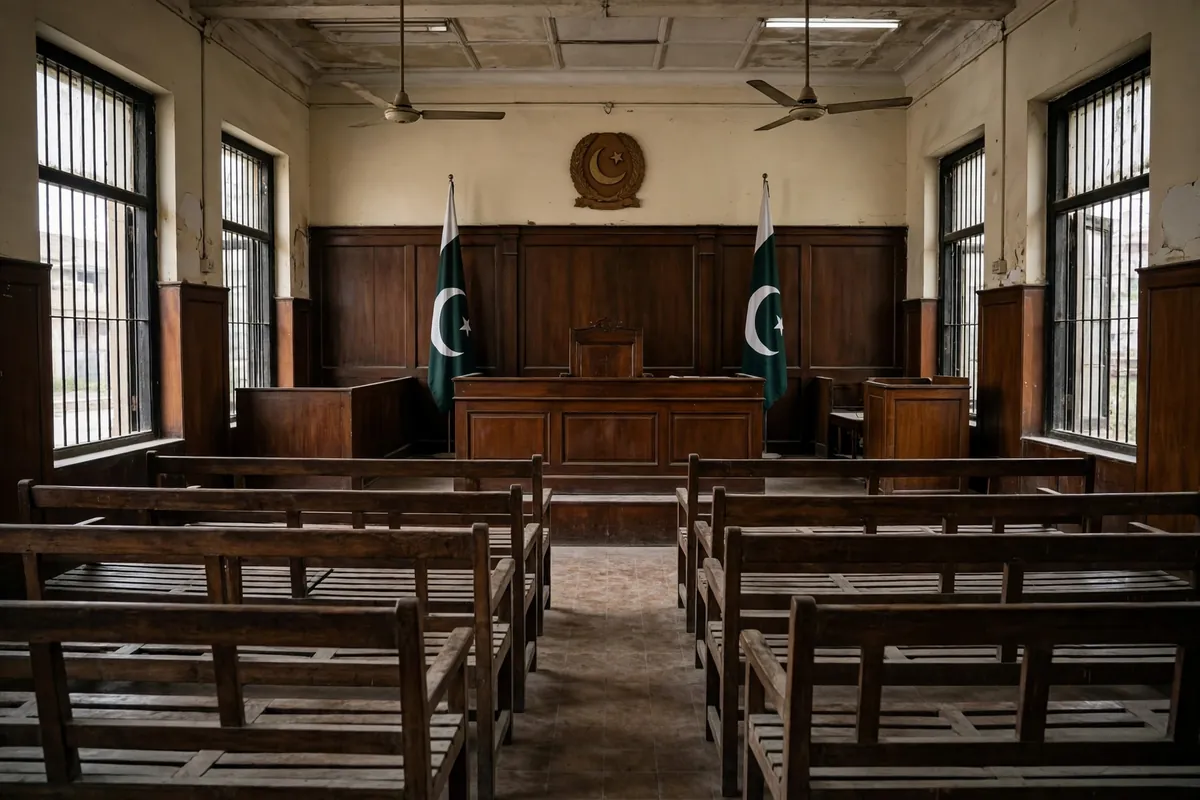
The case: barriers, a cricket visit, and October 2024
The case registered in October 2024 stems from allegations that the lawyer couple posed a security risk by interfering in state affairs during the visit of an international cricket team. Security arrangements for visiting teams in Pakistan are extensive, involving road closures, barriers and heavy police deployment, and the prosecution's case is that Mazari and Chattha removed barriers from roads and interfered with government affairs in that context.
The precise sequence of events in October 2024 remains contested, and the reporting of the verdict does not settle it. What is not in dispute is the shape of the prosecution's case as it reached the court: a barrier-removal and interference allegation, pursued under both the Anti-Terrorism Act and the Pakistan Penal Code, with seven witnesses called by the prosecution and the defence represented by state counsel after the couple's own legal team pursued challenges to the proceedings in the higher courts.
That last detail matters, because it frames the central procedural complaint in the case. The defence argued that the trial should not have proceeded at the pace it did while fundamental questions about its legality were still before the Islamabad High Court and the Supreme Court. The court, however, proceeded to judgment, and the verdict now stands as the operative decision unless and until it is set aside or modified on appeal.
The postponement plea — and why it failed
Before the verdict, the couple's lawyer, Aimal Mandokhail, sought a postponement, arguing that their petitions were still pending before the Supreme Court and the high court. "The decision should be postponed until the petitions pending before the Supreme Court and high court are decided," he told the court. He further argued that the court could not legally announce its decision while those applications remained under consideration, and that the defence's application seeking the transfer of the case was also pending before the high court.
The argument drew on a longer chain of litigation. The defence had challenged various orders of the anti-terrorism court before the Islamabad High Court and subsequently the Supreme Court, seeking the fundamental constitutional right to a fair trial under Article 10-A of the Constitution. They had also sought the removal of the anti-terrorism provisions from the case. The Islamabad High Court did not issue a stay order against the proceedings, and the relevant appeals before the Supreme Court could not be scheduled for hearing in time. According to reports of the proceedings, the defence's applications for interim relief were not granted, and the trial continued to its conclusion.
The court was also told, days before the verdict, that the couple had approached the Supreme Court to challenge the Islamabad High Court's order of 19 October refusing to grant them interim relief. The high court had previously heard their appeals against an anti-terrorism court order rejecting their pleas against the framing of charges and the inclusion of terrorism-related provisions, and had said it would decide how to proceed after receiving responses from the parties. None of that stopped the verdict. Following the judgment, the applications filed to secure the right to a fair trial in this case have, in the words of one report, become ineffective — the trial they sought to pause has now produced its verdict, and the forum for challenging it shifts to appeal.
There is a further reported feature of the trial that is likely to feature in any appeal: the media and members of the public were not allowed to enter during the jail trial, according to reports, prompting concern in legal circles and among the parties involved. Jail trials are permitted in Pakistan in certain circumstances, but the exclusion of the public and the press from proceedings against prominent defendants is a sensitive matter, and the defence's fair-trial arguments were built in part around the conditions under which the case was heard.

Two cases, not one — and the seventeen-year sentence that came first
To understand why this verdict has landed with such force, it is necessary to separate it from the other case that has defined the couple's public profile. Mazari and Chattha have been in custody since their arrest on 23 January in a case registered over a protest outside the Islamabad High Court. A day later, on 24 January, a sessions court sentenced them to seventeen years on multiple charges under the Prevention of Electronic Crimes Act, in a case related to controversial social media posts. The prosecution in that case had argued that the posts promoted an anti-state narrative under cybercrime laws.
That seventeen-year sentence did not stand. On 17 September, after months of proceedings, the Supreme Court suspended the couple's sentences in the case related to their social media posts and granted them bail against surety bonds worth Rs200,000 each, until the final decision on the case pending before the Islamabad High Court. The relief, however, was short-lived. Within hours, Islamabad police arrested the couple again in connection with the barrier case, and produced them before an anti-terrorism court. They have remained in custody since, and it is that second case — the security barriers case — that has now produced the ten-year sentences.
The distinction matters for two reasons. First, the couple are not serving two sentences at once: the social media case remains suspended and pending, while the barrier case has now been decided. Second, the sequence — bail granted by the Supreme Court in one case, rearrest within hours in another — is central to the couple's claim that the proceedings against them are connected and retaliatory, a claim the state has not accepted and which the courts have not endorsed. What the record does show is a pattern of rapid movement between forums: arrest, sentence, suspension, bail, rearrest, indictment, verdict, all within ten months.
Mazari, in her statement recorded under Section 342 of the Code of Criminal Procedure — the stage at which an accused person answers the prosecution's case — alleged that she had been rearrested at Adiala Jail after being subjected to violence despite securing bail from the Supreme Court. That allegation, like the couple's broader claim that the cases against them are retaliatory measures for their human rights work and provision of free legal services, is a matter of record in the proceedings, and it will form part of the public debate around the verdict even though it did not prevent it.
Who Imaan Mazari and Hadi Ali Chattha are
Mazari is a lawyer and human rights activist, the daughter of former federal minister Shireen Mazari, and a prominent voice on enforced disappearances, civil liberties and the rights of marginalised communities. Chattha is also a practising advocate. The couple's work — representing people who often cannot afford lawyers, speaking publicly about state overreach, and litigating civil liberties cases — is precisely what their supporters say has made them targets, and what their critics say has placed them in confrontation with the state.
That profile explains why the verdict has drawn attention well beyond the courtroom. For supporters, the case is about the space for dissent and for lawyers who take on unpopular causes. For the prosecution, it is about security arrangements during a high-profile international visit, and about whether barriers put up to protect visitors can be removed with impunity. The court, in its verdict, has answered the second question in the prosecution's favour, on the evidence of seven witnesses, under provisions that include the anti-terrorism law. The first question — about the broader context — is not one a trial court decides, and it will continue to be argued in public and, through appeal, in the higher courts.
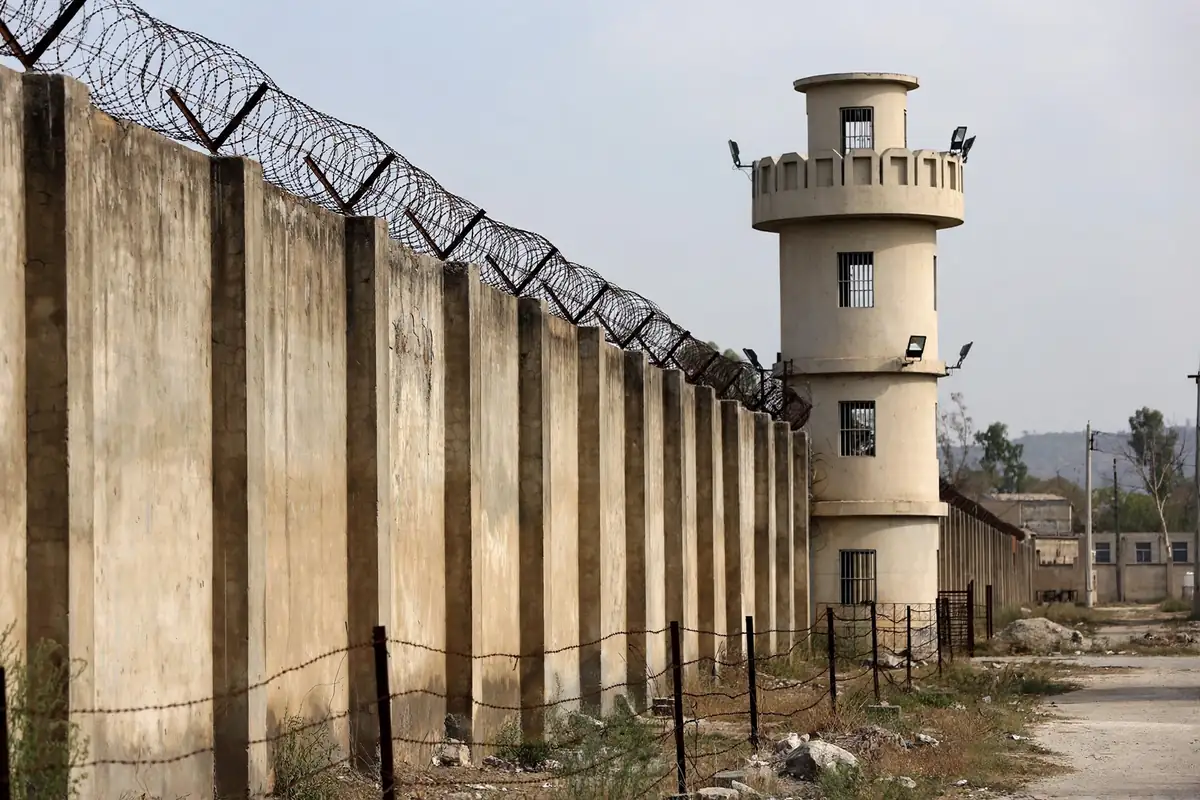
What happens next
The immediate next step is appeal. The verdict of an anti-terrorism court can be challenged before the high court, and the couple's legal team has already shown, through its repeated approaches to the Islamabad High Court and the Supreme Court, that it will litigate at every available level. An appeal would be expected to revisit the issues the defence raised before the verdict: the inclusion of terrorism provisions in a barrier-removal case, the framing of charges, the appointment of state counsel, the conditions of the jail trial, and the refusal of interim relief while petitions were pending.
There is also the question of custody. The couple have been in custody since January, with a brief interval of Supreme Court bail in September that ended in rearrest the same day. The benefit of Section 382-B means the time they have already spent in custody in connection with this offence will count towards the ten years. But the practical effect of the verdict is that, unless an appellate court suspends the sentences or grants bail pending appeal, they will remain in prison while the appeal is heard.
Beyond the courtroom, the verdict lands in a political moment in which the space for lawyers, journalists and activists is already a subject of intense debate. It follows, within days, the resignation of a senior high court judge who cited the erosion of judicial independence, and it comes while Khyber Pakhtunkhwa is under emergency and governor's rule, with its former chief minister in detention and facing his own criminal case. None of those matters is legally connected to this verdict, but together they form the backdrop against which it will be read — and against which the appeal, when it comes, will be watched.
For now, the facts are these: a Rawalpindi anti-terrorism court, sitting at Adiala Jail, has sentenced Imaan Mazari and Hadi Ali Chattha to ten years each, with fines, in the security breach case, with all sentences running concurrently. The defence sought a postponement until the superior courts had decided their pending petitions; the court proceeded to judgment. The couple say the cases against them are retaliatory. The prosecution's case, built on seven witnesses, has prevailed at trial. The next forum is the appeal — and that, rather than this verdict, will be the final word.
Sources
This report is based on reporting, official statements and documents from:
- The News
- Pakistan Point
- Islamabad Tribune
Frequently Asked Questions
Who sentenced Imaan Mazari and Hadi Ali Chattha, and where?
Anti-Terrorism Court Judge Tahir Abbas Supra announced the verdict at Adiala Jail in Rawalpindi on Thursday, 29 October 2026, after a trial in which the prosecution presented seven witnesses.
What sentences and fines did the court impose?
Ten years each under the Anti-Terrorism Act, 1997, with a fine of Rs100,000 each; two years and Rs50,000 under Section 353 of the Pakistan Penal Code; and one year and Rs50,000 under Section 186. The sentences run concurrently, so the couple serve ten years each, with credit under Section 382-B for time already spent in custody.
What was the case about?
A case registered on 25 October 2024 at Aabpara Police Station, alleging that the couple removed security barriers and interfered with official duties during the visit of an international cricket team. Charges were framed on 7 October, and the defence was represented by state counsel.
Why did the defence's postponement plea fail?
Lawyer Aimal Mandokhail argued the verdict should wait until petitions pending before the Supreme Court and the Islamabad High Court — including a transfer application — were decided. The Islamabad High Court had not issued a stay, and its 19 October order refusing interim relief was itself challenged in the Supreme Court, but the trial proceeded to judgment.
Is this the same as the 17-year social media sentence?
No. In January the couple were sentenced to 17 years under the Prevention of Electronic Crimes Act over social media posts. On 17 September the Supreme Court suspended those sentences and granted bail, but police rearrested them within hours in the barrier case. That case has now been decided; the social media case remains suspended and pending.
What happens next?
The verdict can be challenged on appeal before the high court, where the defence is expected to revisit the terrorism provisions, the framing of charges, the jail-trial conditions and the refusal of interim relief. Unless an appellate court suspends the sentences or grants bail pending appeal, the couple remain in prison while the appeal is heard.