Emergency in Khyber Pakhtunkhwa: Governor's Rule, a Detained Chief Minister and the Fight Ahead
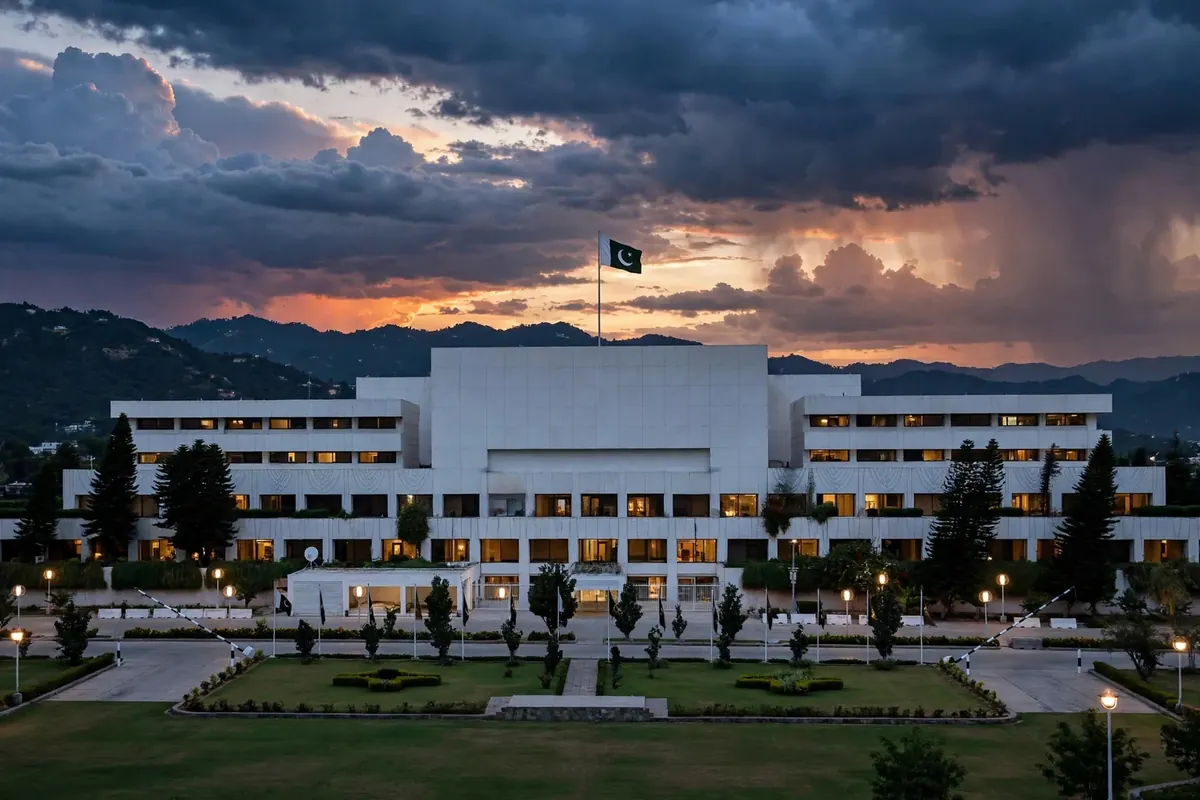
Khyber Pakhtunkhwa is being run from the Governor House. On 11 October, President Asif Ali Zardari — acting on the advice of Prime Minister Shehbaz Sharif and his cabinet — proclaimed a state of emergency and governor's rule in the province, suspending the elected Pakistan Tehreek-i-Insaf government, detaining its chief minister and deploying the army. Nearly three weeks on, the move faces a court challenge, a parliamentary reckoning and a widening political fight that pulled in Maulana Fazlur Rehman this week. This is the full story: what happened, what each side says, and what happens next.
How it unfolded: a march, a cabinet meeting, a proclamation
The confrontation had been building for months. The PTI, which has governed Khyber Pakhtunkhwa for thirteen years, had been negotiating with the federal government over the prison conditions of its founder, former prime minister Imran Khan — jailed since August 2023 — and demanding his release. When the talks stalled, the party called a march on Islamabad. Originally scheduled for 27 September, the march was postponed to 4 October to allow further negotiations. When those failed too, thousands of PTI supporters began moving from Khyber Pakhtunkhwa towards the capital to press their demands.
Islamabad prepared the way it has prepared for every recent march: shipping containers across the main access routes and a government declaration that the demonstrators would not be allowed to enter the capital. Prime Minister Shehbaz Sharif convened an emergency meeting of the federal cabinet. On 11 October, on the cabinet's advice, President Zardari proclaimed emergency and governor's rule in the province. The Pakistan Army was deployed to Khyber Pakhtunkhwa the same day and, according to the government's plan, will remain for the duration of the emergency arrangement.
Who runs the province now — and for how long
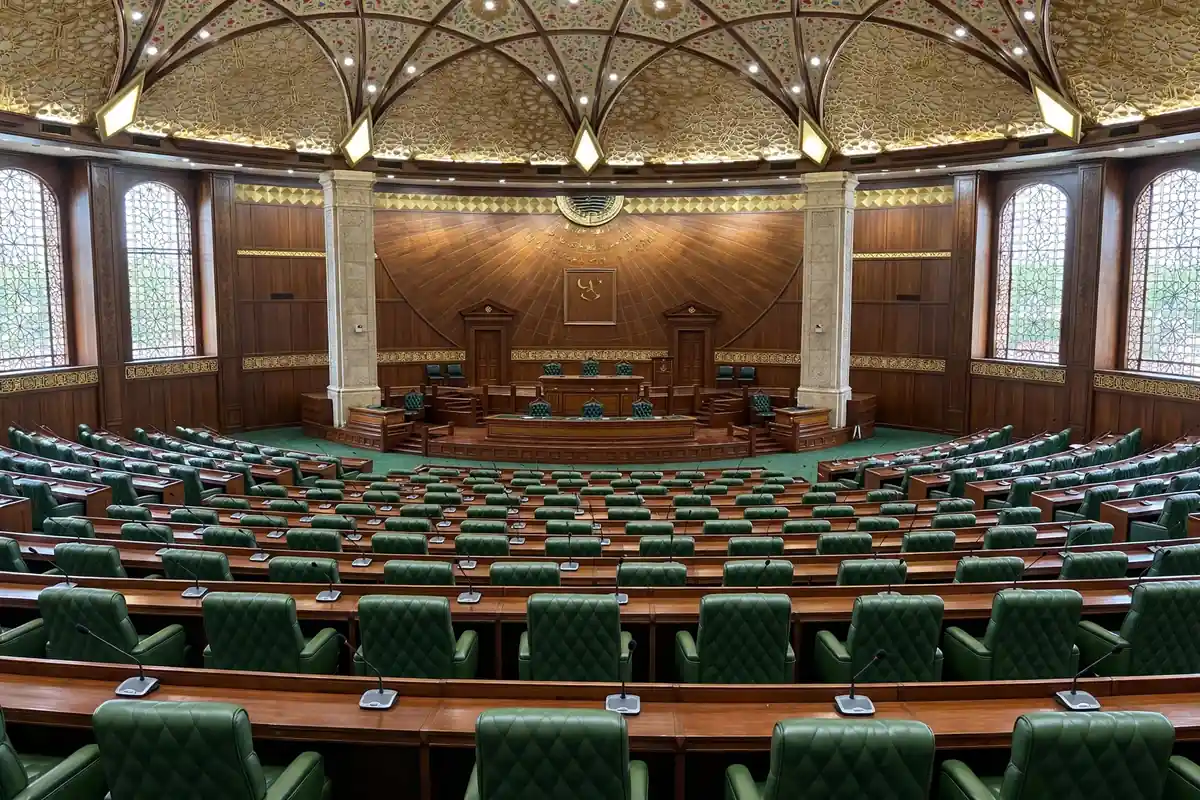
The elected provincial government stands suspended. In its place, Governor Faisal Karim Kundi has taken charge of the province's administration. Law Minister Azam Nazeer Tarar told a news conference in Islamabad that the governor will take charge with an advisory council, and that the arrangement will initially be in place for six months. Parliamentary Affairs Minister Dr Tariq Fazal Chaudhary later clarified the government's position: governor's rule is scheduled for six months, while the emergency measures themselves apply only to designated areas — the opposition says twelve districts are covered by the emergency proclamation.
The government's stated reason is security. The Prime Minister's Office said the move followed the provincial government's "deliberate disengagement from the fight against terrorism", and the presidency's declaration cited an unprecedented intensity of terrorist violence threatening the lives and property of citizens. Federal ministers argue that the province, which borders Afghanistan and has carried the heaviest burden of the militancy of the last two decades, could not be left in the hands of an administration they accuse of abandoning counterterrorism. The government relied on two constitutional provisions: Article 232, which allows the president to proclaim an emergency, and Article 234, which covers a situation in which a provincial government cannot be carried on in accordance with the Constitution.
The detentions: a chief minister in custody
The most extraordinary element of the takeover is the fate of the elected chief minister. Sohail Afridi, who led the PTI government in the province, was detained as the emergency was imposed — the Human Rights Commission of Pakistan dates his detention to 12 October — along with senior party figures including the PTI's provincial president Junaid Akbar and provincial assembly speaker Babar Saleem Swati. A senior PTI leader, speaking from hiding, told reporters the government was "sort of willing to say [Afridi] is in protective custody" but was not willing to produce him before a court or give evidence of where he is — "the chief executive of a province of 45 million people", as the leader put it.
The PTI's answer: 'a coup disguised as emergency'
The PTI has rejected the entire arrangement. Party chairman Gohar Ali Khan categorically rejected both the emergency and governor's rule, calling them a pretext for political victimisation rather than a genuine security measure, and pointing out that the move came as the party was preparing major protests demanding Imran Khan's release. Zulfikar Bukhari, a party spokesperson and aide to Khan, described the government's move as "more of a coup disguised as emergency" and warned it would cause further instability. The party and constitutional experts are challenging the legality of the imposition in the Peshawar High Court. Lahore-based constitutional lawyer Asad Jamal has argued that the proclamation failed to meet the constitutional standards required to justify it, and that citing terrorist incidents alone was not sufficient.
The Human Rights Commission of Pakistan has weighed in with the strongest institutional criticism so far. The HRCP condemned the emergency and governor's rule, called the detention of the elected chief minister a "grave affront to democratic norms", and demanded the immediate release of all arbitrarily detained individuals, the lifting of the emergency and the restoration of the provincial assembly. It expressed concern over reports of police raids targeting PTI workers in Peshawar, Swat and Khyber, and over arrests of women PTI workers in Punjab, describing the developments as part of a wider crackdown on political activity. Counterterrorism operations, the commission said, must remain within the framework of the law: detainees must be informed of the grounds for their detention, given access to lawyers and family, and presented before a court within the legally prescribed timeframe. Force alone, it warned, has repeatedly failed to deliver lasting peace.
This week's escalation: Fazlur Rehman enters the fight
The dispute widened further on 28 October, when Jamiat Ulema-i-Islam-Fazl chief Maulana Fazlur Rehman accused the government of "misusing" the Constitution in imposing emergency and governor's rule, as Dawn reported. Fazl — himself a Khyber Pakhtunkhwa politician whose party has deep roots in the province — said he had attempted to mediate between the opposition and the federal leadership, and that after his discussions with Prime Minister Shehbaz Sharif, Deputy Prime Minister Ishaq Dar informed him the cabinet had rejected compromise and insisted on governor's rule. He challenged the central government's law-and-order claims, citing incidents in Balochistan, and called for a new Charter of Democracy to prevent unconstitutional actions and rising political friction. His party, he said, is prepared to politically resist federal overreach rather than submit to forced governance.
The government answered through Dr Tariq Fazal Chaudhary, who defended the Centre's decision and accused the detained chief minister of deploying provincial resources to march on Islamabad and of supporting terrorists. Dawn's reporting on the exchange noted that the emergency enforcement in the province has deepened political divisions between the Centre and the opposition parties, and that parliamentary tolerance is under visible strain.
A province that has been here before
Emergency rule is not new to Pakistan, and neither is the argument now raging around it. The constitution's emergency provisions have been invoked repeatedly in the country's history — most sweepingly in the nationwide emergency of 2007 — and provinces have been placed under governor's rule before, including Balochistan in 2013, when the elected government was removed after sectarian attacks in Quetta and the governor took charge for a period. Each time, the same two questions followed: whether the security justification was genuine, and whether an unelected arrangement could restore what an elected government could not. Khyber Pakhtunkhwa's case is sharper than most precedents, however, because the removed government belongs to the party of the country's most prominent imprisoned politician, because its chief minister is himself in custody, and because the province in question is the frontline of the militancy the emergency claims to answer. That combination is why constitutional lawyers, rights bodies and opposition parties are treating this proclamation as a test case for the federation itself, not merely a provincial law-and-order measure.
What happens next: parliament, the courts and local polls
Three processes will now decide how long this arrangement lasts. First, the constitution requires an emergency proclamation to be laid before parliament, so lawmakers in Islamabad will have the final word in the coming days — the governing coalition's numbers make approval likely, but the debate will be the opposition's largest platform yet on the issue. Second, the Peshawar High Court is hearing the legal challenge to the proclamation itself; a ruling against the government on the constitutional questions would unravel the arrangement entirely. Third, the Election Commission has ordered local government elections to be prepared in 23 of the province's districts, while holding back the twelve districts covered by the emergency arrangement — a signal that electoral politics in most of the province is expected to continue even under governor's rule.
Meanwhile, the new administration has begun to govern — and to set its own agenda. Six days after assuming charge, Governor Kundi said the province would extract and sell its mineral resources, specifically referring to districts including Lakki Marwat, Tank and Bannu, and called for joint ventures with domestic and foreign companies to develop the province's oil and gas reserves. The province is rich in natural resources — natural gas, copper, chromite, lead, emeralds, marble, limestone and coal — and produces up to half of Pakistan's total daily domestic crude oil output, which is why control of its resources carries a significance well beyond the constitutional argument.
For the people of Khyber Pakhtunkhwa, the questions are immediate: whether the security situation the emergency was meant to fix actually improves, whether an unelected administration can run a province of 45 million for six months, and whether the country's newest political crisis ends in a courtroom, in parliament — or back on the road to Islamabad. TaazaPulse will follow each development as it is confirmed.
Frequently Asked Questions
Why was governor's rule imposed in Khyber Pakhtunkhwa?
The federal government says the provincial government had deliberately disengaged from the fight against terrorism while the province faced an unprecedented intensity of terrorist violence. On the advice of Prime Minister Shehbaz Sharif and his cabinet, President Asif Ali Zardari proclaimed emergency and governor's rule on 11 October, relying on Articles 232 and 234 of the Constitution.
Who is running Khyber Pakhtunkhwa now, and for how long?
Governor Faisal Karim Kundi has taken charge of the provincial administration. Law Minister Azam Nazeer Tarar said the governor will work with an advisory council and that the arrangement is initially in place for six months; the government says the emergency measures themselves apply only to designated areas — twelve districts, according to the opposition.
What happened to Chief Minister Sohail Afridi?
Afridi was detained as the emergency was imposed — the Human Rights Commission of Pakistan dates his detention to 12 October — along with PTI provincial president Junaid Akbar and assembly speaker Babar Saleem Swati. The PTI says he has not been produced before a court and describes his custody as unconstitutional; a senior party leader said the government calls it protective custody.
What has the PTI said about governor's rule?
PTI chairman Gohar Ali Khan categorically rejected both the emergency and governor's rule as a pretext for political victimisation, noting the move came as the party prepared protests demanding Imran Khan's release. Party spokesperson Zulfikar Bukhari called it 'more of a coup disguised as emergency'. The party has challenged the proclamation in the Peshawar High Court.
What did the Human Rights Commission of Pakistan say?
The HRCP condemned the emergency and governor's rule, called the detention of the elected chief minister a 'grave affront to democratic norms', and demanded the immediate release of arbitrarily detained people, the lifting of the emergency and the restoration of the provincial assembly. It also raised concerns over raids on PTI workers in Peshawar, Swat and Khyber and arrests of women workers in Punjab.
What happens next in the KP emergency?
Three tracks will decide the arrangement's future: parliament must approve the emergency proclamation, and lawmakers will debate it in the coming days; the Peshawar High Court is hearing the constitutional challenge; and the Election Commission has ordered local government elections to be prepared in 23 districts while holding back the twelve districts covered by the emergency.