Netflix's Pride and Prejudice Trailer Introduces Emma Corrin's Elizabeth Bennet
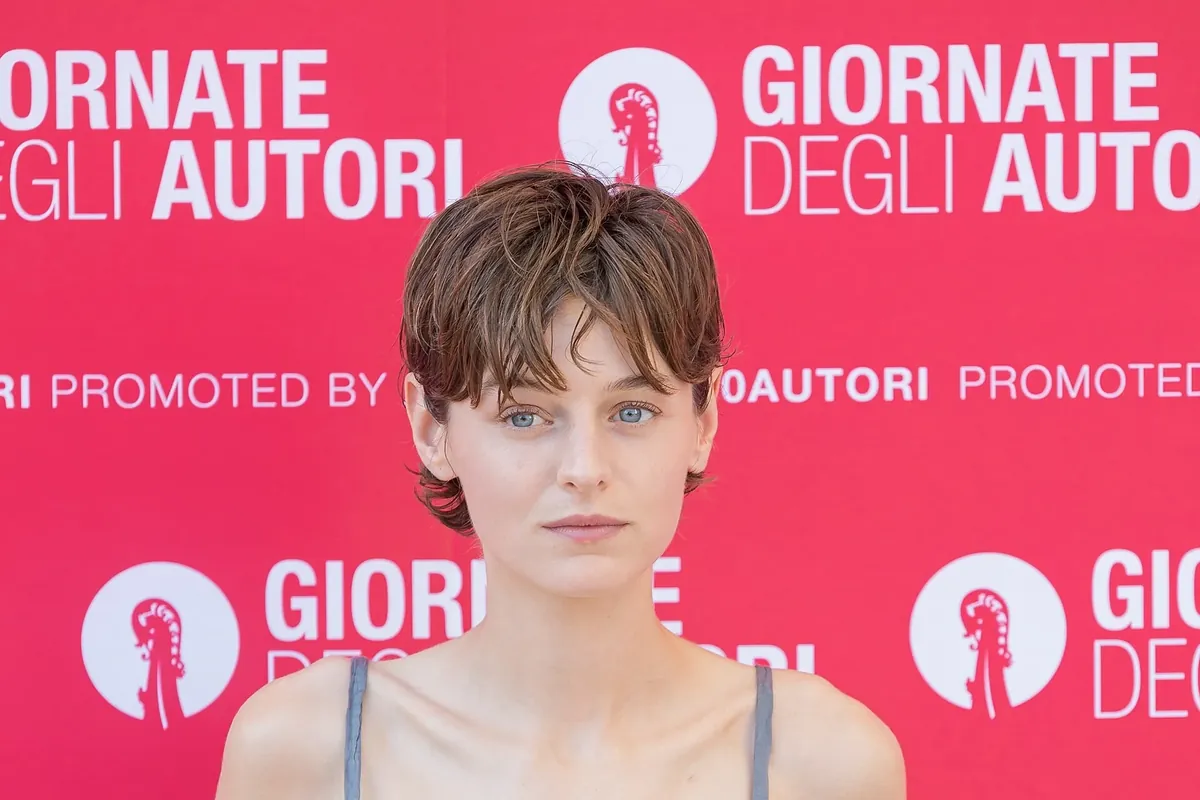
Netflix has released the first full trailer for its new Pride and Prejudice — and in Pakistan, as in Britain, the search for Emma Corrin surged within hours. The six-part limited series, written by Dolly Alderton and directed by Euros Lyn, arrives in full on 3 December 2026, with Corrin as Elizabeth Bennet opposite Jack Lowden's Mr Darcy. The trailer, unveiled on Wednesday 28 October, is the first extended look at a production that has carried two centuries of expectation since it was announced: the most filmed novel in English, attempted again, by the generation that grew up quoting it.
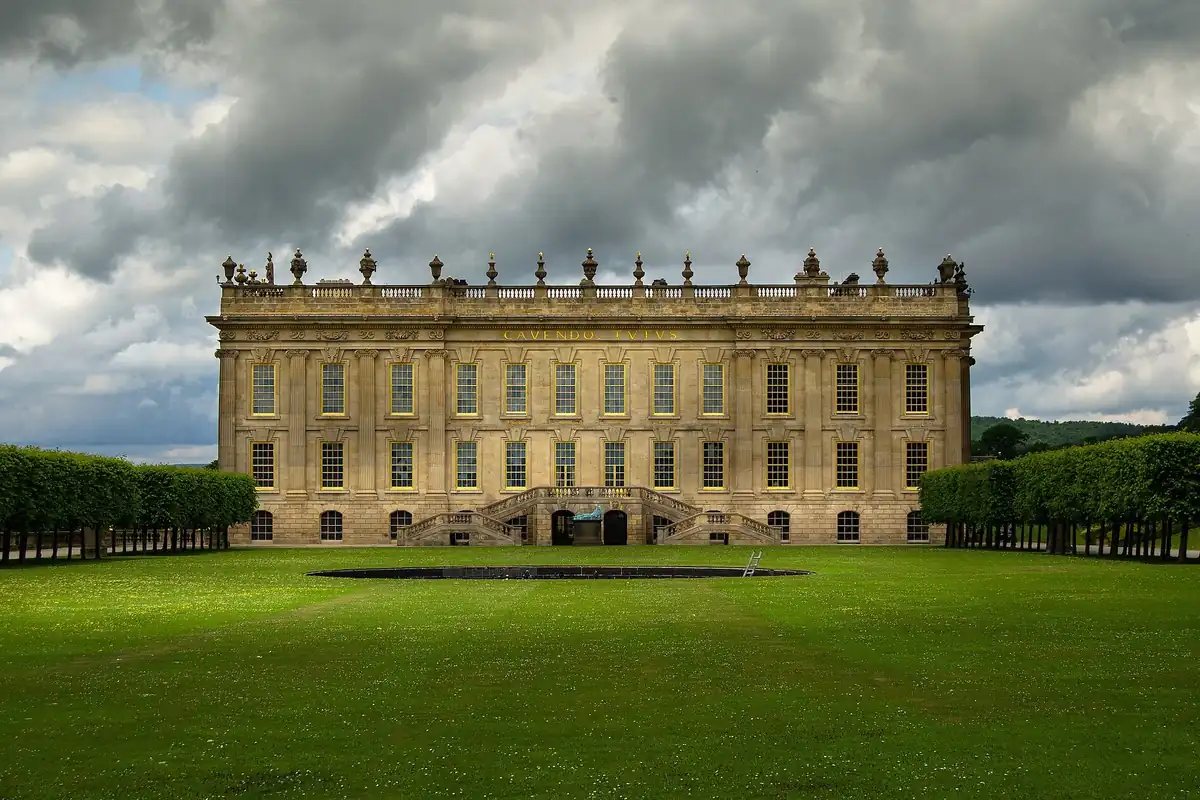
The clip opens quietly, and that quiet is the point. Corrin's Lizzie and Freya Mavor's Jane Bennet are stretched out on a rooftop, talking about where their lives are headed. "One day, Jane, I shall be either a governess and a spinster, or a wife and a mother," Lizzie says. "And then finally, we may talk about something else." It is a smaller, more breathing entry point than the ballroom scramble most adaptations open on — a version that seems to want to sit with the Bennet sisters before it swoons over them. From there the trailer widens: Longbourn's rowdy household, a glimpse of Pemberley, and the slow-burn glances between Lizzie and Darcy that are the whole engine of the story.
The cast, from Mrs Bennet to Lady Catherine
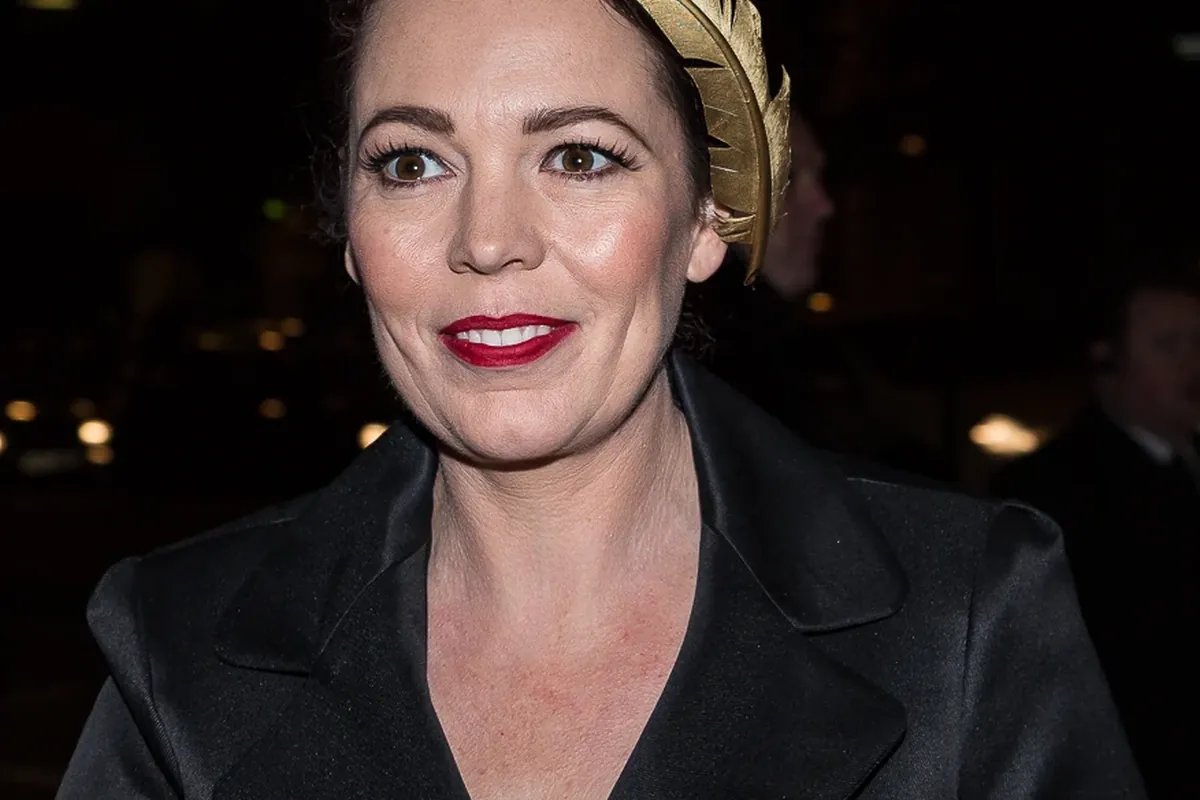
The ensemble is the trailer's second argument. Olivia Colman plays Mrs Bennet in full nervous-energy mode, delivering the novel's most quoted line — "It is a truth universally acknowledged, that a single man in possession of a good fortune, must be in want of a wife" — as the engine of the household's marriage campaign. Rufus Sewell plays Mr Bennet, kept almost silent in the trailer until Colman's closing jab about why he has to make everything so dramatic. Freya Mavor is Jane, the older sister and confidante; Hollie Avery, Rhea Norwood and Hopey Parish play Kitty, Lydia and Mary. Daryl McCormack is Mr Bingley, Louis Partridge the charmingly deceptive Mr Wickham, Jamie Demetriou Mr Collins, and Fiona Shaw appears as Lady Catherine de Bourgh, glimpsed in a carriage dressed head to toe in black.
Corrin, who won a Golden Globe for playing Diana, Princess of Wales, in the fourth season of The Crown, is the casting around which the whole production turns. Lizzie Bennet is one of the few roles where the audience arrives with a performance already in its head — for one generation Jennifer Ehle in the BBC's 1995 series, for another Keira Knightley in the 2005 film — and Corrin's version, judging by the trailer, leans into wit and restlessness rather than period prettiness. Lowden, known for Slow Horses and Dunkirk, plays Darcy with the reserve the role demands; the trailer's most telling choice is how little he says, letting the yearning do the work that dialogue, in Austen, usually does.
What Alderton says she is doing with Austen
Alderton, the author of Everything I Know About Love, told Netflix's Tudum that her adaptation remains faithful to Austen's original text, but that the six-episode miniseries format allows a deeper look into plotlines and characters the famous adaptations have had to hurry past. "Pride and Prejudice is such a timeless story because of the emotions in the book; they are as pertinent now as they were in 1812," she said. "Embarrassment of your family, fear that you're going to get left behind, fear that the world is not going to be a safe place for your children as it was for you, mortification that you judged someone incorrectly or that you had been misjudged. We go to that book to see our hearts reflected in it."
That framing matters because it answers the only question a new Pride and Prejudice has to answer: why again? The 1995 BBC series, six episodes itself, is still the version purists cite; the 2005 film, two hours of muddy hems and golden light, is the version a generation fell in love with. A new version earns its place not by outdoing either on fidelity but by finding the parts of the novel neither had room for — the younger sisters as people rather than punchlines, the economics of the entail as a lived anxiety rather than a plot device, the sheer embarrassment of family that Alderton names first among the book's emotions. The trailer's rooftop opening suggests exactly that emphasis: sisters talking, before suitors arrive.
The production behind the trailer
The series is produced by Lookout Point, part of BBC Studios, with Euros Lyn directing — a director whose credits include Heartstopper, which gives a clue to the tone Netflix is aiming for: emotional directness inside a period frame, rather than heritage stiffness. All six episodes land on Netflix simultaneously on 3 December, the binge model rather than the weekly appointment viewing the BBC version enjoyed in 1995. For viewers in Pakistan, where Netflix carries the series as part of its global slate, the release date is the same day as everywhere else — one reason the trailer travelled so fast in search here.
The trailer itself runs two minutes and nineteen seconds, and its construction is worth noting: it withholds the proposal, withholds the first dance's payoff, and spends its longest stretch on the Bennet household in chaos — the version of the story that belongs to the sisters, not the suitors. That is a marketing choice, but it is also a thesis about the adaptation. The famous scenes will come; the trailer bets that audiences will come for the family.
Why this adaptation lands differently in 2026
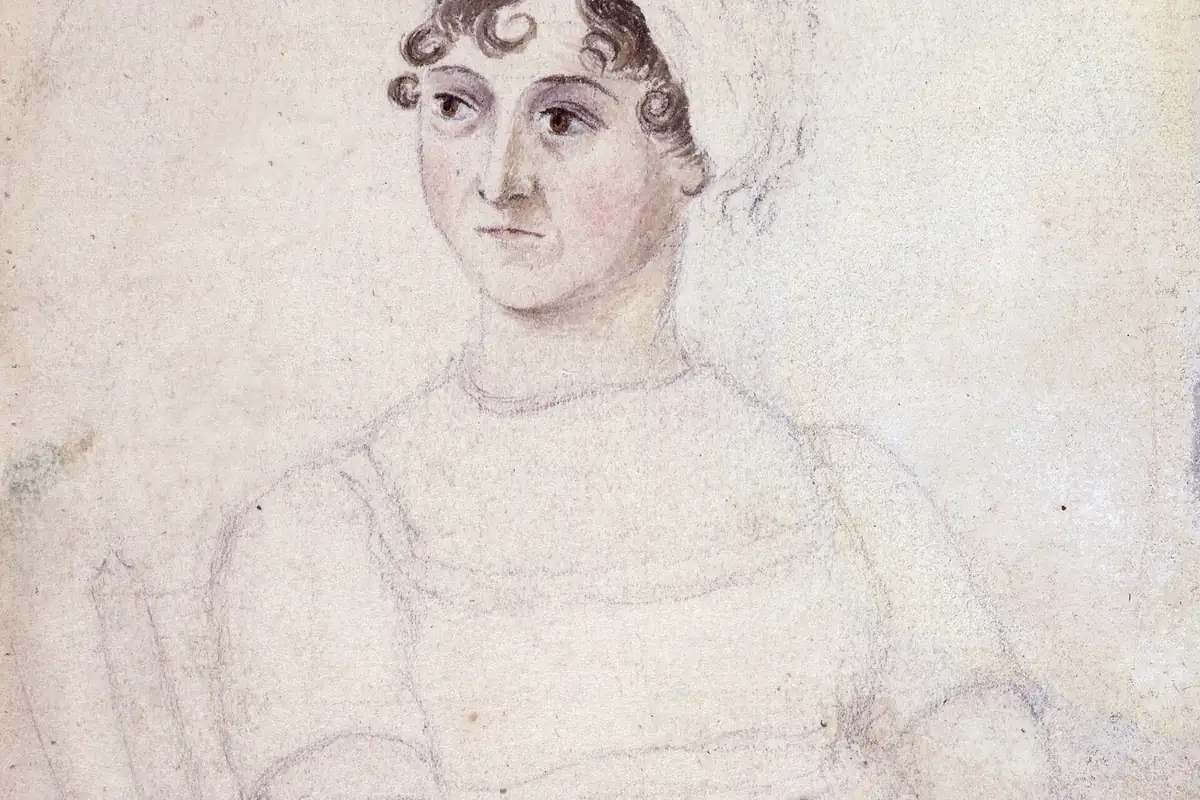
Pride and Prejudice has survived two hundred years of adaptation because its central mechanism never dates: a clever woman misjudges a proud man, a proud man misjudges a clever woman, and both have to be embarrassed out of their certainty before they can see each other clearly. What dates is the furniture around it — the carriages, the balls, the entail — and each generation's version succeeds by translating the mechanism into its own anxieties. In 1995 it was fidelity and wit; in 2005 it was romance and weather. In 2026, judging by Alderton's comments and the trailer's emphasis, it is family embarrassment, economic precariousness and the fear of being left behind — anxieties a contemporary audience recognises without a costume drama's help.
There is also a simpler reason the trailer is travelling: the cast. Colman as Mrs Bennet is the kind of casting that sells a series on its own — an Oscar winner playing Austen's most exhausting and most human mother — and the trailer gives her the novel's opening line, which is both a joke and a mission statement. Sewell as the dry, detached Mr Bennet, Shaw as Lady Catherine, Partridge as Wickham: each is a small promise that the supporting roles will not be scenery. If the series keeps that promise across six episodes, it will have done what most Austen adaptations fail to do, which is to make the whole household, not just the two leads, worth watching.
Austen's long screen life
The reason a trailer can move search rankings in Pakistan, a country where Austen is read in school and quoted in drawing rooms far from Hertfordshire, is that Pride and Prejudice has never really left the screen. The BBC's 1995 series made Colin Firth's wet-shirt Darcy a cultural landmark and set the standard for fidelity; Joe Wright's 2005 film answered with mud, weather and a handheld camera, and Keira Knightley's Lizzie became the version a whole generation quotes. There have been Bollywood retellings, modern-dress updates, zombie parodies and stage versions without number. Each one works, when it works, because the novel's plot is a machine for producing misunderstanding — first impressions, wounded pride, letters that arrive too late — and that machine runs in any century.
Netflix's version arrives into a streaming landscape where period drama is no longer a niche: Bridgerton proved that a Regency setting can carry a global audience, and the appetite for literary adaptation has only grown since. The difference here is the source's stature. Austen's readers are protective in a way Bridgerton's viewers are not, and the trailer's restraint — sisters talking on a rooftop, a famous line delivered as a mother's campaign rather than a narrator's pronouncement — reads as a deliberate signal to those readers: this one has read the book, not just the plot summary.
What to watch for on 3 December
Three questions will decide how this version is remembered. First, the pacing: six episodes is roomy, but roomy can also mean baggy, and the BBC's six episodes worked because every scene earned its place. Second, the sisters: whether Kitty, Lydia and Mary emerge as characters with their own arcs, as Alderton's "deeper look" promises, or remain the comic chorus. Third, the ending: Austen's second proposal only works if the first rejection still stings, and the trailer's restraint around Darcy suggests the production knows it.
Until December, the trailer is the whole text — two minutes of rooftop talk, a famous first line, a glimpse of Pemberley, and a release date. It is enough to explain the search surge: a beloved novel, a beloved cast, and a version that looks, on first evidence, like it understands why the book is still read. Elizabeth Bennet has been played many times. On 3 December, Emma Corrin's turn arrives — and the argument about which Lizzie is definitive starts all over again.
Sources
This report is based on reporting, official statements and documents from:
- Netflix
- Netflix Tudum
- BBC Studios / Lookout Point
Frequently Asked Questions
When does Netflix's Pride and Prejudice release?
All six episodes land on Netflix simultaneously on 3 December 2026, the same day worldwide including Pakistan, where Netflix carries the series as part of its global slate.
Who plays Elizabeth Bennet and Mr Darcy?
Emma Corrin plays Elizabeth Bennet and Jack Lowden plays Mr Darcy. Corrin won a Golden Globe for playing Diana, Princess of Wales, in the fourth season of The Crown; Lowden is known for Slow Horses and Dunkirk.
Who else is in the cast?
Olivia Colman plays Mrs Bennet, Rufus Sewell plays Mr Bennet, Freya Mavor is Jane, Daryl McCormack is Mr Bingley, Louis Partridge is Mr Wickham, Jamie Demetriou is Mr Collins, and Fiona Shaw appears as Lady Catherine de Bourgh. Hollie Avery, Rhea Norwood and Hopey Parish play Kitty, Lydia and Mary.
Who wrote and directed the series?
Dolly Alderton, author of Everything I Know About Love, wrote the adaptation, and Euros Lyn directed it. It is produced by Lookout Point, part of BBC Studios. Alderton told Netflix's Tudum that the six-episode format allows a deeper look at plotlines and characters earlier adaptations had to hurry past.
What does the trailer show?
The trailer, unveiled on Wednesday 28 October and running two minutes and nineteen seconds, opens with Corrin's Lizzie and Freya Mavor's Jane talking on a rooftop, widens to Longbourn's rowdy household and a glimpse of Pemberley, and withholds the proposal and the first dance's payoff, spending its longest stretch on the Bennet household in chaos.
How does this version differ from the 1995 and 2005 adaptations?
The 1995 BBC series, six episodes itself, is still the version purists cite for fidelity; the 2005 film, with Keira Knightley's Lizzie, is the version a generation fell in love with. Alderton's version emphasises the younger sisters as people rather than punchlines, the economics of the entail as a lived anxiety, and family embarrassment — the emotions she names first among the book's themes.