Sir Patrick Stewart Dies at 86: Star Trek's Captain Picard and X-Men's Professor X
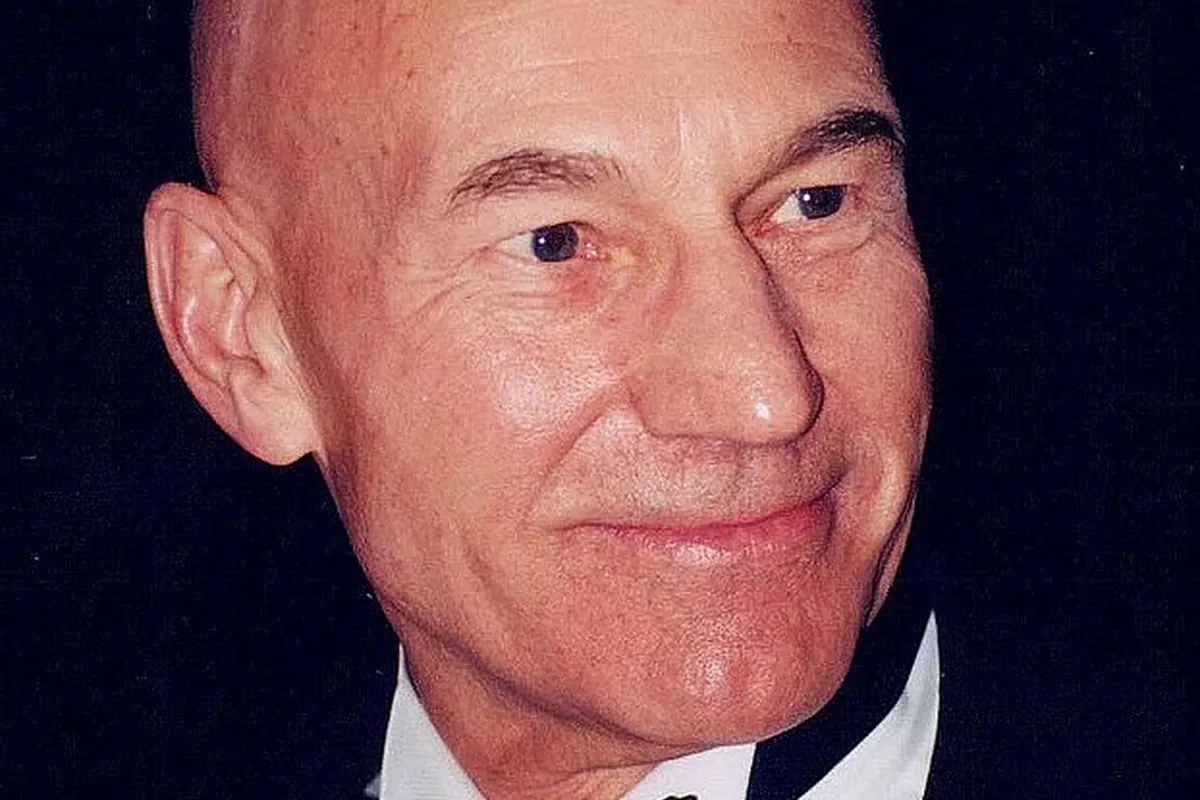
Sir Patrick Stewart, the classically trained stage actor who became one of the most beloved figures in science fiction as Captain Jean-Luc Picard in Star Trek and Professor Charles Xavier in the X-Men films, has died at the age of 86. His family announced the death on Thursday 29 October 2026, saying he died the previous day at his home in Los Angeles, in the care of his wife Sunny, after what they described as a brief and poignant journey with Alzheimer's disease and Lewy body dementia.
Stewart was born in Yorkshire on 13 July 1940 and rose from a working-class childhood to the Royal Shakespeare Company, where he was a member from 1966 to 1982. He spent decades building a reputation as one of Britain's finest Shakespearean actors before television made him famous around the world. He was knighted in 2010 by Queen Elizabeth II for his services to drama, and in later life he became chancellor of the University of Huddersfield, a lifelong supporter of Huddersfield Town football club, and a campaigner against domestic violence, drawing on his own childhood experiences.
It was, however, the bridge of the starship Enterprise that made him a global star. Cast at the age of 47 as Captain Jean-Luc Picard in Star Trek: The Next Generation, a sequel series to the 1960s original, Stewart played the erudite, diplomatic captain for seven seasons from 1987 to 1994, appearing in 176 episodes, and then in four feature films. He returned to the role in 2020 for the streaming series Star Trek: Picard, which ran for three seasons, playing the character into his eighties. "Make it so" and "Engage" became two of the most quoted lines in television history.
Stewart had hesitated before accepting the role. He later recalled that he knew almost nothing about Star Trek when he met its creator, Gene Roddenberry, and that he worried a six-year television contract would end his stage career. Friends told him the show would not last a year. Instead, as he told The Guardian in 2022, the distinction between Picard and Stewart grew thinner with every season, until it was impossible to know where the character left off and the actor began. "So much of what I believed and felt went into that show," he said.
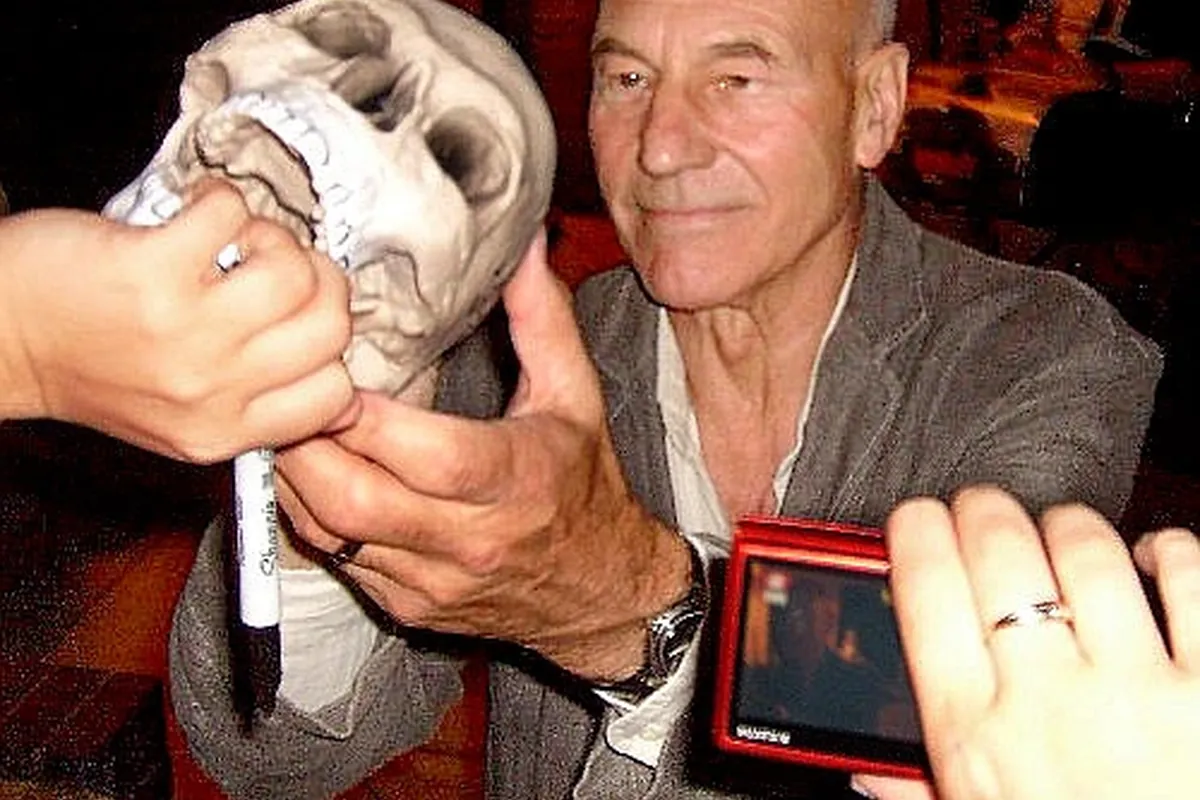
The family statement, posted to Stewart's social media accounts on Thursday, said he had been held in the warm embrace of family and friends, surrounded by live music, prayer, tears and laughter, and that he would be remembered for the dignity, compassion and humanity he brought to every role, in his art and in his life. It described him as a knight, a chancellor, a motor-sport enthusiast and a lifelong Huddersfield fan. Neither the Alzheimer's diagnosis nor the Lewy body dementia had previously been made public, according to reporting of the announcement.
Lewy body dementia is the second most common form of progressive dementia after Alzheimer's disease, according to the Mayo Clinic, and occurs when abnormal protein deposits called Lewy bodies build up in brain cells and damage the parts of the brain that control thinking and memory. It has no known cure, though medicines and therapies can manage symptoms for a time. The announcement did not give further medical detail, and this report does not speculate beyond the family's statement.
Before Star Trek, Stewart had already built a formidable stage and screen career. His first film role came in 1975, in Hedda, a modernised version of Henrik Ibsen's Hedda Gabler. He played King Leondegrance in John Boorman's Excalibur in 1981 and the soldier Gurney Halleck in David Lynch's Dune in 1984. For the BBC he appeared in the filmed Shakespeare cycle of the 1970s and 1980s, playing Enobarbus in Antony and Cleopatra and Claudius in Hamlet, a role he returned to opposite David Tennant in 2009, when he also played the Ghost of Hamlet's father. In 1976 he appeared as the Roman general Sejanus in the celebrated miniseries I, Claudius.
On stage, his Macbeth in London's West End and his one-man A Christmas Carol, in which he played Ebenezer Scrooge and every other character, became landmarks of his career, the latter transferring to Broadway. He was, by training and temperament, a theatre actor first: the Royal Shakespeare Company had been his artistic home for sixteen years, and he returned to the stage throughout his screen career, including acclaimed productions of Hamlet, Macbeth and Waiting for Godot, the last opposite his friend Ian McKellen, who had once advised him to turn Star Trek down and stay in the theatre.
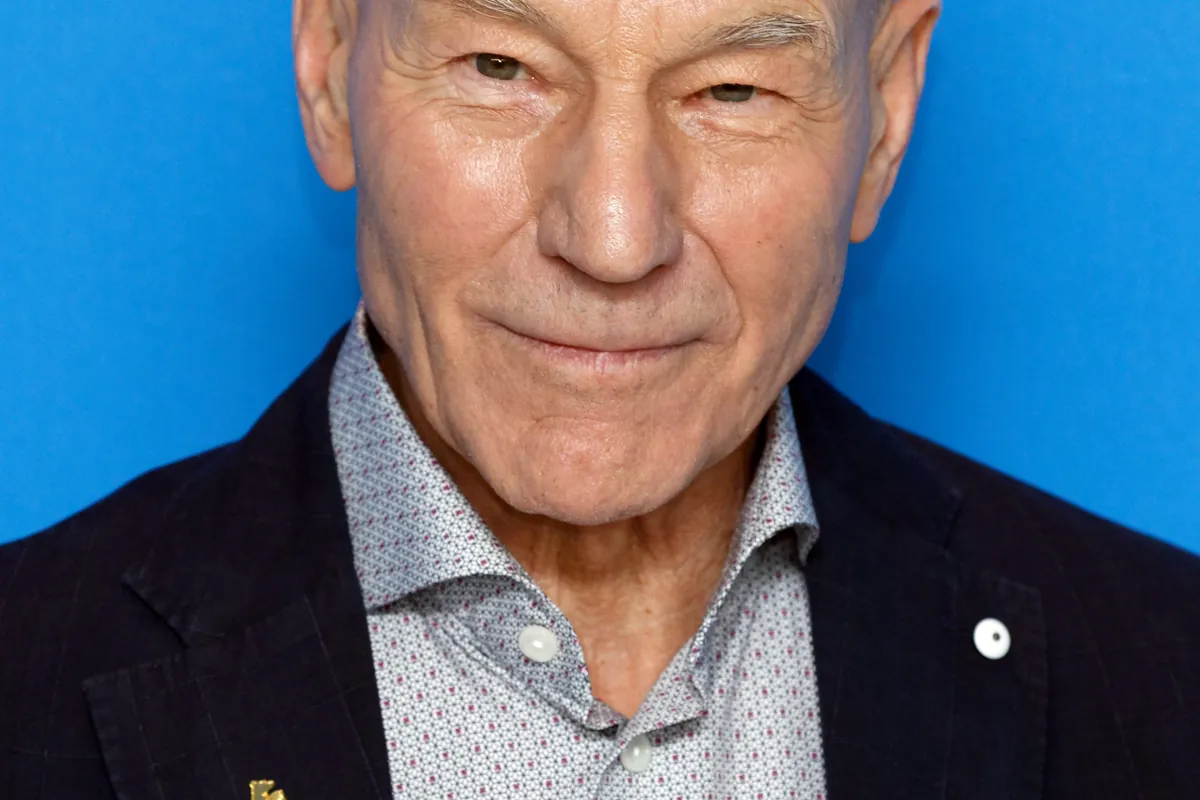
His second screen-defining role arrived in 2000, when he was cast as Professor Charles Xavier, the telepathic founder of the X-Men, in Bryan Singer's X-Men. He played the gentle, principled mutant leader in nine feature films across more than two decades, becoming, for a generation of cinema-goers, the moral centre of the franchise in the same way Picard had been for Star Trek. Reports of his later appearances note that he returned to the role as recently as Marvel's upcoming Avengers: Doomsday, a final bow that now carries a different weight.
Stewart's range extended well beyond the two franchises that defined his fame. He voiced characters in The Simpsons, made self-mocking cameo appearances in Frasier and the BBC's Extras, and built a parallel career as a voice actor in animation and video games, where his sonorous delivery became instantly recognisable. He also became an unlikely social-media star in later life, posting playful videos with his wife and his beloved pit bulls, and speaking openly about his work as a foster carer for the dogs.
The tributes began within hours of the announcement, led by his Star Trek family. William Shatner, who played Captain Kirk in the original series, wrote on X that Stewart was a friend, a colleague and a magnificent actor. "From the stage to the bridge of the Enterprise, he brought intelligence, grace, and a deep sense of humanity to everything he did," Shatner wrote. "Captain Picard stood for the best of us, and so did the man who played him. My heart goes out to Sunny and his family. He will be deeply missed."
Jonathan Frakes, who played Commander William Riker alongside Stewart for seven seasons and directed episodes of the franchise, reposted Stewart's obituary on his Instagram story with the words "Rest in peace my friend." Wil Wheaton, who played the young Wesley Crusher on The Next Generation, posted an old photograph of himself smiling beside Stewart with Stewart's hand over his shoulder, captioned simply: "Godspeed, captain." Marvel figures including studio chief Kevin Feige were also reported paying tribute to the X-Men icon, and the BBC, which had carried the first reports of his death, opened a live page of reaction from across the entertainment world.
What made Stewart's Picard endure, beyond the scripts, was the way the actor's own values shaped the character. Picard was a diplomat before he was a warrior, a man who quoted Shakespeare on the bridge, defended the rights of androids and alien species, and believed that civilisation was measured by how it treated its most vulnerable. Stewart, who had spoken publicly about domestic violence, about the dignity of refugees and about the responsibilities of fame, brought that same moral seriousness to the role, and audiences recognised it. The character's most famous quality was not heroism in battle but judgement under pressure — and patience.
The same quality defined his Xavier. Where other superhero performances leaned on spectacle, Stewart's professor led by persuasion, by the belief that fear could be answered with understanding rather than force. It is a measure of his standing that two franchises built around action and adventure both chose, at their centre, an actor whose greatest gift was stillness: a voice, a pause, a look that suggested a whole inner life.
Stewart is survived by his wife Sunny Ozell, whom he married in 2013, and by his children from his first marriage. Funeral and memorial arrangements had not been announced at the time of writing. For fans, the loss closes a chapter that began in 1987, when a 47-year-old Shakespearean actor took a gamble on a science-fiction sequel that his friends told him would not last a year. It lasted seven seasons, four films and a revival series, and it made Patrick Stewart, in the words of one obituary, the captain of two generations' imaginations. He used to tell interviewers that Picard's chair was the best seat in the house. For millions of viewers, it was.
The tributes will continue for days, from the stage world he never left, from the Star Trek conventions where he was greeted like a returning captain, and from the cinemas where a new generation met him as Professor X. But the simplest epitaph may be the one his castmates reached for first. Godspeed, captain.
Sources
This report is based on reporting, official statements and documents from:
- Reuters — Patrick Stewart, Shakespearean actor turned 'Star Trek' and 'X-Men' star, dies at 86 (29 Oct 2026)
- BBC News — Legendary Star Trek actor Sir Patrick Stewart dies aged 86 (live page)
- USA Today — Patrick Stewart, 'Star Trek' and 'X-Men' icon, dead at 86 (29 Oct 2026)
- The Times — Sir Patrick Stewart obituary: classical actor famed for Star Trek
- The Wall Street Journal — Patrick Stewart, Star Trek's 'Picard,' Is Dead at 86
- Entertainment Weekly — 'Star Trek' cast pays tribute to late costar Patrick Stewart
Frequently Asked Questions
When and how did Patrick Stewart die?
Sir Patrick Stewart died on Wednesday 28 October 2026 at his home in Los Angeles, aged 86, according to a statement from his family posted to his social media accounts on Thursday 29 October. The statement said he died in the loving care of his wife Sunny, following a brief and poignant journey with Alzheimer's disease and Lewy body dementia.
Was Patrick Stewart's illness publicly known before his death?
No. Neither the Alzheimer's diagnosis nor the Lewy body dementia had previously been publicly disclosed, according to reporting of the family announcement. The statement gave no further medical detail, and this report does not speculate beyond what the family said.
What was Patrick Stewart best known for?
Two roles above all: Captain Jean-Luc Picard in Star Trek: The Next Generation (1987-1994, 176 episodes across seven seasons, plus four feature films and the 2020 revival series Star Trek: Picard), and Professor Charles Xavier in the X-Men films, a role he played from 2000 across nine films.
What was Patrick Stewart's stage career?
Stewart was a member of the Royal Shakespeare Company from 1966 to 1982 and built his reputation as one of Britain's finest Shakespearean actors, with acclaimed stage roles including Macbeth, Hamlet and a one-man A Christmas Carol. He was knighted in 2010 by Queen Elizabeth II for his services to drama.
Who paid tribute to Patrick Stewart?
His Star Trek co-stars led the tributes: William Shatner called him a friend, a colleague and a magnificent actor; Jonathan Frakes wrote 'Rest in peace my friend'; and Wil Wheaton posted 'Godspeed, captain.' Marvel figures including studio chief Kevin Feige were also reported paying tribute to the X-Men icon.
What is Lewy body dementia?
Lewy body dementia is the second most common form of progressive dementia after Alzheimer's disease, according to the Mayo Clinic. It occurs when abnormal protein deposits called Lewy bodies build up in brain cells and damage the parts of the brain that control thinking and memory. It has no known cure, though medicines and therapies can manage symptoms for a time.