Mohammad Yousuf Urges Babar Azam to Seek Overseas Coaching Before First-Class Cricket
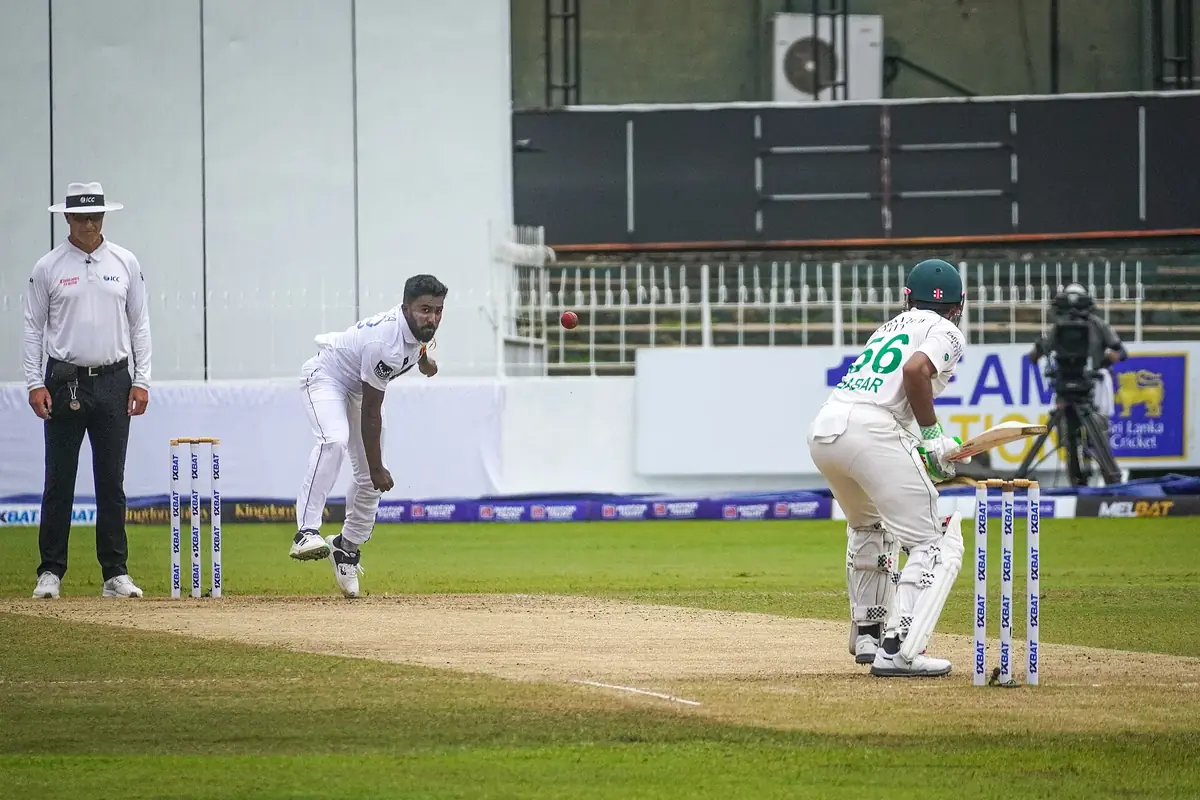
Former Pakistan captain Mohammad Yousuf has told Babar Azam, in public and in blunt terms, to stop playing first-class cricket until he fixes his batting — and to go to a specialist academy in England or Australia instead. In a post on X on Sunday 1 November 2026, Yousuf warned that struggling through domestic cricket with unresolved technical problems risks doing further damage to Babar's confidence and career, and he appealed to those in charge of Pakistan cricket to listen this time, saying he had made the same suggestion four years ago and nobody had acted on it. The intervention landed the day after Pakistan won the home tri-series final against Sri Lanka — a tournament victory in which Babar, once again, did not make a significant contribution — and two days before Babar is due to turn out for Lahore Whites in the Quaid-e-Azam Trophy. It is, by any measure, the most direct public challenge yet to the way Pakistan's biggest batting star is being managed through the worst sustained slump of his career.
Yousuf's words, as quoted identically across the reporting, were: "I don't think Babar Azam should be playing first class cricket until he fixes his technical issues through specialized coaching. Struggling in domestic cricket could further harm his confidence and career. Send him to an academy in England or Australia. He is still Pakistan's top player, and with the right guidance and a little effort, he can return to his best. I said this four years ago, and nobody listened. Please listen now." There is no ambiguity in that statement, and no softening of it. Yousuf is not suggesting a rest, a break from one format, or a change of batting position. He is suggesting that the next cricket Babar plays should not be first-class cricket at all, and that the place to fix what is wrong is a specialist academy overseas, under coaches whose job is technique rather than results.
One clarification matters before anything else, because the headline travelling fastest on Sunday — "Babar Azam told to leave Pakistan" — overstates what Yousuf actually said. He did not tell Babar to leave Pakistan, emigrate, or quit Pakistani cricket. He told him to go to an academy in England or Australia, fix his technique, and come back to his best. The distinction is not pedantry. A stint at an overseas academy is a routine, temporary step in a modern cricketer's development; leaving the country is something else entirely, and Yousuf's post says nothing of the kind. Readers who saw only the headline should read the quote, not the paraphrase: the advice is about where Babar trains next, not where he lives.
The numbers behind Yousuf's frustration are stark, and they are the reason his post has travelled so far. In the ODI tri-series involving Pakistan, England and Sri Lanka, Babar scored 118 runs in five matches at an average of 23.60 and a strike rate of 74.21, without a single half-century; his highest score was 45, and he was dismissed for a duck in the final against Sri Lanka on Saturday. That final, which Pakistan went on to win, has become the shorthand for the whole debate: the team lifted the trophy while its former captain, batting in the chase, was caught for nought off five balls. A-Sports, reporting Yousuf's post, puts the longer drought in a single line: Babar has managed only one ODI century since his 151 against Nepal in September 2023, his 20th hundred coming against Sri Lanka in November 2025 after a wait of more than two years. For a batter who held the world's number one ODI ranking for more than two years, those are not the numbers of a bad week. They are the numbers of a player whose game needs work, and Yousuf's argument is that the work should come first and the matches second.
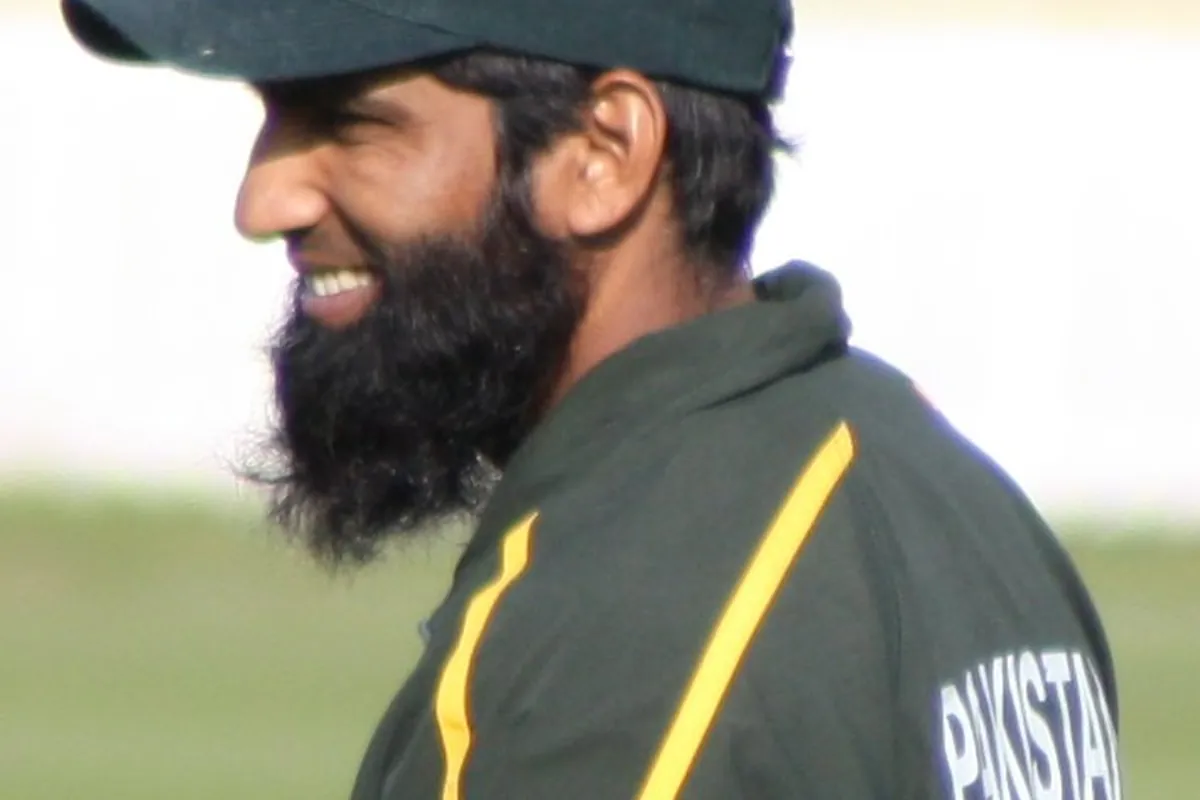
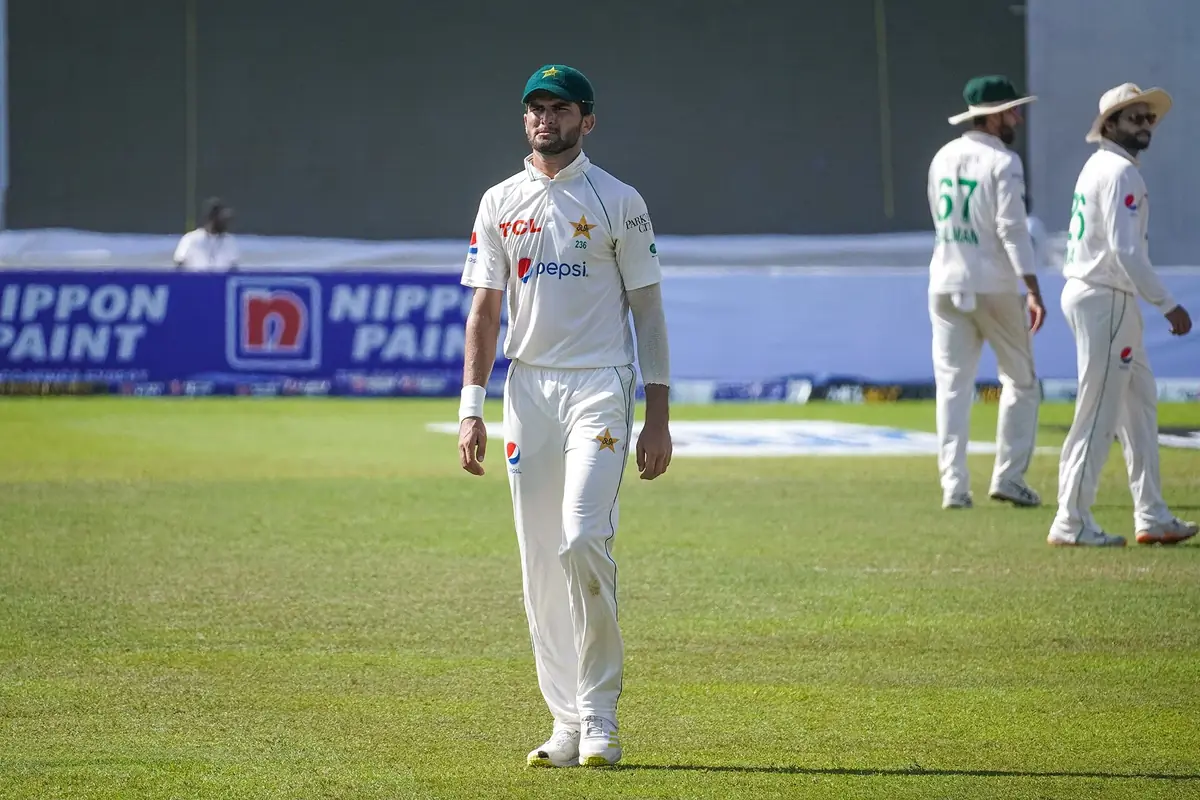
Timing is what turns Yousuf's post from a general opinion into a specific intervention. Babar has been named in the Lahore Whites squad for the 2026-27 Quaid-e-Azam Trophy, which begins on 3 November, and Lahore Whites are scheduled to open against a FATA side led by Shaheen Shah Afridi at the Diamond Cricket Ground in Islamabad. Yousuf's post is, in effect, addressed to that fixture as much as to Babar himself: his point is that sending a struggling batter into a four-day domestic match, against the country's premier fast bowler, to "play himself back into form" is exactly the wrong prescription if the problem is technical. Domestic cricket, on this argument, does not fix a technical flaw; it exposes it, in public, over four days, and every failure in that setting costs a little more confidence. Yousuf is saying that the order of operations is wrong — first the academy, then the first-class cricket — and that reversing it is how you protect a player rather than how you punish him.
There is also the calendar beyond the Quaid-e-Azam Trophy. Pakistan's two-Test series against Sri Lanka begins on 9 November, which means the domestic match starting on 3 November sits directly in the path of Test preparation. That is the second reason Yousuf's timing matters. If Babar plays the domestic game and struggles, he carries that struggle into a Test series; if he does not play it, questions will be asked about his preparation instead. Yousuf's proposal cuts through that dilemma by reframing it: preparation, in his view, is not a match at all, but a period of focused, specialised coaching. It is a view shaped by his own standing in Pakistan cricket. Yousuf is a former captain, one of the country's most respected voices on batting technique, and a man who has held coaching roles with the national setup — which is why his "I said this four years ago" line stings. He is not presenting himself as a newcomer to this argument. He is presenting himself as someone who warned, was ignored, and has watched the same problem get worse.
That last point deserves attention, because it is the emotional centre of the post. "Please listen now" is not the language of a pundit filling airtime. It is the language of someone who believes a preventable decline has been allowed to run. The four-year-old warning matters for another reason too: it places the origins of Babar's technical troubles well before the current tri-series, and well before the recent rankings slide that saw him fall to ninth in the ICC ODI batting rankings in the weekly update dated 27 October. In other words, Yousuf is arguing that this is not a form slump in the ordinary sense — a few low scores that a good innings will cure — but a technical issue that has been visible, to trained eyes, for years, and that has survived every ordinary remedy Pakistan cricket has tried, including simply playing more matches.
The technical argument itself is worth stating plainly, because it is the part of Yousuf's case that non-specialists most often misunderstand. When a batter of Babar's quality stops scoring, the instinct of fans and selectors alike is to say: give him games, let him find form in the middle. Yousuf's counter is that form and technique are different things. Form is confidence, rhythm and timing, and it does return with runs. Technique is the machinery that produces the runs — footwork, head position, the bat's path to the ball — and if the machinery has a fault, more matches do not repair it; they rehearse it. Every innings played with a technical flaw grooves the flaw a little deeper, and every failure suffered while grooving it costs confidence that the next innings must then recover. That is why Yousuf couples the two halves of his advice so tightly: stop the first-class cricket, because it rehearses the problem, and start the academy work, because only deliberate coaching repairs it. Whether he is right about Babar's particular flaw is something only Babar's coaches can confirm — no specific flaw is named in the post, and this article does not invent one — but the logic of the argument is clear, and it is a logic many former players will recognise.
Reaction to the post has already split along familiar lines, and that split is itself part of the story. Former captain Waqar Younis said recently on a podcast that Babar has been unfortunate to be the best batter in his side and has not received the support he needed from his teammates — a defence that frames the slump as a team problem, not an individual one. All-rounder Imad Wasim, meanwhile, has defended Babar against what he described as an unprecedented level of criticism from media outlets and social platforms. Those two responses represent the two poles of the Babar debate in Pakistan: one camp says the system has failed the player, the other says the commentary has become cruel. Yousuf's post sits awkwardly between them, because it is neither a defence nor an attack. It says Babar is still Pakistan's top player, it says he can return to his best, and it also says, without equivocation, that what he is doing now is not working. That combination — faith in the player, rejection of the plan — is why the post has been shared so widely: it gives both camps something they agree with, and both camps something they do not.
It is also worth setting Yousuf's intervention against the recent arc of Babar's career, because the slump did not begin with the tri-series. Babar has already been omitted from Pakistan's T20I setup, a decision that would have been unthinkable during his years at the top of the rankings. He returned to first-class cricket in September 2026 after a seven-year absence from the format, with the PCB arranging his participation with OGDCL in the President's Trophy so he could stay connected with red-ball cricket. Earlier in 2026 he had withdrawn from the National T20 Championship, having initially been named in the Lahore Whites squad, to work with coaches on flaws in his batting technique ahead of the PSL season — a decision CricTracker reports was agreed between Babar and team management, though the coaches involved were not officially disclosed. Read together, those episodes show a player and a board who have already tried several versions of the fix Yousuf is proposing — time away, technical work, a return to the domestic game — without the problem going away. Yousuf's case is, in effect, that the earlier attempts were too brief, too informal or too easily abandoned, and that only a proper academy stint, overseas and uninterrupted, will do the job.
What happens next is, for now, a matter of decisions that have not been taken — and this article claims none of them. No response from Babar himself has been reported. No statement from the PCB has been reported. No academy has been named, no departure date set, no duration suggested, and no one has said whether Babar will still turn out for Lahore Whites on 3 November. Those silences matter, because they are the difference between an intervention and an outcome. Yousuf can advise; he cannot select, rest or send anyone anywhere. The people who can act are Babar, his coaches, the selectors and the PCB, and until one of them speaks, the story is a former captain's public advice and the debate it has started — not a decision, not a trip, and not a change to any squad. Readers should treat any social-media claim that Babar has already left, already been dropped, or already agreed to anything as unverified unless a mainstream outlet or an official statement confirms it.
There are three plausible paths from here, and it is worth naming them so readers can judge what follows. The first is that Babar plays the Quaid-e-Azam Trophy match as planned, scores runs, and the debate dies down until the next low score — the ordinary cycle of a struggling star. The second is that he plays it, struggles again, and Yousuf's post is quoted back at the selectors with considerably more force than it carries today. The third is that the PCB, or Babar himself, takes Yousuf's advice seriously and arranges a focused coaching period before the next first-class assignment, in which case the post will be remembered as the moment the management of Babar's career changed direction. None of these is more likely than the others on the evidence available today; the point of listing them is not to predict, but to give readers a way of recognising which story is actually unfolding when the team sheets for 3 November and the Test series are announced.
For Pakistan cricket, the stakes go beyond one player, which is why a single social-media post has become a national talking point. Babar is not just a batter in poor form. He is the player around whom Pakistan's batting, its marketing and its fans' expectations have been organised for the better part of a decade, and he is 32 years old, with a 2027 ODI World Cup on the horizon for which a significant turnaround in form will be crucial. Managing that turnaround badly — rushing him, exposing him, or leaving a technical problem to fester — costs Pakistan more than a few matches. Managing it well — giving its best player the coaching he needs, in the right place, at the right time — is the kind of decision that defines a cricket board. Yousuf's post has forced that decision into the open, in public, with a deadline attached by the calendar: a domestic match on 3 November, and a Test series on 9 November. Whatever happens next, the argument can no longer be had quietly, behind closed doors, as it apparently was four years ago.
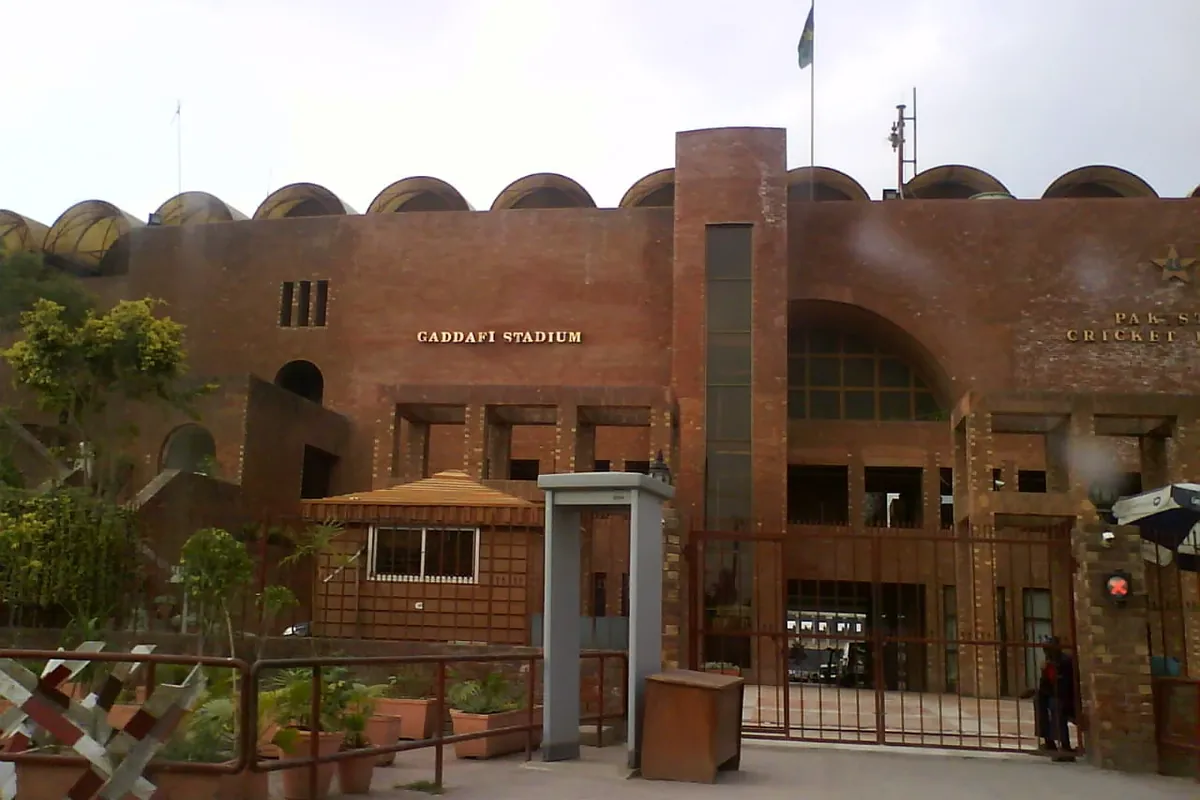
Sources and honesty note: the quotations from Mohammad Yousuf are as published by A-Sports on 1 November 2026, reporting his post on X, and the same wording is carried by CricTracker and other outlets the same day. The tri-series figures (118 runs in five matches, average 23.60, strike rate 74.21, highest score 45, duck in the final) and the Quaid-e-Azam Trophy details (Lahore Whites, from 3 November, against Shaheen Shah Afridi-led FATA at the Diamond Cricket Ground, Islamabad) are as reported by A-Sports; the 20th-century detail (151 against Nepal in September 2023, then the 20th hundred against Sri Lanka in November 2025) is likewise from A-Sports. The 9 November Test series start, the Waqar Younis podcast remarks and the Imad Wasim defence are as reported by Sports Now and the Jammu News Portal on 1 November 2026. Babar's September 2026 first-class return with OGDCL and his earlier 2026 National T20 Championship withdrawal are as reported by CricTracker. Babar's fall to ninth in the ICC ODI rankings is from TaazaPulse's own report of the 27 October update. No PCB response, no Babar response, no academy, departure date or duration is claimed, because none has been reported. The photographs are real file photographs (Wikimedia Commons): Babar Azam batting (featured), Mohammad Yousuf in Pakistan colours, Shaheen Shah Afridi on the field, and the exterior of Gaddafi Stadium, Lahore — none is a photograph of Yousuf's post, of Babar in the tri-series final, or of the Diamond Cricket Ground.
Sources
This report is based on reporting, official statements and documents from:
- Rediff via Google News — Babar Azam told to leave Pakistan to fix his batting woes (1 Nov 2026; sentinel queue 1fdef3c97f452b31; headline framing corrected in the article — Yousuf urged an overseas academy stint, not leaving Pakistan)
- A-Sports — Former cricketer suggests Babar Azam to seek overseas coaching (1 Nov 2026; Yousuf's X post quoted verbatim; tri-series 118 runs in 5 matches, avg 23.60, SR 74.21, highest 45, duck in final; one ODI century since 151 vs Nepal Sep 2023, 20th vs Sri Lanka Nov 2025; Lahore Whites Quaid-e-Azam Trophy from 3 Nov vs Shaheen-led FATA at Diamond Cricket Ground, Islamabad)
- CricTracker — Yousuf urges Babar to train at England or Australia academy (1 Nov 2026; same verbatim X quote; Sep 2026 first-class return with OGDCL, President's Trophy, after seven-year absence; earlier 2026 National T20 Championship withdrawal to work on technique)
- Sports Now — Mohammad Yousuf Urges Babar Azam to Seek Specialist Coaching Amid Batting Slump (1 Nov 2026; two-Test series vs Sri Lanka from 9 Nov; Waqar Younis podcast defence; Imad Wasim defence against unprecedented criticism)
- Photos: real file photographs (Wikimedia Commons) — Babar Azam batting (featured, already brand-stamped 29 Oct run); Mohammad Yousuf in Pakistan colours, 2010 Taunton warm-up (new this run); Shaheen Shah Afridi on the field; Gaddafi Stadium exterior, Lahore; none is a photograph of Yousuf's post, of Babar in the tri-series final, or of the Diamond Cricket Ground
Frequently Asked Questions
What exactly did Mohammad Yousuf say about Babar Azam?
In a post on X on Sunday 1 November 2026, Yousuf wrote: "I don't think Babar Azam should be playing first class cricket until he fixes his technical issues through specialized coaching. Struggling in domestic cricket could further harm his confidence and career. Send him to an academy in England or Australia. He is still Pakistan's top player, and with the right guidance and a little effort, he can return to his best. I said this four years ago, and nobody listened. Please listen now." The core of his advice is the order of operations: academy coaching first, first-class cricket second.
Did Yousuf tell Babar Azam to leave Pakistan?
No — that headline overstates his post. Yousuf did not tell Babar to leave Pakistan, emigrate or quit Pakistani cricket. He told him to attend a specialist academy in England or Australia, fix his technique, and return to his best. An overseas academy stint is a temporary, routine step in a modern cricketer's development, and Yousuf's post says nothing about Babar leaving the country permanently. This article corrects the headline rather than repeating it.
Why does Yousuf want Babar to stop playing first-class cricket?
Yousuf's argument is that form and technique are different things. If a batter has a technical flaw, playing more matches does not repair it — it rehearses it, in public, while every failure costs confidence. On that logic, sending a struggling Babar into a four-day domestic match against Shaheen Shah Afridi's FATA side risks deepening both the flaw and the confidence problem, whereas a period of focused, specialised coaching addresses the cause. No specific flaw is named in Yousuf's post, and this article does not invent one.
What are Babar Azam's recent numbers behind the debate?
In the ODI tri-series against England and Sri Lanka, Babar scored 118 runs in five matches at an average of 23.60 and a strike rate of 74.21, with no half-century, a highest score of 45, and a duck in the final against Sri Lanka on Saturday — a final Pakistan still went on to win. A-Sports notes he has managed only one ODI century since his 151 against Nepal in September 2023, his 20th hundred coming against Sri Lanka in November 2025. He has also fallen to ninth in the ICC ODI batting rankings and been omitted from Pakistan's T20I setup.
Will Babar still play the Quaid-e-Azam Trophy match on 3 November?
On the evidence available, that is undecided. Babar has been named in the Lahore Whites squad for the 2026-27 Quaid-e-Azam Trophy, which begins on 3 November against Shaheen Shah Afridi-led FATA at the Diamond Cricket Ground in Islamabad, and nothing reported so far says he has withdrawn. Yousuf can advise, but he cannot select or rest anyone: only Babar, his coaches, the selectors and the PCB can change the plan, and none of them has been reported as responding yet.
Has the PCB or Babar Azam responded to Yousuf's advice?
Not in any reporting seen for this article. No statement from the PCB, no response from Babar, no academy named, no departure date and no duration have been reported. Until one of those appears, the story is a former captain's public advice and the debate it has started — not a decision, not a trip and not a change to any squad. Any social-media claim that Babar has already left or already agreed to anything should be treated as unverified unless a mainstream outlet or an official statement confirms it.