Wafi Energy Pakistan's Nine-Month Profit More Than Doubles to Rs6.6 Billion
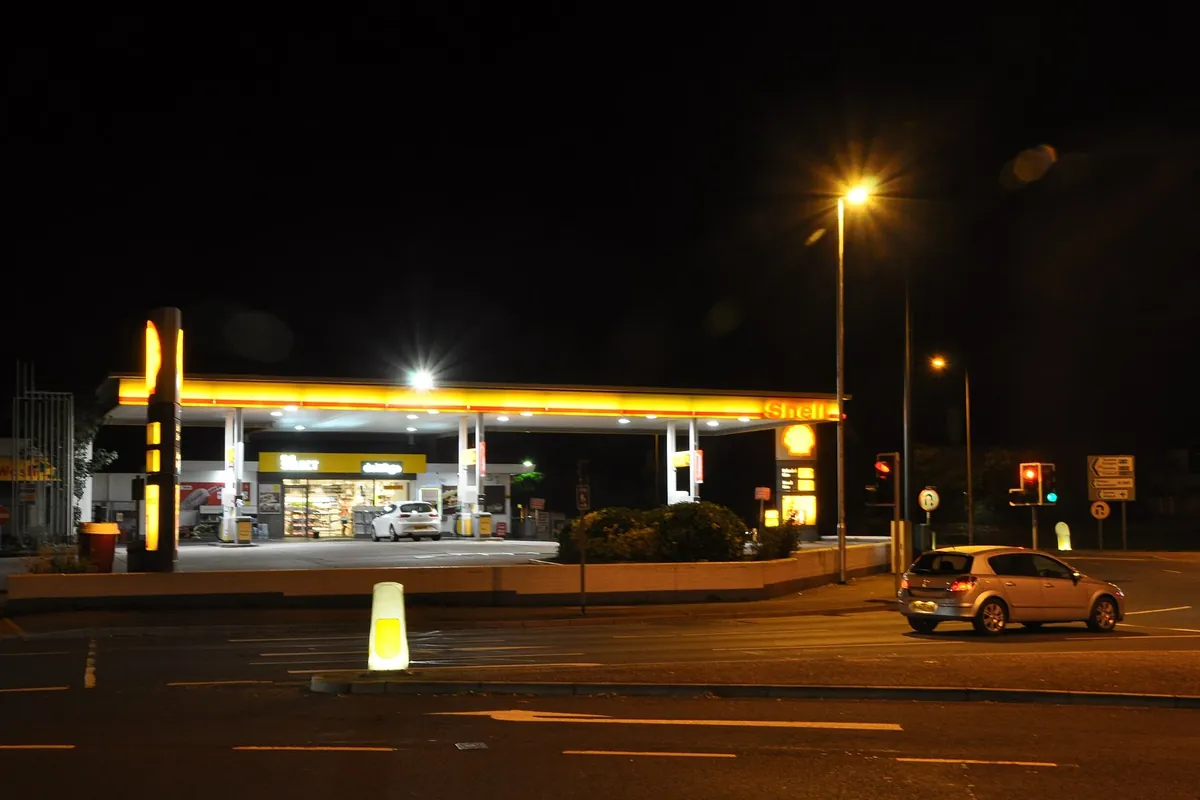
Wafi Energy Pakistan Limited has reported a profit after tax of Rs6.558 billion for the nine months ended 30 September 2026, more than double the Rs3.030 billion it earned in the same period last year. The board announced the results alongside a cash dividend of Rs4 per share, capping a period in which the company expanded its Shell retail network across Pakistan even as global oil markets stayed volatile.
The headline number is striking because of the size of the jump. A profit of Rs6.558 billion against Rs3.030 billion a year earlier is an increase of about 116 per cent, which means the company earned more than twice as much in the first nine months of 2026 as it did in the first nine months of 2025. That is the figure carried consistently across the business coverage of the results, and it is the number on which the rest of this story rests. The results cover the nine months to the end of September, not a full financial year, and they should be read that way: a strong nine-month performance, with the final quarter of the year still to come.
The company announced its financial results for the first nine months of 2026 in a board announcement reported on 29 October, with the results then picked up in business coverage the same day and carried into the following day's news cycle. The announcement came, in the company's own framing as reported, amid continued volatility in global oil markets, supply-side pressures and a challenging operating environment. Those three phrases matter, because they are the company's own caveats: this was not a calm period for a fuel retailer, and the profit growth came despite those headwinds rather than because conditions were easy.
Alongside the profit figure, the board announced a cash dividend of Rs4 per share. A dividend is a direct cash return to shareholders from the period's earnings, and Rs4 per share is a meaningful payout for a company that, only a year earlier, was reporting a nine-month profit less than half the size. For shareholders, the dividend is the most immediate, tangible part of the announcement: it turns a paper profit into cash in hand, subject to the usual payment timetable that the company sets out in its formal notice. This article is not investment advice, and a single nine-month result, however strong, is not by itself a reason to buy or sell any share; it is a record of what the company has reported, and of what its board has decided to distribute.
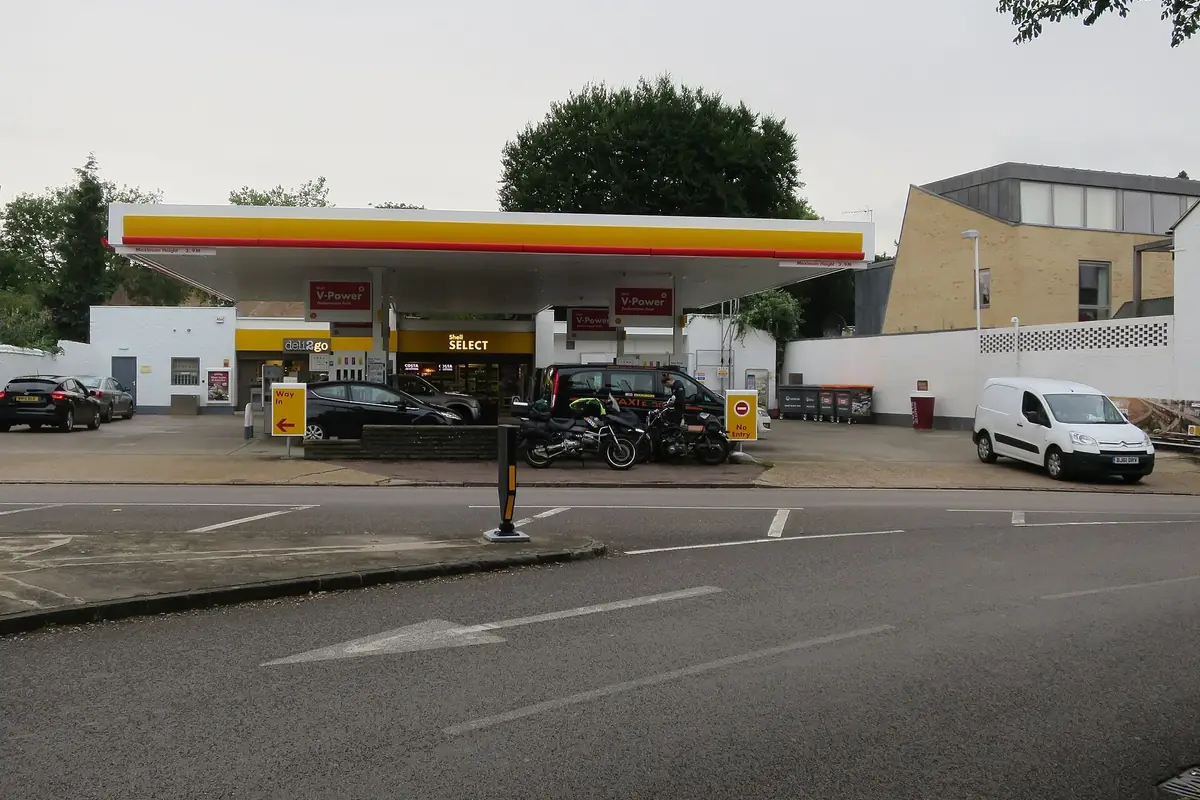
The second half of the story is the network. During the nine months, Wafi Energy Pakistan added 54 new Shell retail sites, 26 Shell Select stores and nine Shell Recharge electric-vehicle charging locations. Those three numbers describe three different kinds of growth, and each tells a different part of the company's strategy. New retail sites are the core fuel business: more forecourts, in more places, selling petrol and diesel to more motorists. Shell Select stores are the convenience-retail arm that sits alongside the pumps, selling food, drinks and everyday goods to customers who stop to refuel and stay to shop. Shell Recharge locations are the newest leg, giving electric-vehicle drivers a place to charge, and they point to where the company expects part of its future demand to come from.
Put together, the expansion numbers help explain why the profit story and the network story belong in the same announcement. A fuel retailer grows its earnings by selling more fuel, by earning more from each site, or by adding new sites that contribute for the first time. Adding 54 retail sites in nine months is a substantial building programme for any retailer, and the 26 new Select stores suggest the company is deliberately pushing the higher-margin convenience side of the forecourt, where a customer who came for petrol also buys groceries, coffee or a meal. The nine new Recharge locations are smaller in number but significant in direction: they show a company that still makes its money from liquid fuels beginning to build, site by site, the infrastructure for a different kind of motoring.
The company also received international recognition during the period. Shell recognised Wafi Energy Pakistan Limited as its Shell Licensee of the Year 2025, among Shell licensees worldwide. That award is not a financial figure, and it does not by itself explain the profit jump, but it is a useful signal about how the global Shell system views the Pakistani operation: as a licensee that has grown its network, maintained its standards and delivered a performance worth singling out among its peers around the world. For a company that operates under the Shell brand in Pakistan, that kind of recognition from the licensor matters commercially, because the brand is the asset that draws motorists to the forecourt in the first place.
Commenting on the results, chief executive Zubair Shaikh said the company had continued to grow its business and strengthen its market position during the first nine months of 2026. That is a modest claim, and it matches the numbers: a bigger network, a bigger profit, and a dividend to shareholders. What the coverage does not do is break the profit down by segment in detail, and this article does not invent such a breakdown. Readers should therefore treat the drivers of the jump with care. It is reasonable to note that a larger network, operating in a year of volatile oil prices, can produce a much larger profit than the year before, but the published coverage does not attribute the increase to any single factor, and no single factor should be presented as the cause.
Some context helps to put the nine-month figure in perspective. Wafi Energy Pakistan is the company formerly known as Shell Pakistan, now majority-owned by Wafi Energy Holding Limited, based in Abu Dhabi. The change of ownership and name marked a new chapter for a business that has sold fuel in Pakistan for decades under the Shell brand, and the 2026 results are the first nine-month figures to show, in one set of numbers, how that chapter is performing. Earlier in 2026, the company reported a profit after tax of Rs1.52 billion for the half year ended 30 June, up from Rs1.26 billion in the corresponding period last year. The nine-month total of Rs6.558 billion therefore sits well above the half-year figure, which underlines how much of the year's profit to date was recorded in the period covered by this latest announcement, without needing to over-interpret any single quarter.
For motorists, the practical meaning of the announcement is more about the network than about the profit. A company that adds 54 retail sites, 26 Select stores and nine charging locations in nine months is a company whose forecourts are becoming easier to find, and whose stores are becoming a larger part of the stop. Nothing in the results announcement changes the price of petrol or diesel, which in Pakistan is set under the official daily revision mechanism, not by an individual retailer. What changes, gradually, is the choice available at the roadside: more Shell-branded sites, more convenience stores attached to them, and a small but growing number of places to charge an electric vehicle.
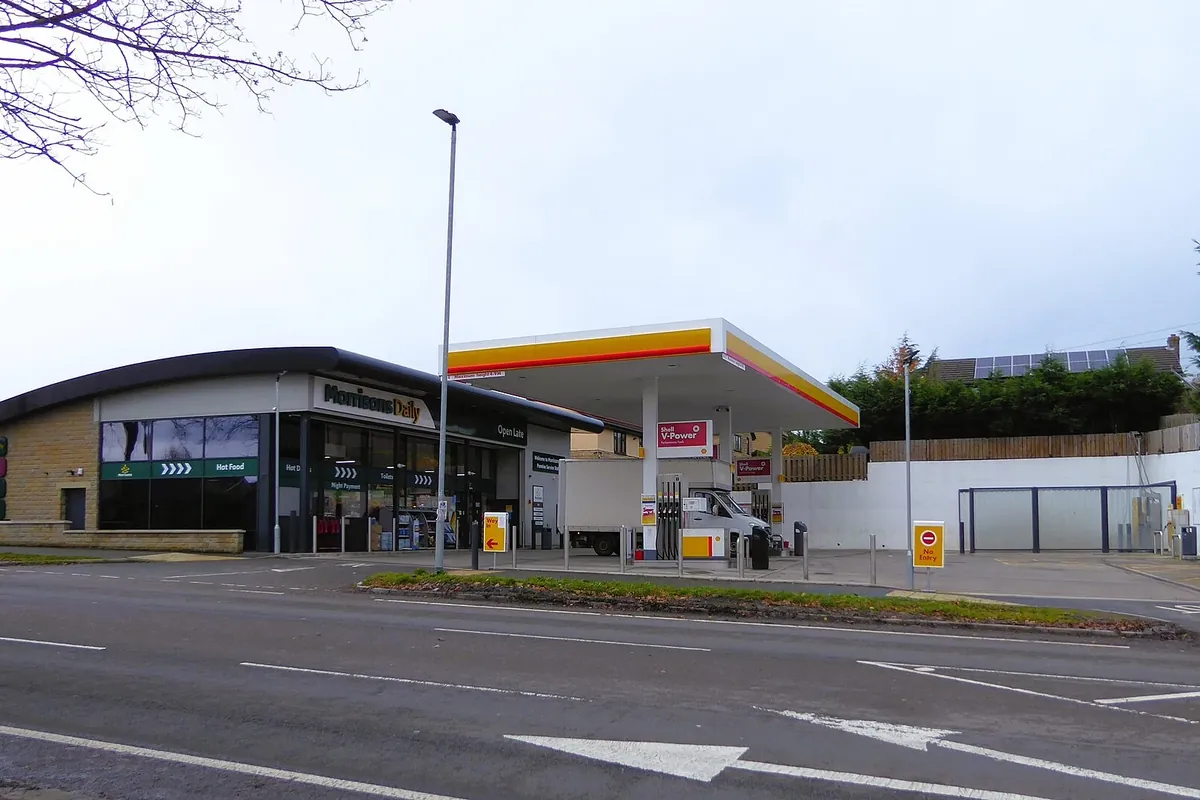
For the wider fuel market, the results land at a moment when Pakistan's fuel prices are revised daily and every movement in the pump price is felt immediately by households and transporters. A retailer's profit in such a market reflects the margin between what it pays for fuel and what it sells it for, the volume it moves through its network, and the additional income from its stores and services. When global oil prices are volatile, as the company itself notes, those margins can move sharply, and a nine-month result can look very different from the same period a year earlier even when the underlying business has changed only gradually. That volatility cuts both ways, which is why a single strong period should not be projected forward as a permanent new level of earnings.
There are also limits to what can be concluded from the published coverage. The results announcement, as reported, gives the profit after tax, the comparative figure for last year, the dividend and the network additions, together with the Licensee of the Year recognition and the chief executive's comment. It does not, in the coverage available, give a detailed revenue figure for the nine months, a segment-by-segment profit split, or guidance for the final quarter. This article therefore does not quote such figures, and readers who want the full statutory detail should consult the company's formal filing with the Pakistan Stock Exchange, where the audited and reviewed statements are published in full.
The dividend deserves a note of its own, because dividends are often misunderstood. A cash dividend of Rs4 per share does not mean the share price rises by Rs4, and it does not mean every shareholder receives the same total amount: the total depends on how many shares each holder owns, and on the record date and payment timetable set by the company. What it does mean is that the board has chosen to return part of the nine months' earnings to shareholders in cash, rather than retaining all of it inside the company for further expansion. That choice, made in the same announcement as a large network expansion, suggests a board that believes it can do both at once: invest in new sites and return cash to its owners.
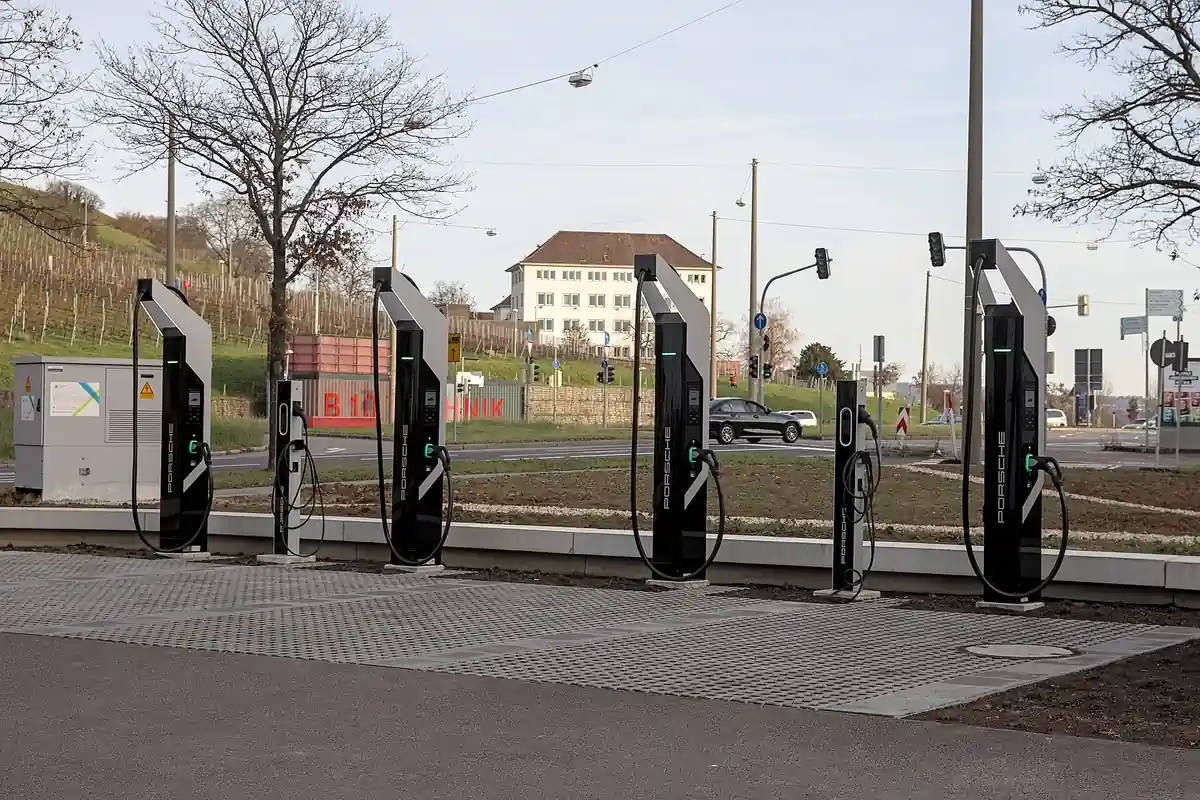
The Shell Recharge additions deserve a separate look, because they are the smallest number in the announcement and potentially the most forward-looking. Nine charging locations in nine months will not transform electric motoring in Pakistan on their own, and the company does not claim otherwise. But they place Wafi Energy Pakistan among the fuel retailers that are beginning to hedge their business: keeping the petrol and diesel forecourt as the core, while building a presence in charging so that, as electric vehicles become more common on Pakistani roads, the company's sites are already part of the charging map. Whether that bet pays off depends on vehicle adoption, electricity tariffs and charging economics that are outside any single retailer's control, and the nine sites should be read as a start, not a finished network.
Similarly, the 26 new Shell Select stores point to a quieter shift in what a petrol station is for. A generation ago, a forecourt sold fuel and little else. Today, the store attached to the pumps can be a meaningful part of the business, drawing in customers who may not even need fuel on that visit, and giving the retailer income that does not depend on the oil price. Adding 26 such stores in nine months is a deliberate investment in that model, and it fits with the pattern seen at forecourts around the world, where convenience retail has become a second engine alongside the pumps.
What happens next is straightforward. The company will in due course report its full-year results, which will show whether the final quarter matched the strength of the first nine months, and whether the network expansion continued at the same pace. Shareholders will watch for the payment of the Rs4 dividend and for any further distribution. Motorists will notice, more gradually, whether new Shell sites, Select stores and Recharge locations appear on the routes they actually drive. And the wider market will judge whether a profit that more than doubled in nine months represents a step-change in the company's earnings power, or a strong period inside a volatile market that can move just as sharply in the other direction.
For now, the facts as reported are these: Wafi Energy Pakistan earned Rs6.558 billion after tax in the nine months to 30 September 2026, against Rs3.030 billion a year earlier; its board announced a Rs4 per share cash dividend; it added 54 Shell retail sites, 26 Shell Select stores and nine Shell Recharge locations; Shell named it Licensee of the Year 2025 among its worldwide licensees; and its chief executive, Zubair Shaikh, said the company had continued to grow its business and improve its market position. Those are the numbers that matter, and they are the numbers on which any judgement about the company should be based, rather than on speculation about quarters that have not yet been reported.
Sources for the figures in this article are listed in the Sources block at the end of the page. This article reports a listed company's published results and is not investment advice.
Sources
This report is based on reporting, official statements and documents from:
- Treasure Magazine — Wafi Energy Pakistan posts Rs6.56bn profit in July-Sept 2026 (29 Oct 2026)
- The Biz Update — Wafi Energy Pakistan reports Rs6.56 billion profit in nine months (29 Oct 2026)
- Mettis Global / MLN — Wafi Energy profit more than doubles in 9MCY26 (29 Oct 2026)
- Trade Chronicle — Wafi Energy Pakistan reports Q3 2026 results
- The News — Wafi Energy posts Rs1.52bn profit, expands retail network (half-year 2026 context)
- Wikimedia Commons — Shell petrol station night view; Shell station with Shell Select store; Shell forecourt with convenience store; EV charging stations (image credits)
Frequently Asked Questions
What profit did Wafi Energy Pakistan report?
Wafi Energy Pakistan Limited reported a profit after tax of Rs6.558 billion for the nine months ended 30 September 2026, compared with Rs3.030 billion in the same period last year — an increase of about 116 per cent, or more than double. The figure comes from the company's board announcement as reported by multiple business outlets on 29 October 2026.
What dividend did the board announce?
The board announced a cash dividend of Rs4 per share alongside the nine-month results. The total a shareholder receives depends on how many shares they hold and on the company's record date and payment timetable; the dividend does not by itself move the share price by Rs4.
How much did the Shell network grow in the period?
In the nine months, the company added 54 new Shell retail sites, 26 Shell Select stores and nine Shell Recharge electric-vehicle charging locations. Retail sites are the core fuel business, Select stores are the convenience-retail arm beside the pumps, and Recharge locations are the company's EV charging footprint.
Who is Wafi Energy Pakistan?
Wafi Energy Pakistan Limited (WEPL) is the company formerly known as Shell Pakistan, now majority-owned by Wafi Energy Holding Limited, based in Abu Dhabi. It operates the Shell-branded fuel retail network in Pakistan, and Shell recognised it as its Shell Licensee of the Year 2025 among Shell licensees worldwide.
Does this result change petrol or diesel prices?
No. Pump prices in Pakistan are set under the official daily revision mechanism, not by an individual retailer. A retailer's profit reflects the margin between what it pays for fuel and what it sells it for, the volume through its network, and income from stores and services — not a price it sets itself.
Is this a full-year result, and should investors act on it?
No, it covers only the nine months to 30 September 2026, with the final quarter still to come, and the published coverage gives no segment breakdown or full-year guidance. This article is not investment advice: a single strong nine-month period in a volatile oil market should not be projected forward as a permanent earnings level, and readers wanting full statutory detail should consult the company's Pakistan Stock Exchange filing.