Diesel Price in Pakistan Explained: HSD at Rs399.82 Under Daily Revision
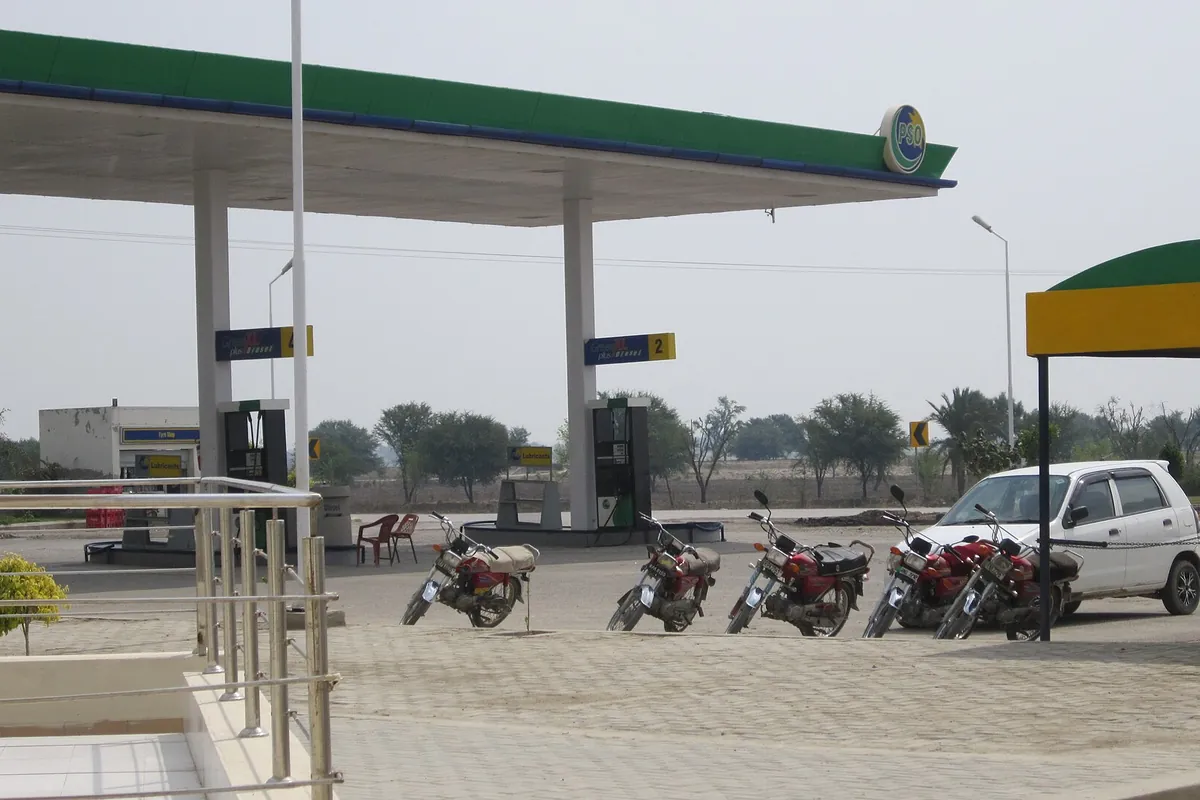
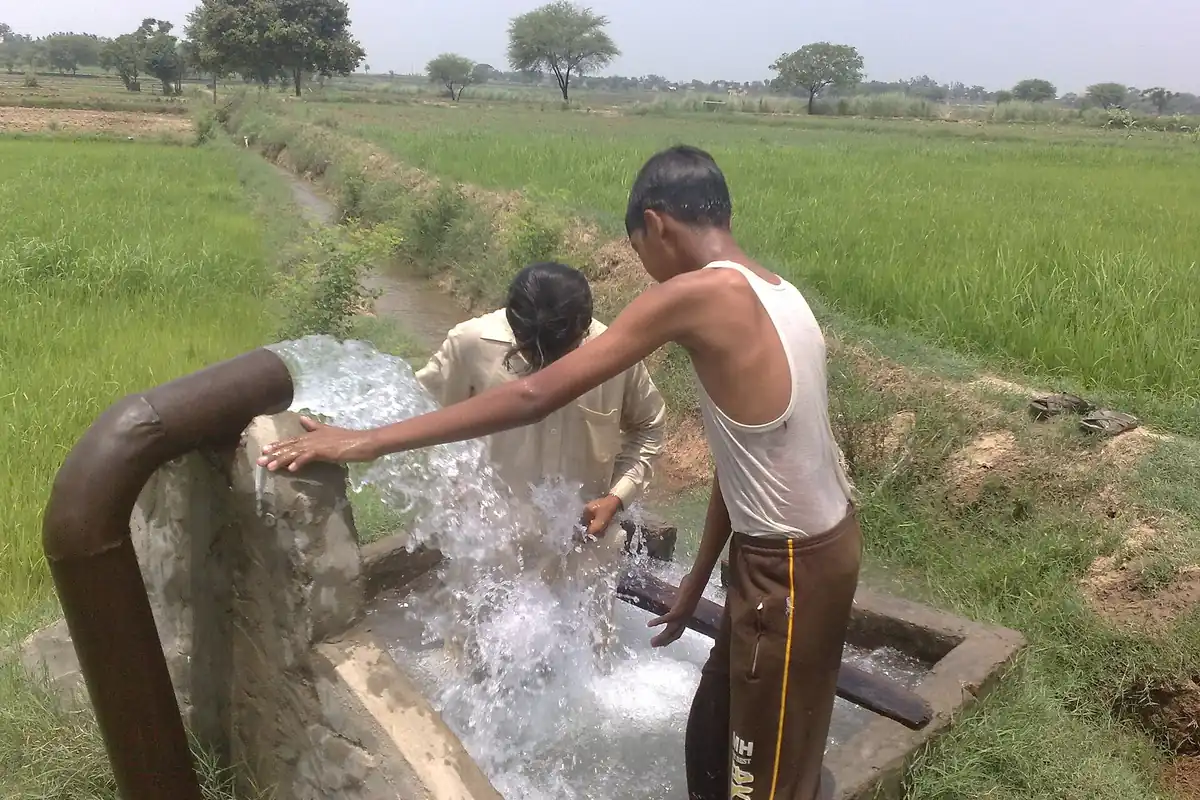
Diesel is the fuel Pakistan runs on — the trucks that move its food, the buses that carry its workers, the tube wells that water its fields — and as of Thursday it costs more than it ever has. High-speed diesel (HSD) now sells at Rs399.82 per litre, up Rs1.75 from Rs398.07, under the Petroleum Division's latest daily notification. This explainer sets out what that number is made of, why it now changes every single day, and what the daily system means for everyone from a truck owner in Gujranwala to a farmer running a tube well in Multan.
Today's verified numbers
The notification effective Thursday, 29 October 2026 raised petrol (motor spirit) by Rs1.85 to Rs377.91 per litre and high-speed diesel by Rs1.75 to Rs399.82 per litre. Kerosene oil stands at Rs330.96 per litre and light diesel oil (LDO) at Rs275.24 per litre. These are the official maximum retail prices at the pump; the per-litre figures are worked out from the Oil and Gas Regulatory Authority's (OGRA) pricing calculations and notified by the Petroleum Division.
Two different diesels confuse many readers. High-speed diesel is the fuel for road transport, modern agricultural machinery and diesel generators — refined to tighter specifications for high-revving engines. Light diesel oil is a heavier, cheaper grade used in older agricultural engines, industrial furnaces and boilers. When Pakistanis say "diesel price", they almost always mean HSD, and that is the price that feeds directly into freight rates and food inflation.
Why the price now changes daily
For decades, Pakistan revised fuel prices once a month; then, for years, every fortnight. In 2026 the system was first shortened to a weekly cycle and then, from 17 July 2026, moved to daily revision — prices are now recalculated against international market movements and the exchange rate and notified every day. The government's stated logic is that daily pricing passes international falls to consumers faster instead of making them wait for a fortnightly announcement, and smooths the sharp jumps that used to arrive twice a month.
The mechanics have not changed — only the frequency. The base of the price is the ex-refinery cost of the fuel, which tracks international benchmark prices for refined products and the rupee–dollar rate at which Pakistan's imports are settled; that is why our dollar rate explainer matters to the fuel price. On top of the base sit the inland freight equalisation margin (which keeps pump prices uniform across the country), dealer and oil-marketing-company margins, and then the largest single layer of all: government taxes and levies.
The tax layer: where a big slice goes
Reporting on the current price build-up puts total taxes and levies at roughly Rs114 per litre on petrol and about Rs100 per litre on diesel — the petroleum levy, customs duty and sales tax combined. That layer is why Pakistani pump prices do not fall as fast as international crude prices do: the levy is a revenue tool for the state, adjusted by the finance ministry within ceilings set under Pakistan's IMF programme, and it is the single most contested part of the price.
The political argument is live. Jamaat-e-Islami's Hafiz Naeem ur Rehman has demanded the abolition of the petroleum levy altogether, arguing it taxes the poor to fill the treasury; the government and opposition have agreed to a joint committee on the question. The government's counter-argument, when it makes one, is fiscal: the levy is among the most reliably collected revenues in the system, and removing it would blow a hole in the budget that no one has yet shown how to fill.
The relief scheme running alongside
Since 17 September, the government has run a targeted relief scheme alongside the rising prices: a subsidy of Rs100 per litre for motorcycles, three-wheelers and cars of up to 800cc, delivered to registered beneficiaries — a group the government puts at roughly 11.8 million people. The scheme is deliberately aimed at the vehicles of lower-income households; trucks, buses and larger cars pay the full notified price, which is why transport fares and freight charges have continued to climb even as the scheme operates.
Who pushes back against daily pricing
Not everyone in the trade is convinced. Petroleum dealers and transporters have both criticised the daily mechanism in coverage of its rollout: dealers argue that fuel bought at yesterday's price must be sold at today's, creating daily inventory gains and losses they cannot plan around, while transporters say daily changes make it impossible to quote stable freight rates to customers. OGRA and the Petroleum Division maintain that daily adjustment is fairer over time because it removes the build-up of large, sudden corrections.
How a litre is priced, step by step
For readers who want the full anatomy: a litre of diesel starts as crude oil bought in dollars on the international market, is refined — in Pakistan's case partly at home, partly imported as finished product — and priced at the refinery gate against international product benchmarks. To that base, the system adds the inland freight equalisation margin, the mechanism that pools transport costs so a litre costs the same in Karachi and in Gilgit; then the margins of the oil marketing companies that distribute it and the dealers who sell it; then the state's layers — customs duty, the petroleum levy and sales tax. OGRA's role is to verify the arithmetic against published formulas; the Petroleum Division's is to notify the result. Under daily revision, that whole calculation is re-run every day against the latest international prices and the rupee's latest rate — which is why a weak week for the rupee can push diesel up even when crude itself is flat, a connection our dollar explainer walks through.
Why diesel decides the price of everything else
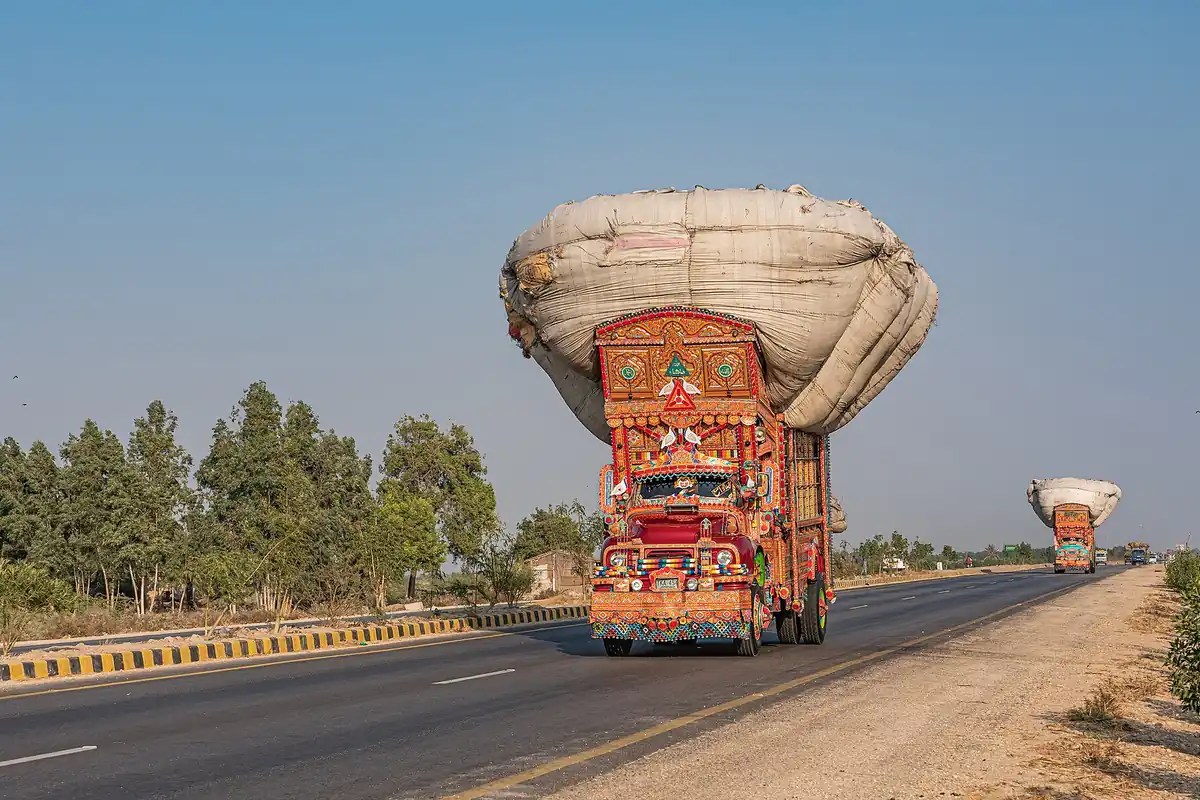
Petrol powers private choices; diesel powers the supply chain. Almost every kilogram of food sold in a Pakistani city travelled on a diesel truck, was grown with diesel-pumped water or diesel-driven machinery, and was loaded and unloaded by diesel equipment. Economists therefore watch HSD as the single most inflationary fuel price: a Rs10 rise in diesel does not stay at the pump — it reappears, over the following weeks, in freight quotes, in mandi transport charges and eventually in the retail price of flour, vegetables and milk. That is also why diesel increases draw a political reaction petrol increases do not: transporters' associations can and do translate pump prices into fare and freight demands within days, and provincial governments come under immediate pressure over bus fares in every major city.
What drivers should check
Three habits matter under a daily system. First, check the day's notified price before a long fill — TaazaPulse's rates desk tracks the fuel numbers every morning alongside the daily fuel revision report. Second, remember that the notified price is a maximum: a pump charging above it is in violation, and complaints run through OGRA and the district administration. Third, for the full story of how a litre is priced from the Gulf to the pump, read our companion explainer on how petrol prices are set in Pakistan — the same machinery, explained step by step. More coverage sits on our Economy desk.
Sources
This report is based on reporting, official statements and documents from:
- Petroleum Division notification
- OGRA price workings
- Dawn Business
Frequently Asked Questions
What is the diesel price in Pakistan today?
High-speed diesel (HSD) is Rs399.82 per litre, effective Thursday 29 October 2026 — up Rs1.75 from Rs398.07 under the Petroleum Division's daily notification. Petrol is Rs377.91 per litre, kerosene Rs330.96 and light diesel oil Rs275.24.
Why does the diesel price change daily in Pakistan?
Pakistan moved from fortnightly to weekly and then, from 17 July 2026, to daily price revision. Prices are now recalculated every day against international refined-product prices and the rupee–dollar exchange rate, and notified by the Petroleum Division on OGRA's workings, so international rises and falls reach the pump faster.
What is the difference between HSD and light diesel oil?
High-speed diesel is the refined fuel for road transport, modern farm machinery and generators, and is the price meant when Pakistanis say 'diesel price'. Light diesel oil is a heavier, cheaper grade used in older agricultural engines, industrial furnaces and boilers. HSD is Rs399.82 per litre; LDO is Rs275.24.
How much tax is included in the diesel price?
Reporting on the current price build-up puts total taxes and levies at roughly Rs100 per litre on diesel and about Rs114 per litre on petrol — petroleum levy, customs duty and sales tax combined. The levy is the most contested layer: Jamaat-e-Islami has demanded its abolition, and a joint government-opposition committee has been agreed on the question.
What is the Rs100 per litre fuel relief scheme?
Since 17 September 2026 the government has run a targeted subsidy of Rs100 per litre for motorcycles, three-wheelers and cars up to 800cc, delivered to registered beneficiaries — a group the government puts at about 11.8 million people. Trucks, buses and larger vehicles pay the full notified price.
What should drivers check under daily fuel pricing?
Check the day's notified price before a long fill — it is a maximum, and a pump charging above it is in violation, with complaints running through OGRA and the district administration. Prices now change daily, so yesterday's rate is no guide. TaazaPulse's rates desk tracks the fuel numbers every morning.