Apple Unveils Its First Touchscreen MacBook Pro, With a PROLED OLED Display
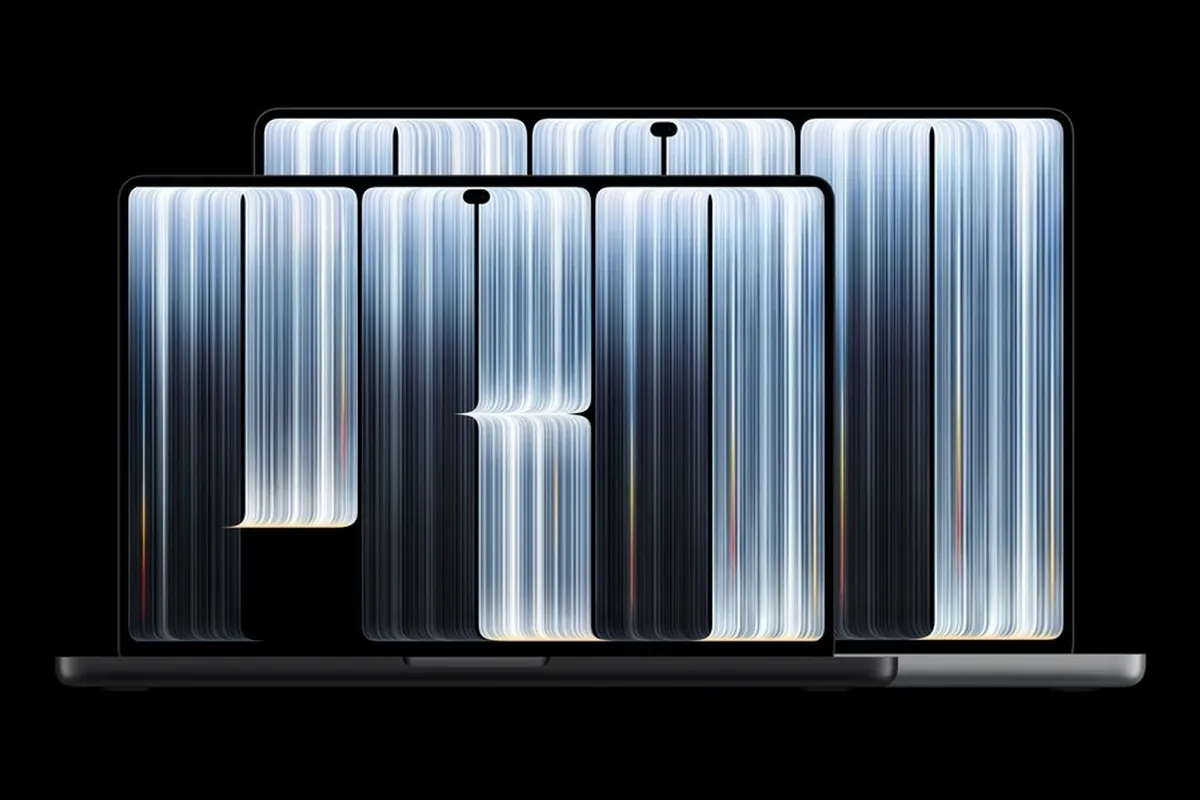
Apple has unveiled the first Mac that can be touched. The new MacBook Pro, announced on Wednesday 28 October 2026, pairs a tandem OLED display — which Apple calls PROLED XDR — with touch input built directly into the panel, ending years of speculation about whether Apple would ever bring a touchscreen to the Mac. It arrives in 14-inch and 16-inch sizes, powered by Apple's M5 Pro and M5 Max chips, and goes on sale on Friday 6 November.
The announcement, made in an Apple Newsroom press release following a "Pro and tell" event in Los Angeles, is the company's first major MacBook Pro overhaul since 2021, according to trade coverage. The headline is the screen, but the redesign touches almost every part of the machine: a new Dynamic Island at the top of the display, a glowing Apple logo on the lid, a thinner and lighter body, up to 24 hours of battery life, and storage that now reaches 16 terabytes.
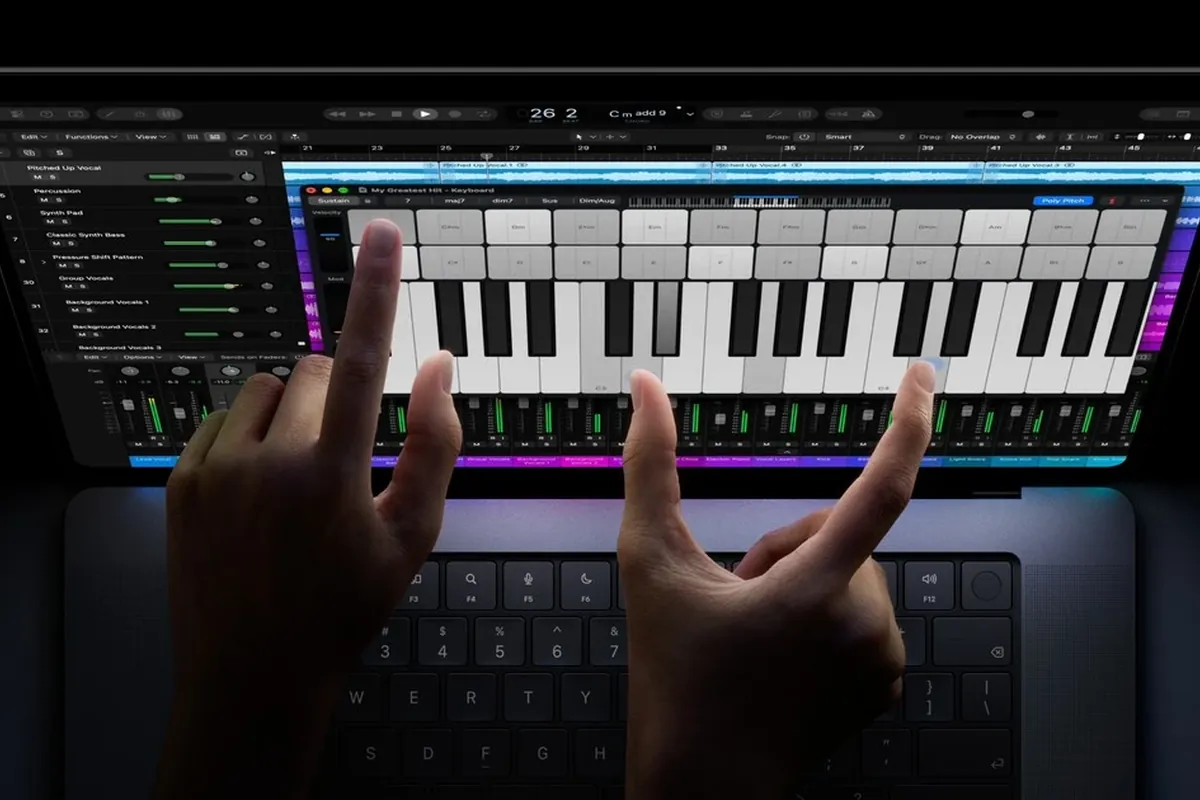
For Apple, touch on the Mac is a notable reversal of a long-held position. The company has for years argued that the Mac's keyboard and trackpad were the right way to interact with a computer, while touch belonged on the iPad and iPhone. The new MacBook Pro does not abandon that view entirely — the keyboard and trackpad remain, and Apple says macOS automatically translates touch into clicks so many existing apps will work with touch right away. But it concedes, for the first time, that there are things a finger does better: scrolling a web page with a swipe, pinching to zoom in on a photo, dragging slides from one presentation to another, or double-tapping a window to fill the screen.
The PROLED XDR display
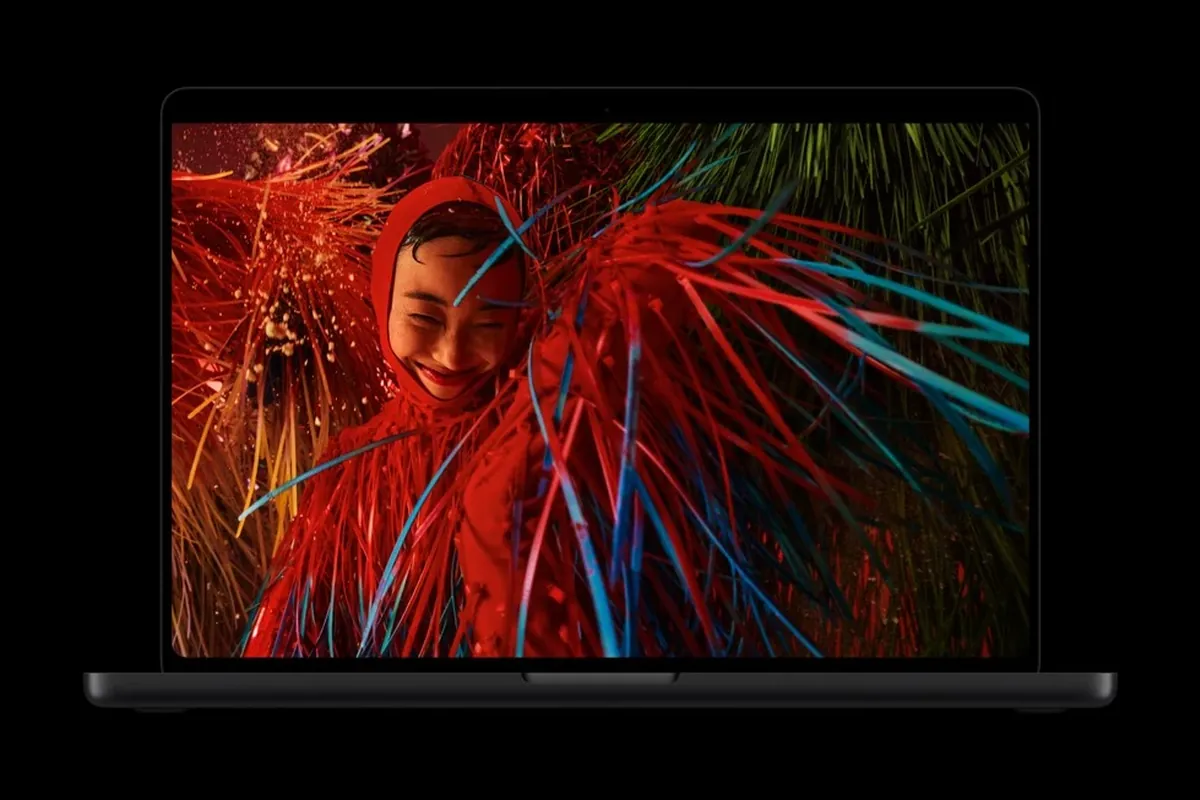
The display itself is the technical centrepiece. It uses tandem OLED technology, first introduced on the iPad Pro, paired with an advanced display engine and factory calibration. Apple says it delivers up to 2,000 nits of peak brightness for both HDR and SDR content, a contrast ratio of 10,000,000 to 1, and a wide colour gamut covering both P3 and Adobe RGB. ProMotion adaptive refresh rates run from 10Hz to 120Hz, and an antireflective coating cuts glare, with an optional nano-texture finish for those who want it.
Apple describes it as the world's best display in a pro laptop, a claim that reviewers will now test against the best Windows OLED laptops. What is not in dispute is the specification: 2,000 nits is exceptionally bright for a laptop panel, and a 10,000,000:1 contrast ratio is the kind of figure only OLED can produce, because individual pixels can switch fully off. For photographers, video editors and anyone who works with colour-critical material, the combination of brightness, contrast and a gamut that covers Adobe RGB as well as P3 is the practical point of the new screen.
The touch sensor is built directly into the display panel, which Apple says means there is no added latency, and that touch interactions feel responsive and refined. A new hinge design offers more stability when using touch, addressing the obvious problem with a touchscreen laptop — a screen that wobbles when you poke it — and advanced video stabilisation is said to smooth the camera feed when using touch during a video call.
Dynamic Island comes to the Mac
Above the display, the familiar notch is gone, replaced by the Dynamic Island first seen on the iPhone. On the Mac, it becomes the home for Spotlight, Live Activities and Siri AI, letting users control music, accept AirDrop requests, answer calls and see real-time information directly from the area at the top of the screen. It is a small change in itself, but it signals how Apple now thinks about the Mac: not as a separate island from the iPhone and iPad, but as part of one continuous system, with the same interface elements appearing wherever they make sense.
The glowing Apple logo on the lid is a deliberate piece of nostalgia. Apple removed the illuminated logo from MacBooks years ago, and its return on this model — "We're glowing with excitement," Apple's hardware chief John Ternus posted on X — is the kind of detail that will delight long-time Mac users even if it changes nothing about how the machine works. It is also, in a darkened room, a very visible advertisement for the brand.
Chips, memory, battery and price
Under the hood, the new models use the M5 Pro or M5 Max chips, with up to 128GB of unified memory and up to 16TB of storage. Apple says the M5 Max can run large language models with hundreds of billions of parameters entirely on device, a claim aimed squarely at the current wave of on-device AI work. Both models ship with macOS 27, which Apple calls Golden Gate, with Apple Intelligence and Siri AI built in. Connectivity includes Thunderbolt 5, a 12MP Center Stage camera, studio-quality microphones, and a six-speaker sound system with what Apple says is 50 percent deeper bass.
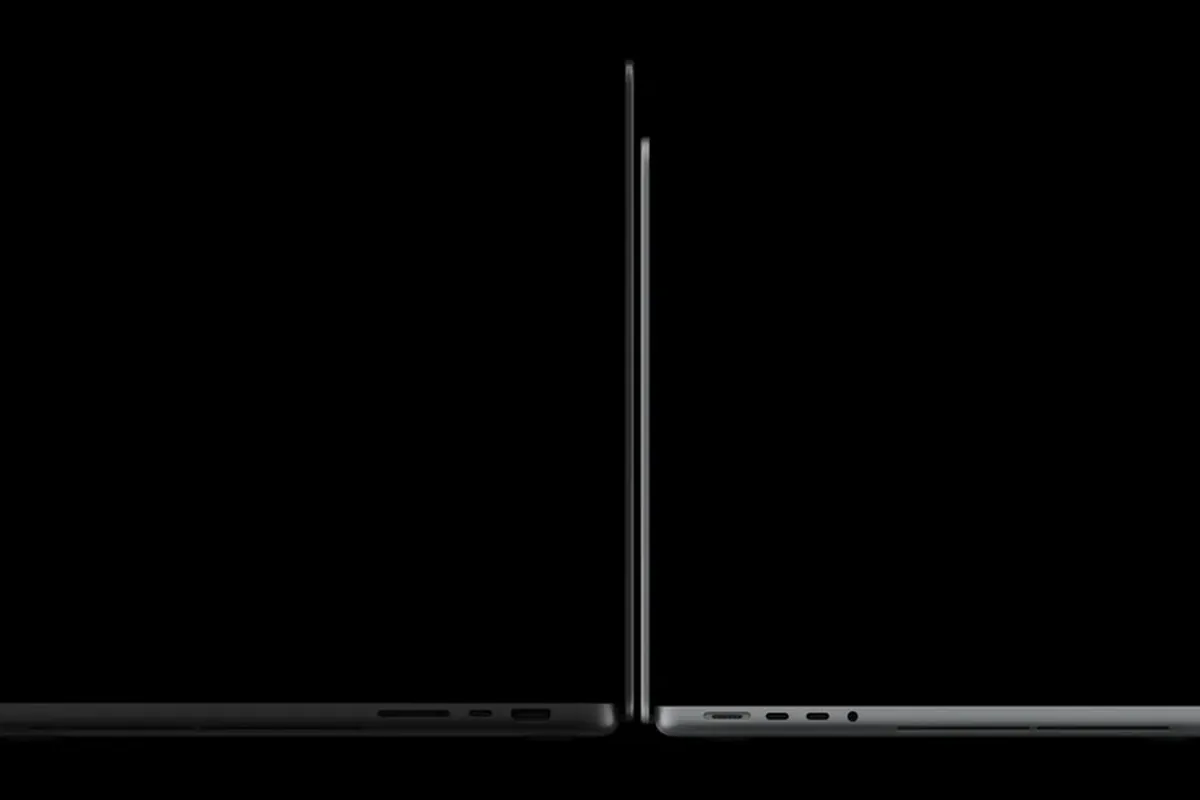
Weight and battery life have both improved. The 14-inch model now weighs about three pounds and the 16-inch about four pounds, both thinner than their predecessors while retaining a redesigned thermal system for sustained performance. Battery life is rated at up to 24 hours, a figure that, if it holds in real-world use, would be among the best for a pro laptop of this power.
Pricing is steep, and Apple does not hide it. The 14-inch model with M5 Pro starts at $2,899, and the 16-inch at $3,399. M5 Max configurations start at $4,499 for the 14-inch and $4,799 for the 16-inch. Pre-orders opened on 28 October, with availability from Friday 6 November in 30 countries and regions, including the United States. Education pricing is lower — $2,749 for the 14-inch M5 Pro and $3,199 for the 16-inch, according to trade listings — but even with that discount, this is a premium machine at a premium price.
What this means, and what it does not
The obvious question is whether touch on the Mac is a genuine change in how people will use a laptop, or a headline feature that most owners will use occasionally. Apple's own framing suggests the former is not expected overnight: touch is presented as an addition to the keyboard and trackpad, not a replacement, and the emphasis on macOS translating touch into clicks implies that most existing software will simply gain a new input method rather than being redesigned around touch. The real test will be in creative work — manipulating 3D models, drawing directly on the display, playing software instruments on screen — where Apple says touch opens up a new dimension.
There is also the question of price. At $2,899 for the entry model, the touchscreen MacBook Pro sits well above the standard MacBook Pro line, and Apple has kept the existing models alongside it. Trade coverage notes that there is no new chip here — the focus is entirely on the touchscreen and the display — which means buyers are paying for the screen and the redesign, not for a generational leap in processing power. That positioning makes sense for Apple: the M5 Pro and M5 Max are already among its most capable chips, and the new model is aimed at professionals who will pay for the best display Apple has ever put in a laptop.
For readers in Pakistan, one caution is necessary: the figures above are United States prices from Apple's announcement, and no Pakistan price or local availability date was given in the release coverage checked for this article. Imported Apple pricing in Pakistan has historically differed substantially from US list prices once duties, taxes and retailer margins are applied, so readers should treat the dollar figures as a guide to positioning, not as a local price.
Apple's week has been a busy one for the Mac line in general. Trade reports note that the company had already announced a new iPad mini, an M6 iMac and a 14-inch M6 MacBook Pro earlier in the same week, before the touchscreen model's Los Angeles event. Taken together, the announcements amount to a broad refresh of Apple's computer range heading into the holiday season, with the touchscreen Pro as the flagship.
Whether the touchscreen MacBook Pro becomes the standard MacBook Pro of the future, or remains a premium branch of the line, will depend on sales and on how quickly software makers embrace touch on macOS. For now, it is a real, shipping product — pre-orders open, a 6 November release date, and a specification sheet that can be checked — not a rumour. After years of "will Apple ever do it?", the answer, as of 28 October 2026, is yes.
Sources
This report is based on reporting, official statements and documents from:
- Apple Newsroom via Business Wire — Apple unveils groundbreaking MacBook Pro with PROLED XDR Display and Touch
- MacRumors — Apple Announces OLED MacBook Pro With Touch Display (28 Oct 2026)
- Pocket-lint — Apple officially unveils its touchscreen OLED MacBook Pro
- Digital Trends — The MacBook Pro finally gets a touchscreen
- The Mac Observer — Touchscreen MacBook Pro specs and pricing
Frequently Asked Questions
When did Apple announce the touchscreen MacBook Pro?
Apple announced the new MacBook Pro on Wednesday 28 October 2026, in an Apple Newsroom press release following a 'Pro and tell' event in Los Angeles. Pre-orders opened the same day, and the laptop reaches customers and stores on Friday 6 November 2026.
What is the PROLED XDR display?
It is Apple's name for the new tandem OLED panel, first used on the iPad Pro. It offers up to 2,000 nits of peak brightness for HDR and SDR content, a 10,000,000:1 contrast ratio, ProMotion refresh rates from 10Hz to 120Hz, and a colour gamut covering both P3 and Adobe RGB, with an optional nano-texture finish.
How does touch work on a Mac for the first time?
The touch sensor is built directly into the display panel, so Apple says there is no added latency. Users can scroll with a swipe, pinch to zoom, drag and drop, and double-tap a window to fill the screen. A new hinge adds stability when touching the screen, and macOS automatically translates touch into clicks for existing apps.
What chips and specifications does it have?
The 14-inch and 16-inch models use Apple's M5 Pro or M5 Max chips, with up to 128GB of unified memory and up to 16TB of storage. They also bring the Dynamic Island to the Mac, a glowing rear Apple logo, Thunderbolt 5, a 12MP Center Stage camera, a six-speaker sound system, and macOS 27.
How much does the touchscreen MacBook Pro cost?
In the United States, the 14-inch model with M5 Pro starts at $2,899 and the 16-inch at $3,399. M5 Max configurations start at $4,499 (14-inch) and $4,799 (16-inch). Education pricing is lower, at $2,749 and $3,199 for the 14-inch and 16-inch M5 Pro models respectively, according to trade listings.
What is the price in Pakistan?
No Pakistan price or local availability date was given in the Apple announcement coverage checked for this article, so this report does not quote one. Imported Apple pricing in Pakistan has historically differed substantially from US list prices once duties, taxes and retailer margins are applied.