Mukesh Ambani's Jio Lists in Mumbai — and Becomes India's Second-Most Valuable Company

Mukesh Ambani's long-awaited Jio Platforms listing has redrawn the top of India's corporate table. Shares of the Reliance digital and telecom arm surged 21 per cent on their Mumbai debut on Wednesday, 28 October 2026, opening at Rs1,358 against an offer price of Rs1,119 and valuing the company at about $131.5 billion — instantly making it India's second-most valuable listed company, ahead of Bharti Airtel and HDFC Bank. Reuters, which reported the debut, put the scale plainly: this was the first Reliance group listing in two decades, and it followed a record $3.2 billion initial public offering, the largest India has seen.
For Mukesh Ambani — already the central figure of Indian business — the listing converts a decade of building into a price the market has now set in public. Jio Platforms carries the group's digital empire: the telecom network that signed up more than 530 million subscribers, making it the world's second-largest operator by subscribers in a single country after China Mobile, and the apps, broadband and enterprise services layered on top of it. Global technology investors saw the value early: Meta and Google both bought stakes in Jio Platforms years before the public listing, backing Ambani's pitch that the network was not a phone company but the platform on which digital India would run.

A debut two decades in the making
The Reliance group has not taken a company public in twenty years, and the gap shows in the demand the IPO drew. The $3.2 billion raise set an Indian record, and the first day's trading added a fifth to the offer price before the opening bell's echo had faded — an opening print of Rs1,358 a share against Rs1,119 paid by IPO investors. A market capitalisation of roughly $131.5 billion places Jio behind only its own parent generation of Indian giants, vaulting it past Bharti Airtel — the telecom rival whose competition defined Jio's first decade — and HDFC Bank, long the bellwether of Indian private banking.
The leadership story inside the listing matters too. Akash Ambani, the elder son of Mukesh Ambani, is managing director of Jio, and the IPO is the clearest marker yet of the generational handover under way across the Reliance empire: the digital business that anchors the group's future is now both publicly priced and publicly led by the next Ambani generation. For investors, that combination — a dominant network, a platform's ambitions, and a succession line in place — is the story the 21 per cent pop was buying.
From free SIMs to a $131.5 billion platform
Jio's rise is the defining Indian business story of the past decade. Launched in 2016 with free voice and radically cheap data, it forced a brutal consolidation of Indian telecom, collapsed data prices to among the lowest in the world, and pulled hundreds of millions of Indians online for the first time. The subscriber count that resulted — more than 530 million, per the figures reported around the listing — is a scale only China Mobile exceeds within one country's borders. The strategy's second act was to turn that base into a platform: broadband, streaming, commerce, payments and cloud services sold to a population already inside the network's walls. Meta's and Google's pre-IPO stakes were wagers on exactly that conversion, and the public market has now priced it.
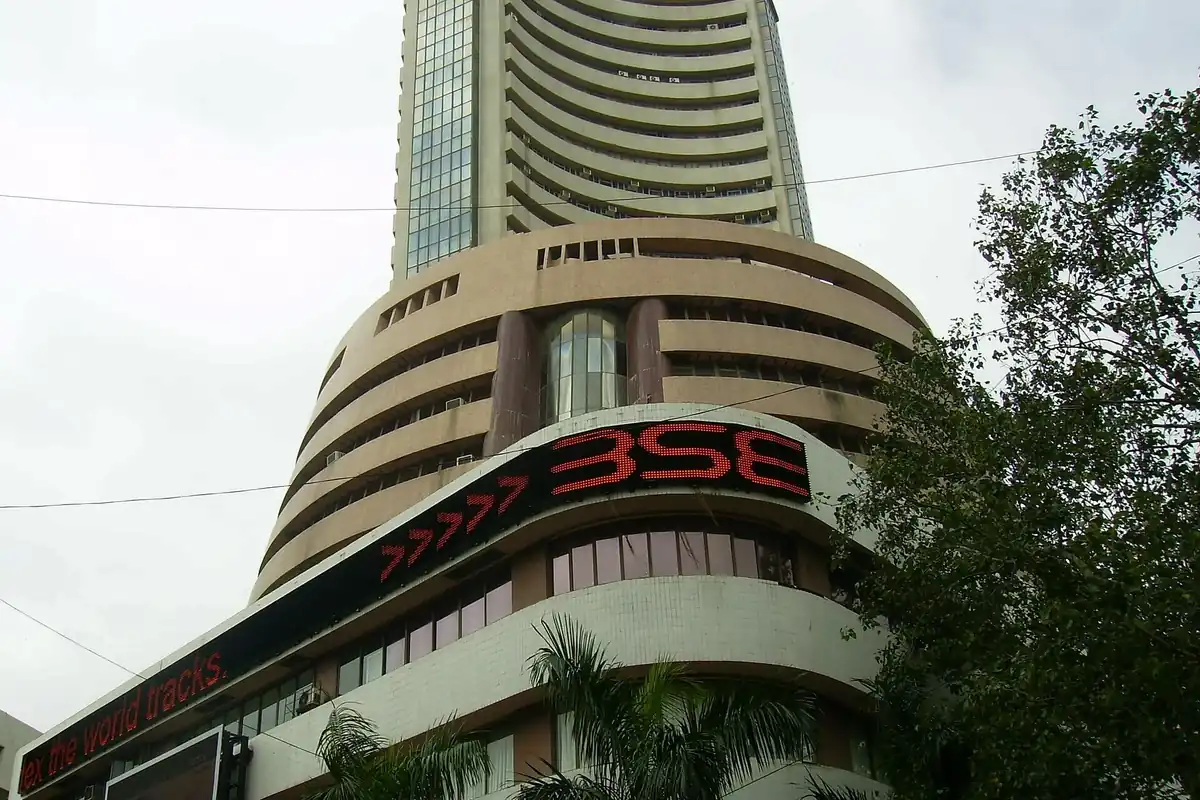
The listing also rearranges the scoreboard Mukesh Ambani is judged by. Reliance Industries built its fortune on refining and petrochemicals — its Jamnagar complex is among the largest on earth — and then on retail. Jio at $131.5 billion is now the single most valuable expression of the group's reinvention: the digital arm worth more than the storied banks and the arch-rival telecom operator, and a pillar of Ambani's claim that Reliance's next fifty years will be technological rather than industrial. The debut was, in that sense, a verdict on a strategy announced years ago and doubted at every stage: give the data away, own the platform, and let the market do the rest.
Why it matters beyond India
South Asia watches Ambani's moves the way it watches weather. Jio's price war reset what a gigabyte costs across the region and reshaped the expectations Pakistani and Bangladeshi consumers bring to their own operators. A listed Jio — with public money to raise and quarterly numbers to defend — will compete harder, not softer: in broadband, in streaming, in the AI services every large platform is now building. The listing also lands in a region where telecom and digital platforms are increasingly strategic assets, watched by governments as closely as by investors.

What happens next is the ordinary discipline of a newly public giant: quarterly results, the conversion of 530 million subscribers into platform revenue, and the defence of a valuation that assumes both. The debut's numbers — up 21 per cent, opened Rs1,358, worth about $131.5 billion — are the market's opening bid, not its final word. But as a statement of where Indian business now sits, the day needs no exaggeration: the country's second-most valuable company sells connectivity and code, its chairman is Mukesh Ambani, and its managing director is his son. TaazaPulse's international desk covers the business stories that reshape the region, from the Ganges treaty negotiation to the markets — and the household side of those numbers is in our economy coverage and the dollar explainer.
What the valuation says — and what it must now prove
A market capitalisation of $131.5 billion is not a prize for what Jio has done; it is a price on what investors believe it will do next. The network business underneath — hundreds of millions of subscribers paying among the lowest tariffs in the world — cannot alone carry that number. What carries it is the platform thesis Jio has sold since the beginning: that the subscriber base converts, over time, into broadband homes, streaming viewers, shoppers, payments users and enterprise customers, each layer raising the revenue earned per user without a matching rise in the cost of serving them. Meta and Google bought that thesis privately, years ago, at valuations that now look like bargains. The public market bought it on Wednesday at full price.
That repricing cuts both ways, and the discipline starts immediately. A listed Jio reports quarterly, defends its numbers in public, and competes for capital against every other large Indian company — including, now, the two it just overtook. Bharti Airtel, the rival whose survival of the Jio price war made it a stronger company, and HDFC Bank, the institution Indian investors long treated as the safest pair of hands in the market, are the benchmarks Jio's share price will be measured against every trading day. The questions the market will ask are already visible: how fast does average revenue per user climb, how quickly does the broadband and enterprise mix grow, and what do the group's AI and data-centre ambitions cost before they pay? Wednesday's 21 per cent was the market's enthusiasm. The quarters ahead are its audit.
A first in twenty years, and a handover in plain sight
Step back from the ticker and the day's deeper significance is structural. The Reliance group went two decades without listing a company; in one morning it produced India's second-most valuable enterprise. The asset it chose to list tells the story of the group's own migration — from refining and petrochemicals, the industries that built the fortune, toward the networks and platforms its chairman believes define the next era. And the management line on the prospectus tells the second story: Mukesh Ambani chairs the empire, but Jio is run by Akash Ambani, his elder son. Indian business has watched succession plans announced and re-announced across its great houses for years. This one was not announced. It was listed.
Sources
This report is based on reporting, official statements and documents from:
Frequently Asked Questions
What happened at the Jio IPO listing?
Jio Platforms listed in Mumbai on Wednesday, 28 October 2026. As Reuters reported, the shares opened at Rs1,358 against an offer price of Rs1,119 and rose 21 per cent on debut, valuing the company at about $131.5 billion — India's second-most valuable listed company, ahead of Bharti Airtel and HDFC Bank.
How big was the Jio IPO?
The offering raised about $3.2 billion, a record for an Indian IPO, and it was the first Reliance group listing in two decades. Meta and Google had bought stakes in Jio Platforms years before the public listing.
Who is Mukesh Ambani and what is his role at Jio?
Mukesh Ambani is the chairman and managing director of Reliance Industries, the group that built Jio. The telecom and digital business is led day-to-day by his elder son, Akash Ambani, who is Jio's managing director — the listing is widely read as a marker of the group's generational handover.
How many subscribers does Jio have?
More than 530 million, as reported around the listing — making Jio the world's second-largest telecom operator by subscribers within a single country, after China Mobile.
Why did Jio become so valuable?
Jio launched in 2016 with free voice and very cheap data, collapsed Indian data prices, and signed up hundreds of millions of users. It then layered broadband, streaming, commerce and enterprise services onto that base — the platform strategy that Meta and Google backed pre-IPO and that public investors priced at about $131.5 billion on debut.
What does the Jio listing mean for the region?
Jio's pricing reset data costs across South Asia and reshaped consumer expectations in neighbouring markets. A publicly listed Jio, with quarterly results to defend, is expected to compete harder in broadband, streaming and AI services across the region.