Nanotyrannus Was a Real Species — the Dueling Dinosaurs Fossil Settles a 40-Year Argument
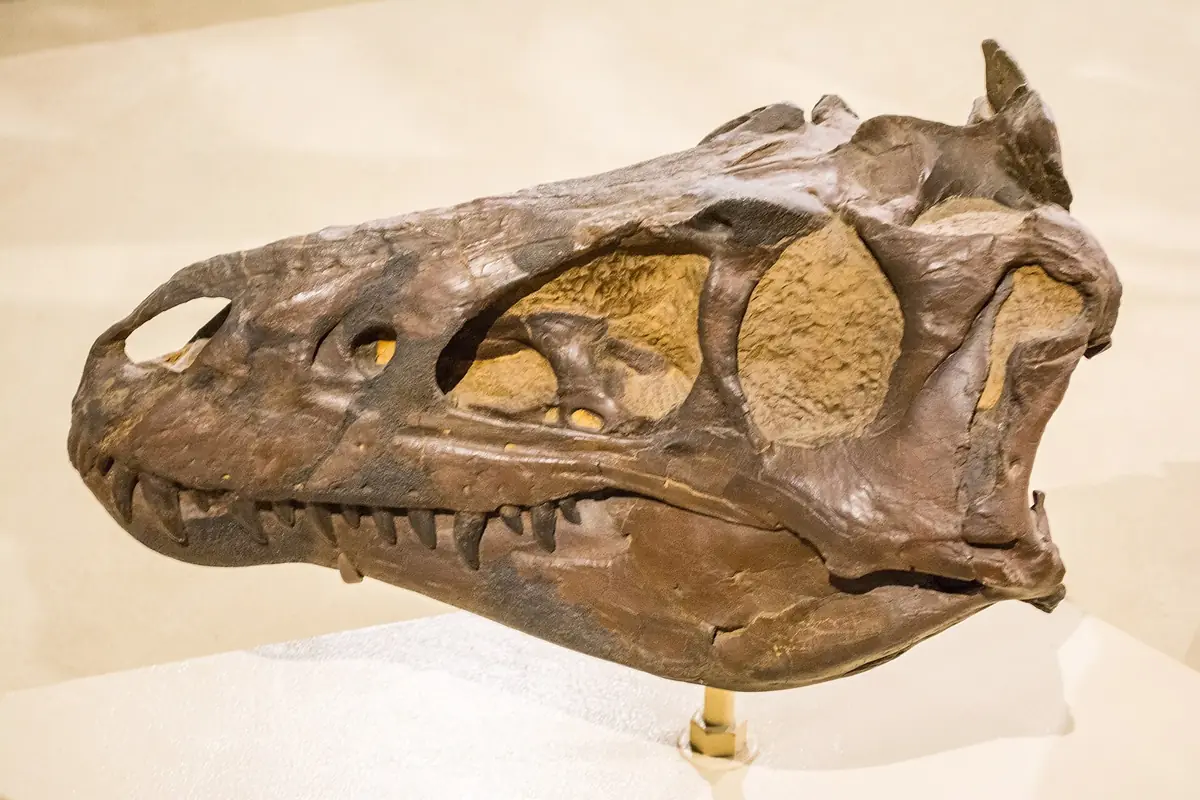
For forty years, palaeontologists argued over a small tyrant. Was Nanotyrannus — a slim, long-legged tyrannosaur from the last age of the dinosaurs — a real species that stalked alongside the mighty Tyrannosaurus rex, or was it simply a teenage T. rex, misread by scientists who mistook youth for difference? A study published in Nature has now settled the question with the most famous fossil of the debate: the tyrannosaur half of Montana's "Dueling Dinosaurs", the extraordinary specimen preserved locked in combat with a Triceratops. The animal, the study shows, was about twenty years old and physically mature — a fully grown predator, not an adolescent of anything. Nanotyrannus was real.
The research, led by Lindsay Zanno of North Carolina State University and James Napoli of Stony Brook University, and published under the title "Nanotyrannus and T. rex coexisted at the close of the Cretaceous" (DOI: 10.1038/s41586-025-09801-6), rests on the evidence written inside the bones themselves. Growth rings in the fossil's bones and the fusion of its spinal vertebrae — the skeletal signatures of an animal that had finished growing — showed a mature adult of around twenty years. A juvenile T. rex explanation, the field's default for decades, cannot survive a specimen that had stopped growing at a fraction of a T. rex's adult size. The team also reviewed more than 200 tyrannosaur fossils to place the animal properly, and named a second, related species in the process: Nanotyrannus lethaeus, its species name drawn from the River Lethe of Greek myth — a fittingly ghostly name for an animal science spent decades trying to dissolve into another.
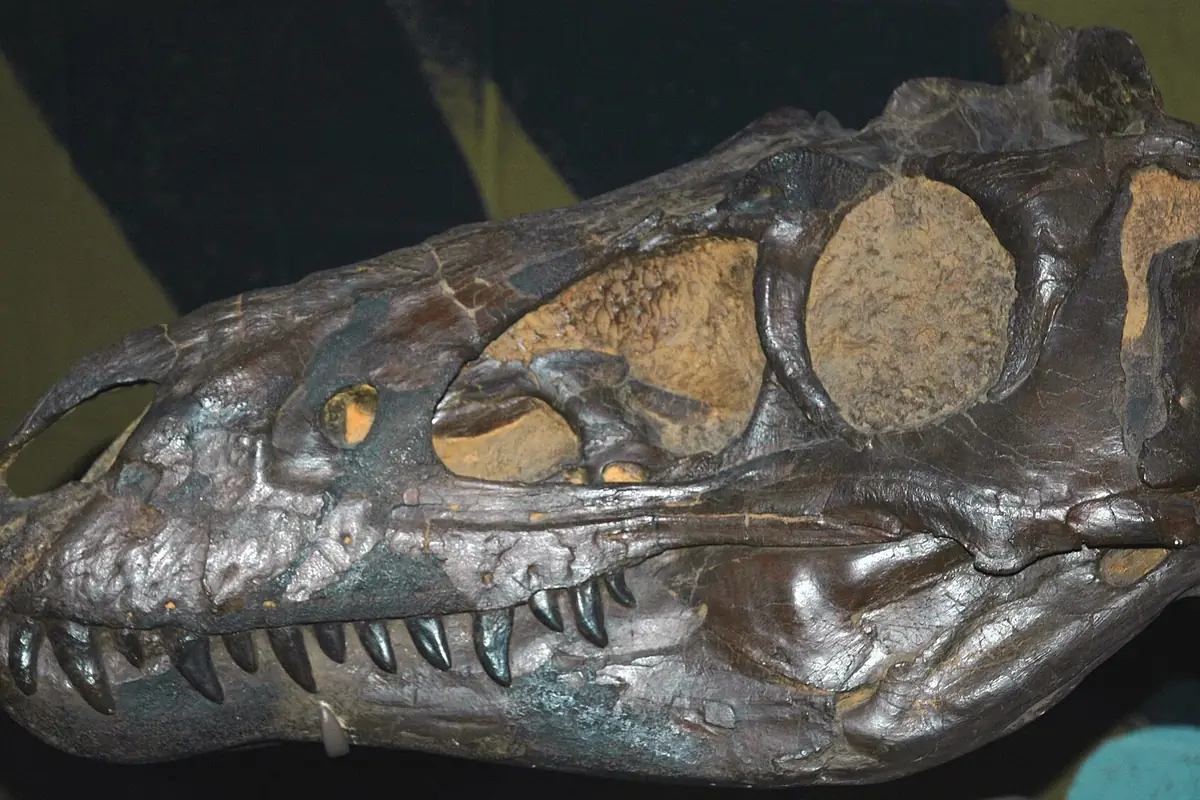
The duel that decided it
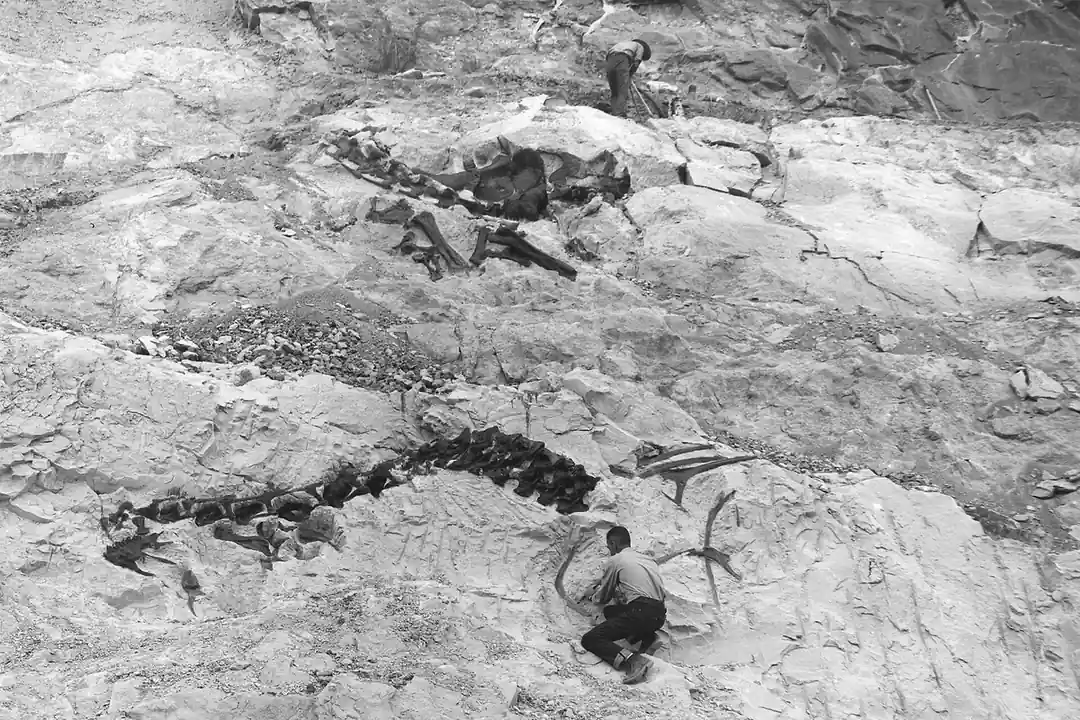
The Dueling Dinosaurs were found in Montana's Hell Creek Formation, the legendary deposit that records the final chapter of the dinosaur era. The specimen pairs a complete Triceratops with the tyrannosaur that apparently died with it — two skeletons entwined in a single block of rock, whether from a genuine fatal encounter or a shared burial, preserved with a completeness palaeontologists rarely get. Specimens this complete are arguments all by themselves: there is no reconstruction guesswork in the skull, the limbs or the vertebrae whose fusion the team measured. When the question is whether an animal was young or grown, completeness is not a luxury — it is the whole case.
And the case matters beyond one genus. Hell Creek's predator guild now reads differently: at the close of the Cretaceous, in the last years before the asteroid, North America's most famous ecosystem supported not one tyrannosaur growing through every predatory niche, but at least two — the colossal T. rex and the smaller, faster Nanotyrannus hunting beside it. Ecosystems behave differently with two apex predators than with one, and every reconstruction of that final dinosaur world — its food webs, its juveniles, its margins — inherits the correction.
Why the argument lasted forty years
The sceptics' position was never foolish. Young animals are not small adults: skulls change shape, proportions shift and teeth turn over as tyrannosaurs grow, and T. rex in particular underwent one of the most dramatic growth transformations known in any land animal. Against that background, a gracile, narrow-skulled tyrannosaur could plausibly be a growth stage — and many specialists held exactly that view, treating Nanotyrannus lancensis, named in 1988 from a skull found decades earlier, as a label for young T. rex. What the new study adds is the test that cuts through shape arguments entirely: maturity is written in bone microstructure and vertebral fusion, not in silhouette. A twenty-year-old that has stopped growing is not anybody's juvenile.
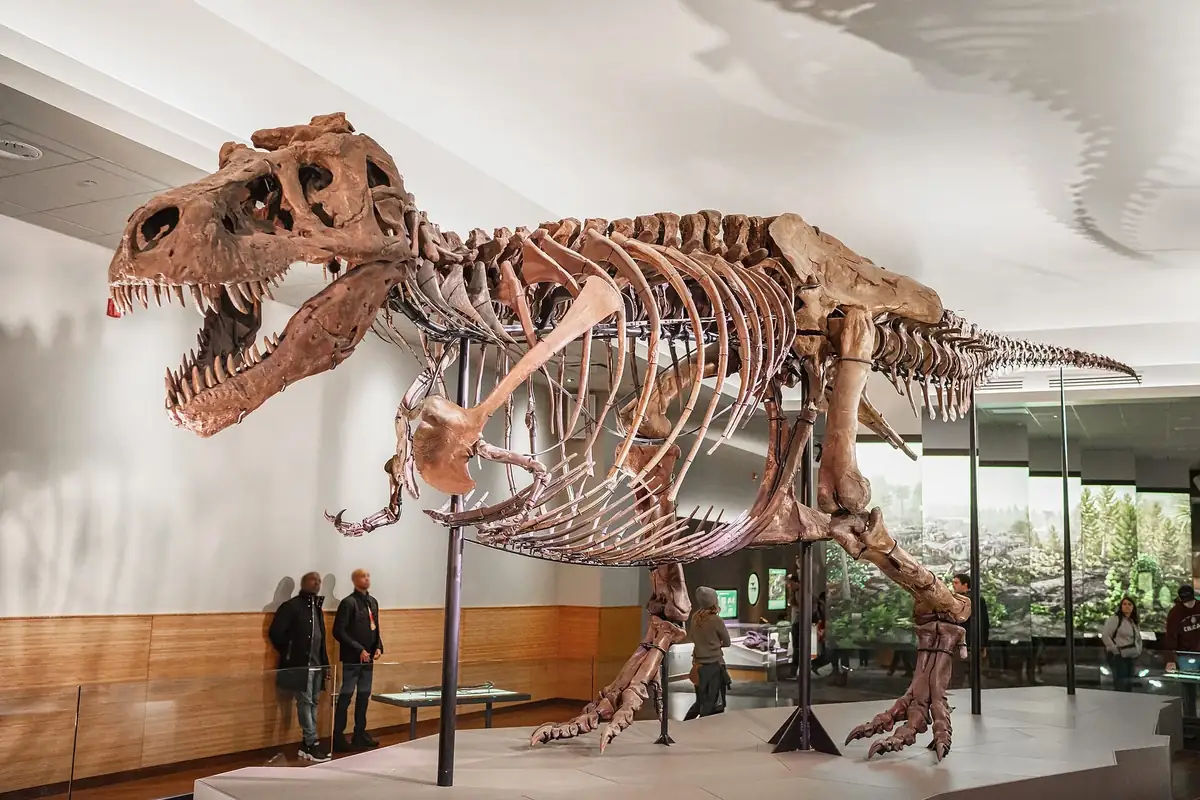
The study's caution deserves recording alongside its conclusion. Palaeontologists quoted in coverage of the paper — among them Steve Brusatte and Jared Voris — represent a field that has been wrong-footed by growth series before and will examine the growth-ring evidence specimen by specimen. That is the normal immune system of science, and the paper's own construction anticipates it: the review of more than 200 tyrannosaur fossils is there precisely so the claim does not rest on a single celebrity specimen. But the direction of travel is now set by the strongest evidence yet produced in the debate.
A skeleton in the news twice
The timing gave the story a second, stranger act. Even as the Nature paper landed, another rare Nanotyrannus skeleton — nicknamed "Jodi" — was reported to be heading to auction on 27 October 2026, as earth.com noted in its coverage: a genus whose very existence science has just finished confirming, going under the hammer as a commercial fossil. The two stories are the same story told in different currencies. In the journal, Nanotyrannus is a data point in the ecology of the last dinosaur world. In the saleroom, it is rarity with a paddle number. The specimen that settled the science, the Dueling Dinosaurs tyrannosaur, sits in a museum — which is, this week's news suggests, exactly where the decisive evidence needs to be.
For readers who met this story as a trending search term, the one-sentence version is this: the small tyrannosaur was real, it grew up small, and it shared the last landscape of the dinosaurs with the largest land predator that ever lived — a neighbour, not a phase. TaazaPulse's international desk covers the science and world stories with a life beyond the region, from South Asia's river treaties to the market-making debut of Jio in Mumbai.
Growing up T. rex — why youth was a reasonable suspect
The juvenile hypothesis survived forty years because T. rex itself made it plausible. Tyrannosaurus underwent one of the most extreme growing-up transformations of any land predator: a leggy, narrow-snouted youngster became, over roughly two decades, a nine-tonne animal with a skull built like a hydraulic press. Growth rewrote everything — the shape of the head, the teeth, the proportions of the limbs, even the animal's ecological job, with youngsters hunting like mid-sized predators before graduating to the apex. In a fossil record full of single specimens and missing growth series, drawing the line between "different species" and "different birthday" is genuinely hard, and the scientists who treated Nanotyrannus as the latter were applying a real pattern, not defending a prejudice. What they lacked was a specimen complete enough, and mature enough, to end the argument. The Dueling Dinosaurs tyrannosaur — entwined with its Triceratops, preserved to the last vertebra, and now held in North Carolina, where Zanno's team could subject it to the full battery of growth tests — was that specimen.
The wider lesson travels beyond one genus. Dinosaur palaeontology is a science of small samples and large conclusions, and its history is littered with names that turned out to be growth stages, sexes or distortions of other names, just as it is with names — like Nanotyrannus — that turned out to be real animals hiding inside a sceptical consensus. The method that settled this case is the field's answer to its own history: do not argue from silhouette; read the bone. Growth rings do not care about reputations. And the ecosystem that emerges on the far side of the argument is richer than the one it replaces — a final dinosaur world crowded enough to hold two tyrants, each hunting its own way, in the last years before the sky fell.
Sources
This report is based on reporting, official statements and documents from:
Frequently Asked Questions
What did the new Nanotyrannus study prove?
The study, published in Nature by Lindsay Zanno (North Carolina State University) and James Napoli (Stony Brook University), proved that Nanotyrannus was a real, distinct species. The tyrannosaur in the 'Dueling Dinosaurs' fossil was about twenty years old and physically mature — shown by growth rings in its bones and fused spinal vertebrae — so it cannot have been a juvenile T. rex. The paper is titled 'Nanotyrannus and T. rex coexisted at the close of the Cretaceous' (DOI: 10.1038/s41586-025-09801-6).
What are the Dueling Dinosaurs?
A fossil specimen from Montana's Hell Creek Formation preserving a Triceratops and a tyrannosaur together in a single block — two skeletons entwined, apparently having died together. Its completeness made it the decisive evidence in the Nanotyrannus debate, because maturity could be read directly from its bones.
Why did scientists doubt Nanotyrannus for so long?
Young tyrannosaurs are not small adults: skulls and proportions change dramatically as T. rex grows, so a slim, narrow-skulled tyrannosaur could plausibly have been a growth stage of T. rex. Many specialists held that view for decades after Nanotyrannus lancensis was named in 1988. Bone growth rings and vertebral fusion — evidence of finished growth — are what finally cut through the shape argument.
What is Nanotyrannus lethaeus?
A second Nanotyrannus species named by the same research team in the course of reviewing more than 200 tyrannosaur fossils for the study. Its name evokes the River Lethe of Greek myth — a nod to a genus science spent decades trying to dissolve into another.
Did Nanotyrannus really live alongside T. rex?
Yes — that is the paper's central conclusion. At the close of the Cretaceous, the Hell Creek ecosystem supported at least two tyrannosaurs with different builds and hunting styles: the colossal T. rex and the smaller, faster Nanotyrannus.
Is the debate completely closed?
The Nature evidence is the strongest yet produced, and it has shifted the field's centre of gravity. Some specialists quoted in coverage, including Steve Brusatte and Jared Voris, represent the normal scientific caution the growth-ring evidence will now be tested against specimen by specimen. Separately, a rare Nanotyrannus skeleton nicknamed 'Jodi' was reported to be headed to auction on 27 October 2026.