Balochistan High Court Seeks Report on Water Shortage in Hazara Town and Hazarganji
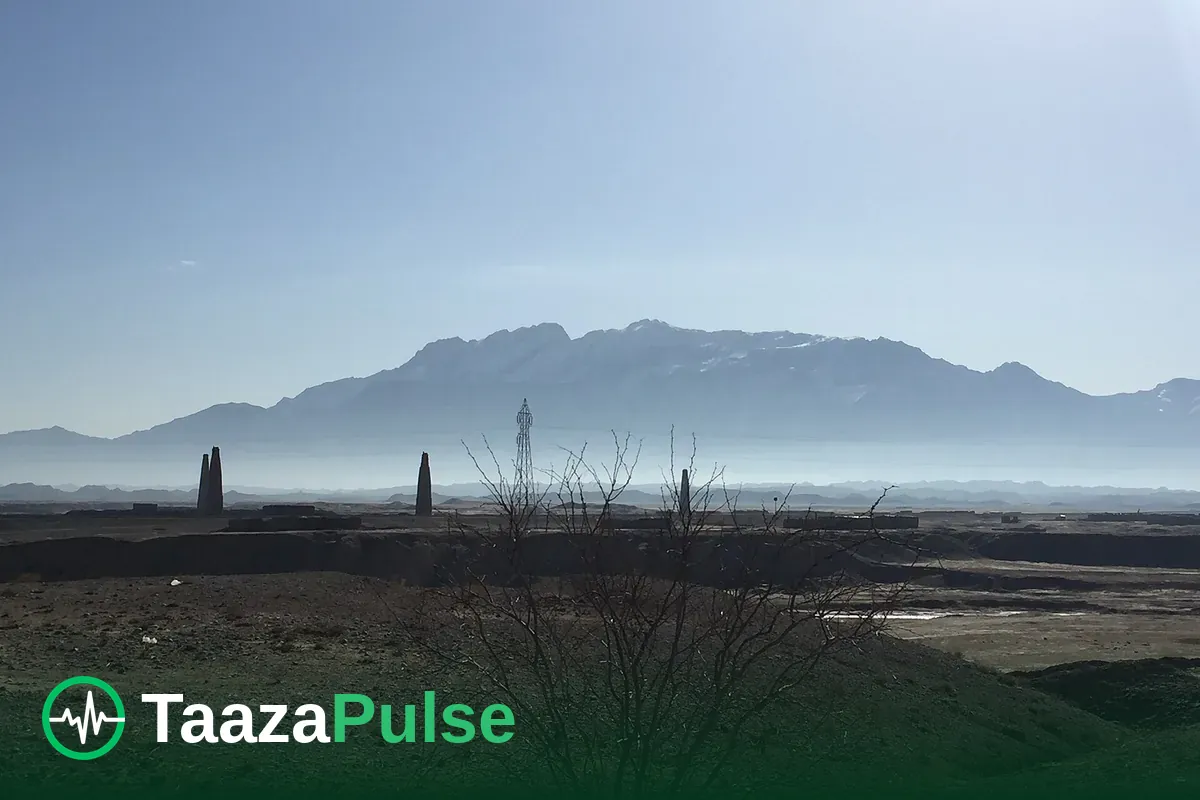
The Balochistan High Court has ordered Quetta's most senior water officials to appear before it in person, with a comprehensive report, after expressing concern that years of its own orders have not fixed the drinking-water shortage in Hazara Town, Karkhsa and Hazarganji. A two-member bench comprising Chief Justice Muhammad Kamran Khan Mulakhail and Justice Muhammad Najmuddin Mengal heard the case on Friday 30 October 2026 and adjourned further proceedings until 2 November, directing the officials to ensure compliance with its instructions by then. The order is the latest turn in a constitutional petition filed on 21 September 2023 — more than three years ago — and it captures, in a single hearing, why the case has dragged on: the water authority says work is progressing, the residents' lawyer says taps in Hazara Town are still dry, and the court is no longer willing to accept progress reports at a distance.
The bench's direction is unusually specific, and that specificity is the story. It directed the Commissioner of Quetta Division, the Deputy Commissioner of Quetta, the Managing Director of the Quetta Water and Sanitation Authority (WASA), WASA's Chief Engineer, the Secretary of Public Health Engineering (PHE) and other relevant officials to appear in person at the next hearing and submit a comprehensive report. It separately directed the Deputy Commissioner of Quetta, in his capacity as Chairman of the Balochistan Groundwater Rights body, to provide details of the total number of installed and operational tube wells in the area, including their particulars and legal status. Copies of the court order were also directed to be sent to the relevant authorities and to the office of the Advocate General of Balochistan for necessary information and compliance. In other words, the court wants names, numbers and legal status — not assurances.
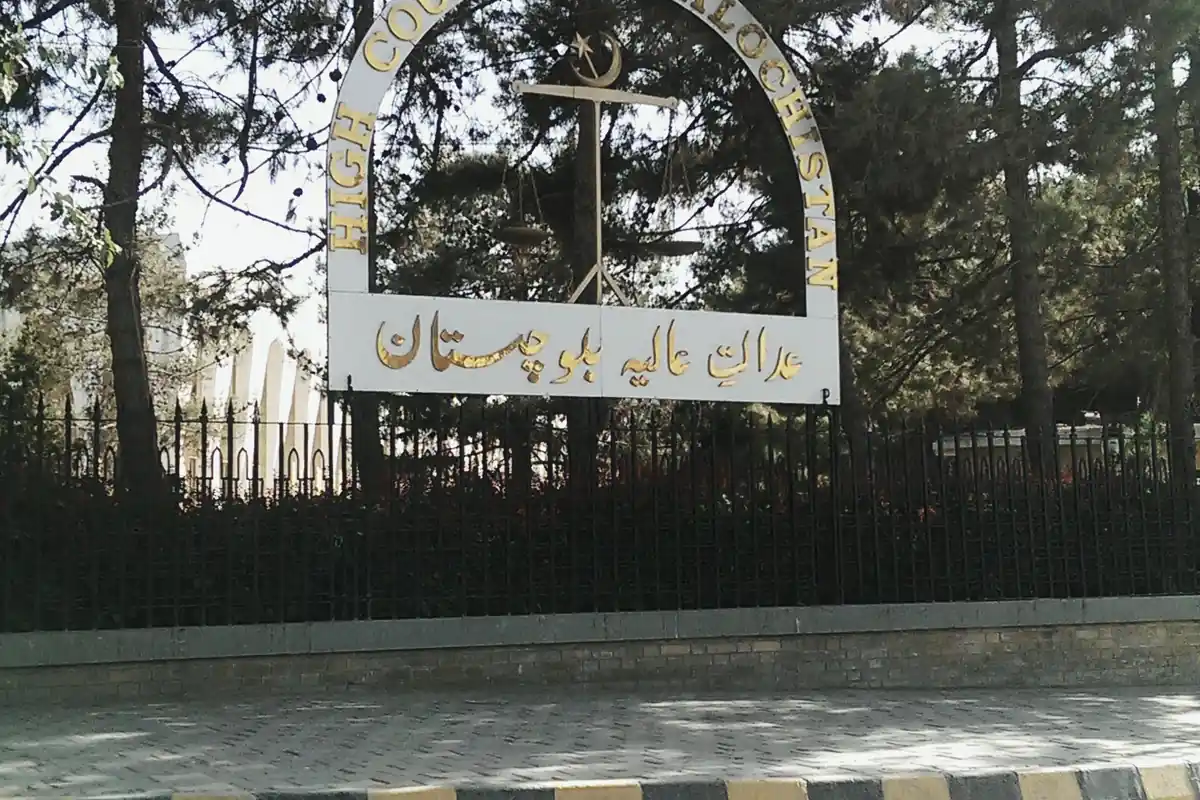
A petition from 2023, and a monopoly allegation
The petition concerns the provision of drinking water in Hazara Town, Karkhsa and Hazarganji, three localities in and around Quetta, and it carries a second, sharper complaint alongside the shortage itself: the alleged monopoly of private tube-well owners over water supply. That allegation matters because it reframes the shortage. If residents must buy water from private operators at prices those operators set, then the problem is not only that public supply is short — it is that the shortfall has created a private market in a basic necessity, and that the public system meant to replace it has not caught up. Counsel for the petitioner told the court that residents, particularly those living in Hazara Town, still lacked adequate access to drinking water, and that private tube-well owners had established a monopoly over supply.
The lawyer's argument went further, and it is the part of the hearing that most directly challenges the authorities. Despite court orders issued on 9 October 2025 and 1 December 2025, he argued, no effective measures had been taken to prevent private tube-well owners from using WASA pipelines and selling water. The dates matter: they show that the court has already intervened on this exact point at least twice in the past year, and that the petitioner's side considers those interventions unimplemented. When a court has to repeat an order, the question stops being whether the order was clear and becomes whether anyone was made to follow it.
What WASA told the court
WASA's account, as presented by its Executive Engineer, was one of work under way rather than work finished. The engineer told the bench that tube wells in the Karkhsa area had been made operational, and that the installation of 11 tube wells in Hazarganji had also been completed. He further informed the court that a no-objection certificate (NOC) had now been issued in favour of WASA, and expressed the expectation that the remaining work would be completed within the next five to six months. The bench, however, expressed concern over delays by the relevant authorities in complying with court orders, and observed that despite multiple orders and repeated directions, WASA had yet to demonstrate satisfactory progress.
Read together, the two accounts describe the same situation from opposite ends. WASA points to completed installations and a cleared NOC as evidence of movement; the petitioner's counsel points to dry taps in Hazara Town as evidence that movement has not reached the people the petition was filed for. Both can be true at once — tube wells can be installed in one locality while another locality still waits — which is precisely why the court's demand for a locality-by-locality account, with the number, particulars and legal status of every tube well, is more useful than another general progress report. The next hearing, on 2 November, will test whether that account is produced, and whether it survives the petitioner's scrutiny.
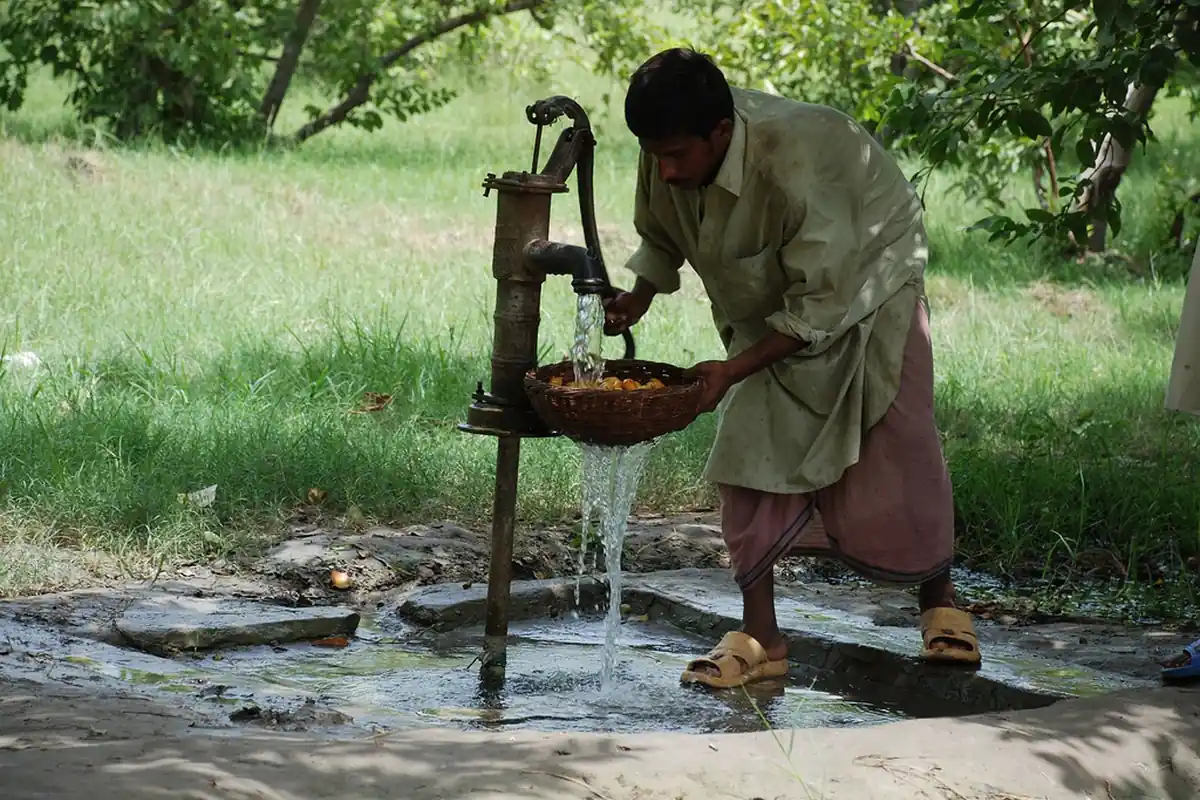
Why Hazara Town's case has become a test case
Hazara Town's water crisis is not new, and the court file shows how long it has been litigated. In an earlier hearing in the same proceedings, reported by Dawn in October 2025, a bench comprising Chief Justice Mulakhail and Justice Gul Hassan Tareen heard that about 700,000 gallons of water were being supplied to Hazara Town daily — through a system originally planned for only 260 homes but now stretched to serve 3,200 residential units. That single mismatch explains much of the dispute: infrastructure designed for a small settlement is being asked to serve a population many times larger, and every year of growth widens the gap. At that hearing, officials said some reservoirs and tube wells remained incomplete for lack of funds, and the court was told that Rs20 billion had been allocated under the current Public Sector Development Programme, including Rs400 million specifically for 40 new tube wells in suburban Quetta. Of nine tube wells in Kharkhsa, all were operational, yet the Hazara Town crisis was described as only 40 per cent resolved.
That 2025 hearing also shows what the court has already tried. It instructed the departments concerned to prepare a comprehensive plan for underground water reservoirs and overhead tanks, and to submit proposals for the solarisation of water supply schemes — an acknowledgement that Quetta's water problem is also an energy problem, since tube wells that cannot run reliably cannot supply reliably. The departments were ordered to submit a progress report by 6 November 2025. A year later, the court is again demanding a report, again in person, and again with a deadline measured in days rather than months. The pattern is the point: the litigation has produced plans, allocations and installations, but the residents' core complaint — that water does not reliably reach their homes — has outlasted them all.
Quetta's wider water stress
Quetta's difficulty is structural, not only administrative. The city sits in an arid valley and depends heavily on groundwater, pumped through tube wells, in a province where drought is a recurrent condition rather than an exception. Balochistan's own water pressures run beyond the capital's taps: in July 2026 the provincial government protested that Sindh was supplying 46 per cent less canal water than Balochistan's allocated share, a separate dispute about irrigation water that provincial officials said was worsening shortages for farmers and households alike. That canal dispute and the Hazara Town case are different problems — one about inter-provincial shares, the other about a city's own supply system — but they share a root cause: in a water-scarce province, every allocation decision becomes a contest, and the people with the least leverage, usually residents of poorer neighbourhoods, feel the shortfall first.
The private tube-well monopoly allegation sits in that same context. Where public supply is unreliable, private supply fills the gap, and where private supply fills the gap, the incentive to fix public supply weakens — for everyone except the residents paying for water twice, once through the system and once at the tanker or the private tap. The court's insistence on the legal status of each tube well is therefore not bureaucratic detail. A tube well operating without legal standing, or drawing on a public pipeline to sell water privately, is not a solution to the shortage; it is a transfer of a public resource into private hands. Establishing which tube wells are legal, which are operational, and which are which is the precondition for deciding what to regularise, what to shut down and what to replace with public supply.
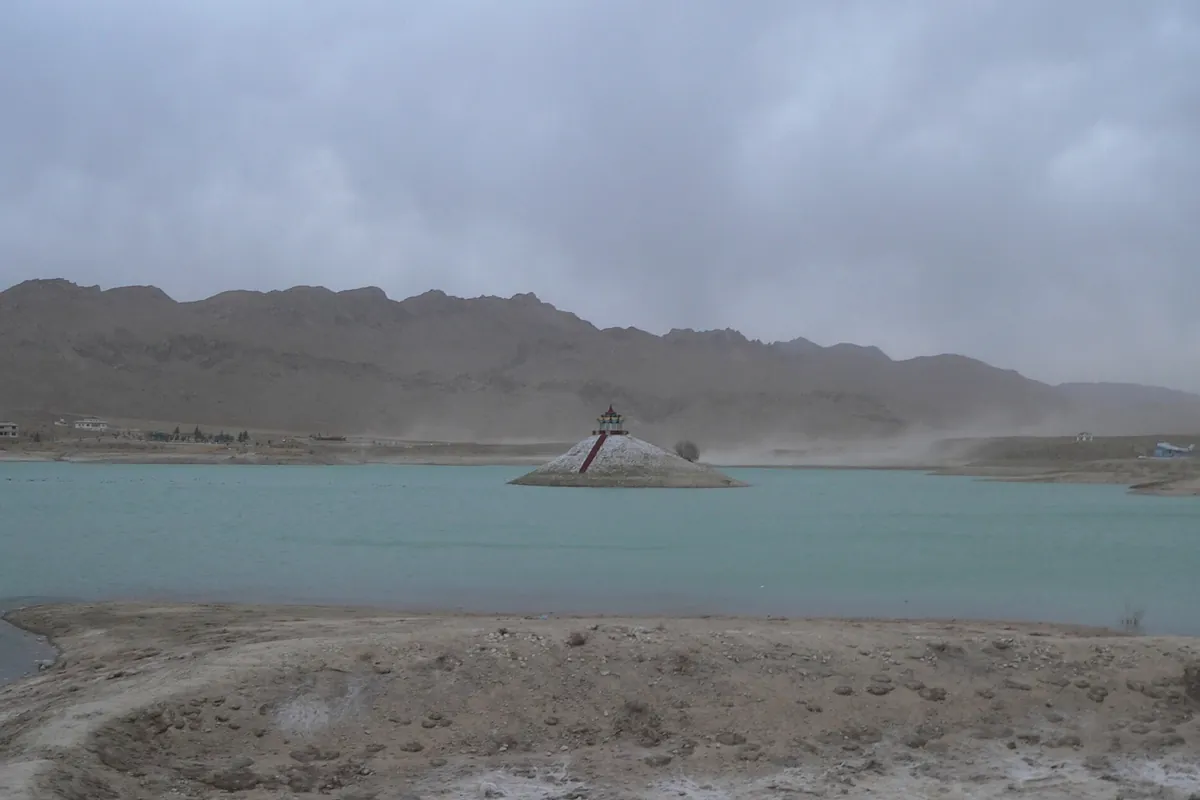
What happens on 2 November
Four things will be watched at the next hearing. First, whether the named officials actually appear in person, as directed, rather than sending representatives or written replies. Second, whether the comprehensive report covers all three localities — Hazara Town, Karkhsa and Hazarganji — rather than the areas where progress is easiest to show. Third, whether the Deputy Commissioner's tube-well account, with particulars and legal status, answers the monopoly allegation directly: how many private tube wells exist, how many are authorised, and what has been done about those using WASA pipelines. Fourth, whether the court sets a firmer consequence for non-compliance, given that its October and December 2025 orders did not, on the petitioner's account, produce effective measures.
What the hearing did not do is also worth recording. No new water allocation, funding figure or completion date was announced by the court, and WASA's five-to-six-month estimate for remaining work is the authority's expectation, not a court-imposed deadline. No finding was made against any individual official, and no private tube-well owner was named in the reporting of the hearing. Residents of Hazara Town therefore head into the weekend with an order that promises accountability on Monday, but no water that was not already flowing on Friday. That distinction — between a court order and a working tap — is the one the 2 November hearing will be judged by, and it is the reason this case, filed by residents of one Quetta neighbourhood in 2023, is now a test of whether Balochistan's water institutions answer to the people they serve.
TaazaPulse will follow the 2 November hearing and update this report with the officials' account and the court's response. Readers in Quetta who are affected by the shortage can treat the tube-well particulars ordered by the court — numbers, locations and legal status — as the document to ask for when the report is filed.
Sources
This report is based on reporting, official statements and documents from:
- Dawn — Balochistan High Court seeks report on water shortage (30 Oct 2026, queue 18553048b09cb736; Dawn URL not captured from the syndicated feed — headline and hearing corroborated by Balochistan Express below)
- Daily Balochistan Express — BHC seeks report on water shortage in Hazara Town and Hazarganji (30 Oct 2026 hearing: bench, petition, WASA account, directions, 2 Nov adjournment)
- Dawn via The Free Library — Quetta's water woes in the spotlight at Balochistan High Court hearing (15 Oct 2025: same proceedings, 700,000 gallons, 260 homes vs 3,200 units, Rs20bn PSDP)
- Wikimedia Commons — Quetta valley; High Court of Balochistan entrance arch; hand pump in rural Pakistan; Hanna Lake Quetta (image credits; all file photos, none a hearing photo)
Frequently Asked Questions
What did the Balochistan High Court order on 30 October 2026?
A two-member bench comprising Chief Justice Muhammad Kamran Khan Mulakhail and Justice Muhammad Najmuddin Mengal directed the Commissioner of Quetta Division, the Deputy Commissioner of Quetta, the Managing Director of WASA, WASA's Chief Engineer, the Secretary of Public Health Engineering and other relevant officials to appear in person at the next hearing and submit a comprehensive report on drinking water in Hazara Town, Karkhsa and Hazarganji. The court adjourned further proceedings until 2 November 2026 and directed that copies of its order be sent to the relevant authorities and to the Advocate General of Balochistan.
What is the petition about, and when was it filed?
The constitutional petition was filed on 21 September 2023 and concerns the provision of drinking water in Hazara Town, Karkhsa and Hazarganji in and around Quetta. Alongside the shortage itself, it alleges that private tube-well owners have established a monopoly over water supply in these areas. The bench expressed concern over delays by the relevant authorities in complying with court orders, observing that despite multiple orders and repeated directions, WASA had yet to demonstrate satisfactory progress.
What did WASA tell the court, and why did the petitioner's lawyer dispute it?
WASA's Executive Engineer told the bench that tube wells in the Karkhsa area had been made operational, that the installation of 11 tube wells in Hazarganji had been completed, that a no-objection certificate had now been issued in favour of WASA, and that the remaining work would be completed within the next five to six months. Counsel for the petitioner disputed this picture, arguing that residents — particularly in Hazara Town — still lacked adequate access to drinking water, and that court orders issued on 9 October 2025 and 1 December 2025 had not been effectively implemented to stop private tube-well owners from using WASA pipelines and selling water.
What must the Deputy Commissioner of Quetta specifically report?
The court directed the Deputy Commissioner of Quetta, in his capacity as Chairman of the Balochistan Groundwater Rights body, to provide details of the total number of installed and operational tube wells in the area, including their particulars and legal status. That demand goes to the heart of the monopoly allegation: establishing which tube wells exist, which are operational, and which are legally authorised is the precondition for deciding what to regularise, what to shut down, and what to replace with public supply.
How long has Hazara Town's water case been running, and what happened at the earlier hearing?
The case has been running since September 2023. At an earlier hearing in the same proceedings, reported by Dawn in October 2025, a bench comprising Chief Justice Mulakhail and Justice Gul Hassan Tareen heard that about 700,000 gallons of water were being supplied daily to Hazara Town through a system originally planned for only 260 homes but now stretched to serve 3,200 residential units. Officials cited incomplete reservoirs and tube wells for lack of funds, and the court was told Rs20 billion had been allocated under the Public Sector Development Programme, including Rs400 million for 40 new tube wells in suburban Quetta — yet the crisis was described as only 40 per cent resolved.
What happens next, and what was not decided at this hearing?
The next hearing is on 2 November 2026, when the named officials must appear in person with the comprehensive report and the tube-well account. What to watch: whether all three localities are covered, whether the report answers the monopoly allegation directly, and whether the court sets a firmer consequence for non-compliance. What was not decided: no new water allocation, funding figure or court-imposed completion deadline was announced — WASA's five-to-six-month estimate is the authority's expectation, not a court deadline — and no finding was made against any individual official or named private tube-well owner.