Lahore Hits 419 AQI, the World's Worst Air, as Punjab's Smog Crackdown Bites
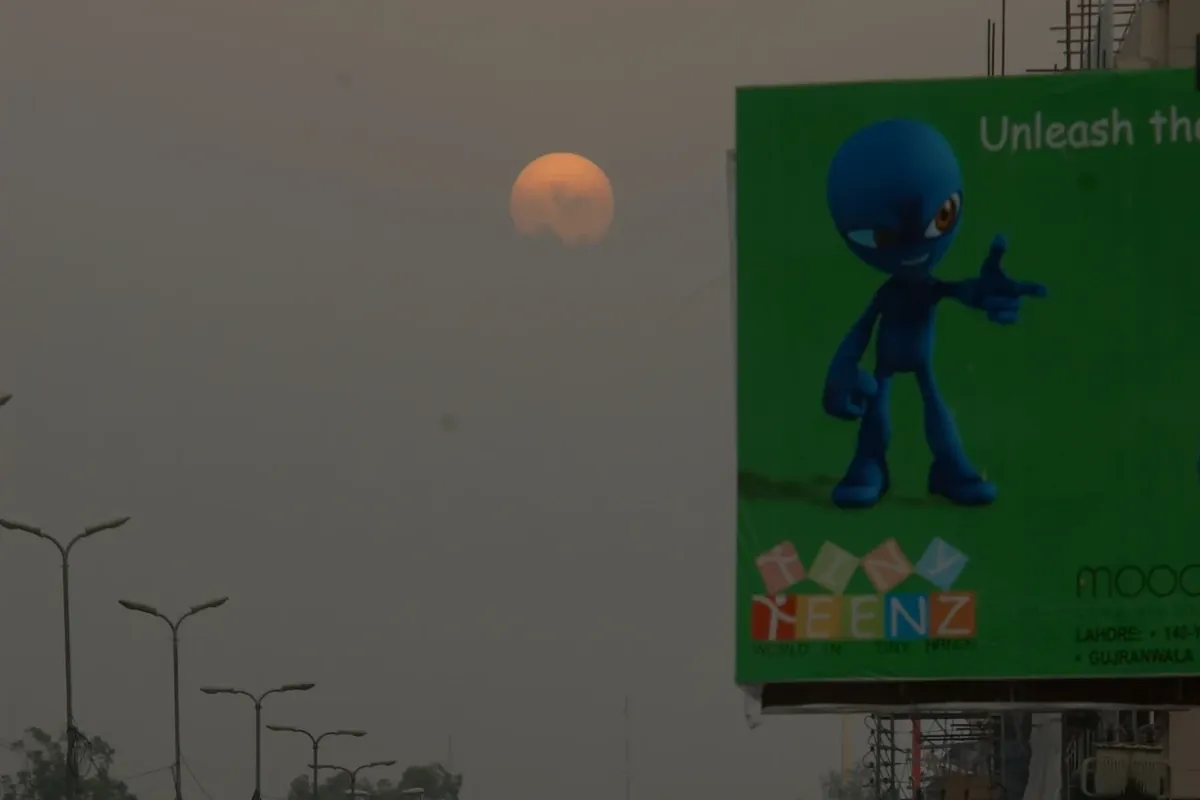
Lahore woke up on Thursday to the worst air of any major city on earth. Between 10am and 11am, the Swiss monitoring platform IQAir put the city's air quality index at 419 — deep in the "hazardous" band, far ahead of Cairo at 274 and New Delhi at 220 — while the Punjab government's own dashboard showed 324 for Lahore, 348 for neighbouring Kasur and 290 for Faisalabad. It was the latest peak in a month in which Lahore has topped the global pollution ranking on most days, and it arrived on the same day the province published the full scale of its pre-smog enforcement: 197 brick kilns demolished, 163 sealed and fines of Rs40.7 million imposed in a single month-long crackdown.
The two halves of the story belong together. One is the air itself — still, damp and trapped, with the Meteorological Department recording wind of just 5 kilometres per hour on Wednesday, humidity at 74 per cent and a minimum temperature of 16 degrees, the autumn mix that holds particulate matter close to the ground. The other is the enforcement machine Punjab has built to fight it: 11,580 brick-kiln inspections between 28 September and 27 October, drone surveillance, special night squads, and action against industry, plastic burning, construction dust and crop fires. The question Thursday's numbers pose is whether the machine is yet big enough for the problem.
Thursday morning: 419, then a midday easing
The morning peak was not an outlier. On Wednesday the citywide index stood at 358, with Allama Iqbal Town recording 605, according to IQAir data cited in local reporting. A day earlier, Dawn reported Lahore ranked the world's most polluted major city on Wednesday morning with an index of 296 at 10am, ahead of Cairo at 289, Delhi at 272, Tashkent at 186 and Karachi at 173. Lahore had also topped the ranking on 2 October with 167, and had been classified hazardous the previous week. The pattern is a staircase, not a spike: each cold, still week pushes the baseline higher.
Conditions eased around midday on Thursday, with IQAir putting Lahore at 183 by 1pm. That easing matters, and it also misleads. A reading of 183 is still "unhealthy" on the US scale, and the midday dip is a daily rhythm — sun and a little mixing lift the worst of the morning's trapped layer — not a recovery. The Punjab dashboard's lower morning figure of 324, against IQAir's 419, is a reminder that the two systems measure different things in different places: government monitors and private sensors disagree by design, and the honest reading is that both put Lahore far beyond the hazardous threshold of 300.
The crackdown in numbers: kilns, factories, plastic, dust
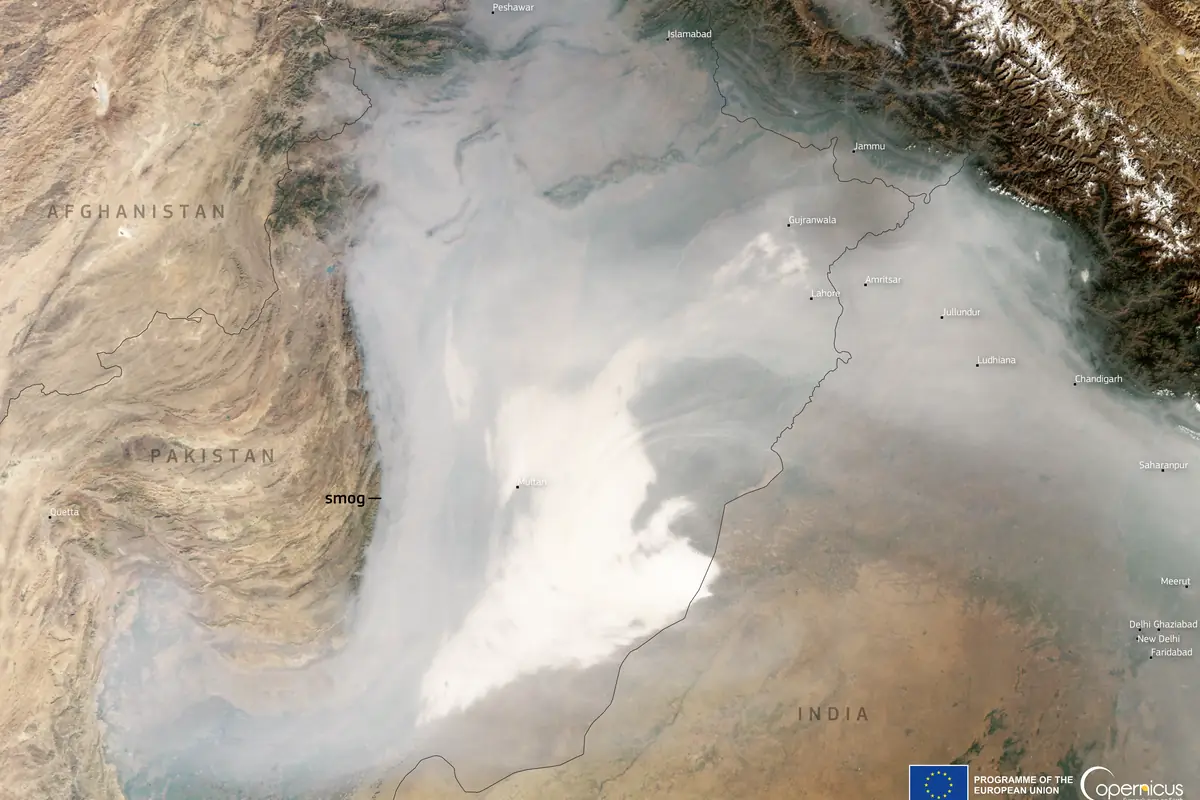
The Environment Protection Agency's month of enforcement, reported by The News and Capital News Point from official figures for 28 September to 27 October, is the most detailed anti-smog ledger Punjab has published. Against brick kilns: 11,580 inspections, 314 smog notices, 197 non-compliant kilns demolished, 163 sealed, 162 first information reports registered and Rs40.7 million in fines. Against industry: 6,650 units inspected, 22 demolished, 191 sealed, 333 smog notices, 15 cases registered and Rs28 million in fines. Against plastic burning: 6,064 locations inspected, 45,100 kilograms of plastic seized and 152 locations sealed. Inspectors also checked suction-hood installation at 4,204 industrial units, sealing 333 that failed to comply, ran dust-control operations across 397 union councils with mist sprinklers at 49 locations, and deployed 67 quick-response units in agricultural areas to prevent crop-residue burning, identified through satellite and field monitoring.
EPA Director General Abdullah Nayyar Sheikh described the approach as data-driven and zero-tolerance, with field monitoring and surveillance identifying violations and special squads active day and night so polluters cannot simply wait out an inspection. Anti-smog guns are in use in Lahore, and the agency says it is procuring 30 more modern fog cannons mounted on electric trucks for deployment where particulate readings are highest. The scale is real. So is the gap: Punjab has roughly 20,000 brick kilns by commonly cited estimates, so 197 demolitions in a month is about one per cent of the sector, and the demolished units are the non-compliant ones — the compliant kilns keep firing, legally, into the same still air.
The missed-rain argument: experts vs the official line
The sharpest criticism this week is not about enforcement but about a missed opportunity. Air quality specialists quoted in local reporting say the Punjab government let several cloudy October days pass without seeding them for artificial rain — days when, in their argument, a heavy shower could have washed the smog out of the city at least once. When experts pressed officials, they say, they were told the government was going to use technology capable of removing microscopic pollutants without causing rain — technology the specialists say they have no information about from experts anywhere in the world.
The official side, as reported to Dawn, points in a different direction: EPA spokesperson Sajid Bashir said the agency is monitoring industries and has installed recording devices, that changing weather is contributing to the smog, and that easterly winds are consistently pushing polluted air from India's border regions into Lahore, worsening conditions across central Punjab. Development work in Lahore and other cities is also contributing, he said. Both accounts can be partly true — cross-border drift, local emissions and still weather all load the same sky — but they point to different remedies, and the rain argument will not go away until either a seeding operation happens or the government explains, in technical detail, what its alternative technology is.
What the smog does to a body — and what doctors advise
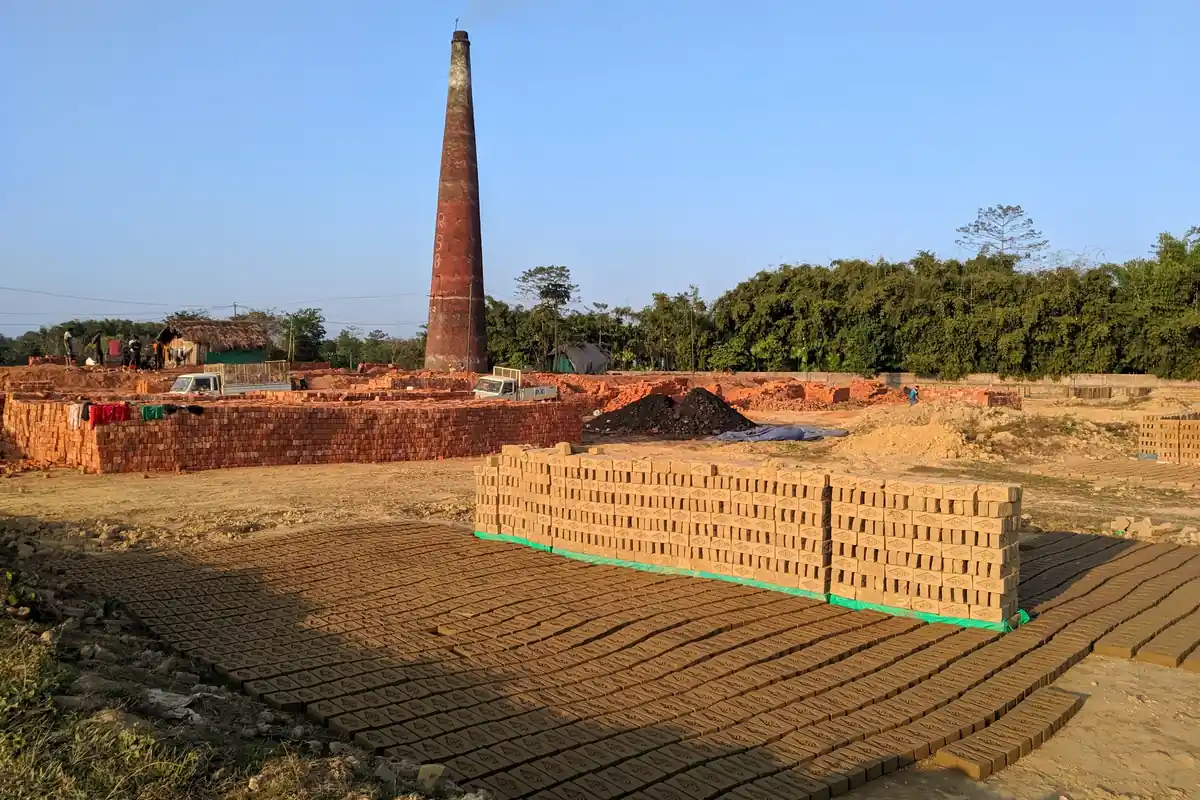
Medical experts quoted on Thursday gave the same advice they give every smog season, because the exposure has not changed: avoid unnecessary outdoor activity, wear a filter mask such as an N95 if going outside is unavoidable, and keep the windows and doors of homes and offices closed. The advice is aimed first at children, the elderly and people with asthma or heart disease, whose symptoms — coughing, red and irritated eyes, breathlessness — arrive first and worst. Schools halted outdoor activities on Tuesday, according to local reporting, and visibility has dropped sharply across the city, a hazard in itself on roads already carrying the season's slow, headlight-lit traffic.
The health arithmetic behind the advice is stark. The government's own clean-air announcement this week — a $10 million startup fund unveiled by Climate Change Minister Musadik Malik at Islamabad's Clean Air Conference on 28 October — put the cost of dirty air at an estimated 6.5 per cent of GDP, in illness, hospital bills and damaged childhoods. That fund is a bet on sensors, filters and clean technology over years. Thursday's AQI of 419 is the bill for this week. The two timescales are the central tension of Punjab's smog policy: enforcement and innovation measured in months and years, against lungs measured in days.
Why Lahore, why now, why every year
Lahore's smog is seasonal because its ingredients are seasonal. As temperatures fall, the air near the ground cools and stills, trapping what the city emits. Vehicles, factories, brick kilns and construction dust supply the local share; crop-residue fires across the wider plains supply the regional share; and easterly winds carry an additional load across the border. The European Union's Copernicus analysis published on 1 October placed Lahore among the cities with "extremely poor" ozone levels, a reminder that the problem is not only the visible winter haze but year-round photochemical pollution that the winter simply makes visible.
None of this is new, which is precisely why Thursday's numbers sting. Lahore has topped the global list in previous winters, schools have closed, courts have intervened, and every government has announced a crackdown. What is new this year is the granularity of the enforcement ledger — kilns, factories, plastic tonnage, union councils counted one by one — and the government's willingness to publish it. That transparency cuts both ways: it proves the machine is working, and it lets the public measure, month by month, whether working is enough.
What to watch next
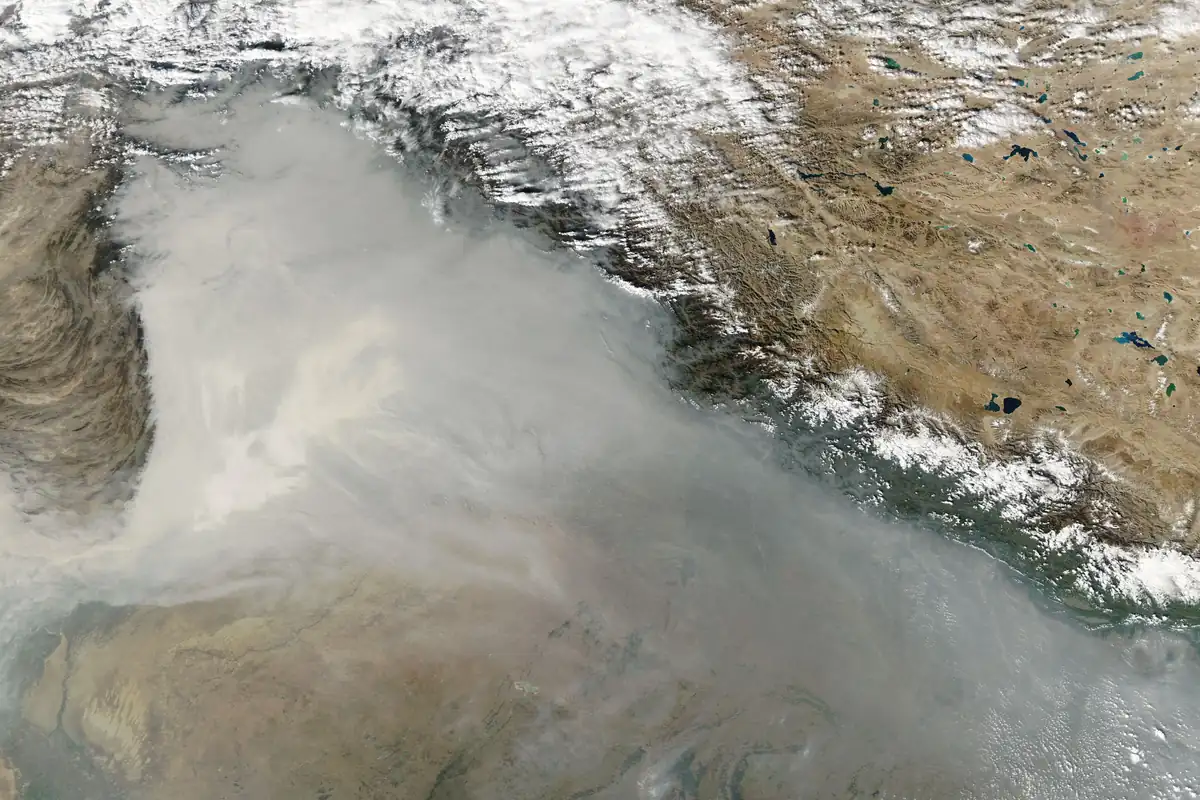
Three things will decide whether this smog season is different. First, the next cloudy spell: whether Punjab attempts cloud seeding, and publishes the result, will settle the artificial-rain argument one way or the other. Second, the kiln numbers for November: demolitions and seals must rise faster than the sector's non-compliant share, or the ledger becomes a press release rather than a programme. Third, the district spread: Kasur at 348 and Faisalabad at 290 on Thursday morning show this is a provincial crisis, not a Lahore one, and the 67 crop-burning response units will be judged by whether the satellite fire counts fall.
For Lahore's residents, the practical guidance has not changed since the first hazardous morning of the season: check the index before going out, keep children indoors on the worst mornings, wear a proper mask rather than a cloth one when outside is unavoidable, and treat a sore throat and streaming eyes as exposure, not a cold. The air will lift with the first real rain or a sustained wind. Until then, the city is living inside its own exhaust — and counting, kiln by kiln, how hard its government is trying to clear it.
Sources
This report is based on reporting, official statements and documents from:
Frequently Asked Questions
How bad was Lahore's air on Thursday morning?
Between 10am and 11am, IQAir put Lahore's air quality index at 419 — deep in the hazardous band, far ahead of Cairo at 274 and New Delhi at 220. The Punjab government's own dashboard showed 324 for Lahore, 348 for Kasur and 290 for Faisalabad; both systems put Lahore far beyond the hazardous threshold of 300.
What did Punjab's anti-smog crackdown achieve in a month?
Between 28 September and 27 October, the Environment Protection Agency carried out 11,580 brick-kiln inspections, demolished 197 non-compliant kilns, sealed 163, registered 162 cases and imposed Rs40.7 million in fines. Against industry it inspected 6,650 units and fined Rs28 million; against plastic burning it seized 45,100 kilograms of plastic.
What is the artificial-rain argument?
Air quality specialists quoted in local reporting say the government let several cloudy October days pass without seeding them for artificial rain, when a heavy shower could have washed the smog out at least once. Officials say they will use technology capable of removing microscopic pollutants without rain — technology the specialists say they have no information about from experts anywhere in the world.
What do doctors advise during smog?
Avoid unnecessary outdoor activity, wear a filter mask such as an N95 if going outside is unavoidable, and keep windows and doors closed. Children, the elderly and people with asthma or heart disease are affected first and worst; schools halted outdoor activities on Tuesday.
Why is Lahore's smog seasonal?
As temperatures fall, the air near the ground cools and stills, trapping what the city emits. Vehicles, factories, brick kilns and construction dust supply the local share; crop-residue fires supply the regional share; and easterly winds carry an additional load across the border. The EU's Copernicus analysis on 1 October placed Lahore among cities with extremely poor ozone levels.
What should be watched next in this smog season?
Three things: whether Punjab attempts cloud seeding at the next cloudy spell and publishes the result; whether November's kiln demolition and sealing numbers rise faster than the sector's non-compliant share; and whether the satellite fire counts fall, judging the 67 crop-burning quick-response units. Kasur at 348 and Faisalabad at 290 show this is a provincial crisis, not a Lahore one.