PTI Affirms Sohail Afridi Remains KP Chief Minister, Bars Any Replacement Move
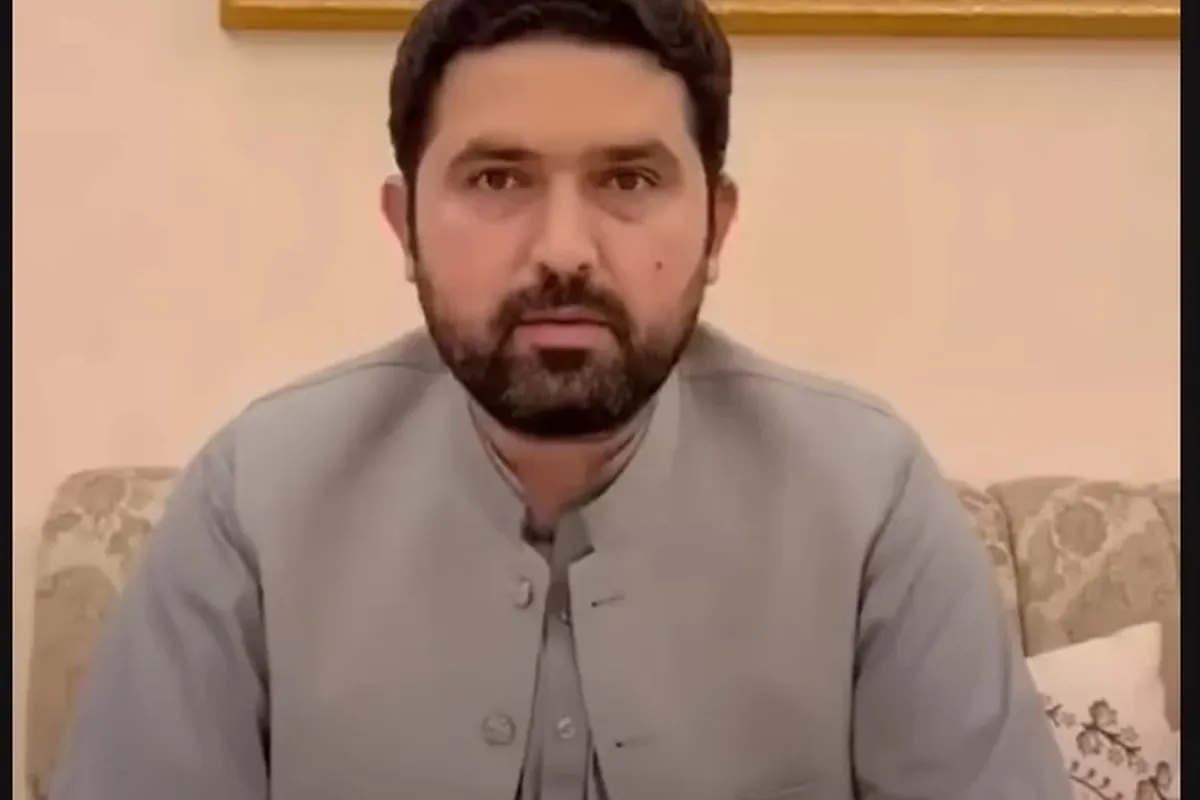
Pakistan Tehreek-e-Insaf has moved to end speculation about its leadership in Khyber Pakhtunkhwa, declaring on Thursday that Sohail Afridi remains the province's chief minister and that the party is not considering anyone else for the post. The statement came in a notification from the party's central secretariat, issued, in the party's words, for clarity and emphasis, at a moment when Afridi has not been seen in public since the Centre imposed governor's rule and an emergency in the province on 11 October.
The notification states that Afridi remains and shall continue as chief minister with the confidence and support of the party's founder, former prime minister Imran Khan. It directs all PTI members, office-bearers, parliamentarians and functionaries not to convene or take part in any meeting, agenda, proposal or discussion concerning the nomination, replacement or consideration of anyone else for the chief minister's office. It adds that no one other than the founding chairman has the authority to nominate an alternative or alter the decision, and that his decisions are final and binding.
PTI Chairman Barrister Gohar Ali Khan also posted about the notification on X. According to Dawn's report of the development, Gohar praised members of the party in the Khyber Pakhtunkhwa Assembly for staying loyal to Imran Khan, while saying the notification had become necessary because of speculation on social media and on some television channels. The message, in other words, was aimed as much at the party's own ranks and at the rumour mill as at the federal government.
The timing matters. Afridi was named chief minister after his predecessor, Ali Amin Gandapur, stepped down on Imran Khan's directive in early October. Within days, on 11 October, President Asif Ali Zardari imposed governor's rule and an emergency in Khyber Pakhtunkhwa on the advice of Prime Minister Shehbaz Sharif's federal cabinet, citing a deteriorating security situation and what the Centre described as the provincial government's failure to act against terrorism. The next day, a federal minister confirmed that Afridi and some cabinet members were in preventive custody. Since then, Afridi has not been seen publicly, and the provincial government he led has been rendered non-functional by the federal takeover.
Why the party felt it had to speak
The notification did not emerge from a vacuum. Dawn reports that several PTI members had expressed dissatisfaction with the leadership's handling of the crisis and with its reliance on Afridi. A joint parliamentary party meeting on Tuesday lasted more than seven hours and featured heated arguments, according to the report. Some members questioned why so much authority had been handed to a man who, they said, holds no position within the party hierarchy. Others criticised Gohar and Secretary General Salman Akram Raja, alleging that the leadership had left everything to Afridi because of an interest in transfers, postings and financial matters in the province.
Those are allegations made inside a party meeting, reported by Dawn, not findings by any court or inquiry, and they should be read as such. What is not in doubt is that the meeting exposed real tension: a party whose provincial government has been suspended, whose chief minister is in preventive custody and out of public view, and whose members are arguing openly about who should be steering it through the emergency. The notification is the leadership's answer to that argument — a formal instruction that the question of Afridi's replacement is closed, at least as far as the central secretariat is concerned.
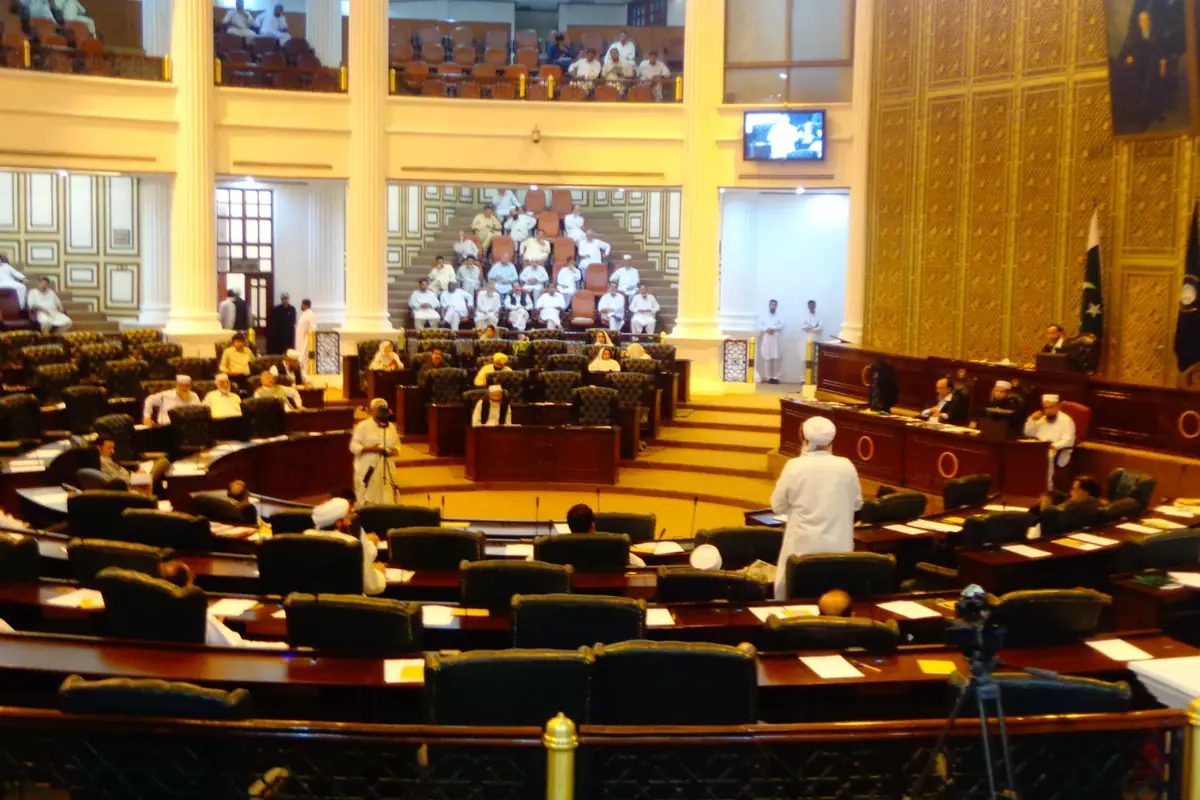
The move also fits a pattern in how PTI has handled the Khyber Pakhtunkhwa crisis. From the start, the party has framed the emergency as an unconstitutional attempt to dismantle an elected government, and has insisted that Afridi, not any federally installed arrangement, is the province's legitimate chief minister. Thursday's notification sharpens that position: it does not merely repeat support for Afridi, it forbids internal discussion of an alternative, and it anchors that prohibition in Imran Khan's personal authority as founder. In a party where Imran Khan's word has long been treated as final, that framing is designed to be difficult to challenge from within.
What has not changed
It is important to be clear about what Thursday's notification does and does not change on the ground. It does not lift governor's rule or the emergency, which remain in force. It does not restore Afridi to his office in Peshawar, and it does not say anything new about his whereabouts or his contact with the party — earlier in October, Gohar had said the party had not been in contact with Afridi since 11 October, and Thursday's reporting does not claim that position has changed. The notification is a political statement about who the party regards as chief minister, not a change in the constitutional or administrative position in the province.
Nor does it settle the legal and parliamentary questions around the emergency. Parliament's approval of the emergency and the legal challenge to it in the Peshawar High Court were both still pending in earlier reporting, and no fresh development on either front was part of Thursday's notification. The emergency itself covers 11 districts and authorises the deployment of army personnel, and an 11-member advisory council was assembled to oversee governance during the interim period. None of that machinery is affected by a party notification, however firmly worded.
Separately, an anti-terrorism court in Peshawar has issued arrest warrants for Afridi and four other PTI figures in the May 2023 Radio Pakistan attack case, with a supplementary challan filed on 13 October and the next hearing fixed for 4 November. That case is distinct from the emergency and from the party's internal debate, but it adds to the legal pressure around the former chief minister, and it is covered separately by TaazaPulse.
The internal debate behind the notification
The seven-hour meeting on Tuesday deserves attention in its own right, because it shows the strain the emergency has placed on PTI's internal discipline. Parties in crisis often close ranks in public while arguing fiercely in private; here, the argument spilled into reporting, and the leadership responded with a written order. The complaints reported from the meeting fall into two groups. The first is about process: members asked why authority had been concentrated in Afridi, who they said held no party post, and why the leadership had relied so heavily on him. The second is about motive: some members alleged that transfers, postings and money matters in the province lay behind that reliance. The leadership has not, in the reporting available, accepted those allegations, and Thursday's notification implicitly rejects the premise by reaffirming Afridi with Imran Khan's backing.
Business Recorder's coverage of the same period, under the headline about a failed long march and the Khyber Pakhtunkhwa emergency, likewise described PTI lawmakers questioning the leadership. The long march to Islamabad, launched in early October to demand Imran Khan's release, was scuttled by the emergency and the detentions that followed, and that failure is part of the backdrop to the current recriminations. A party that set out to march on the capital instead lost its provincial government within days; it is not surprising that its members are asking hard questions about the decisions that led there.
What Thursday's notification does, then, is draw a line. It tells members that the leadership question is not open for debate, that only Imran Khan can change it, and that any meeting or proposal aimed at replacing Afridi is out of bounds. Whether that line holds will depend on events outside the party's control: the fate of the emergency in parliament and the courts, Afridi's own situation, and the federal government's next moves in the province.
What to watch next
Several dates and developments will test whether Thursday's statement settles the matter or merely pauses it. The Radio Pakistan case returns to court on 4 November, when the arrest warrants issued on Thursday will be in play. Parliament and the Peshawar High Court still have the emergency itself before them. And the party's own discipline will be tested by whether any member defies the notification's ban on replacement discussions — a defiance that would itself become a story.
For now, the position is unambiguous on paper: Sohail Afridi remains, in PTI's eyes, the chief minister of Khyber Pakhtunkhwa, with Imran Khan's confidence, and the party will not entertain an alternative. The gap between that paper position and the reality of governor's rule in Peshawar is the story to keep watching.
The development also sits in a wider Thursday of political exchanges in Islamabad, where the government and its critics have been trading sharp replies in both houses over the Khyber Pakhtunkhwa emergency, the Tehran visit and the limits of criticism of state institutions. Thursday's PTI notification is the party's own contribution to that argument: a claim that, whatever the federal government has done in the province, the party's choice of chief minister has not changed.
Sources
This report is based on reporting, official statements and documents from:
- Dawn — Amid internal doubts, PTI affirms Sohail Afridi 'remains KP chief minister' (Ikram Junaidi, 29 Oct 2026)
- The Express Tribune — PTI throws weight behind suspended K-P chief minister, says Afridi has Imran's backing
- Business Recorder — Failed 'long march', KP emergency: PTI lawmakers question leadership
Frequently Asked Questions
What did PTI announce about Sohail Afridi on 29 October 2026?
PTI announced, through a notification from its central secretariat, that Sohail Afridi remains and shall continue as chief minister of Khyber Pakhtunkhwa, with the confidence and support of party founder Imran Khan. The party ruled out considering an alternative candidate for the post.
What does the notification forbid party members from doing?
It directs all PTI members, office-bearers, parliamentarians and functionaries not to convene or take part in any meeting, agenda, proposal or discussion concerning the nomination, replacement or consideration of anyone else for the chief minister's office. It states that no one other than the founding chairman has authority to nominate an alternative, and that his decisions are final and binding.
Why did PTI issue the notification now?
According to Dawn's report, PTI Chairman Barrister Gohar Ali Khan said the notification was needed because of speculation on social media and some television channels. It followed a joint parliamentary party meeting on Tuesday that lasted more than seven hours, in which several members expressed dissatisfaction with the leadership's handling of the crisis and its reliance on Afridi.
What was argued at the seven-hour party meeting?
Dawn reports heated arguments in which some members questioned why so much authority had been handed to Afridi, who they said holds no position within the party hierarchy. Some criticised Gohar and Secretary General Salman Akram Raja, alleging the leadership had left everything to Afridi because of an interest in transfers, postings and financial matters in the province. These are reported allegations from inside a party meeting, not findings by any court or inquiry.
Does the notification lift governor's rule in Khyber Pakhtunkhwa?
No. Governor's rule and the emergency imposed on 11 October remain in force, and Afridi's government remains non-functional. The notification is a political statement about who PTI regards as chief minister; it does not change the constitutional or administrative position in the province, and it says nothing new about Afridi's whereabouts or contact with the party.
What happens next for Sohail Afridi?
The Radio Pakistan attack case returns to court on 4 November, when the arrest warrants issued for Afridi and four other PTI figures will be in play. Parliament's approval of the emergency and the legal challenge to it in the Peshawar High Court were also still pending in earlier reporting. Whether any party member defies the notification's ban on replacement discussions will itself be a test of the leadership's line.