Petrol Holds at Rs377.91, Diesel Rises to Rs402.96 for 31 Oct-2 Nov
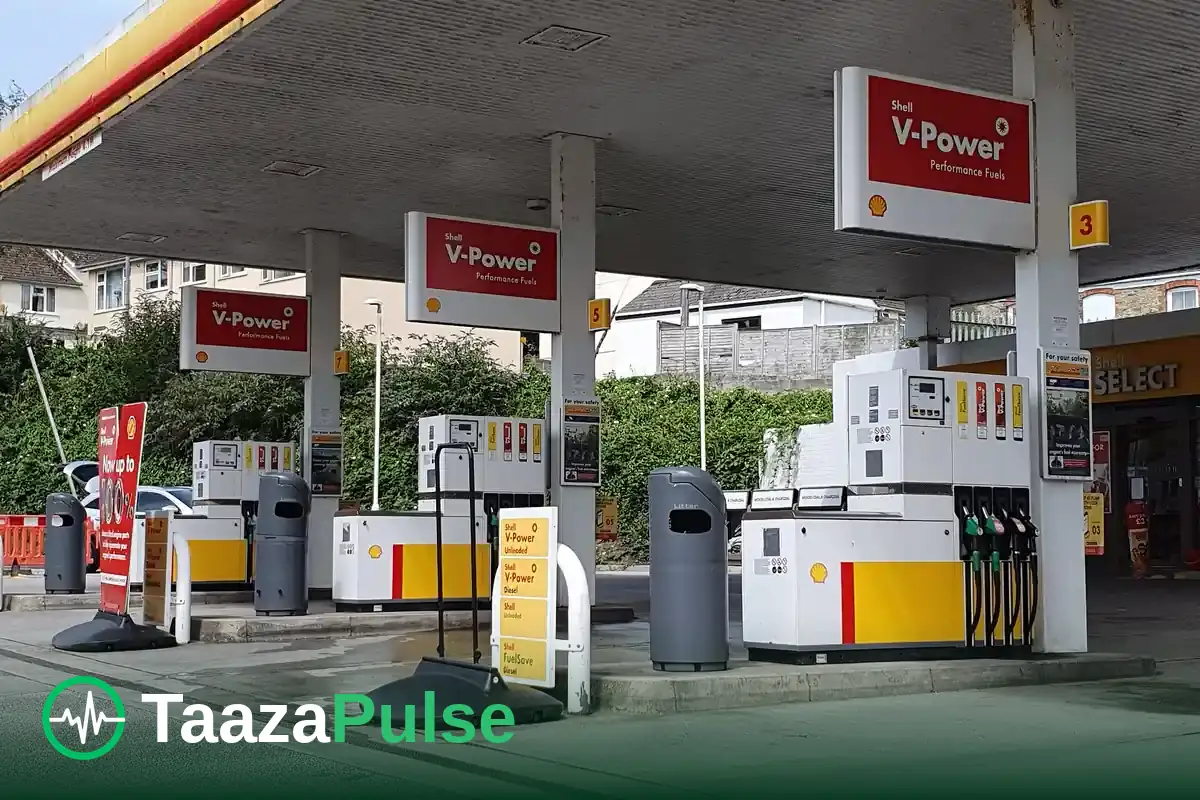
The federal government has kept the price of petrol unchanged and raised the price of high-speed diesel (HSD) by Rs2.29 per litre, in the latest revision under Pakistan's daily fuel-pricing mechanism. Petrol will continue to sell at Rs377.91 per litre, while diesel rises to Rs402.96 per litre, according to the Petroleum Division notification reported by Dawn and The News on Friday night, 30 October 2026. The revised rates apply from 31 October to 2 November: under the daily mechanism, prices announced on Fridays hold over the weekend, so the new diesel price is the rate motorists and transporters will pay through Sunday.
The arithmetic of the revision is straightforward, and it is worth stating plainly because the daily mechanism now moves prices almost every day. Diesel stood at Rs400.67 per litre after Thursday's revision; adding Rs2.29 takes it to Rs402.96. Petrol, unchanged at Rs377.91, is exactly where it has been since 29 October, when it rose by Rs1.85. The two fuels have therefore moved in different directions over the last four revisions: petrol was cut by Rs3.19 on 28 October, then raised by Rs1.85 on 29 October, then held on 30 October and again now; diesel has risen at every step since 28 October, from Rs398.07 to Rs399.82 to Rs400.67 and now to Rs402.96 — a cumulative increase of Rs4.89 per litre in four days.
What the new prices are
For the weekend of 31 October to 2 November 2026, the notified retail prices are: petrol (motor spirit) Rs377.91 per litre, unchanged; high-speed diesel Rs402.96 per litre, up Rs2.29. No change to kerosene oil or light diesel oil is claimed in this article, because the reporting of this revision that TaazaPulse verified covers petrol and diesel only; readers should treat any kerosene or light diesel figure circulating on social media for this revision as unconfirmed unless the Petroleum Division notification itself is produced. The notification was issued by the Petroleum Division, and the revision follows the framework approved by the federal cabinet under which the Oil and Gas Regulatory Authority (OGRA) publishes updated fuel prices daily.
That daily framework is itself still new, and it explains why prices are moving in small steps several times a week rather than in the large fortnightly jumps Pakistanis were used to for years. Under the mechanism introduced in July 2026, OGRA publishes daily ex-depot prices based on a rolling seven-day average of international petroleum prices, and Petroleum Minister Ali Pervaiz Malik has said the change is designed to pass changes in international markets to consumers more quickly and transparently. Prices announced on Fridays remain unchanged over the weekend, which is why Friday night's revision carries through to Monday morning. The minister has also said OGRA will publish daily Platts reference prices, the international benchmark quotations on which the calculation rests, so that the build-up of each revision can be checked rather than taken on trust.
A week of small moves, all in one direction for diesel
Put together, the last four revisions tell a compact story about where pump prices have come from in the final week of October. On 28 October, petrol was cut by Rs3.19 per litre, from Rs379.25 to Rs376.06, while diesel rose by Rs2.25, from Rs395.82 to Rs398.07. The next day, 29 October, both fuels rose: petrol by Rs1.85 to Rs377.91 and diesel by Rs1.75 to Rs399.82. On 30 October, petrol was held at Rs377.91 and diesel rose by Rs0.85 to Rs400.67, taking diesel past the Rs400 mark for the first time in this sequence. Now, on 31 October, petrol is held again and diesel rises by Rs2.29 to Rs402.96. A motorist who filled a 40-litre petrol tank on 28 October paid Rs15,042.40 at the then-price; at today's Rs377.91 the same fill costs Rs15,116.40. A diesel vehicle with the same tank size paid Rs15,922.80 on 28 October and pays Rs16,118.40 now — Rs195.60 more in four days, before any change in driving habits.
The sequence matters for a second reason: it shows the daily mechanism working as designed, for better and for worse. When international prices fell, petrol users got a Rs3.19 cut within a day on 28 October; when they rose, diesel users got four consecutive increases totalling Rs4.89. The old fortnightly system would have smoothed those moves into a single larger adjustment at the end of the fortnight, and it would have hidden the direction of travel until then. The daily system shows the direction immediately, which is more transparent, but it also means households and businesses feel each small increase as it happens, and it removes the fortnight of certainty that transporters used to plan around. Whether that trade-off is worth it is a policy question; the fact of it is now visible in the price board every morning.

Why diesel matters more than petrol for prices in general
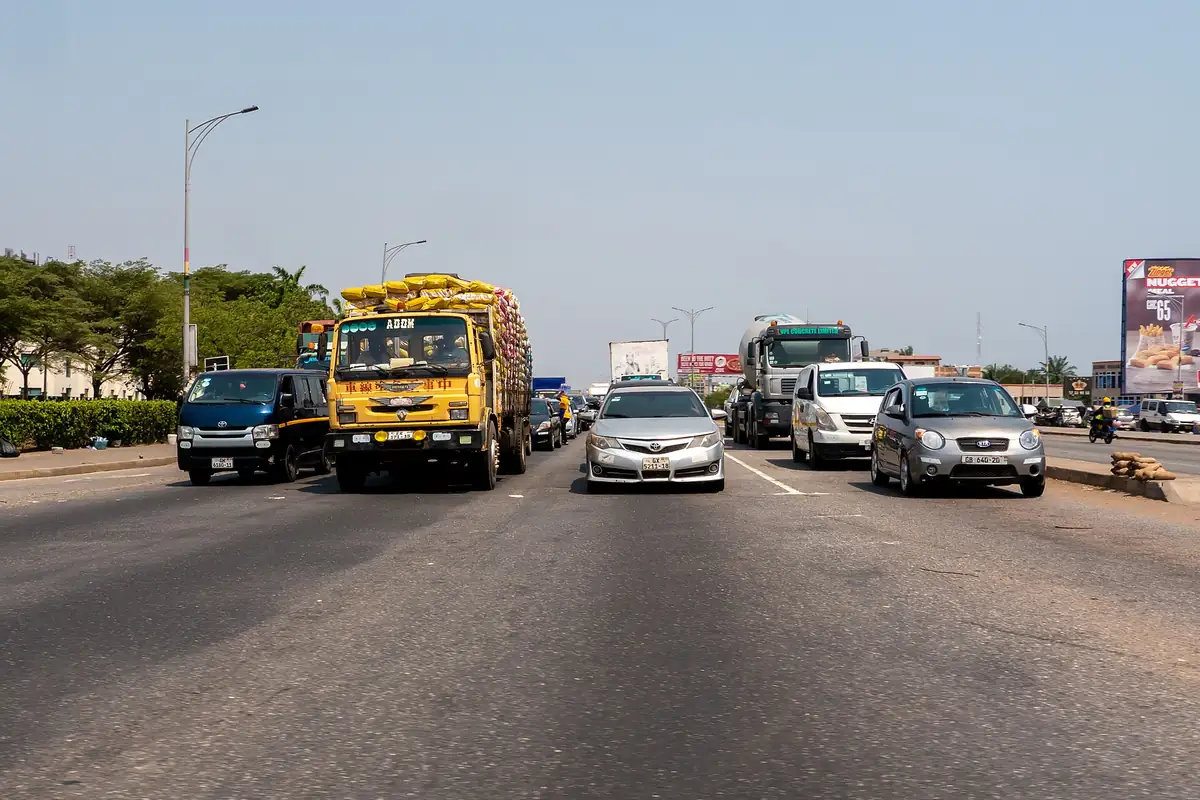
Petrol gets the headlines because most private cars run on it, but diesel is the fuel that moves the economy, and a Rs2.29 diesel increase reaches far beyond the filling station. Almost all goods transport in Pakistan — trucks carrying food from farms to cities, containers from ports to factories, construction material to building sites — runs on diesel, and so does most agricultural machinery at harvest and sowing time. When diesel rises, transporters pass at least part of the increase on in freight charges, and those charges feed into the prices of food and other goods with a lag of days to weeks. That is why economists watch diesel more closely than petrol when they judge whether a fuel revision will show up in inflation, and why a diesel increase is felt even by households that own no vehicle at all.
Friday's own inflation data underlines the point. The Pakistan Bureau of Statistics' Sensitive Price Indicator for the week ended 29 October 2026, released on Friday, showed diesel prices up 2.53% in that week alone and up 45.13% year-on-year, while petrol was up 43.61% year-on-year. Those are the figures before this latest Rs2.29 increase, which will appear in next week's indicator. The year-on-year comparison is a reminder of how much ground has been covered in 2026: both fuels are more than 40% dearer than a year ago, a rise driven in large part by the international oil market's reaction to the war between the United States and Iran and the repeated threats to shipping through the Strait of Hormuz, the narrow waterway through which much of the world's seaborne oil must pass. The daily mechanism transmits those international moves to Pakistani pumps within days; it does not shield consumers from them.
For households, the practical consequences are concrete rather than abstract. A rickshaw or motorcycle rider running on petrol sees no change this weekend, which is genuine relief after two increases in the preceding days, but the diesel increase will reach them through fares and food prices if transporters adjust. A family that buys cooking oil, pulses, vegetables or flour is buying goods that travelled on diesel, and the pass-through from freight to shelf prices, while never one-for-one, is real. Farmers face the increase most directly: diesel powers tractors, tube wells and threshers, and a Rs4.89 rise in four days adds directly to the cost of the ongoing harvest and sowing operations. Small transporters, who operate on thin margins and often cannot renegotiate contracted freight rates mid-trip, absorb the increase first and pass it on only when the next contract is struck.
How the daily mechanism works, and what to watch next
Under the framework approved by the federal cabinet, OGRA now announces daily ex-depot prices for petrol and diesel without seeking fresh approval from the prime minister or the federal government for each revision, using the average of international prices over the preceding seven days. That is the single biggest change from the old system: the revision is a calculation, not a decision, and the calculation is published. In principle, that should end the speculation that used to surround every fortnightly announcement — the late-night rumours, the queues at filling stations before a feared increase, the hoarding that followed. In practice, the first months of the daily system have still produced rumours, because the daily calculation is not yet published in a form ordinary consumers can follow, and because the Friday-to-Monday hold creates a weekly moment when the next move is guessed at rather than known.
What happens next depends on two things, both outside Pakistan's control. The first is the international oil price, which has been volatile through October as the Iran war has raised fears about supply through Hormuz; oil was set for a fourth consecutive monthly gain at the end of October, and any further rise will show up in Pakistani pumps within days under the daily system, just as any fall would. The second is the exchange rate: because oil is bought in dollars, a weaker rupee raises the rupee cost of every litre even if the dollar price of oil is unchanged, and a move in either direction will feed into the daily calculation alongside the oil price. Consumers should therefore expect small moves to continue, in either direction, rather than a return to fortnightly stability.
The honest summary of Friday night's revision is a narrow one, and it is worth keeping it narrow. Petrol is unchanged at Rs377.91 per litre. Diesel is up Rs2.29 to Rs402.96 per litre. The rates hold from 31 October to 2 November. The revision was notified by the Petroleum Division under the daily mechanism. Everything else — what happens to food prices, whether the international market calms, whether the rupee holds — is a consequence to watch, not a fact to announce. TaazaPulse will update this story when the next daily revision is notified, and will report the full notified table, including kerosene and light diesel, when the Petroleum Division publishes it.
What is confirmed in this article is limited to what the 30 October 2026 reporting establishes: Dawn's report of the revision (petrol unchanged, diesel up Rs2.29) and The News' report of the notified prices (petrol Rs377.91, diesel Rs402.96, applicable 31 October to 2 November). The 28, 29 and 30 October revisions are reported as published by The Standard, HamariWeb and Geo News respectively. The daily-mechanism framework (OGRA daily publication, seven-day rolling average, Friday hold over the weekend) is as stated by Petroleum Minister Ali Pervaiz Malik and reported by The News and Click Pakistan. No kerosene or light diesel figure is claimed for this revision, because none was verified in the reporting consulted. The SPI figures are from the Pakistan Bureau of Statistics release for the week ended 29 October 2026, as covered by TaazaPulse on 30 October.
Sources
This report is based on reporting, official statements and documents from:
- Dawn — Petrol price unchanged, high-speed diesel raised by Rs2.29 (30 Oct 2026, queue 689f7831151d638b)
- ARY News — Government announces latest petrol price and diesel rate (30 Oct 2026, queue a4e95a3794335978)
- Express Tribune — Govt increases diesel price by Rs2.29, petrol remains unchanged until Nov 2 (30 Oct 2026, queue feb7ac669ac6caf9)
- Daily Pakistan — Diesel price jumps to Rs402.96 per litre; Petrol unchanged for weekend (30 Oct 2026, queue d2c1609b524b59bb)
- Pakistan Today — Government issues new prices of petroleum products: OGRA notification, diesel Rs402.96, petrol Rs377.91, applicable 31 Oct-2 Nov 2026
- The News — Notified prices table (petrol Rs377.91, diesel Rs402.96, 31 Oct-2 Nov 2026)
- Geo News / HamariWeb — 30 Oct revision: petrol held at Rs377.91, diesel +Rs0.85 to Rs400.67 (30 Oct 2026)
- The Standard / HamariWeb — 28 Oct revision: petrol -Rs3.19 to Rs376.06, diesel +Rs2.25 to Rs398.07 (28 Oct 2026)
- PKRevenue — 29 Oct revision: petrol +Rs1.85 to Rs377.91, diesel +Rs1.75 to Rs399.82 (29 Oct 2026)
- Photos: real file photographs (Wikimedia Commons) — filling-station pumps, fuel nozzle at a car, fuel tanker truck, busy road traffic; file photos, not a Pakistani station
Frequently Asked Questions
What are Pakistan's new petrol and diesel prices?
From 31 October to 2 November 2026, petrol (motor spirit) is Rs377.91 per litre, unchanged, and high-speed diesel is Rs402.96 per litre, up Rs2.29. The rates were notified by the Petroleum Division and reported by Dawn, Tribune, ARY News, Daily Pakistan, The News and Pakistan Today on Friday night, 30 October 2026.
How is diesel Rs402.96 if it rose by Rs2.29?
Diesel stood at Rs400.67 per litre after Thursday's 30 October revision, when it rose by Rs0.85 from Rs399.82. Adding Friday night's Rs2.29 increase to Rs400.67 gives Rs402.96 exactly. Petrol has been at Rs377.91 since 29 October, when it rose by Rs1.85.
Why do the new rates run to 2 November, not just one day?
Under Pakistan's daily fuel-pricing mechanism, prices announced on Fridays hold over the weekend. Friday night's revision therefore applies from Saturday 31 October through Sunday and into Monday 2 November, when the next daily revision is due. That weekend hold is part of the framework approved by the federal cabinet.
How has diesel moved over the last four revisions?
Diesel has risen at every step since 28 October: from Rs398.07 to Rs399.82 on 29 October (+Rs1.75), to Rs400.67 on 30 October (+Rs0.85), and now to Rs402.96 (+Rs2.29) — a cumulative increase of Rs4.89 per litre in four days. Petrol, by contrast, was cut by Rs3.19 on 28 October, rose by Rs1.85 on 29 October, and has been held at Rs377.91 since.
Why does a diesel increase matter more than a petrol increase?
Almost all goods transport in Pakistan — trucks carrying food from farms to cities, containers from ports to factories, construction material to building sites — runs on diesel, as does most agricultural machinery. When diesel rises, transporters pass at least part of the increase on in freight charges, which feed into food and other goods prices with a lag of days to weeks, so households without any vehicle still feel it.
What about kerosene and light diesel oil in this revision?
No kerosene or light diesel figure is claimed in this article, because the reporting of this revision that TaazaPulse verified covers petrol and diesel only. Any kerosene or light diesel figure circulating on social media for this revision should be treated as unconfirmed unless the Petroleum Division notification itself is produced.