Maryam Nawaz Launches PIVOT, Punjab's Rs1.995 Trillion Economic Transformation Programme
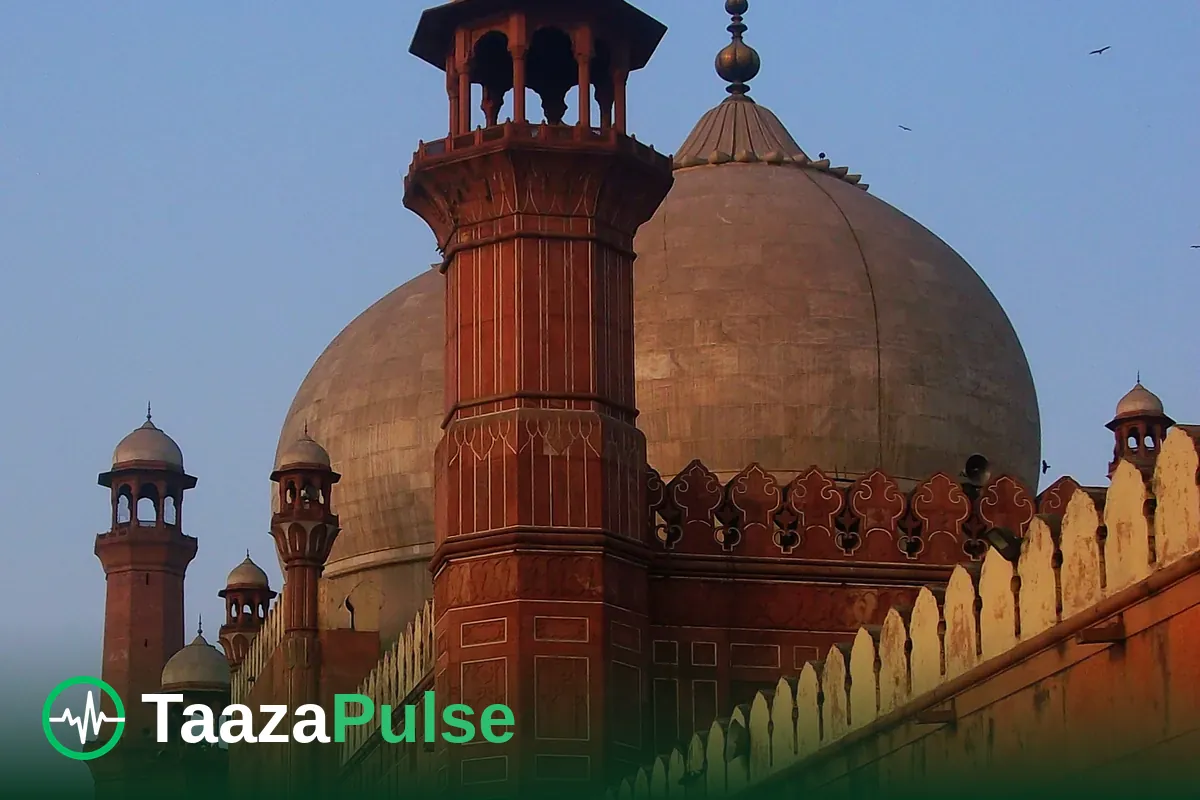
Punjab Chief Minister Maryam Nawaz Sharif formally launched PIVOT, the province's industrial development and export promotion programme, at a ceremony in Lahore on Friday, 30 October 2026, eleven days after her cabinet approved its key features. The programme, whose name is expanded at the launch as Punjab Innovation for Value, Opportunity and Transformation, envisages total investment of Rs1.995 trillion and the creation of more than 162,000 jobs, according to the provincial government's own figures. The headline number carried by ARY News on the day of the launch, Rs1,089 billion, is the provincial government's share of that total, not the size of the whole programme: the remaining Rs906 billion is expected to come from private investors, a split that makes private capital about 45 percent of the plan. That distinction matters, because the programme's fate will be decided less by the ceremony in Lahore than by whether the private share actually arrives, and over how many years the public share is spent — two questions the official handout did not answer.
The launch is the public debut of a plan the cabinet had already approved in substance. At its 37th meeting on Monday, 19 October 2026, chaired by the Chief Minister, the Punjab cabinet approved the key features of the programme on a presentation by Senior Minister Marriyum Aurangzeb, who also addressed the launch ceremony. The News, reporting the cabinet decision from the official handout, noted that the handout itself rendered the programme's name as PIYUT, while the launch branding is PIVOT; the figures, the jobs promise and the sector list are identical in both versions, and this article treats them as the same programme at two stages — approval, then launch — rather than as two separate plans. The cabinet meeting also cleared the subsidies for Phase V of the Chief Minister's Green Tractor Programme, Rs9.5 billion for 10,000 high-powered tractors, and a new Rs60 billion housing tranche, decisions that were announced alongside the industrial programme and that help explain why the launch felt like a showcase of the government's whole economic pitch rather than a single scheme.
Addressing the launch ceremony, the Chief Minister framed PIVOT as a break with the way Punjab has done business. Every department, she said, had been required to pledge to eliminate red tape before the launch, and she urged banks to simplify their regulations so that business finance actually reaches businesses. Her most quoted line was a promise to investors: anyone wishing to start a business would not be asked where the capital had come from. Punjab, she said, was focusing on expanding the tax net rather than introducing a new tax, and provincial revenue was rising from Rs200 billion to Rs1 trillion. She paired the invitation with a warning to her own administration — employees taking bribes were being dismissed from government departments — and with a complaint about the province's own record: special economic zones and industrial estates had, in her words, effectively become real-estate businesses, and land for industry would now be provided in industrial estates and economic zones on leases ranging from Rs80,000 to Rs200,000 per month. The message, taken together, is that PIVOT is not only a spending programme but a promise about how the province will treat the businesses it is trying to attract.
What PIVOT actually covers
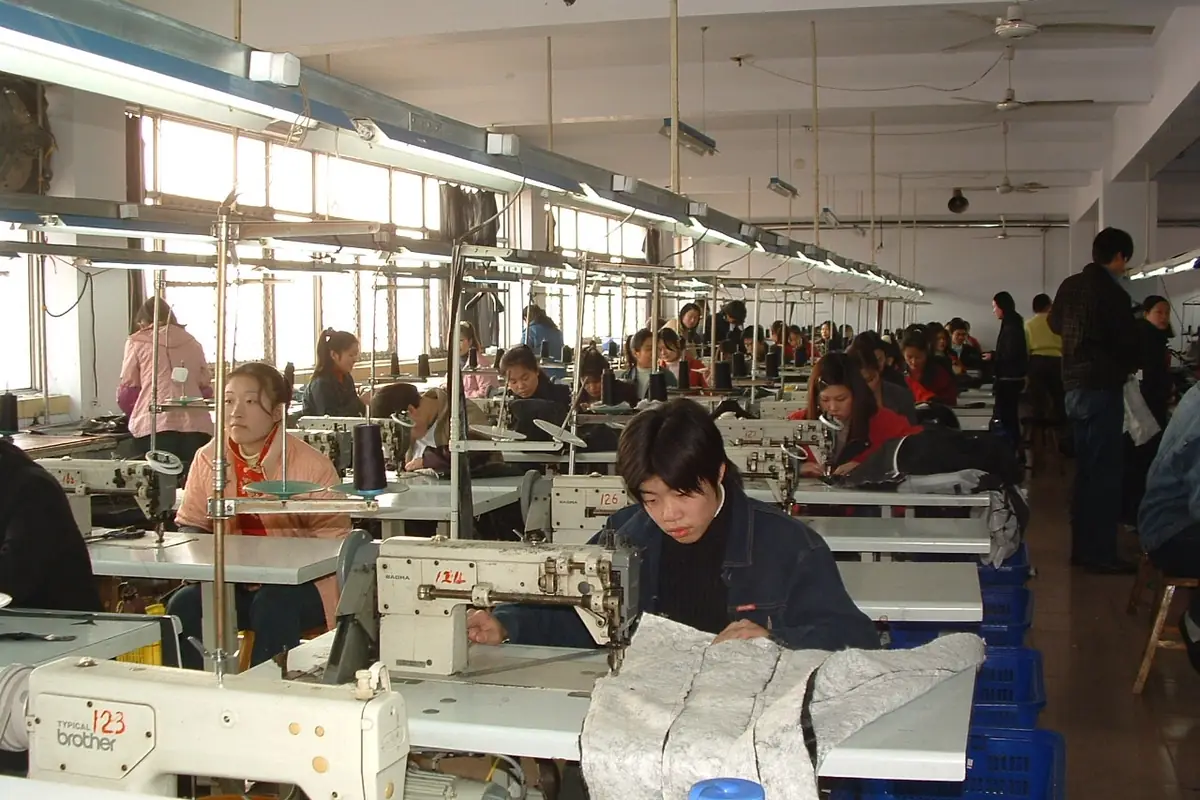
The programme reads like a map of Punjab's export economy, and its breadth is part of both its appeal and its risk. According to the cabinet briefing, it covers industrial estates, cluster development, export competitiveness, value-chain upgrades, farm and livestock mechanisation and public-private partnerships, along with support for existing industries, e-business, e-commerce, garments and plug-and-play factory space, where a business can move into ready premises rather than building its own. It also covers testing and certification services for leather, footwear and sports goods — a detail the Chief Minister returned to at the launch, where she said FIFA and other major institutions were not buying Pakistani sports goods because of the lack of certification, that cutlery manufactured in Punjab had to be sent to China for glazing and material testing, and that locally made fans were tested for noise in China. For a province whose factories already make these goods, the certification gap is the difference between selling a product and selling it abroad at a premium, and PIVOT's testing facilities are aimed squarely at it.
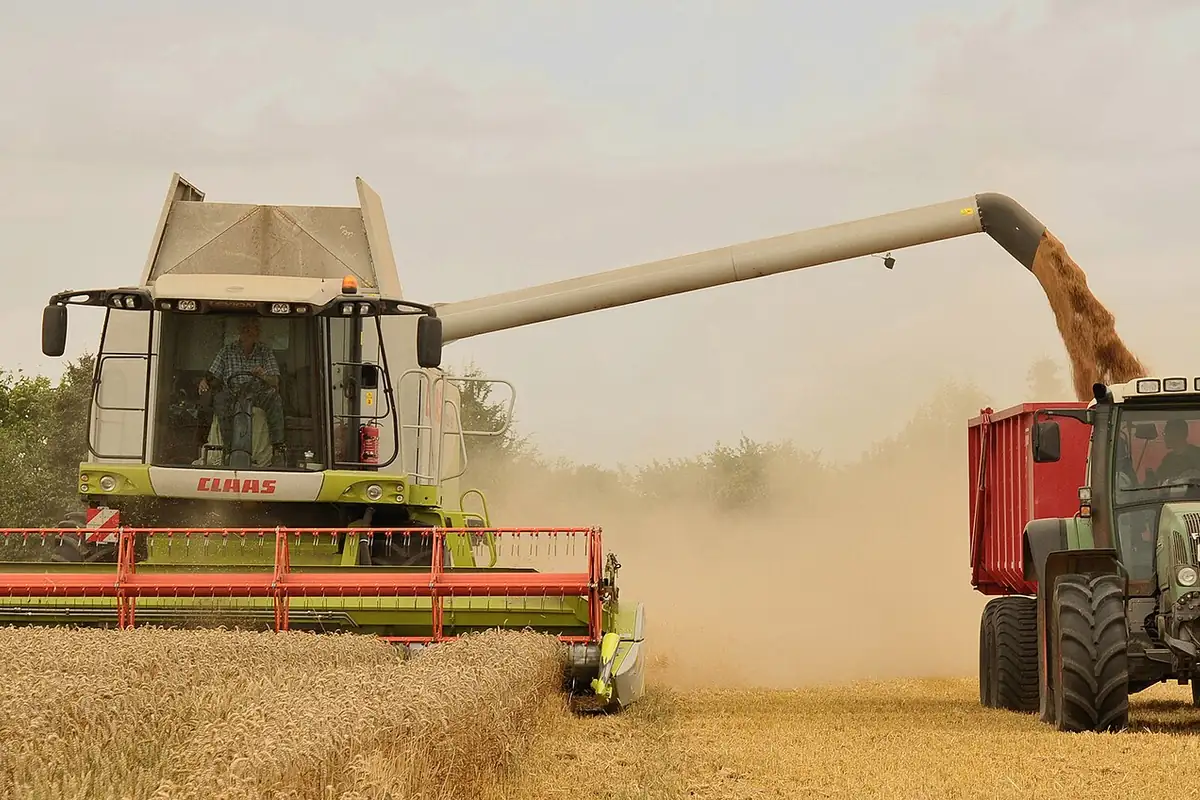
Agriculture gets its own track inside the programme, and it is where the plan touches the most people. Agriculture processing parks will be established in Sargodha, Khanewal, Okara and Bhakkar, and the programme covers wheat value enhancement, meat and milk value chains, skills development, and citrus, potato and mango value addition, alongside tourism and aquaculture. The logic is straightforward: Punjab grows the raw material, but much of the value — processing, packaging, grading, branding — is added elsewhere or not at all, and the parks are meant to keep that value in the districts where the crop is grown. At the launch, the Chief Minister said a substantial budget had been allocated for livestock and agriculture, that farmers were being provided tractors and super seeders at subsidised rates, and she contrasted the past with the present on mechanisation: only 3,000 tractors had been provided over the past 20 years, she said, while the target for this year was 45,000 tractors. The Green Tractor subsidy approved by the cabinet — Rs9.5 billion for 10,000 high-powered tractors, or about Rs950,000 per machine — sits inside that same push, and it is the one part of the package with a hard number of beneficiaries attached.
The skills and small-business layer is the third leg. The Chief Minister said more than 1,200 startups were operating in Punjab, that 50 common facilities had been brought together, and that industrial clusters were being developed. She said all sectors of skills development had been brought under one roof, that Punjab has a workforce of 36 million, and that every industry demands skilled labour: the province had provided 400,000 skilled workers and would provide another 600,000. People going abroad without skills did not get good jobs, she added, and young people would receive greater respect and earn more when they learned skills and went abroad. The 365 News report of the ceremony also notes the Parwaz Card facility for young people seeking employment abroad. Loans worth approximately Rs200 billion had been issued under the Easy Business Scheme, she said, while more than 200,000 people had obtained no-objection certificates and other permits through e-business — figures that, if they hold up, suggest the digital single-window side of the programme is already moving faster than the industrial parks, which will take years to build.
The environment line: monitor, don't shut down
One of the launch speech's most carefully balanced passages concerned the environment, and it is worth quoting because it sets the terms on which PIVOT's industrial expansion will be judged. Monitoring was essential to make industries environment-friendly, the Chief Minister said, but shutting factories in the name of environmental protection was wrong. "Inspection is necessary, but closing a plant is not the solution. When a worker loses a day's wages, I do not feel good about it. I do not want to close anyone's business, but there will be no compromise on standards," she said. She added that protecting the environment was the first step toward attracting investment. The tension in that position is real: Punjab's industrial cities, Lahore above all, live with severe air pollution, and an industrial programme that adds factories, clusters and processing parks will add emissions unless the monitoring she promised is stricter than the enforcement the province has managed before. The speech acknowledges the dilemma without resolving it, and the test will be whether any factory is actually penalised for breaching standards while the programme is also promising that no business will be closed.
The same balancing act ran through her remarks on law and order and the investment climate. "How can business operate where there is uncertainty, insecurity and protests every day?" she asked, and said she had directed ministers to keep protocol and security arrangements to a minimum. The dalla culture and land-grabbing mafia had been eliminated from Punjab, she said, while longstanding encroachments were being removed; roads were meant for passage, not stalls, and separate spaces had been created for pushcarts. Workers could not perform effectively in places where protests and vandalism occurred daily, she added. Taken with the promise not to ask where capital came from, the picture is of a government trying to remove every friction it controls — paperwork, permits, protocol, encroachments — while asking investors to overlook the frictions it does not control. Whether that pitch lands will be visible first in the private Rs906 billion: unlike the public share, which the government can announce, private investment has to be persuaded, project by project.
How the numbers stack up — and what is missing
On the government's own numbers, the programme works out to roughly Rs12.3 million of investment for each job it promises, a ratio that looks plausible for capital-intensive industrial and processing investment but that also shows how much of the plan depends on large projects rather than small ones. The scale also stands out against the provincial budget. Punjab cut its annual development programme for 2026-27 to Rs752 billion, from Rs1.24 trillion the previous year, to concentrate on finishing projects already under way — which means the provincial government's PIVOT share alone, at Rs1.089 trillion, is larger than an entire year of that development budget. That does not make the programme unaffordable, since it will presumably be spread over several years, but it does mean the funding schedule will decide how quickly the parks, labs and plug-and-play spaces actually appear. The official handout did not say over how many years the money would be spent, how the provincial share would be financed, or how the private commitments would be secured, and none of those gaps was filled at the launch ceremony either.
What is known about the context is encouraging for the programme's export ambition, and it helps explain the timing. Pakistan's merchandise exports rose 18 percent year on year to about $2.96 billion in September and reached $8.45 billion in the first quarter of the 2026-27 fiscal year, according to official figures cited in coverage of the cabinet decision. If Punjab's factories, clusters and processing parks can ride that momentum — and if the certification facilities let sports goods, leather, footwear and cutlery reach buyers who currently refuse them — the export-competitiveness leg of PIVOT has a real market to sell into. But exports are a national figure, and Punjab's share of the growth, the sectors driving it, and the contribution of the districts where the new parks will sit were not broken out in the launch reporting. Readers should treat the national export numbers as background, not as evidence that PIVOT itself has yet exported anything: the programme was approved eleven days before it was launched, and its parks are not yet built.
What happens next
The calendar gives the programme its first near-term checkpoint within days. The Punjab Civil Secretariat has scheduled a two-day workshop on district-level economic development and business facilitation for Additional Deputy Commissioners (Headquarters), beginning 2 November at the Civil Secretariat, at which officials from the Trade Development Authority of Pakistan, the Board of Investment, the Small and Medium Enterprises Development Authority, the Punjab Information Technology Board and the Punjab Small Industries Corporation will brief participants on business opportunities and digital services, with special exhibition desks from the Small Industries Corporation showcasing local products and industrial potential. That workshop is the district layer of the same agenda PIVOT announces at provincial level: districts as investment destinations, not just Lahore and Faisalabad. Whether the workshop produces district-level project lists, and whether those lists match the four processing-park districts already named, will be the first observable sign of how the programme moves from ceremony to pipeline.
Beyond that, the milestones to watch are specific, and each one is a fact that can be checked rather than a promise to be believed. First, the spending schedule: a published year-by-year breakdown of the Rs1.089 trillion provincial share, and the budget line it sits in. Second, private commitments: named investors or signed memoranda against the Rs906 billion private share, rather than an aggregate figure. Third, groundbreakings: construction starts at the Sargodha, Khanewal, Okara and Bhakkar processing parks, and the opening of testing and certification facilities for leather, footwear and sports goods. Fourth, the tractor and skills numbers against their targets: 10,000 subsidised high-powered tractors under Phase V, 45,000 tractors this year against the 3,000 of the past two decades, and the additional 600,000 skilled workers promised. Fifth, the lease offer made real: industrial land actually let at the Rs80,000 to Rs200,000 monthly range in estates and economic zones, rather than sold as real estate. And sixth, the certification test the Chief Minister herself set: a sports-goods, cutlery or fan manufacturer that can now test and certify in Punjab instead of sending its products to China.
Until those milestones appear, the honest summary of 30 October is this: Punjab has launched, with considerable ceremony, a very large industrial and export programme whose headline figures are real cabinet decisions, whose launch speech made concrete promises about red tape, leases, skills and certification, and whose financing, timeline and private backing remain unannounced. That is a substantial political event — a provincial government staking its economic credibility on 162,000 jobs and nearly Rs2 trillion of investment — and it is also, deliberately, the beginning of a story rather than its conclusion. TaazaPulse will follow the programme against the milestones above, and will update this article as the spending schedule, the private commitments and the first construction starts are confirmed by the Punjab government itself.
What this article does not claim: no spending timeline, financing plan, per-district allocation, private investor name or signed commitment is stated here, because none was announced at the cabinet meeting or the launch ceremony. The Rs1,089 billion figure in the ARY headline is the provincial government's share of the Rs1.995 trillion total, not the total itself. The programme's name was rendered PIYUT in the cabinet handout and PIVOT at the launch; both refer to the same programme on the evidence of identical figures and sector lists. The national export figures are background context from official data cited in cabinet coverage, not results of PIVOT. The district workshop beginning 2 November is reported from the Civil Secretariat statement as a separate dated item in the same economic agenda, not claimed as a PIVOT component.
Sources
This report is based on reporting, official statements and documents from:
- ARY News — PIVOT: Punjab launches Rs.1,089 billion economic transformation program (30 Oct 2026, queue 7bb385afc8926cc8)
- Pakistan Point — Punjab Government Won't Ask Where Business Capital Came From: Maryam Nawaz (30 Oct 2026, launch ceremony report)
- 365 News — Maryam Nawaz highlights youth skills and business support in Punjab (30 Oct 2026, PIVOT opening ceremony)
- The News — Punjab okays Rs1.99tr industrial uplift, export promotion plan (19 Oct 2026 cabinet approval, APP)
- LHR Times — Punjab Bets Rs1.995 Trillion on Factories, Farms and Exports (21 Oct 2026, cabinet figures and ADP context)
- TechX — Punjab Cabinet Greenlights Rs1.995tr Industrial Export (19 Oct 2026 cabinet approval)
- Soon Times — Punjab Launches New Plan to Turn Districts into Economic and Investment Hubs (30 Oct 2026, Civil Secretariat 2 Nov workshop)
- Photos: real file photographs (Wikimedia Commons) — Badshahi Mosque Lahore, garment workers at sewing machines, combine harvester unloading wheat, vegetable market stall; file photos, not the ceremony
Frequently Asked Questions
What is PIVOT?
PIVOT — expanded at the launch as Punjab Innovation for Value, Opportunity and Transformation — is Punjab's industrial development and export promotion programme. It covers industrial estates, cluster development, export competitiveness, value-chain upgrades, farm and livestock mechanisation and public-private partnerships, along with support for existing industries, e-business, e-commerce, garments and plug-and-play factory space, plus testing and certification services for leather, footwear and sports goods.
How big is PIVOT — Rs1.089 trillion or Rs1.995 trillion?
Both figures are real, and they measure different things. The programme total is Rs1.995 trillion: Rs1.089 trillion from the Punjab government and Rs906 billion expected from private investors, who would supply about 45 percent of the total. The Rs1,089 billion in the ARY headline is the provincial government's share, not the size of the whole programme, and this article uses the total whenever it describes the programme's size.
What did Maryam Nawaz announce at the 30 October launch?
At the Lahore launch ceremony she promised that anyone starting a business would not be asked where the capital came from, said every department had pledged to eliminate red tape before the launch, urged banks to simplify business finance, and said industrial land would be let in estates and economic zones on leases of Rs80,000 to Rs200,000 per month after special economic zones had, in her words, effectively become real-estate businesses. She also said bribe-taking employees were being dismissed, that 400,000 skilled workers had been provided with 600,000 more to come, that about Rs200 billion in Easy Business Scheme loans had been issued, and that monitoring of factories would continue but closing a plant was not the solution.
Which sectors and districts does PIVOT cover?
On the industry side: existing industries, e-business, e-commerce, garments, plug-and-play facilities, and testing and certification for leather, footwear and sports goods — the Chief Minister cited FIFA and other buyers refusing sports goods for lack of certification, and cutlery and fan testing being sent to China. On the agriculture side: wheat value enhancement, meat and milk value chains, citrus, potato and mango value addition, tourism and aquaculture, with agriculture processing parks in Sargodha, Khanewal, Okara and Bhakkar. The same cabinet meeting also approved Rs9.5 billion for 10,000 high-powered tractors under Green Tractor Phase V and a Rs60 billion housing tranche.
Was PIVOT approved or launched on 30 October?
Both, at different stages. The Punjab cabinet approved the programme's key features at its 37th meeting on Monday, 19 October 2026, chaired by Chief Minister Maryam Nawaz Sharif on a presentation by Senior Minister Marriyum Aurangzeb. The formal public launch, with the Chief Minister's address, took place in Lahore on Friday, 30 October 2026. The cabinet handout rendered the name as PIYUT while the launch branding is PIVOT; the identical figures and sector lists show they are the same programme.
What is not yet known about PIVOT?
Three things that decide whether the programme works have not been announced: over how many years the Rs1.089 trillion provincial share will be spent or how it will be financed — it alone exceeds Punjab's entire Rs752 billion annual development programme for 2026-27; how the Rs906 billion private share will be secured, with no investor or signed commitment named; and any per-district allocation or construction start date for the four processing parks or the testing facilities. Until those appear, PIVOT is a cabinet decision plus a launch ceremony, not yet a built programme.