Will Resign if Even One Rupee of Corruption Is Proven: Maryam Nawaz
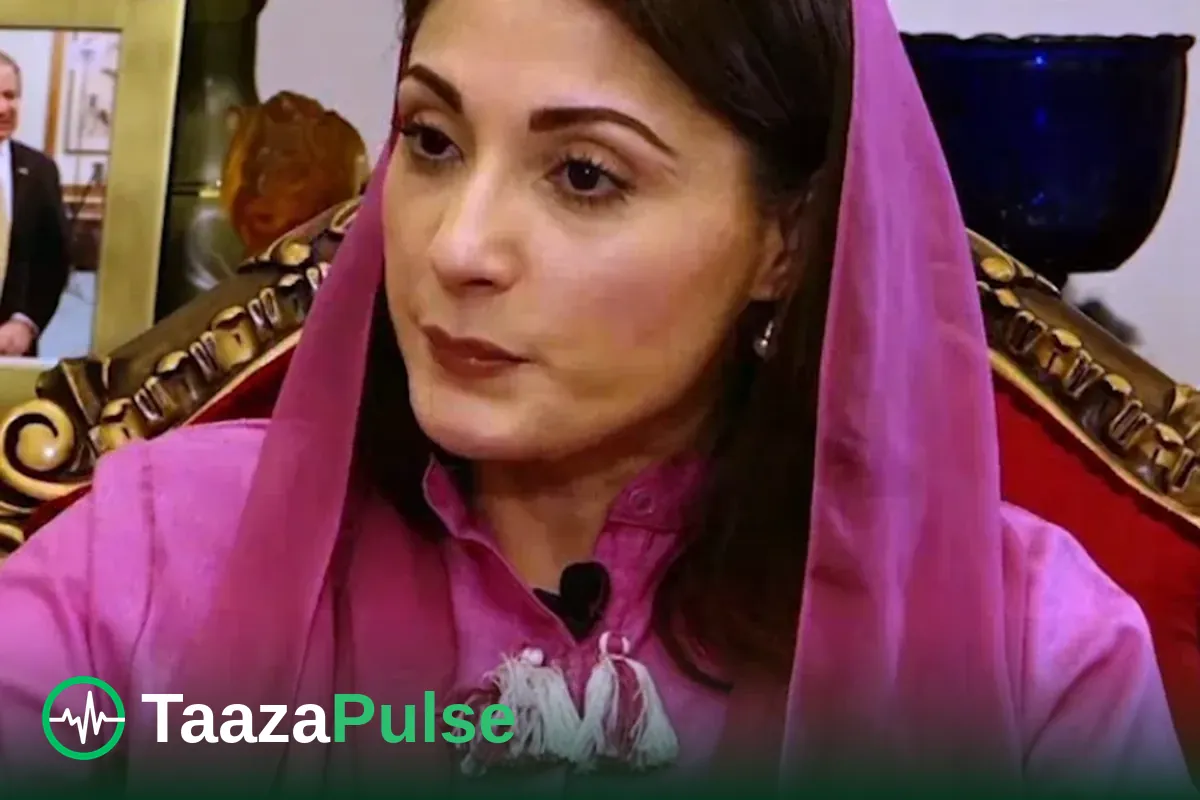
Punjab Chief Minister Maryam Nawaz has staked her office on her government's clean record, declaring that she will resign if even one rupee of corruption is proven against her. The vow, reported on Friday, 30 October 2026, came during an address at a ceremony in Lahore in which she set out her administration's governance, anti-corruption and economic agenda. It is the bluntest accountability pledge a sitting Punjab chief minister has made in public, and it immediately reframes every future corruption allegation against her government as a test of her own word.
The report of the speech comes from Daily Pakistan's 30 October coverage, carried in syndication the same day. According to that coverage, the chief minister told the Lahore gathering that her government follows a strict zero-tolerance policy on financial misconduct, and that government employees caught accepting bribes are being dismissed from their positions. She linked the anti-corruption drive directly to the province's economic prospects, arguing that a secure and peaceful environment is what attracts domestic and foreign investment, and that youth skill development is a vital asset for strengthening the economy. The same address touched on improving commercial facilities, supporting industrial transformation across sectors, and removing long-standing illegal land encroachments to expand local markets and commercial areas.
The sentence that gives the story its force is the resignation pledge itself. "Will resign if even one rupee of corruption is proven" leaves no room for gradation: not a scandal, not a pattern, not a large sum, but a single rupee. That framing matters because it converts an abstract promise of clean government into a personal, binary commitment. Supporters will read it as confidence; opponents will read it as a challenge to be tested. Either way, the chief minister has chosen a standard against which her own tenure will now be measured, and she has chosen it in her own words rather than having it imposed on her by an opponent.
What she said in Lahore
The Lahore address, as reported, was not a single-issue speech. It ranged across governance, anti-corruption and the economy, and the resignation vow sat inside a broader argument about how Punjab is run. The first plank was enforcement: bribe-taking officials are not merely transferred or warned but dismissed. That is a deliberate signal to the provincial bureaucracy, where the traditional complaint about anti-corruption drives is that they punish small officials while sparing the connected. A dismissal policy, if applied evenly, is the sharpest tool a chief minister has over her own administration, because it ends careers rather than merely embarrassing them.
The second plank was the investment argument. Maryam Nawaz tied clean governance to money coming into Punjab, saying that a secure and peaceful environment is what draws both domestic and foreign investment. It is a familiar argument, but it carries a specific weight in Punjab, where the provincial government has spent the past two years courting investors for housing, industry and infrastructure projects. Corruption, in this framing, is not only a moral failing but a tax on every project: it raises costs, delays approvals and drives serious investors away. A chief minister who promises resignation over a single rupee is, in effect, offering investors a personal guarantee.
The third plank was people. Youth skill development, she said, is a vital asset for strengthening the economy, and the address also pointed to better commercial facilities and the removal of illegal encroachments to free up markets and commercial areas. The through-line is a government presenting itself as a delivery machine: clean hands, open markets, trained workers. Whether that machine is actually delivering is a separate question from whether its chief executive believes in it, and it is the separate question that will decide how Friday's vow is remembered.
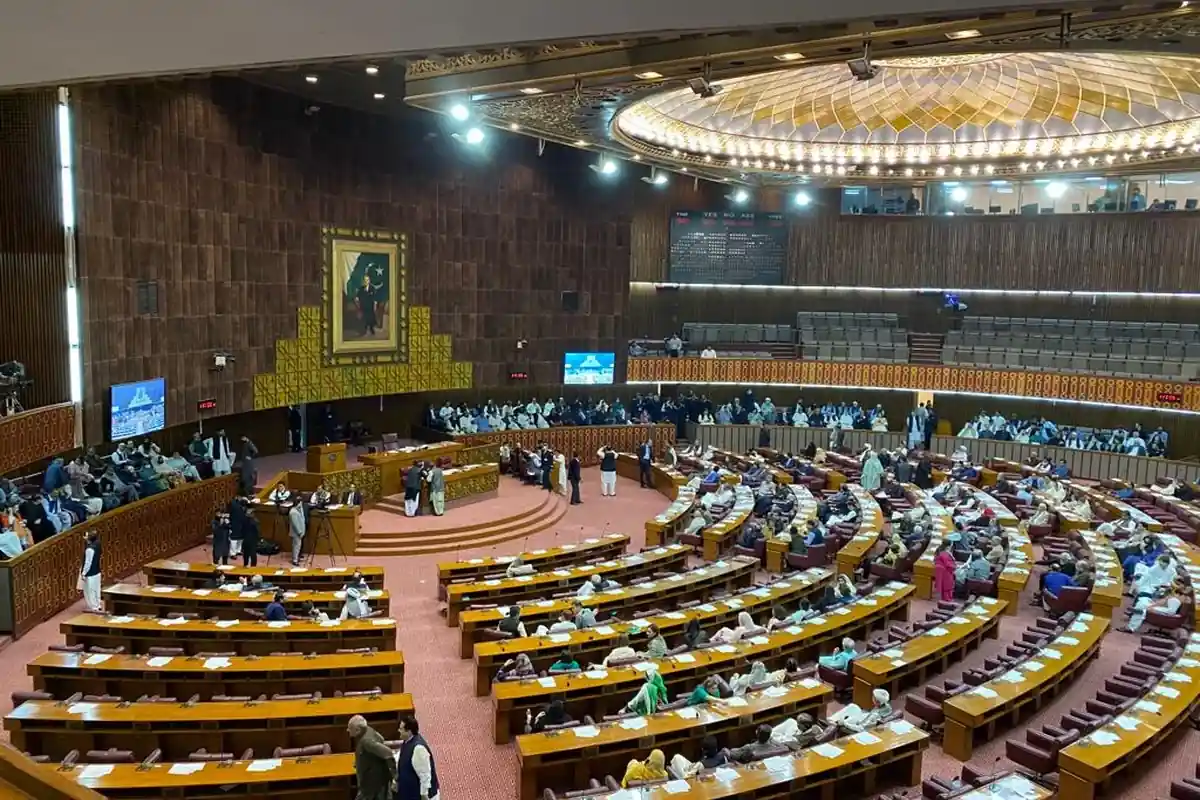
A pledge that stakes her office
Resignation pledges are a recurring feature of Pakistani politics, and their history counsels caution about treating any of them as self-executing. A chief minister does not lose office automatically because a newspaper alleges corruption; removal runs through constitutional and legal channels, including votes of no confidence, disqualification proceedings and the courts. What a public vow does is political rather than legal: it raises the cost of staying on if a credible finding emerges, because the chief minister would then be breaking a promise made in her own voice, on the record, in front of cameras. The pledge is only as strong as the public memory that holds her to it.
That is precisely why the opposition will treat Friday's statement as an invitation. Every future audit objection, every procurement controversy and every land case involving the Punjab government will now be framed by her critics as a test of the one-rupee standard. The standard is unforgiving by design: a single rupee proven against her personally is the trigger she named. Her defenders will argue, fairly, that the pledge concerns corruption proven against her, not every allegation aired against any official in a province of more than 120 million people. The argument over that distinction — personal versus institutional responsibility — is where the next phase of this story will be fought.
The record she points to
The vow did not arrive out of nowhere. It is the latest in a series of anti-corruption statements Maryam Nawaz has made since taking office, and her government has built a visible apparatus around the theme. The most concrete of these is the Punjab Enforcement and Regulatory Authority, known as PERA, whose inauguration she addressed earlier this week. At that ceremony she unveiled legislation aimed at eradicating land grabbing, with land-grabbing cases to be decided within 90 days through newly established special courts, fines and imprisonment of up to ten years for offenders. She administered an oath to PERA's members, urging them to treat bribe money as forbidden whatever the amount, and she pointed to PERA's intervention in wheat pricing — the rate falling from Rs4,100 to Rs3,100 per 40 kilograms after administrative action — as proof that enforcement can move prices for ordinary people.
Days earlier, addressing a delegation of the National Security and War Course in Lahore, she declared that nepotism had been completely eliminated from Punjab, that every hiring is made after interviews on a fully merit basis, and that contracts are awarded purely through transparent e-tendering. "The people's money will only be spent on the people," she told the delegation, adding that multiple institutions continuously monitor projects as her "eyes and ears" and that the absence of corruption allegations against her government was itself a significant achievement. She also noted that Punjab's revenue had reached one trillion rupees, and said the province was willing to share its projects with other provinces.
Earlier this year, chairing a marathon six-hour session to review district-level Annual Development Programme plans, she told commissioners and deputy commissioners across the province that corruption in her presence as chief minister was unacceptable and that a comprehensive crackdown must be launched to eradicate it permanently. For the first time in Punjab's history, the chief minister herself approved the annual development plans of 12 districts at that session. The same briefing recorded 6,416 kanals of public land worth Rs9.2 billion retrieved in Faisalabad and 6,566 permanent encroachments removed from 116 sites in Gujranwala — figures her government presents as the physical evidence of its anti-encroachment drive.
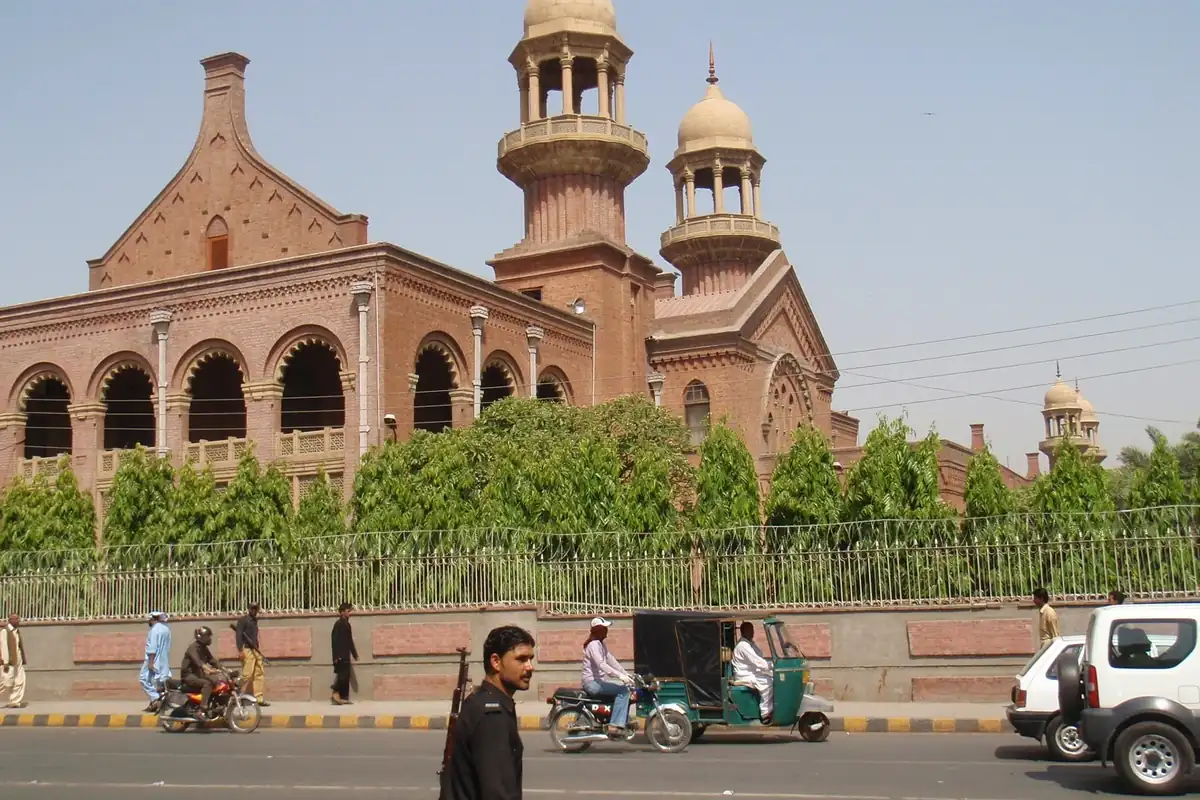
Her own past case
No account of this vow is complete without the case that defines Maryam Nawaz's own relationship with corruption charges. In 2018 she was convicted in the Avenfield properties case and sentenced to prison over the London flats owned by her family. In 2022 the Islamabad High Court acquitted her, along with her husband, who had been sentenced to a year for giving false information to investigators. Her supporters argue that the acquittal is precisely what gives Friday's vow its weight: a leader who has been through a corruption trial and emerged acquitted can promise resignation over a single rupee because she believes no such rupee exists. Her critics argue the opposite: that a politician once convicted, even if later acquitted, should be held to the highest scrutiny when she makes absolute claims about corruption.
Both readings will circulate, and both miss the more practical point. The vow's real audience may not be the opposition at all, but her own administration. A chief minister who tells the public she will resign over one rupee is also telling every secretary, commissioner and district officer that their misconduct now carries a price measured in her career. Whether that message changes behaviour inside the Punjab secretariat depends less on the speech and more on the next dismissal, the next audit and the next prosecution. The speech sets the standard; the machinery decides whether it means anything.
The scrutiny that will follow
The scrutiny has already begun. Recent commentary in Lahore's press has tested the chief minister's claims against her government's own paperwork, noting, for example, that the UN-Habitat Scroll of Honour celebrated in Punjab this month was awarded to the Punjab Housing and Town Planning Agency for its Apni Chhat Apna Ghar programme, not to the chief minister personally, even though headlines described it as her award. The same commentary questioned her repeated claim that crime in Punjab has fallen by 70 per cent since the Crime Control Department was created, noting that the government has not published which crimes, over what period or according to whose data sit behind the figure. Those criticisms do not touch the one-rupee vow directly, but they illustrate the environment in which it will be judged: every headline claim now gets checked against documents, and the gap between a claim and its paperwork is itself becoming a story.
That environment is, in a sense, the vow's best ally and its greatest risk. A government confident in its record benefits from a press that checks claims, because verified claims accumulate into credibility. A government that overstates its record suffers, because each correction erodes the next claim. Friday's vow raises the stakes of that cycle: it is the strongest possible version of "check us", and it will be checked.
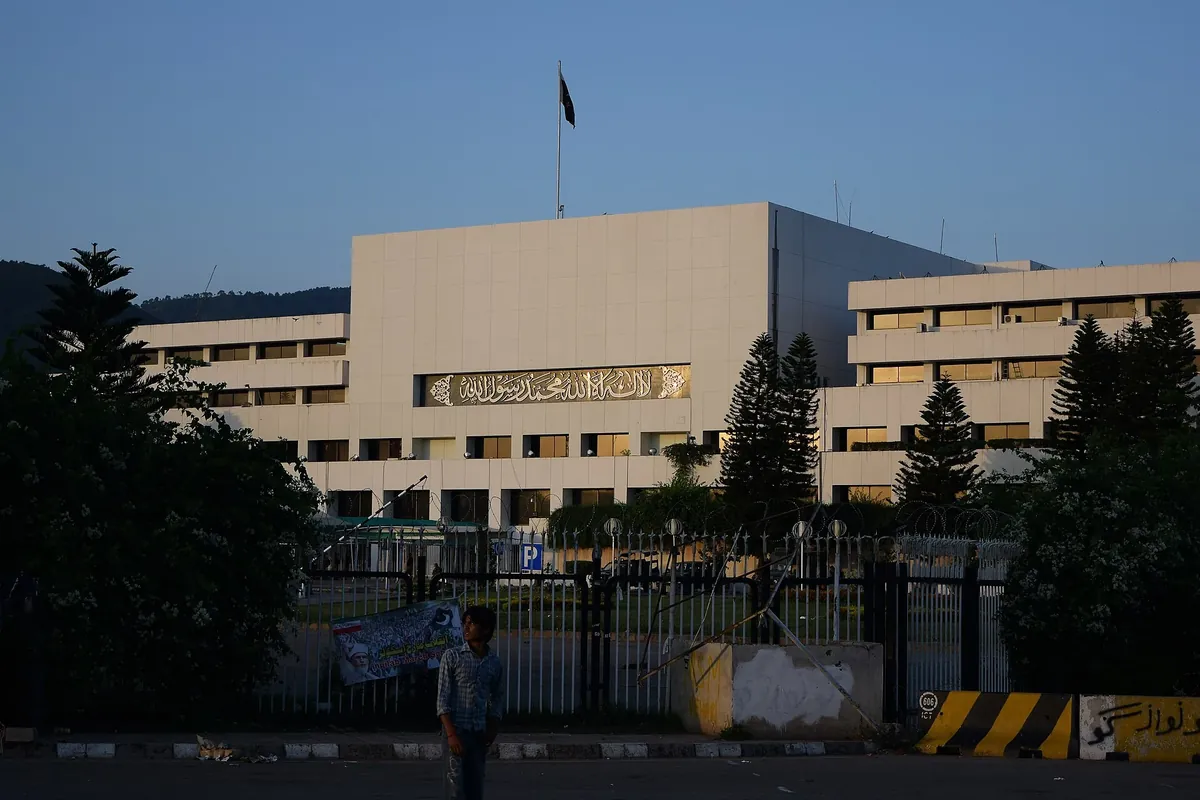
What to watch next
Three things will show whether Friday's statement becomes a turning point or a footnote. First, the opposition's response: whether rival parties formally demand an institutional mechanism — such as an independent audit or an assembly debate — that would give the vow teeth, or whether they simply bank the quote for the next scandal. Second, PERA's enforcement record in the coming weeks: the land-grabbing legislation, the 90-day special courts and the oath against bribery are now the machinery that must produce cases, convictions and recovered land. Third, the bureaucracy's own behaviour: dismissals of bribe-taking officials, if they continue and if they reach senior ranks, will do more for the vow's credibility than any speech.
For citizens, the practical test is simpler. The next time a Punjab government office demands an unofficial payment, the person being asked can now answer with the chief minister's own words. That is the quiet power of a public pledge: it arms ordinary people with a standard they can quote back to power. Whether officials listen depends on whether they believe the chief minister meant it. Friday's speech gave them reason to believe she did; the coming months will show whether she was right.
In summary, Punjab's chief minister has made the most absolute anti-corruption promise available to a politician: resignation over a single proven rupee. She made it in Lahore, in the context of a broader governance and economic agenda, backed by an enforcement apparatus in PERA, a merit-hiring and e-tendering claim, and a record of land retrieval her government cites as evidence. She made it as a leader once convicted and later acquitted in a corruption case, which is why both her supporters and her critics will read the vow through that history. And she made it in a media environment that now checks claims against documents, which means the vow will be tested, repeatedly, against the record. The promise is made. The proving ground is everything that happens next.
Sources
This report is based on reporting, official statements and documents from:
- Daily Pakistan via Google News — Will resign if even one rupee of corruption is proven: Maryam Nawaz (30 Oct 2026, queue e2847d19b61280e6)
- Beflaz syndication of the Daily Pakistan report — Maryam vows to resign if even one rupee of corruption is proven (30 Oct 2026)
- The Free Library / Frontier Post syndication — CM Maryam declares 'end to nepotism' in Punjab, vows zero tolerance on corruption (National Security and War Course delegation address)
- The Free Library — CM Maryam unveils landmark legislation to end land grabbing, vows zero tolerance for corruption (PERA inauguration)
- The Free Library — Corruption unacceptable, warns Maryam (ADP marathon session)
- LHR Times — Maryam Nawaz's Big Claims Are Contradicted by Her Own Paperwork (commentary cited for the UN-Habitat award attribution and the 70% crime-fall figure)
- Wikimedia Commons — Maryam Nawaz file photo; National Assembly hall; Lahore High Court building; Parliament House Islamabad (image credits)
Frequently Asked Questions
What exactly did Maryam Nawaz say?
According to Daily Pakistan's 30 October 2026 coverage of her Lahore ceremony address, Punjab Chief Minister Maryam Nawaz said she will resign if even one rupee of corruption is proven against her. In the same address she described a zero-tolerance policy on financial misconduct, said government employees caught accepting bribes are being dismissed, and linked clean governance to attracting domestic and foreign investment, alongside youth skill development, better commercial facilities and the removal of illegal land encroachments.
When and where did she make the vow?
The vow was reported on Friday, 30 October 2026, from a ceremony in Lahore where the chief minister set out her government's governance, anti-corruption and economic agenda. This article does not pin the ceremony to a narrower date than the reporting itself supports, and it does not present any photograph as a picture of that ceremony — the images here are labelled file photos.
Does the vow mean she automatically loses office if an allegation appears?
No. A public pledge is political, not legal. A chief minister leaves office through constitutional and legal channels — a vote of no confidence, disqualification proceedings or a court decision — not by the automatic operation of a speech. What the vow does is raise the political cost of staying on after a credible, proven finding, because she would then be breaking a promise made in her own words on the record.
What anti-corruption measures does her government point to?
Three in particular. The Punjab Enforcement and Regulatory Authority (PERA), whose inauguration she addressed this week, with land-grabbing legislation promising decisions within 90 days through special courts and up to ten years' imprisonment, plus an oath against bribery for its members. Merit-based hiring and e-tendering for contracts, which she described to a National Security and War Course delegation as having eliminated nepotism. And an anti-encroachment record her government cites — 6,416 kanals of public land worth Rs9.2 billion retrieved in Faisalabad and 6,566 encroachments removed from 116 sites in Gujranwala.
How does her own past corruption case affect the vow?
Maryam Nawaz was convicted in the Avenfield properties case in 2018 and sentenced to prison over her family's London flats; the Islamabad High Court acquitted her in 2022, along with her husband. Supporters say the acquittal is what makes the vow credible — she believes no such rupee exists. Critics say a once-convicted politician making absolute claims deserves the closest scrutiny. Either way, the history guarantees the vow will be read through that case, not apart from it.
What should readers watch to judge whether the vow means anything?
Three tests. Whether the opposition demands an institutional mechanism, such as an independent audit or assembly debate, that gives the pledge teeth. Whether PERA's promised machinery — the 90-day special courts and the anti-bribery oath — produces cases, convictions and recovered land in the coming weeks. And whether dismissals of bribe-taking officials continue and reach senior ranks. A speech sets the standard; dismissals, audits and prosecutions decide whether it is real.