Israel Final Results: Netanyahu's Bloc Wins 53 Seats but Falls Short of a Majority
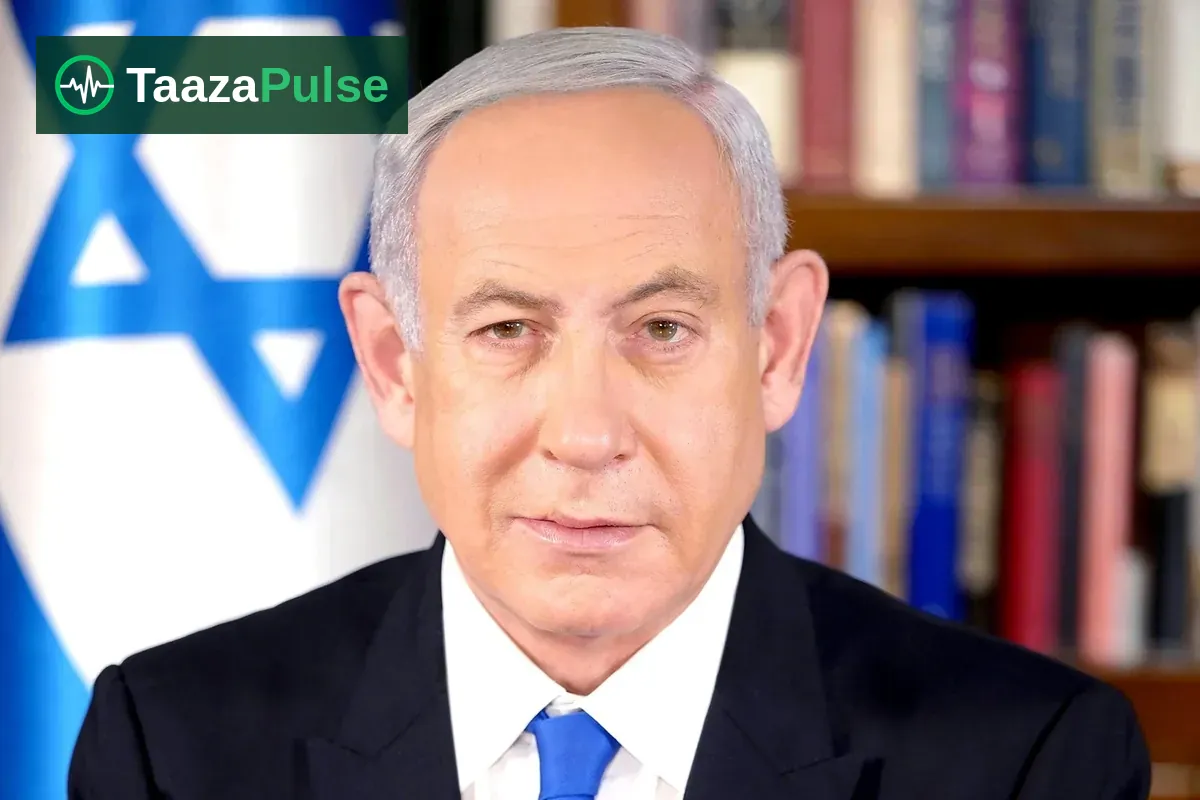
Israel's Central Elections Committee published the final results of Tuesday's Knesset election early on Friday, and they confirm the verdict TaazaPulse reported from the partial count: Benjamin Netanyahu's right-wing bloc has won 53 of the Knesset's 120 seats, eight short of the 61 needed to govern, while the opposition bloc led by former military chief Gadi Eisenkot took 48 and the Arab parties a record 19. Likud remains the largest single party with 27 seats and Eisenkot's Yashar the second largest with 21 — but the headline number is the one nobody in Jerusalem can build a government from, and the fight has already moved from the count itself to a claim by Netanyahu's party that the election was stolen.
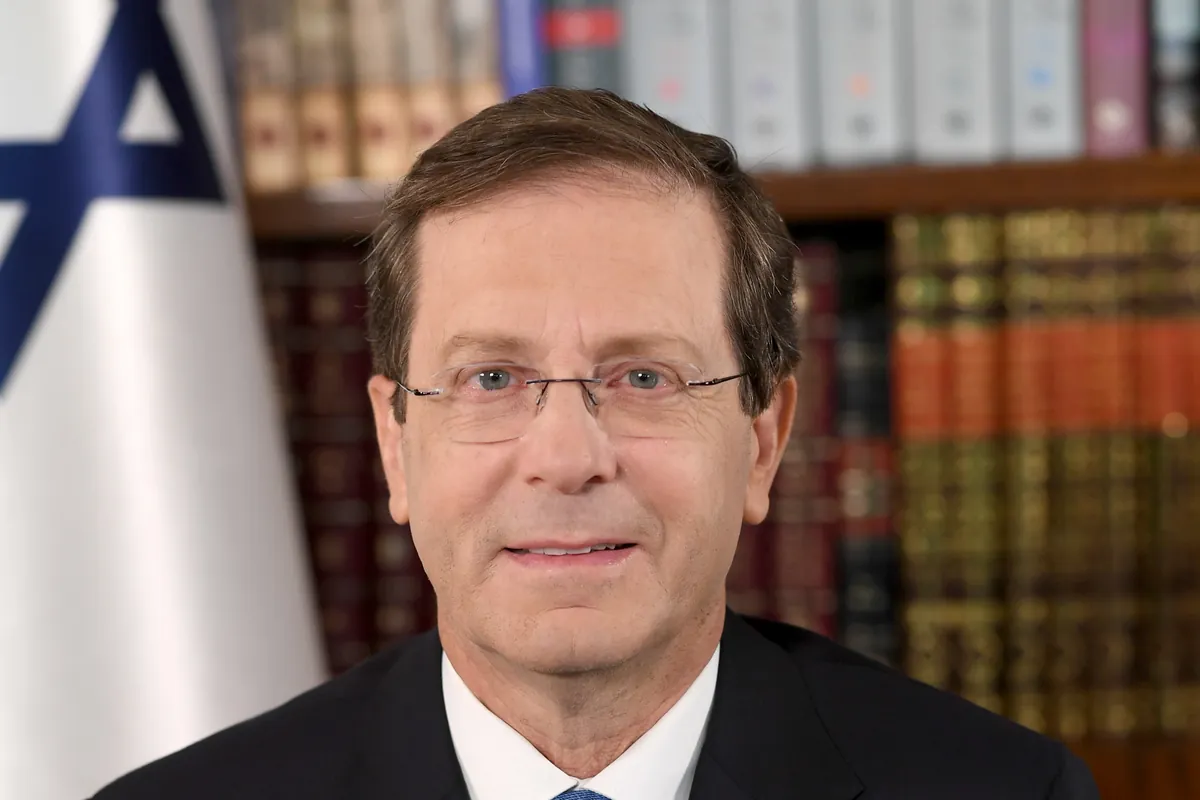
That dispute is the second genuinely new development since Tuesday. Likud has alleged that votes for Arab parties were bought, suggesting money from Qatar was used to pay Arab citizens to vote for the Islamist Ra'am party, which won eight seats. The party has produced no evidence for the claim. Justice Noam Sohlberg, who chairs the Central Elections Committee, wrote to the Shin Bet security service that he could not verify the allegations — and the committee, which is conducting its own review of the election's integrity as it does after irregularities are reported, has made clear the review will not alter the final results. Certified results will be delivered to President Isaac Herzog on Wednesday, 4 November, and the machinery of government formation will start from numbers that are no longer in doubt, whatever is said about them.
The final tally
The completed count reshapes the Knesset significantly. Netanyahu's bloc emerges 15 seats weaker than the coalition that governed before the election, a collapse driven by voters who, on the evidence of the result, wanted change but could not agree on its vehicle. The opposition's 48 seats under Eisenkot, added to the Arab parties' 19, give the anti-Netanyahu camp a nominal 67 of 120 — a majority on paper that exists only if parties that refuse to sit together somehow cooperate. The Arab representation is itself historic: the Joint List took 11 seats and Ra'am eight, the strongest combined showing Arab parties have ever recorded, won on an unusually high turnout in Arab communities that both camps spent the campaign courting or warning against.
For Netanyahu personally, the arithmetic is brutal. At 76, Israel's longest-serving prime minister asked voters for another term and received instead a bloc that cannot govern alone, cannot easily buy defectors from an opposition that campaigned on removing him, and cannot reach 61 without partners who have publicly ruled him out. Likud's 27 seats make it the largest party — the traditional basis for claiming the first mandate to form a government — but size without a path to 61 is a negotiating position, not a victory.
The "stolen election" row
Likud's response has been to contest the legitimacy of the count rather than its arithmetic. The party's claim — that Arab-party votes were purchased, with Qatari money allegedly used to turn out voters for Ra'am — has been rejected as unverifiable by the very official charged with the election's integrity. Justice Sohlberg's letter to the Shin Bet states plainly that he could not verify the claims. President Herzog, receiving the dispute at the moment he must begin consultations, urged a thorough investigation of any concrete allegation while warning against stigmatising Arab citizens — a rebuke, in the careful language of his office, of a narrative that treats a fifth of the electorate's votes as inherently suspect.
Eisenkot accused Likud of attempting to delegitimise the result, and the opposition has framed the claim as an effort to poison the consultations before they begin. Election observers note the practical limits of the row: the committee's integrity review is a routine post-election process that examines reported irregularities at individual polling stations, it is not a recount, and no Israeli institution has suggested the certified figures will change. A review of that kind has no mechanism to move seats between blocs unless fraud at a national scale is proven — and nothing at that scale has been alleged with evidence. What the claim can do — and what analysts in Israel say it is designed to do — is give Netanyahu's camp a grievance to carry into a possible fifth election, and pressure on Arab-party lawmakers whose support any alternative government would need.
The road to 4 November — and after
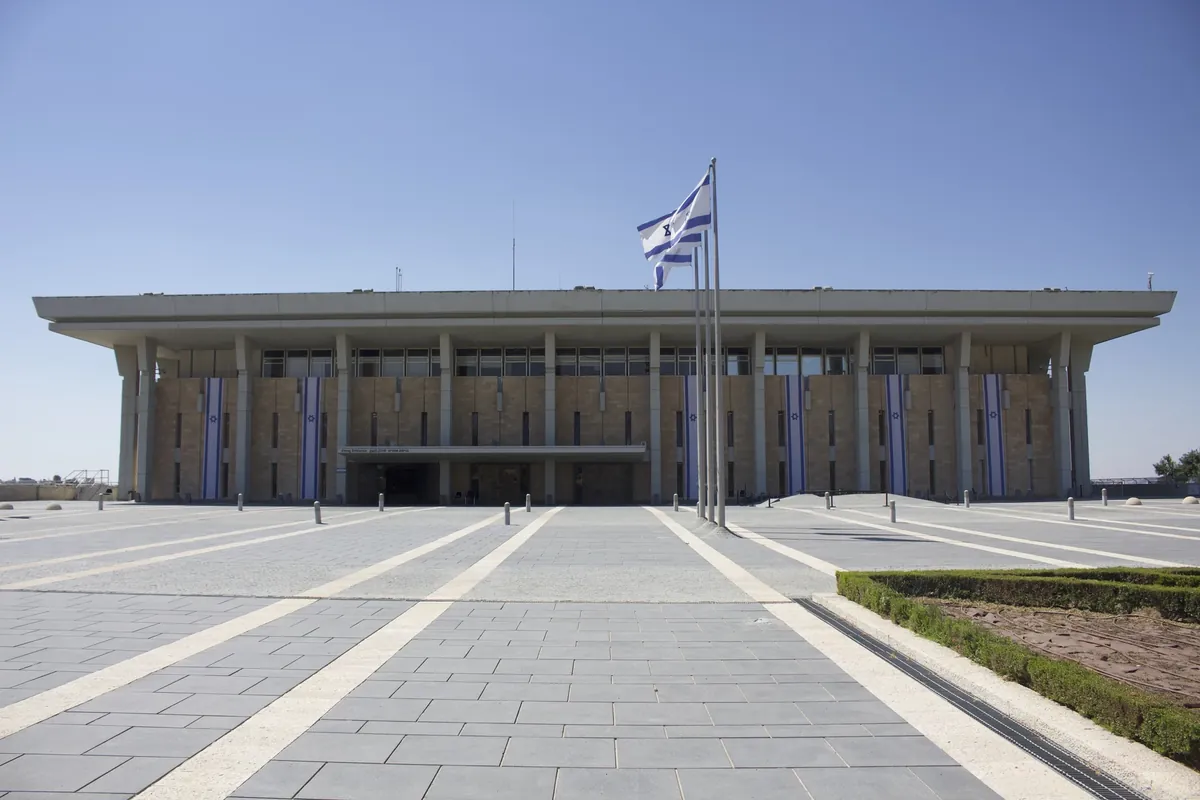
The timetable from here is fixed. On Wednesday, 4 November, the Central Elections Committee formally presents the certified results to President Herzog. Herzog then holds consultations with each party and hands one leader — by convention the one with the best chance of forming a government — a mandate with a set number of weeks to build a coalition. The new Knesset is sworn in on 10 November regardless of whether a government exists. If the first mandate fails, the president may task another candidate; if that fails too, Israel goes back to the polls, an outcome that took the country through four elections in two years within living memory and that every party publicly says it wants to avoid.
The possible outcomes, as mapped by analysts including CNN's election team, reduce to four. An opposition government under Eisenkot would require the Arab parties' support from inside or outside a coalition — a door Joint List leader Yousef Jabareen has left ajar for cooperation to remove Netanyahu, though his party will not join a coalition, and which Naftali Bennett and Avigdor Liberman have both said they oppose if it means depending on Arab parties. A national-unity government pairing Likud with Eisenkot's camp founders on Eisenkot's refusal to serve under Netanyahu in any arrangement, rotation included. A minority government or one built on defectors is arithmetically possible and politically poisonous. And another election remains the outcome nobody wants and everybody is preparing for.
The clock, once Herzog acts, is unforgiving: under Israel's system the leader given the mandate has four weeks to present a government, with a possible two-week extension at the president's discretion. Fail, and the mandate passes on or the Knesset dissolves itself into a new election. That means Israel will know by roughly the end of the year whether Tuesday's verdict produced a government — or merely the campaign for the next one. Until then, the state is run by the outgoing administration in a caretaker capacity, empowered to keep the lights on and barred, by convention, from the largest decisions.
The parties behind the numbers
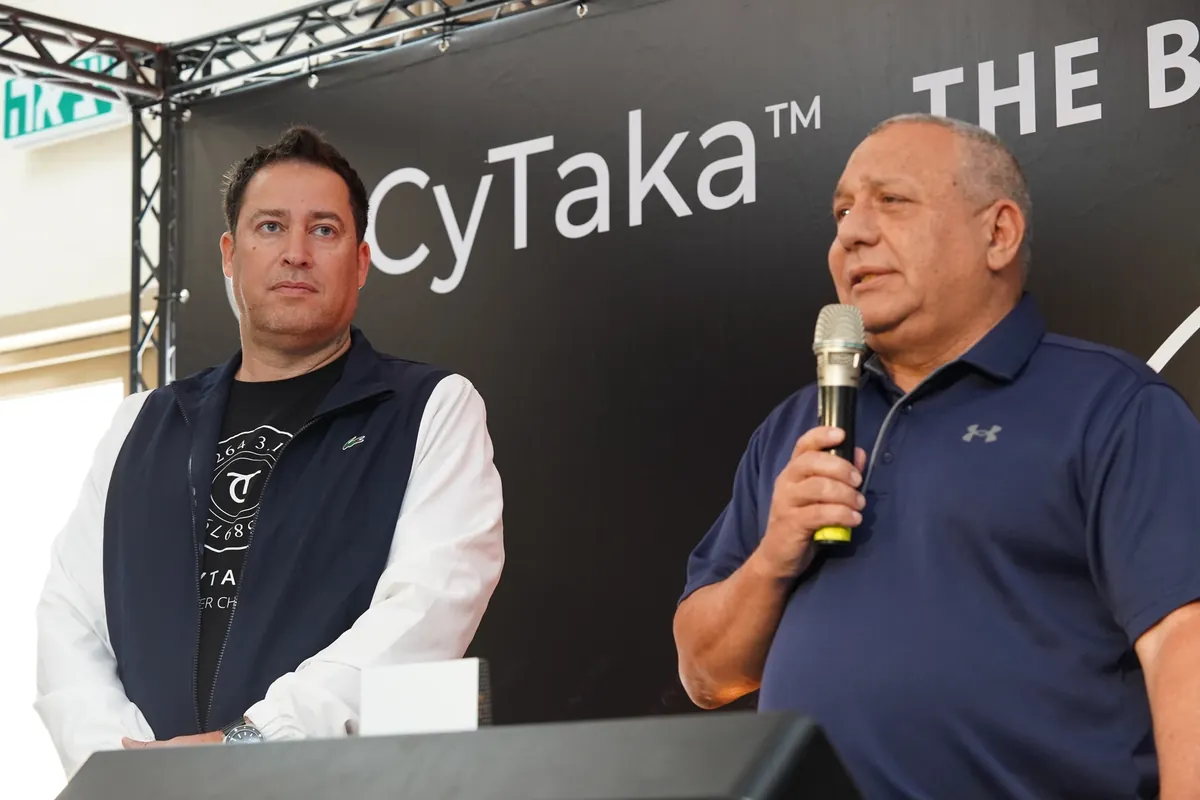
Three features of the result will shape the consultations. The first is Yashar's debut: a party built around Eisenkot, a former chief of staff with no previous political career, took 21 seats at its first attempt — the strongest new-party showing in years, and the reason the opposition has a plausible prime minister to offer the president. The second is the Arab parties' record 19 seats, achieved after the four main Arab lists overcame years of fragmentation: the Joint List alliance took 11, and Mansour Abbas's Ra'am — the Islamist party that broke precedent by joining a governing coalition earlier this decade — took eight on its own. The third is the collapse inside Netanyahu's own camp, where the bloc's 15-seat fall from its outgoing strength fell heaviest on the prime minister's partners, leaving Likud dominant within a bloc that is itself too small.
Washington is watching the arithmetic with its own preference. Israeli media reported during the count that the Trump administration wants Itamar Ben-Gvir, the far-right national security minister in Netanyahu's outgoing government, kept out of any next coalition — a preference that, if pressed, constrains Netanyahu's options further, since Ben-Gvir's party is among the partners his 53 seats are built from. The United States has not commented publicly on the results, and the consultations remain an Israeli process; but a prime minister who needs every one of his 53 seats cannot easily discard any of them, which is precisely the trap the final numbers have set.
What it means beyond Israel
For Pakistan and the wider region, the stalemate prolongs a period of Israeli politics conducted by a caretaker-minded government at a moment when the Gaza ceasefire's next phases, the Iran file and normalisation diplomacy all sit unresolved. A Netanyahu who cannot form a government cannot easily take the large decisions those files demand; an opposition that can only govern with Arab-party tolerance would be constrained in the opposite direction. The one certainty Friday's final count provides is negative: the election Israel hoped would settle its direction has instead recorded, precisely and finally, a country split three ways — 53, 48 and 19 — with the arithmetic of power still to be invented in the president's residence next week.
TaazaPulse's earlier report, Israel's election deadlock as the count closed, covers the vote itself and the campaign; our international desk also reported this week on the reported tanker incidents near the Strait of Hormuz, the region's other fast-moving story.
Sources
This report is based on reporting, official statements and documents from:
Frequently Asked Questions
What are the final results of Israel's election?
The Central Elections Committee's final tally gives Benjamin Netanyahu's bloc 53 of 120 Knesset seats, the opposition bloc led by Gadi Eisenkot 48, and the Arab parties a record 19. Likud is the largest party with 27 seats; Eisenkot's Yashar has 21.
Why does Netanyahu not have a majority?
A governing coalition needs 61 of the Knesset's 120 seats. Netanyahu's bloc won 53 — eight short — after losing 15 seats compared with the outgoing Knesset.
What is Likud's 'stolen election' claim?
Likud alleges that votes for Arab parties were bought, suggesting Qatari money was used to turn out voters for Ra'am. It has produced no evidence; the elections committee chairman, Justice Noam Sohlberg, wrote to the Shin Bet that he could not verify the claims, and the committee says its integrity review will not change the final results.
When will Israel's election results be certified?
Certified results are presented to President Isaac Herzog on Wednesday 4 November 2026. He then consults the parties and assigns a mandate to form a government; the new Knesset is sworn in on 10 November.
Who could form Israel's next government?
The mapped options are an opposition government relying on Arab-party tolerance, a national-unity government — which Eisenkot rules out under Netanyahu — a minority government or one built on defectors, or another election if no one can reach 61.
How many seats did the Arab parties win?
A record 19 seats in total: the Joint List alliance won 11 and Mansour Abbas's Ra'am won 8, on high turnout in Arab communities.