King Charles Takes Slavery's Legacy With Him on Caribbean Tour
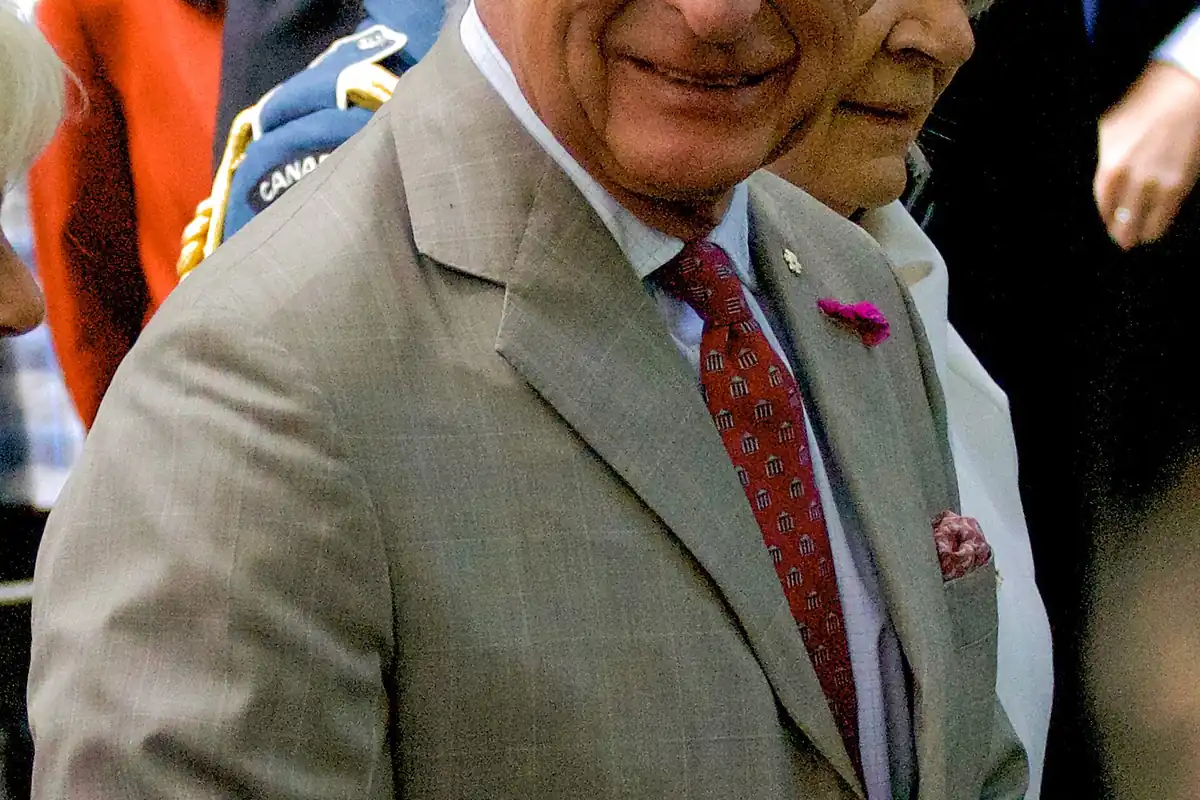
King Charles III has danced in a Junkanoo parade, laid a wreath for fallen Bahamian marines, spoken of slavery's "great suffering" — and on Thursday swaps the Bahamas for Guyana as his nine-day Caribbean tour moves to its most historically charged leg. The Autumn Tour, running from 27 October to 4 November, is the King's longest overseas programme since his cancer diagnosis was announced in 2024, and it is built around the two subjects that follow the modern monarchy everywhere it goes in the Caribbean: the legacy of slavery and the future of the Commonwealth.
The Bahamas: Junkanoo, memory and a difficult history
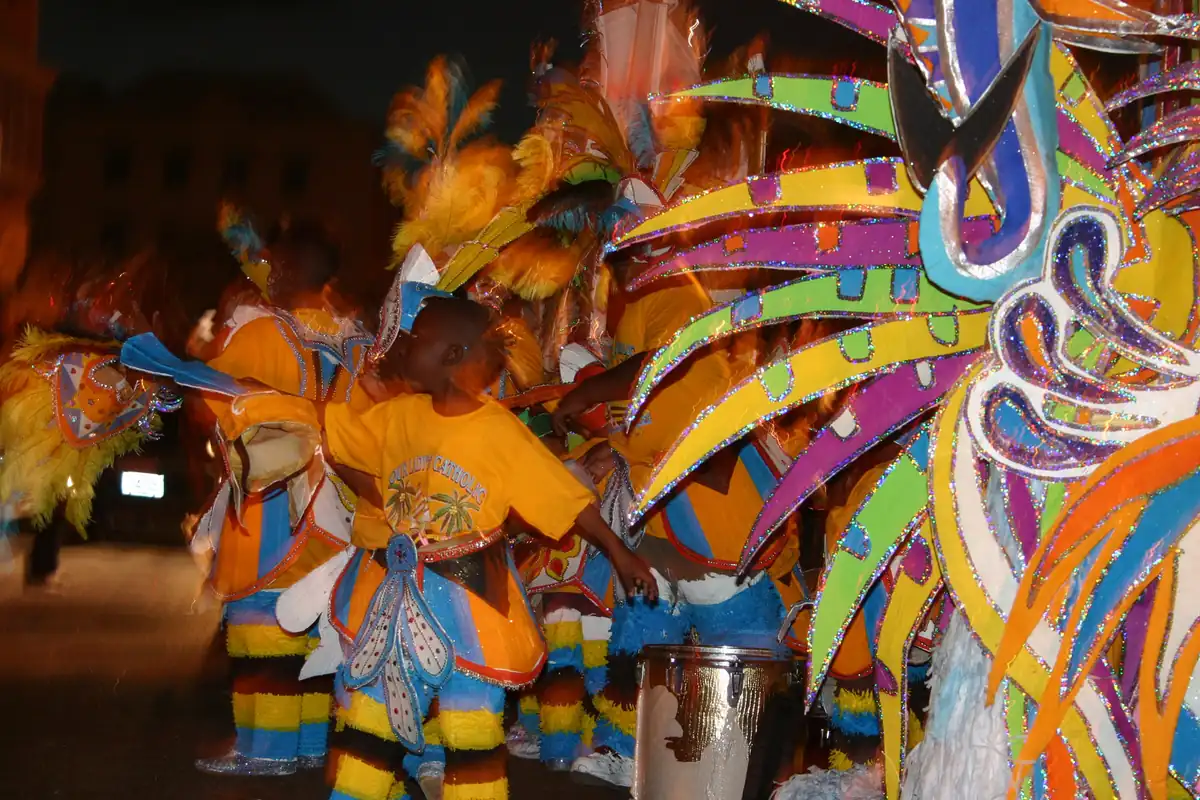
In Nassau, the King joined the Junkanoo — the Bahamas' riotously colourful street festival of costume, drum and dance — and was photographed dancing with performers, the informal high point of a leg that also carried solemn duties. He laid a wreath at the Flamingo Monument, which commemorates four Royal Bahamas Defence Force marines killed in 1980, and visited a boxing academy to meet young Bahamian fighters.
The visit's most quoted moment came at a youth rally, where Charles acknowledged the "great suffering of the past" caused by slavery — language Buckingham Palace had trailed in advance, with officials saying the King would repeat his formulation that slavery was an "atrocity that forever stains our history". Campaigners in the Bahamas, as across the region, are pressing for more: a formal apology and a reparations process. No formal apology is expected on this tour, and the distance between the King's words of sorrow and the campaigners' demands remains the central tension of the visit — as it was at the last Commonwealth summit, and as it will be at the next one, which ends this tour.
Climate: "90 per cent of the land below two metres"
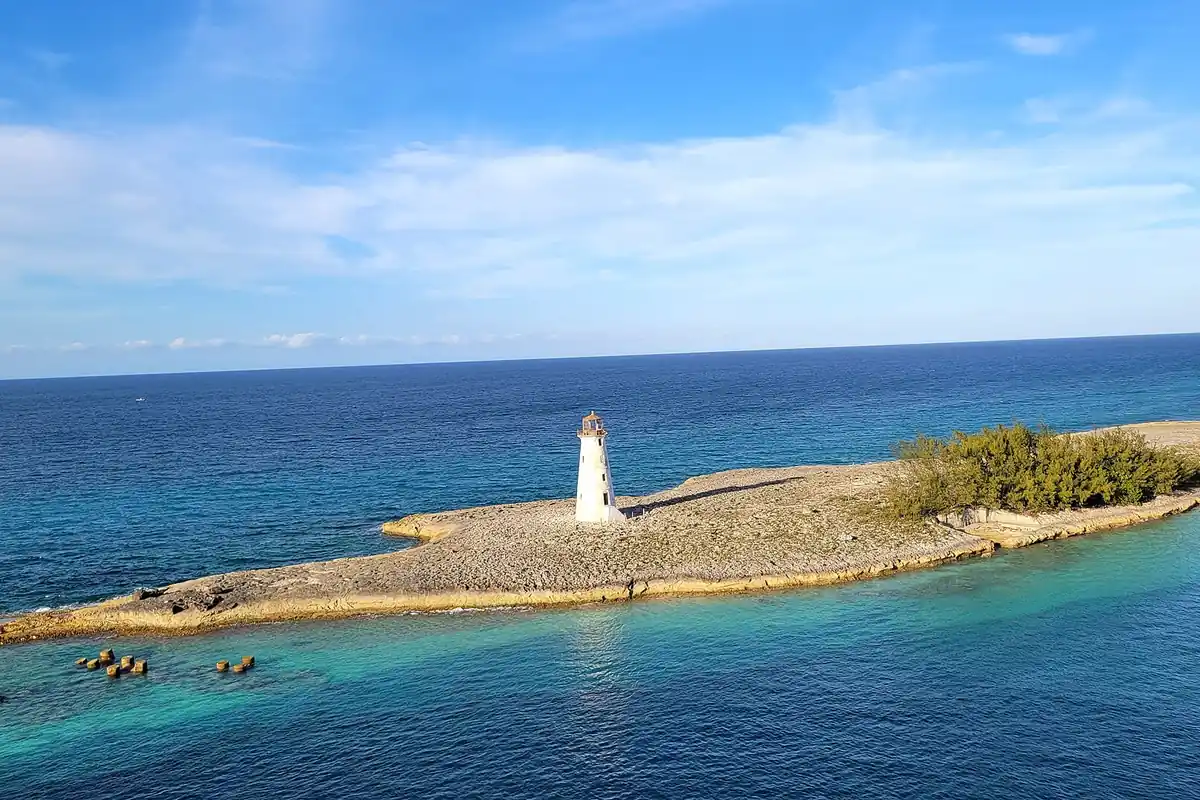
At Bonefish Pond National Park, the King turned to the issue he has campaigned on for five decades. Noting that some 90 per cent of the Bahamas' land sits below two metres above sea level, he framed the islands' exposure to rising seas and intensifying hurricanes as the defining question of their future — a message calibrated for a region where climate change is not an abstraction but an annual emergency budget. The Bahamas' experience of Hurricane Dorian in 2019 remains the Caribbean's starkest modern example of storm devastation.
Guyana: sixty years, and a first in three decades
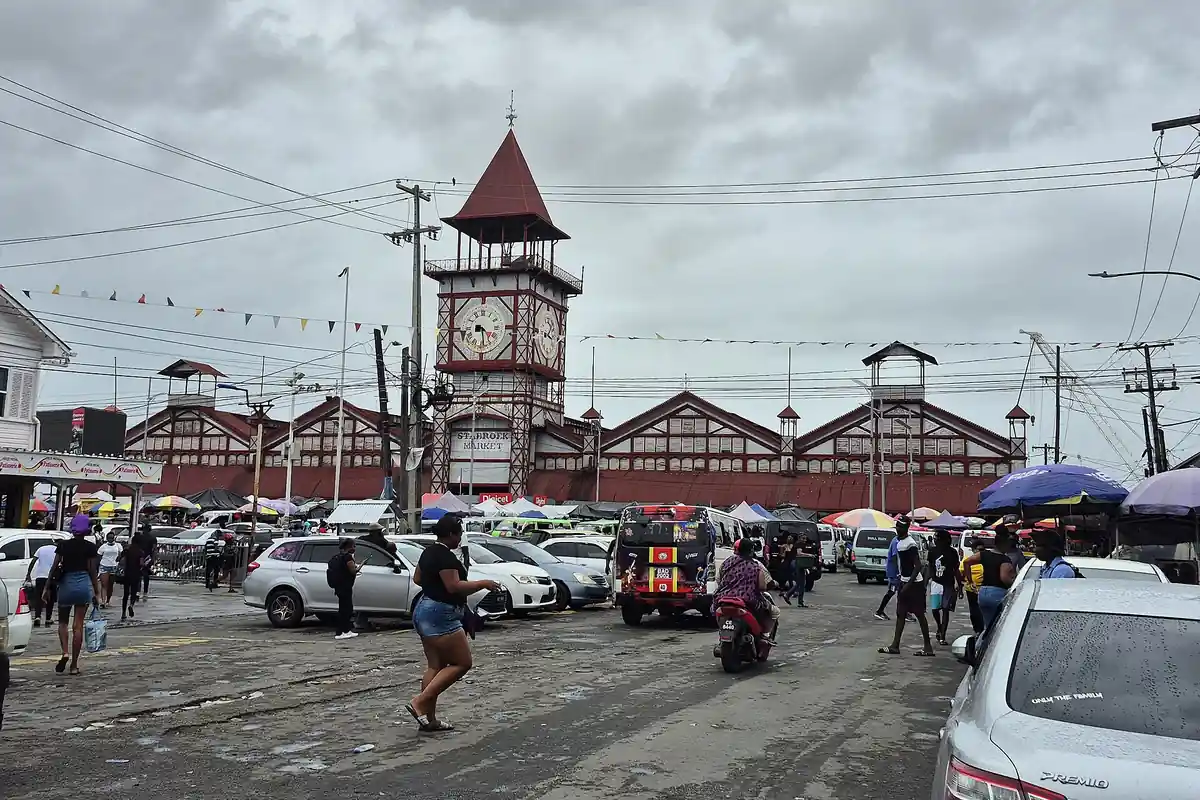
On Thursday the tour moves to Guyana for a two-day state visit, 29–30 October, marking 60 years of relations since Guyanese independence on 26 May 1966. It is the first visit by a reigning British monarch in more than thirty years: Elizabeth II came in 1966 and again in 1994, while Charles visited as Prince of Wales in 2000. Guyana — oil-rich, fast-growing and strategically courted — gives the tour a harder geopolitical edge than the Bahamian leg: the visit is a statement that London intends to compete for attention in a region where other powers are investing heavily.
Antigua and the Commonwealth summit
The tour closes in Antigua and Barbuda, where Queen Camilla joins the King for the Commonwealth Heads of Government Meeting from 1 to 4 November. The slavery legacy and reparations are expected to feature on the agenda there too, as they did at the Samoa summit in 2024, where leaders pressed the issue into the final communiqué despite British resistance. Charles, as Head of the Commonwealth, opens and hosts elements of the summit — a role that places him personally at the table where the institution's reckoning with its past is negotiated.
Before leaving the region's orbit, the King also looked east: Hello magazine reported a gesture of support from Charles to King Felipe VI of Spain following Wednesday's train disaster near Urda — a reminder that this week's European news has run in grim parallel with the tour. Our report on the crash and its investigation is here.
The republic question in the background
Every engagement on this tour takes place under a constitutional shadow. Charles is head of state of eight Caribbean realms, but the region's direction of travel is unmistakable: Barbados removed the Crown in 2021 and became a republic with a Barbadian president, Jamaica's governments have repeatedly committed to a referendum on the same step, and republican debate is live in several of the smaller island states hosting CHOGM. The Palace's calculation, visible in this itinerary, is that the monarchy's remaining case in the Caribbean is personal rather than constitutional — a king who shows up, dances at Junkanoo, mourns local servicemen and uses the word "atrocity" about slavery is harder to campaign against than a distant institution. Campaigners counter that symbolism without a formal apology or a reparations process changes nothing material, and their voices have been present, if polite, at every stop.
Guyana, notably, is already a republic — it removed the monarchy in 1970, six years after independence — which makes Thursday's state visit a different kind of diplomacy: not realm maintenance but partnership-building with a country whose offshore oil boom has made it one of the fastest-growing economies in the world and a state courted by Washington, Beijing and London alike. Sixty years of diplomatic relations is the stated occasion; energy, security and influence are the substance.
What the tour is really about
Caribbean tours by British monarchs were once victory laps. In 2026 they are negotiations — with history, with republican movements that have already carried Barbados out of the realm and put the question on Jamaica's agenda, and with small states whose votes and voices matter in every international forum. Charles's answer, on this trip, has been presence: dancing at Junkanoo, mourning at the Flamingo Monument, and saying the word "atrocity" where his predecessors said nothing. Whether that is enough for the region's campaigners will be tested in Antigua next week. More royal and world coverage is on our International desk.
The reparations question that shadows the tour
Running beneath the ceremony is a debate the King cannot settle and cannot escape. Caribbean governments have pressed a formal reparations programme for slavery for more than a decade, and the issue has sharpened as Commonwealth summits have approached: host nations and campaigners argue that acknowledgment without remedy is incomplete, while the British government's longstanding position has been to express sorrow without opening a reparations negotiation. The Palace's language on this tour — slavery described as an atrocity that forever stains history, its suffering acknowledged directly to Caribbean audiences — is calibrated to the inch: warmer than refusal, short of the apology-and-programme step campaigners demand. That calibration is itself the story of the modern monarchy's Caribbean problem, and it is why a nine-day tour of parades and wreath-layings is being read, in Nassau, Georgetown and St John's alike, as a test of whether the Crown can keep the region's republican tide at bay.
Sources
This report is based on reporting, official statements and documents from:
- Associated Press
- Buckingham Palace briefings via UK media
- Hello Magazine
Frequently Asked Questions
What is King Charles's Caribbean tour?
The King's Autumn Tour runs for nine days, from 27 October to 4 November 2026. It began in the Bahamas, moves to a state visit to Guyana on 29–30 October, and ends in Antigua and Barbuda for the Commonwealth Heads of Government Meeting (CHOGM) from 1 to 4 November, which Queen Camilla also attends.
What did King Charles say about slavery in the Bahamas?
At a youth rally in Nassau, the King acknowledged the 'great suffering of the past' caused by slavery. Palace officials said he would repeat his formulation that slavery was an 'atrocity that forever stains our history'. Campaigners are pressing for a formal apology and reparations; no formal apology is expected on this tour.
Why is the King visiting Guyana?
The state visit on 29–30 October marks 60 years of relations since Guyanese independence on 26 May 1966. It is the first visit by a reigning British monarch in more than thirty years — Elizabeth II visited in 1966 and 1994, and Charles came as Prince of Wales in 2000. Guyana is already a republic and an oil-rich, fast-growing economy.
What did the King do in the Bahamas?
He joined the Junkanoo parade in Nassau and danced with performers, laid a wreath at the Flamingo Monument to four Royal Bahamas Defence Force marines killed in 1980, visited a boxing academy, and spoke about climate risk at Bonefish Pond National Park, noting that about 90 per cent of the Bahamas' land sits below two metres above sea level.
Will reparations be discussed at the Commonwealth summit?
The slavery legacy and reparations are expected to feature at CHOGM in Antigua and Barbuda (1–4 November), as they did at the Samoa summit in 2024, when leaders pressed the issue into the final communiqué. Charles attends as Head of the Commonwealth.
Is there any new announcement about the King's health?
No. Buckingham Palace has made no new health announcement during the tour, and claims circulating on social media have no official basis. The tour itself — nine days of engagements — is the King's longest overseas programme since his cancer diagnosis was announced in 2024.