At Least 68 Killed as High-Speed Trains Collide Near Urda in Spain
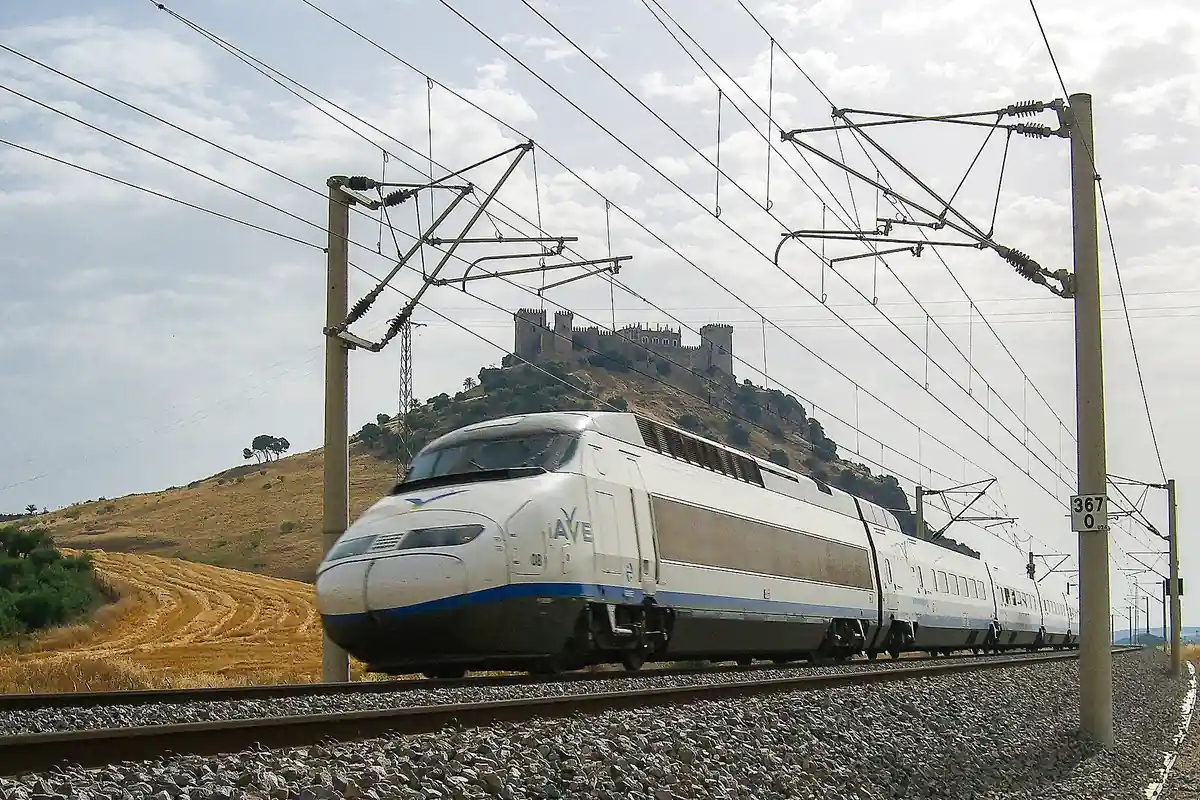
At least 68 people have been killed and dozens injured after a high-speed passenger train ran into the back of a stationary train on Spain's Madrid–Seville line on Wednesday morning, in the deadliest rail disaster in Europe since 2013. The crash, near the town of Urda in Toledo province, has prompted three days of national mourning, a criminal and technical investigation, and a stark admission from Spain's transport minister that the moving train should never have been allowed to proceed.
The collision happened at about 08:54 local time on the high-speed line through Castilla-La Mancha. A Renfe train carrying 397 passengers south from Madrid struck the rear of an Iryo train carrying 147 passengers that had stopped on the line ahead of it. The force of the impact derailed the Iryo train's two rear carriages, which left the track and went down an embankment, according to officials briefed on the scene.
The toll
The regional government of Castilla-La Mancha confirmed a death toll of at least 68, with identification of victims continuing at the scene and in hospitals through Thursday. The Associated Press, citing officials, reported 58 people in hospital, and Spanish authorities have warned that the confirmed toll may still change as identification work is completed. Families of passengers were directed to official information points as the painstaking process of naming the dead began.
One survivor, Samy Paul, a British tourist travelling on one of the trains, described to the Associated Press the moment of impact and the confusion that followed as passengers helped each other from the damaged carriages. Emergency services, including medical helicopters and fire crews, worked at the site through the day, and hospitals across the region received the injured.
What the minister says went wrong
Transport Minister Óscar Puente told a news conference that the sequence began with a failure in the railway's computer and communications systems, which triggered a red signal that stopped traffic in the area. The Iryo train was stationary because of that signal. A decision was then taken to restart the Renfe train — and, in the minister's account, it was wrongly authorised to pass the signal that remained active.
Puente described that decision as inexplicable and was explicit that the train drivers were not at fault: the order to proceed came from elsewhere in the system. A formal investigation — technical and judicial — is now under way to establish who authorised the movement, what the failed systems recorded, and why the safeguards that should prevent a train passing a red signal did not stop it. Spain's rail infrastructure manager and both operators are cooperating with investigators, and the section of line remains closed.
A second disaster in a year of mourning
Prime Minister Pedro Sánchez declared three days of national mourning and promised a thorough investigation. He called it unacceptable that Spain has now suffered two high-speed rail accidents in the same year — the first came in January near Adamuz, in Córdoba province, a crash that itself shocked a country proud of its high-speed network, the largest in Europe. Wednesday's death toll makes the Urda crash the deadliest rail disaster on the continent since the 2013 Santiago de Compostela derailment.
The political aftershocks were immediate but muted. The opposition People's Party cancelled campaign events; Spain is due to hold a general election on November 29, and the crash has landed in the middle of the campaign period, with rail safety and the state of the network's control systems now unavoidable questions for every party. European Commission President Ursula von der Leyen was among the leaders to send condolences and offer European assistance.
At the scene
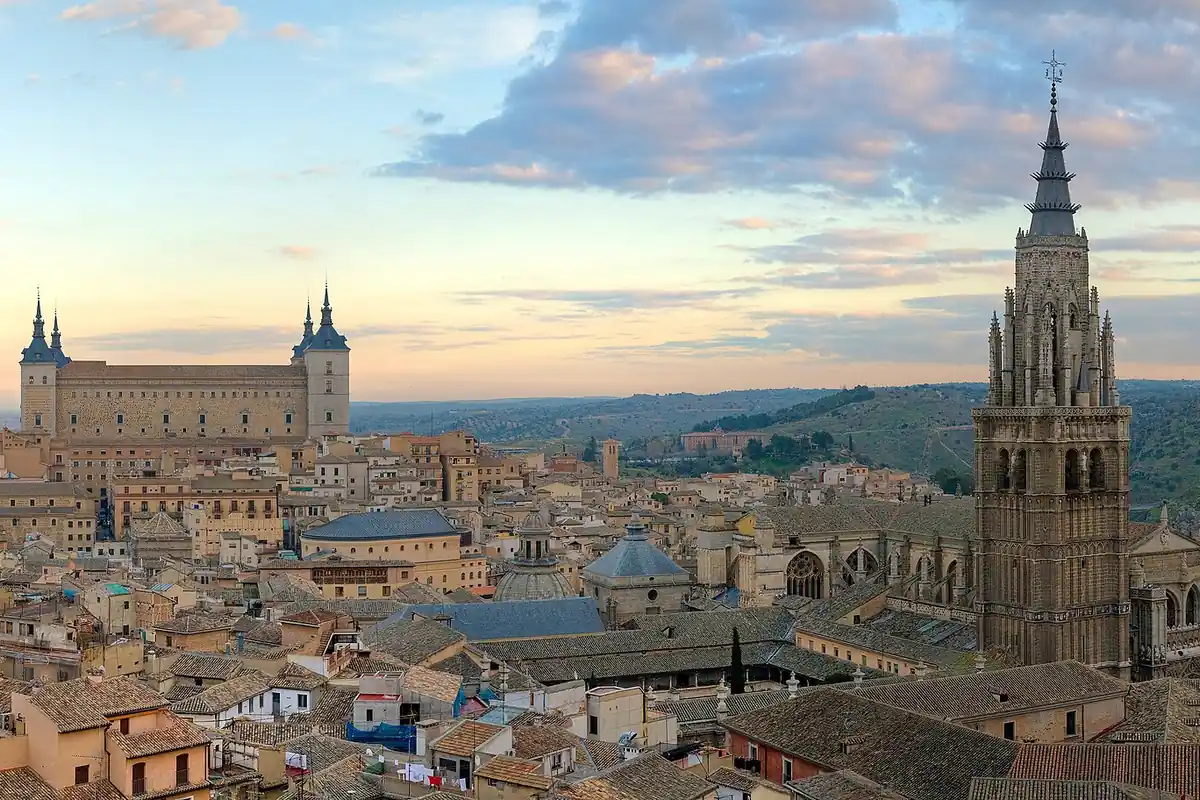
The derailed carriages came to rest below the level of the line on an embankment outside Urda, a small town in the province of Toledo, and rescue teams worked through the day in the area around the wreckage. Regional emergency services coordinated the response, with hospitals in Toledo and Madrid receiving casualties and officials maintaining a single confirmed channel for casualty figures as identification proceeded — a discipline Spanish authorities have emphasised since the first hours, when early numbers varied widely between reports. Train services on the Madrid–Seville corridor were suspended, with Renfe arranging alternative transport for passengers booked on the route, one of the busiest in the country for business and family travel between the capital and Andalusia.
For the families of the 544 people aboard the two trains, the day was one of waiting at stations, hospitals and information points for names. The government has said victim identification and family notification take priority over the release of further detail — which is why officials have asked media and the public to treat unconfirmed figures circulating online with caution.
Spain's high-speed network under scrutiny
Spain operates the largest high-speed rail network in Europe and the second largest in the world after China, a system built over three decades into a symbol of national modernity — which is why two catastrophic accidents in a single year have landed with such force. The January crash near Adamuz, in Córdoba province, began the reckoning; Wednesday's collision, involving a failure of the signalling layer itself and a human decision taken inside that failure, deepens it in a more uncomfortable direction. The questions are no longer only about track and trains but about the control systems and command culture shared by every operator on the network. Puente's decision to describe the restart order publicly, within a day of the crash and before investigators report, suggests the government intends the inquiry to be seen as unsparing — a promise the opposition, the victims' families and the travelling public will hold it to.
The line, the operators and the questions ahead
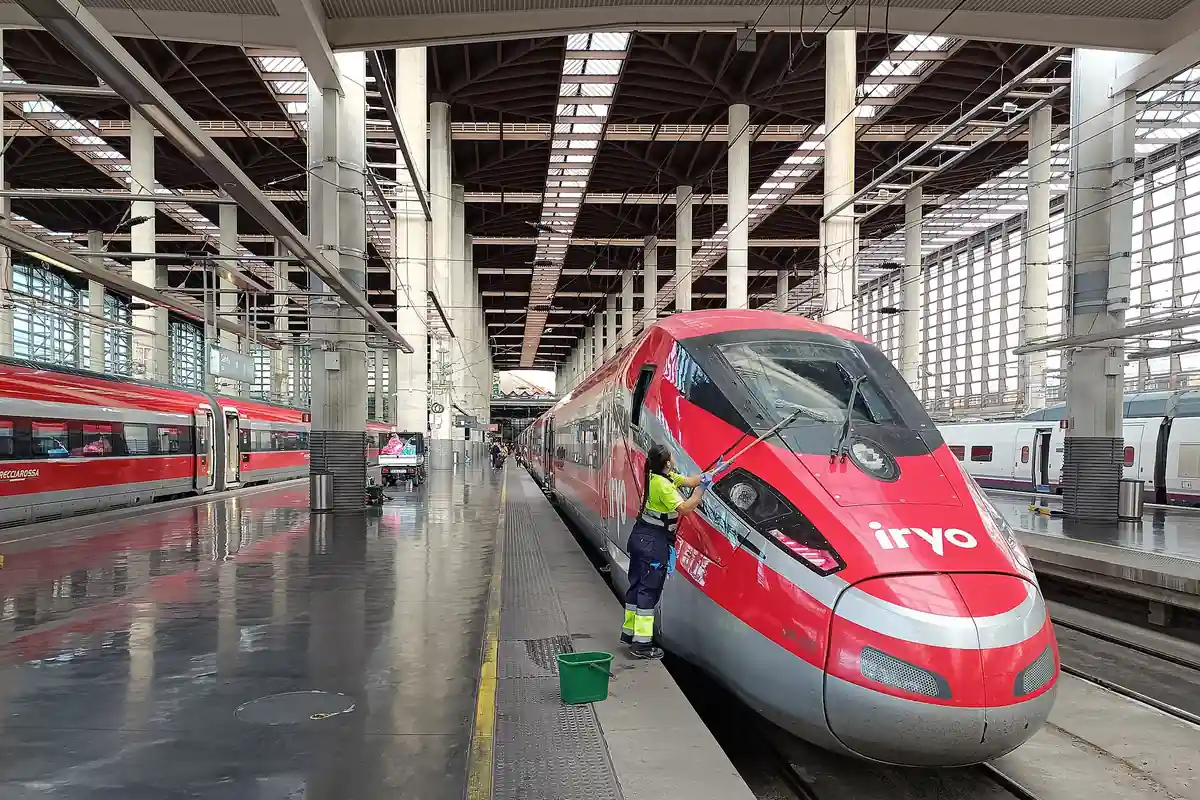
The Madrid–Seville corridor is one of the founding routes of Spain's AVE high-speed network. Renfe, the state operator, now shares the line with private competitors under Spain's liberalised model; Iryo, owned by a consortium including Italy's state railway group, runs Frecciarossa 1000 trains on the route. The model has cut fares and filled trains — and Wednesday's crash will focus scrutiny on how the signalling and control layer that all operators share is maintained and supervised.
Investigators' first questions are already clear from the minister's own account. Why did the computer and communications systems fail? Who had authority to order a train past a red signal, and on what information? And what did the automatic protection systems record in the final minutes? Until the investigation answers them, officials have asked the public to rely on confirmed figures rather than the speculation that inevitably follows a disaster of this scale. TaazaPulse will update this report as the investigation publishes its findings and the victims are named.
More world coverage is on our International desk, including the deadlocked result of Israel's general election and our report on the French inquiry into the Louvre jewel heist. Readers in Pakistan affected by travel disruption can also check our passport application guide.
Sources
This report is based on reporting, official statements and documents from:
- Associated Press
- Castilla-La Mancha regional government statements
- Spanish Ministry of Transport (Óscar Puente news conference)
- Reuters
Frequently Asked Questions
What happened in the Spain train crash?
On Wednesday morning, a Renfe high-speed train carrying 397 passengers on the Madrid–Seville line ran into the rear of a stationary Iryo train carrying 147 passengers near Urda, in Toledo province. The impact derailed the Iryo train's two rear carriages, which went down an embankment. At least 68 people were killed, according to the regional government of Castilla-La Mancha.
How many people died in the Urda train crash?
The regional government of Castilla-La Mancha has confirmed at least 68 deaths, with identification of victims continuing. The Associated Press reported 58 people in hospital. Officials have warned the confirmed toll may change as identification work is completed, and have asked the public to rely on official figures.
What caused the Spain train crash?
Transport Minister Óscar Puente said a computer and communications failure triggered a red signal that stopped traffic, including the Iryo train. A decision was then taken to restart the Renfe train, which was wrongly allowed past the active signal. The minister called that decision inexplicable, cleared the drivers of fault, and said a technical and judicial investigation is under way.
Where exactly did the crash happen?
The collision happened at about 08:54 local time near the town of Urda, in Toledo province, Castilla-La Mancha, on the high-speed line between Madrid and Seville — one of Spain's busiest rail corridors. Services on the line were suspended.
How has Spain responded to the train crash?
Prime Minister Pedro Sánchez declared three days of national mourning and promised a thorough investigation, calling it unacceptable that Spain has suffered two high-speed rail accidents in one year. The opposition People's Party cancelled campaign events, and European Commission President Ursula von der Leyen sent condolences and offered EU assistance.
Is this Spain's worst train disaster?
It is the deadliest rail disaster in Europe since the 2013 Santiago de Compostela derailment. It is also Spain's second high-speed rail accident of 2026, following a crash near Adamuz in January — a fact the prime minister himself cited in promising a full investigation.