A Year On, Louvre Jewels Still Missing as Inquiry Blames Systemic Failures
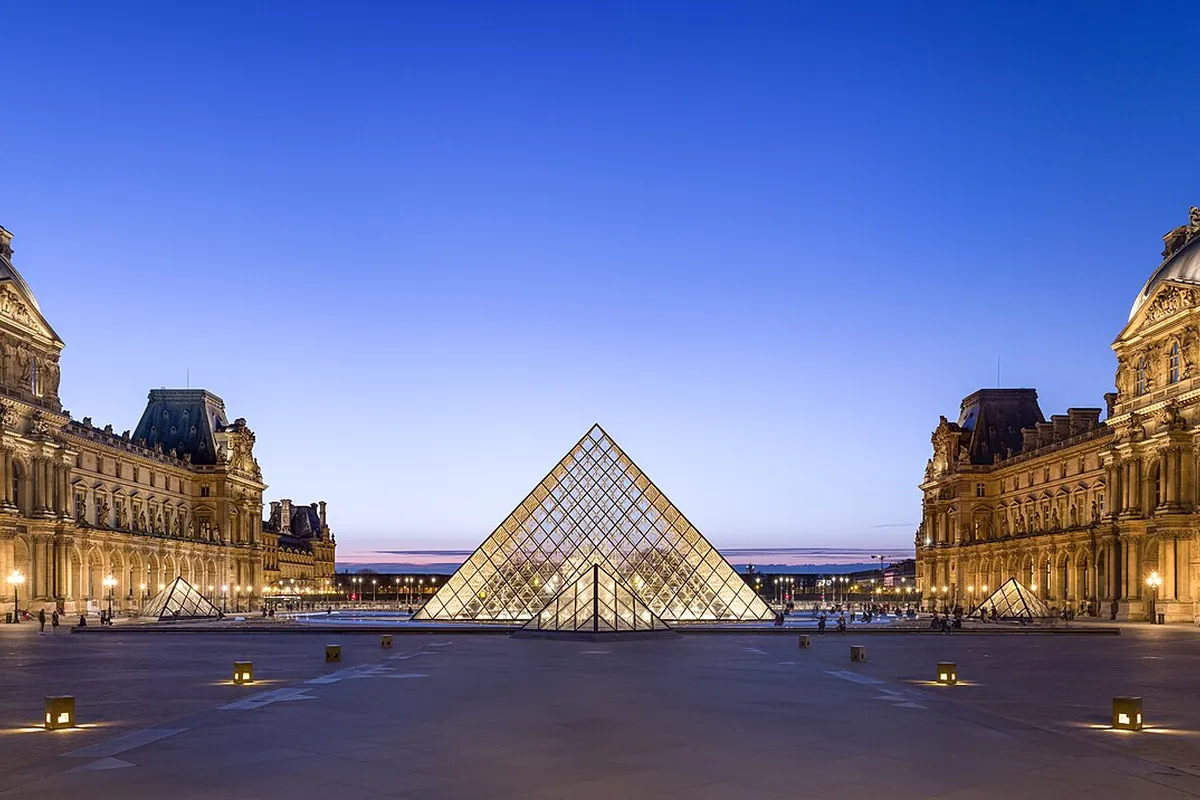
One year after thieves walked out of the Louvre with €88 million worth of France's crown jewels in broad daylight, a French parliamentary inquiry has delivered its verdict on how it was possible — and the word it uses is "systemic". The commission's findings, reported this week with further hearings still to come, describe a museum whose security had been allowed to decay for years: cameras that did not work, an alarm that sent officers to the wrong place, and an audit warning about the exact route the thieves would take that sat in a file from 2019.
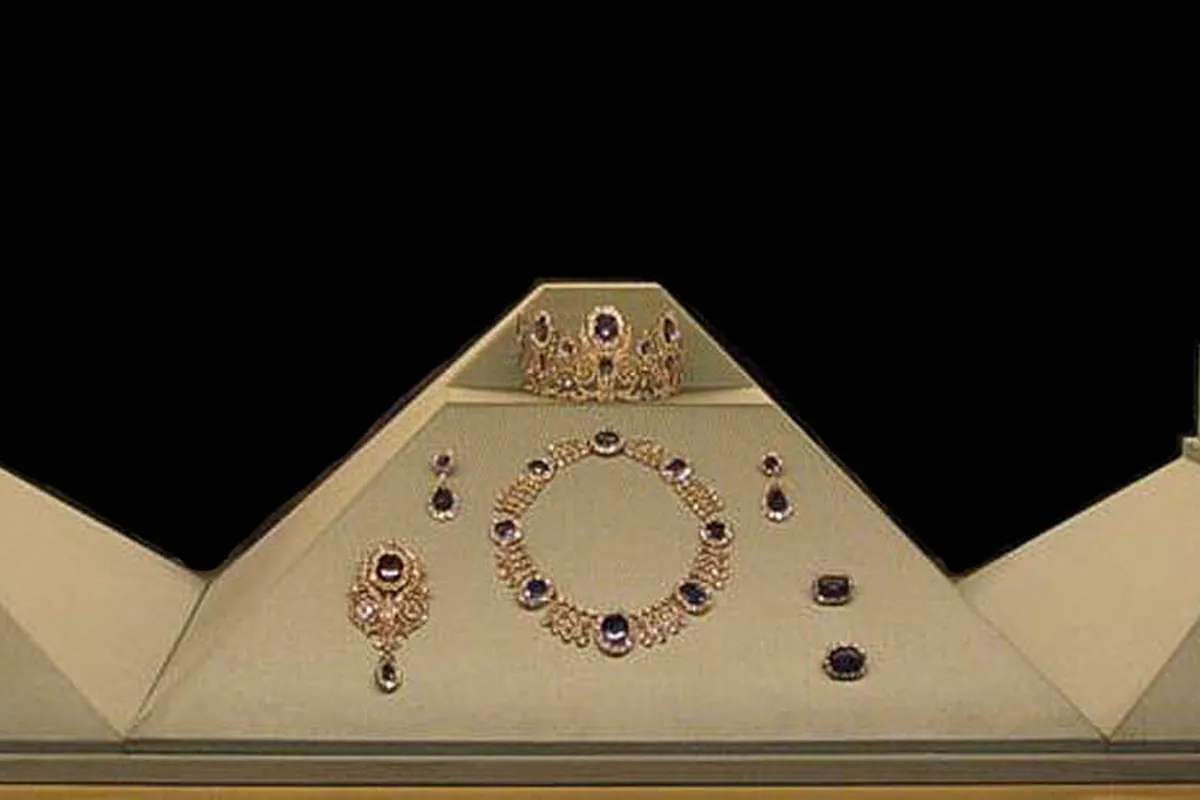
The eight pieces that remain missing are still missing. The crown of Empress Eugénie, dropped by the fleeing gang and recovered damaged outside the museum, is the only item retrieved. Everything else — tiaras, necklaces and earrings that once belonged to French royalty — is on Interpol's stolen-works database, uninsured, and, in the assessment of investigators and jewellery experts who have followed the case, quite possibly already dismantled.
The heist, recalled
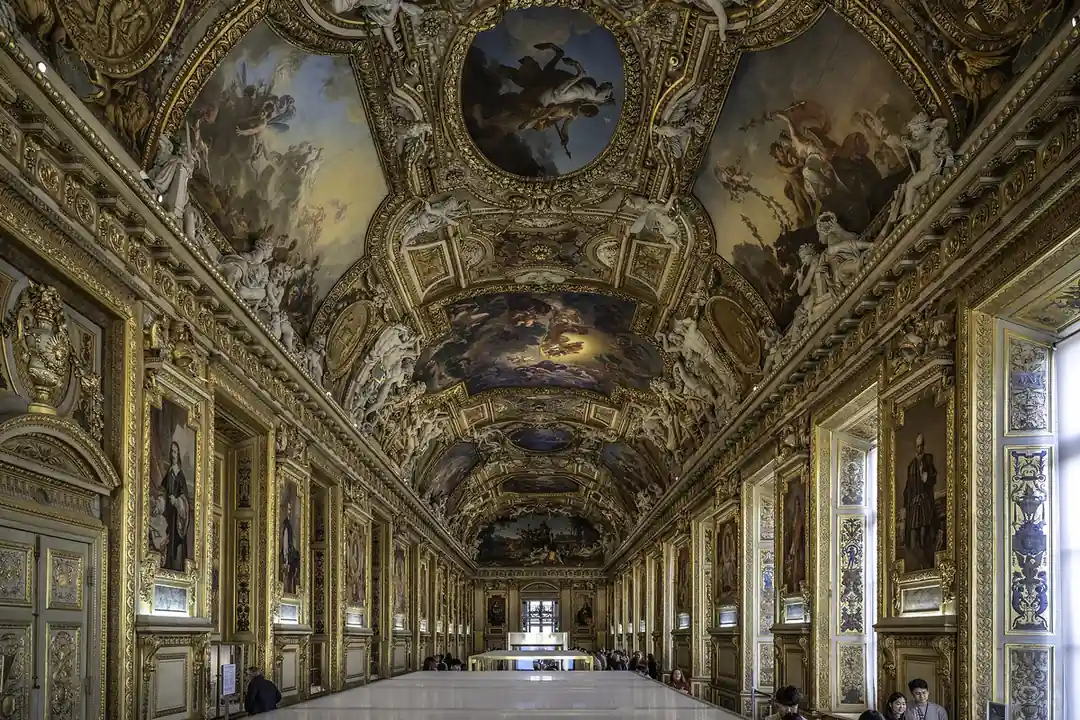
On the morning of 19 October 2025, a gang using a furniture lift reached a balcony of the Galerie d'Apollon — the gallery that houses the French crown jewels — cut through a window, smashed display cases and escaped with nine pieces in an operation that lasted minutes. The gallery sits on the first floor of the Denon wing, metres from the crowds entering the world's most-visited museum.
The audacity of the theft made it a global story and a national humiliation. What the parliamentary commission, led by chief investigator Noël Corbin for the Senate's culture committee, has now documented is that the opportunity for it was created long before the gang arrived.
"Systemic failures": what the inquiry found
According to the commission's findings, only one of the two cameras covering the break-in point was working on the morning of the theft. When the alarm sounded, officers were directed to the wrong location, losing the minutes in which an interception was possible. A security audit carried out in 2019 by the jewellery house Van Cleef & Arpels — engaged because its pieces were displayed in the gallery — had already identified the balcony route as a vulnerability. And a government audit found that only 39 per cent of the museum's rooms had camera coverage at all.
The commission's conclusion is that these were not isolated lapses but a pattern: a management culture at the museum that treated security as a secondary concern behind exhibitions, attendance and expansion. Further hearings are scheduled with the museum's leadership and with the culture minister, and the inquiry's final recommendations are expected to address funding and governance as well as locks and cameras.
Where the investigation stands
Four suspects are charged and in pre-trial detention in connection with the robbery, two of whom have partially admitted involvement, investigators have said; eleven people have been detained at various points in the investigation. The museum's director, Laurence des Cars, resigned in February 2026, months after the theft and amid mounting criticism of the security record during her tenure.
The jewels themselves remain the open wound. French state collections are not commercially insured — the state carries its own risk — so there is no insurance payout and no insurer's recovery operation. Police forces across Europe hold the pieces on stolen-art registers, but jewellery experts have warned since the first weeks that historic pieces of this kind are typically broken up: stones recut to erase their identity and sold through cutting and trading centres, with Antwerp, Tel Aviv and India named in expert commentary as the kinds of destinations investigators watch. A recut stone from the crown jewels, experts say, could pass through the market unrecognised — which is why the one-year mark matters: the longer the pieces stay missing, the colder the trail.
What was taken — and what the gallery holds
The Galerie d'Apollon is one of the Louvre's ceremonial showpieces, a gilded hall built for Louis XIV that today displays what survives of the French crown jewels. The collection is a remnant by design of history: in 1887 the Third Republic, fearing a monarchist revival, sold off the bulk of the crown jewels at auction, scattering pieces across the world's collections. What remained in Paris — kept for their exceptional stones and craftsmanship — was therefore doubly precious: a small, irreplaceable core that included the pieces the gang targeted, among them jewels associated with Empress Eugénie, wife of Napoleon III. The crown that bears her name, dropped in the street during the escape and recovered damaged, is being conserved; the eight pieces still missing include tiaras and necklaces whose stones are individually documented, which is why investigators hold out some hope that intact pieces remain identifiable — and why experts counter that documentation only protects pieces that are never taken apart.
The management question
The inquiry's deeper target is not a lock or a camera but a decade of institutional choices. Under successive directors, the Louvre pursued blockbuster exhibitions, a satellite museum in Abu Dhabi and record attendance, while — on the commission's evidence — the unglamorous budgets for surveillance coverage and control-room staffing lagged the building's needs. The figure that has travelled furthest from the hearings is the government audit's: camera coverage in only 39 per cent of rooms, in the most-visited museum on earth, holding collections that cannot be insured or replaced. Senators have framed the coming hearings with the museum's leadership and the culture minister as the moment those choices are answered for; museum representatives are expected to argue that security investment was rising and that the theft exploited a specific, known weakness faster than the works to fix it could be completed. The 2019 audit's warning about the balcony route cuts against any claim that the risk was unknown.
Why it resonates beyond Paris
The Louvre is not only France's museum; with around nine million visitors in a normal year it is the most-visited museum on earth, and its security failure has prompted institutions worldwide to review their own arrangements. For France, the case has become a parable about the maintenance of national prestige assets — the slow starvation of unglamorous budgets like cameras and control rooms inside institutions celebrated for everything else.
The hearings ahead will decide whether the story ends as a scandal or becomes a reform programme. The jewels, wherever they are, cannot be un-stolen; the system that let them go is still being argued over in the Senate. TaazaPulse will follow the inquiry's final report on our International desk, where you can also read our coverage of Israel's deadlocked election and the investigation into the Urda train crash in Spain.
Sources
This report is based on reporting, official statements and documents from:
- French Senate culture commission inquiry reporting
- Agence France-Presse via France 24
- Associated Press
Frequently Asked Questions
What did the Louvre inquiry find?
A French parliamentary commission (Senate culture committee, chief investigator Noël Corbin) found 'systemic failures' in the Louvre's security: only one of two cameras at the break-in point was working, the alarm directed officers to the wrong location, and a 2019 audit had already flagged the balcony route the thieves used. Further hearings with museum leadership and the culture minister are scheduled.
What was stolen in the Louvre heist?
On 19 October 2025 a gang took nine pieces of the French crown jewels from the Galerie d'Apollon, valued at about €88 million (roughly $102 million). The crown of Empress Eugénie was dropped during the escape and recovered damaged; the other eight pieces remain missing a year later.
Have the Louvre jewels been recovered?
Only one item — Empress Eugénie's crown — has been recovered, damaged, after the gang dropped it. The remaining eight pieces are on Interpol's stolen-works database and have not been found. Experts warn such pieces are often dismantled and their stones recut, which is why the trail is considered to be going cold.
Who has been arrested over the Louvre robbery?
Four suspects have been charged and are in pre-trial detention, two of whom have partially admitted involvement, according to investigators. Eleven people have been detained at various points during the investigation. The museum's director, Laurence des Cars, resigned in February 2026.
Were the Louvre jewels insured?
No. French state collections are not commercially insured — the state carries its own risk — so there is no insurance payout and no insurer-funded recovery effort. The loss is borne by the national collection itself, which is one reason the theft caused such institutional shock.
How much of the Louvre had camera coverage?
A government audit cited by the inquiry found that only 39 per cent of the museum's rooms had camera coverage. The commission treated that figure as evidence of a management pattern that under-prioritised security inside the world's most-visited museum.