Six Killed as Helicopter Crashes Near Joshimath in Uttarakhand
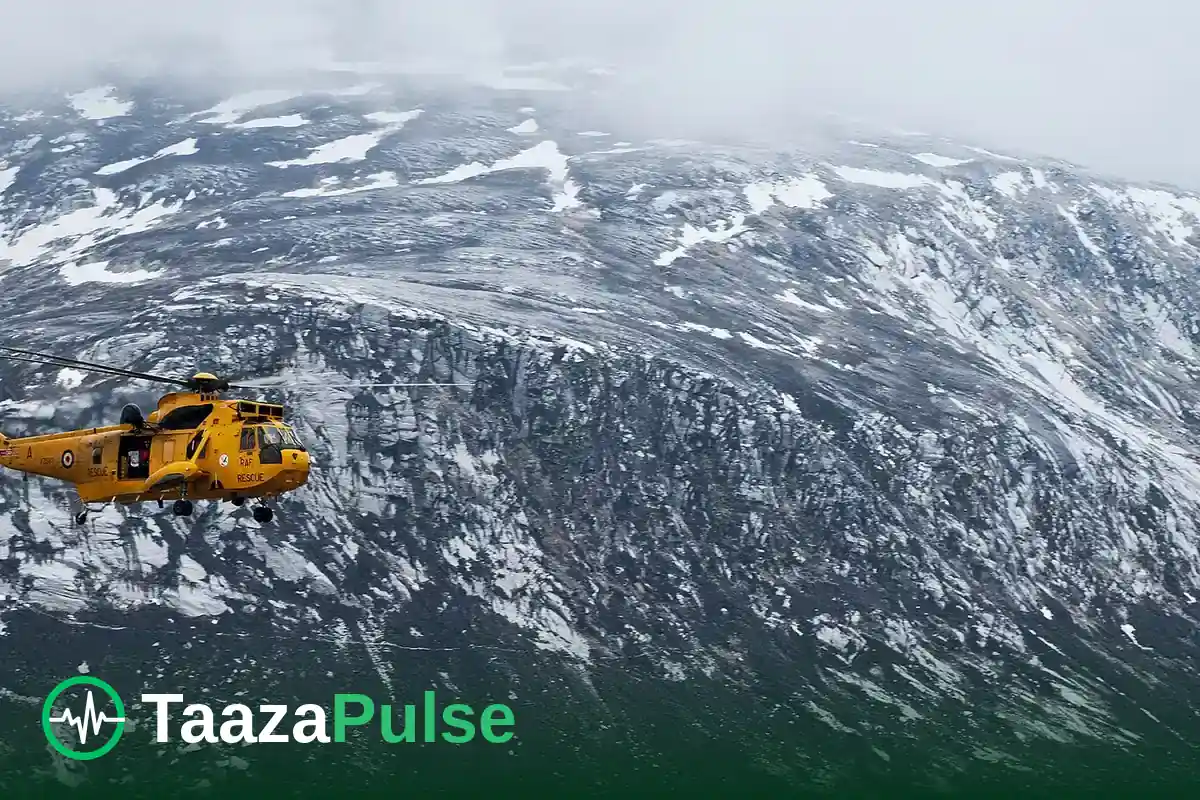
All six people on board a helicopter were killed when it crashed into a hillside near Joshimath in India's Uttarakhand state on Friday, 30 October 2026, police said. The privately operated helicopter, run by Trans Bharat Aviation Pvt Ltd, was flying from the pilgrimage town of Badrinath to Dehradun when it came down near Chai village in Chamoli district, in the Himalayan mountains of northern India. The dead were the pilot and five passengers, all men, who had been travelling from Badrinath after visiting the shrine town. Rescue teams from the police, the State Disaster Response Force (SDRF) and the Indian Army reached the crash site through difficult mountain terrain, and the bodies of all six were located at the site.
The helicopter, bearing the call sign VT-HCX, took off from the Badrinath Civil Helipad at about 1:12 pm, bound for the Sahastradhara Helipad in Dehradun, according to the Uttarakhand Civil Aviation Development Authority (UCADA). Minutes later, at about 1:14 pm, contact with the aircraft was lost as it flew over the Joshimath valley, the authority said. District officials received information about the crash at about 2:21 pm, when the Sub-Divisional Magistrate of Joshimath reported a crash landing above Chai village. The aircraft had come down into a hillside near the JP Power House, close to the Marwari Bridge, according to police accounts carried by the Press Trust of India (PTI). The sequence — a routine departure, a sudden loss of contact within minutes, and a crash site found hours later in steep terrain — is, sadly, a familiar shape for mountain aviation accidents in Uttarakhand, where weather can close in quickly and rescue teams must often reach a site on foot.
The victims: pilot and five pilgrims
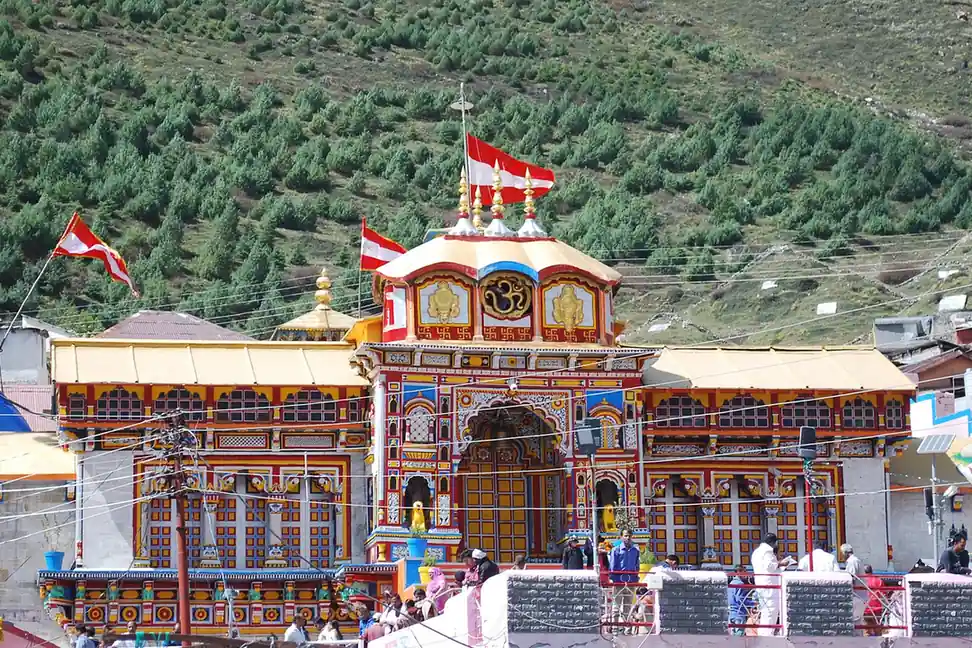
Chamoli Superintendent of Police Surjit Singh Panwar identified the dead as pilot Captain Himanshu Sabharwal, a resident of Delhi, and five passengers — Prathapa, Arun, Shankar Gowda, Sudheer K and H S Natraja — all from Bengaluru in Karnataka. Police said there were no women or children on board. The five passengers were pilgrims who had been in Badrinath, one of Hinduism's most revered shrine towns, high in the Garhwal Himalayas. Badrinath draws hundreds of thousands of pilgrims a year, and helicopter services between the shrine towns and Dehradun are a lifeline for pilgrims who cannot make the long road journey — elderly travellers, families with limited time, and those for whom the mountain roads are too punishing. That is what makes a crash on this route so widely felt: the passengers are not business travellers on a routine shuttle, but pilgrims at the end of a journey of faith, returning home.
Bad weather over the valley
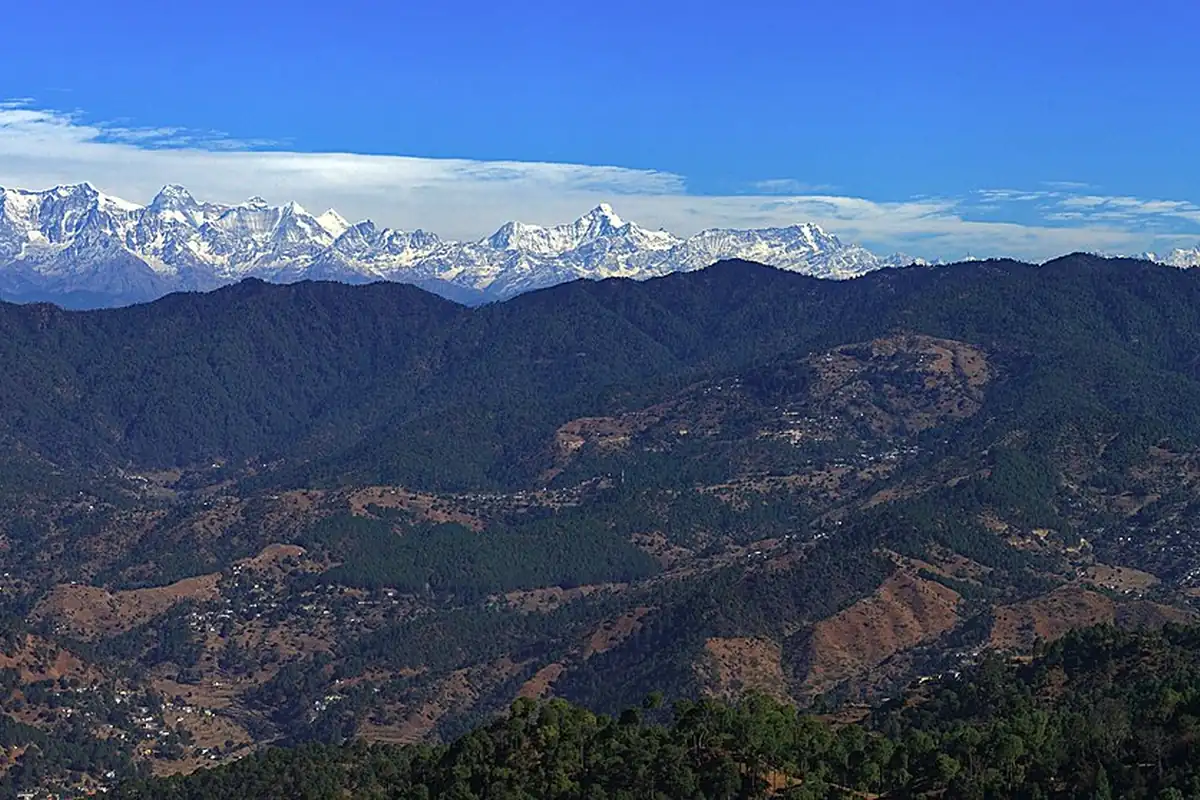
The weather on Friday was poor across the region. Reports from the area described rainfall and snowfall in parts of Uttarakhand, and the India Meteorological Department had issued an orange alert for Chamoli district on 30 October, warning of thunderstorms, lightning, hailstorms and gusty winds of 40 to 50 kilometres per hour in isolated areas. The helicopter had taken off from Badrinath amid snowfall, according to early official accounts, and lost contact near the Hathi Parvat area. It is important to be precise about what this does and does not establish. Bad weather was present, and it is part of the conditions investigators will examine, but no official statement has identified weather — or any other single factor — as the cause of the crash. The exact cause has not yet been established, and readers should treat any claim that pins the crash to one cause, however plausible it sounds, as unconfirmed until the investigation reports.
The response was immediate and multi-agency. Uttarakhand Chief Minister Pushkar Singh Dhami said in a statement that a joint rescue operation was being conducted by the district administration, the disaster management department and the SDRF, and expressed concern over the incident. Teams from the Uttarakhand Police, the SDRF and the Indian Army, along with the Indo-Tibetan Border Police, were dispatched to the site, where the terrain and the weather made the work slow. Early reports differed on the state of the recovery through the afternoon — some said the bodies had been located but not yet recovered, while later police confirmation said all six bodies had been recovered from the crash site. That kind of shifting detail is normal in the first hours of a mountain rescue, when information arrives from the site in fragments and conditions on the ground change by the hour. What is not in doubt, on the police confirmation that closed the day, is the outcome: all six people on board died, and there were no survivors.
Operator grounded as inquiry begins
As a precautionary measure, UCADA grounded the entire fleet of Trans Bharat Aviation Pvt Ltd following the crash. The authority's chief executive, Prateek Jain, confirmed the operator, the call sign and the departure details in the authority's account of the flight. Grounding an operator's fleet after a fatal accident is a standard precaution: it preserves the aircraft for inspection, removes any question about whether a common fault could affect a sister aircraft, and gives investigators an uncontaminated starting point. It is not, by itself, a finding against the operator, and it should not be read as one. The investigation will examine the aircraft's maintenance history, the crew's actions, the weather and visibility on the route, and the terrain — the ordinary factors that aviation investigators work through systematically, rather than settling on the first plausible explanation.
A wider debate on Himalayan helicopter safety
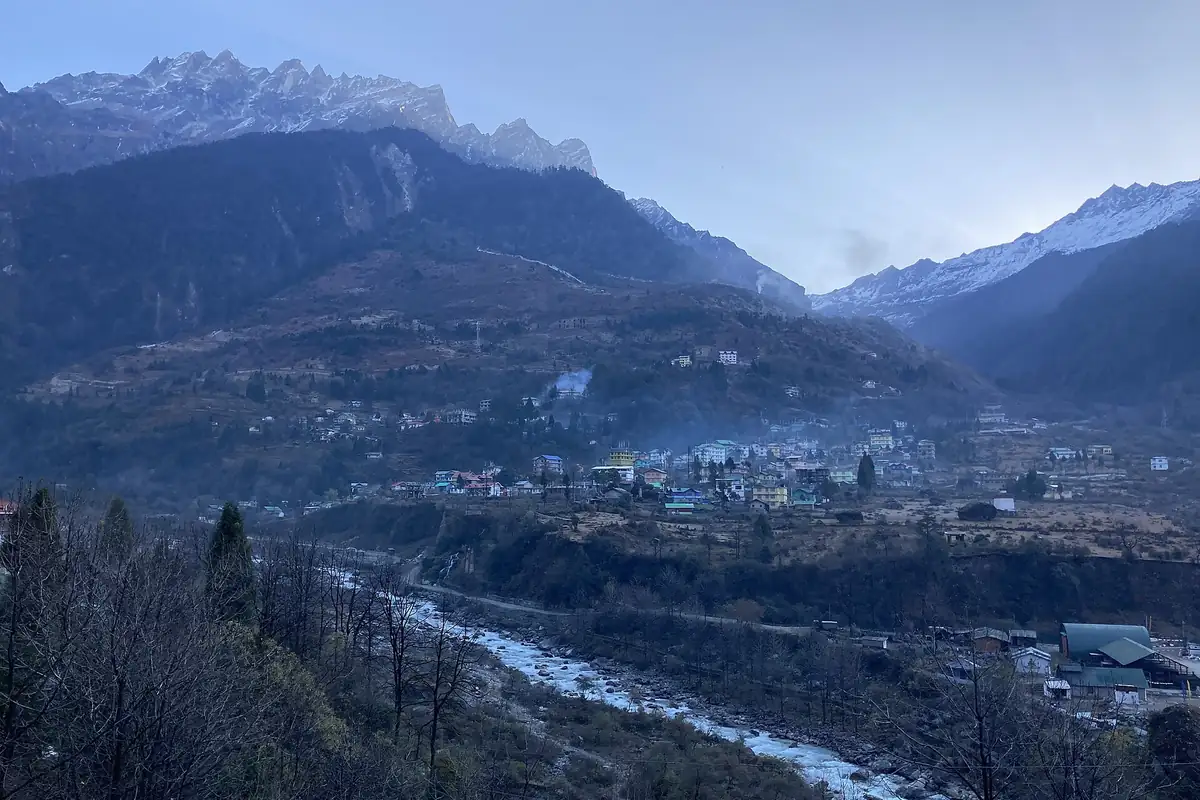
The crash has already reopened a political argument about helicopter safety in Uttarakhand. Senior Congress leader and former Uttarakhand Chief Minister Harish Rawat called for a formal inquiry into the pattern of helicopter accidents in the state over recent years. Uttarakhand's mountain helicopter network — serving Badrinath, Kedarnath and the other Char Dham shrines — has grown rapidly as pilgrimage numbers have risen, and with that growth has come repeated scrutiny of operating standards, weather minima and the pressure of tight schedules in terrain where the margin for error is thin. A single crash does not prove a systemic failure, and the investigation into this flight may find a cause specific to this aircraft or this day. But Rawat's call reflects a public concern that will not be answered by condolences alone: whether the rules that govern mountain flying in the state are adequate, and whether they are enforced when commercial pressure and pilgrimage demand push against them.
For the families in Bengaluru and Delhi, the formal process now begins: identification completed, bodies to be returned, and the long wait for an investigation's findings. Aviation investigations of this kind typically take months, not days, before a formal report is published, and interim statements are usually limited to what can be confirmed without prejudicing the inquiry. The families have not, at publication, made public statements, and this article does not seek to add to their burden by speculating about their circumstances. What can be said now is simpler, and it is enough. On Friday afternoon, a short pilgrimage flight from Badrinath to Dehradun ended with the deaths of a pilot and five pilgrims in the mountains above Joshimath. The dead have been named. The operator's fleet has been grounded as a precaution. And an investigation is under way that will, in time, have to explain how a routine mountain flight ended in a fatal crash. TaazaPulse will update this story when UCADA, the Uttarakhand government or the investigation releases further confirmed information.
Figures, names and the sequence of events in this article are taken from police statements and UCADA accounts as reported by PTI, ANI, The Business Standard (TBS News), Latestly, Nation Press and The Daily Jagran. Where early reports differed — notably on the timing of body recovery through Friday afternoon — this article reports the police confirmation that all six died and their bodies were located at the site, and notes the difference rather than smoothing it over. No cause has been claimed, because none has been officially established.
Sources
This report is based on reporting, official statements and documents from:
- Tribune (Reuters) — Six feared dead in helicopter crash in Indian Himalayan state, media report (30 Oct 2026, queue b4aca5f3e8a0c4e9)
- Latestly (PTI) — Joshimath helicopter crash: all 6 on board dead, bodies recovered, confirms Chamoli SP (30 Oct 2026)
- Nation Press — Uttarakhand helicopter crash kills 6 near Joshimath, all bodies recovered (30 Oct 2026)
- Qazinform (Xinhua) — Helicopter carrying six crashes in India's Uttarakhand (30 Oct 2026)
- Photos: real file photographs (Wikimedia Commons) — rescue helicopter over snowy mountains, Himalayan panorama, Himalayan mountain town, Badrinath temple; file photos, not crash photos
Frequently Asked Questions
What happened in the Uttarakhand helicopter crash on 30 October 2026?
A helicopter operated by Trans Bharat Aviation Pvt Ltd crashed into a hillside near Chai village, close to Joshimath in Chamoli district, Uttarakhand, on Friday, 30 October 2026, killing all six people on board. The aircraft was flying from the pilgrimage town of Badrinath to Dehradun when it came down near the JP Power House, close to the Marwari Bridge. Police confirmed there were no survivors.
Who died in the crash?
Chamoli Superintendent of Police Surjit Singh Panwar identified the dead as pilot Captain Himanshu Sabharwal, a resident of Delhi, and five passengers — Prathapa, Arun, Shankar Gowda, Sudheer K and H S Natraja — all from Bengaluru in Karnataka. Police said there were no women or children on board, and that the five passengers were pilgrims who had been in Badrinath.
What was the flight, and when was contact lost?
The helicopter, bearing the call sign VT-HCX, took off from the Badrinath Civil Helipad at about 1:12 pm, bound for the Sahastradhara Helipad in Dehradun, according to the Uttarakhand Civil Aviation Development Authority (UCADA). Contact was lost at about 1:14 pm as the aircraft flew over the Joshimath valley. District officials received information about a crash landing above Chai village at about 2:21 pm, when the Sub-Divisional Magistrate of Joshimath reported it.
Did the weather play a role?
Rainfall and snowfall were reported in parts of Uttarakhand on Friday, and the India Meteorological Department had issued an orange alert for Chamoli district on 30 October, warning of thunderstorms, lightning, hailstorms and gusty winds of 40 to 50 kilometres per hour in isolated areas. The helicopter had taken off from Badrinath amid snowfall, according to early official accounts. But no official statement has identified weather — or any other single factor — as the cause of the crash, and the exact cause has not yet been established.
What has happened to the operator, and what is the investigation?
As a precautionary measure, UCADA grounded the entire fleet of Trans Bharat Aviation Pvt Ltd following the crash. Grounding is a standard precaution after a fatal accident: it preserves the aircraft for inspection and removes any question about a common fault affecting a sister aircraft. It is not, by itself, a finding against the operator. The investigation will examine the aircraft's maintenance history, the crew's actions, the weather and visibility on the route, and the terrain; aviation investigations of this kind typically take months before a formal report is published.
Why has the crash reopened the debate about helicopter safety in Uttarakhand?
Senior Congress leader and former Uttarakhand Chief Minister Harish Rawat called for a formal inquiry into the pattern of helicopter accidents in the state, saying helicopter services must be made both competitive and safe, and that one incident after another was alarming. Uttarakhand's mountain helicopter network serves Badrinath, Kedarnath and the other Char Dham shrines, and has faced repeated scrutiny over operating standards, weather minima and schedule pressure in terrain with a thin margin for error. A single crash does not prove a systemic failure, and this flight's investigation may find a cause specific to this aircraft or this day — but Rawat's call reflects a public concern that condolences alone will not answer.