Housing First: Governor Sindh Nehal Hashmi's World Cities Day Message
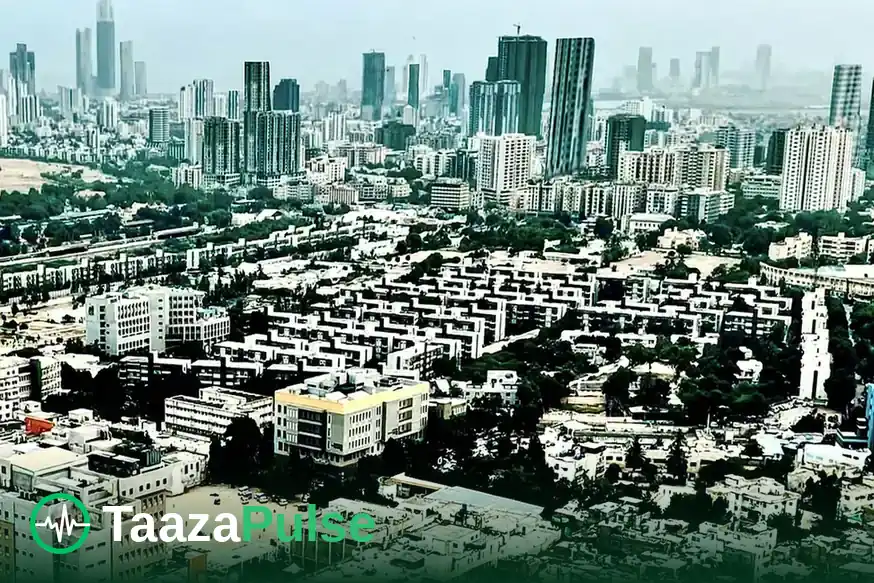
Governor Sindh Syed Muhammad Nehal Hashmi has placed housing at the centre of urban development in his message for World Cities Day 2026, saying that the true purpose of developing a city is to give every citizen a safe, dignified and affordable home along with a decent quality of life. In the message, issued in Karachi on Saturday 31 October, the Governor said this year's theme — the revival of cities and quality housing for all — points directly at the work Pakistan's cities now need: better planning, basic services for the settlements that have waited longest, and an integrated strategy for Sindh's water, drainage, transport and waste problems.
The message is a statement of priorities rather than a list of announcements, and its order matters. Housing comes first, planning second, and services third — with climate resilience, public consultation and economic growth woven through. It also carries a direct endorsement of the federal government's housing finance push: the Governor described the provision of loans of up to one crore rupees on easy terms under the Prime Minister's Apna Ghar programme as a commendable step, the single concrete policy he chose to praise by name in the message.
The theme: revival of cities, quality housing for all
World Cities Day is marked every year on 31 October to focus attention on urbanisation — how cities grow, whom that growth serves, and what it costs when growth is left unplanned. Governor Hashmi said the theme of this year's observance, as he rendered it, is "the revival of cities and quality housing for all". The phrasing does two things at once: it treats the city itself as something to be revived, not merely expanded, and it makes housing — its quality, not just its quantity — the test of whether that revival is real.
That test, in the Governor's framing, is a citizen's everyday life. Urban development, he said, has one real purpose: that every citizen should have a safe, dignified and affordable home and a standard of life to go with it. A city that adds towers while its older settlements lack water and drainage has grown, on this measure, without developing — which is precisely the gap the rest of the message addresses.
Housing first: praise for the Apna Ghar loans
The Governor singled out the Prime Minister's Apna Ghar programme for praise, describing the provision of loans of up to Rs1 crore to citizens on easy terms under the programme as a commendable step. The endorsement is significant because housing finance is where Pakistan's housing shortage usually stops being a slogan and starts being a transaction: families who could service a modest loan have historically been unable to get one for a home, and a state-backed programme offering large-ticket loans on soft terms is the current government's answer to that blockage.
By naming the programme in a World Cities Day message, the Governor tied the federal scheme to the provincial agenda his message sets out. The houses those loans finance still need serviced land, water connections, drainage and roads — the provincial and municipal side of the same problem — and the message's later points read as the Governor's acknowledgement of exactly that: credit can put a roof up, but only planned, serviced neighbourhoods make it a home worth the loan.
Planning for a population that will not stop growing
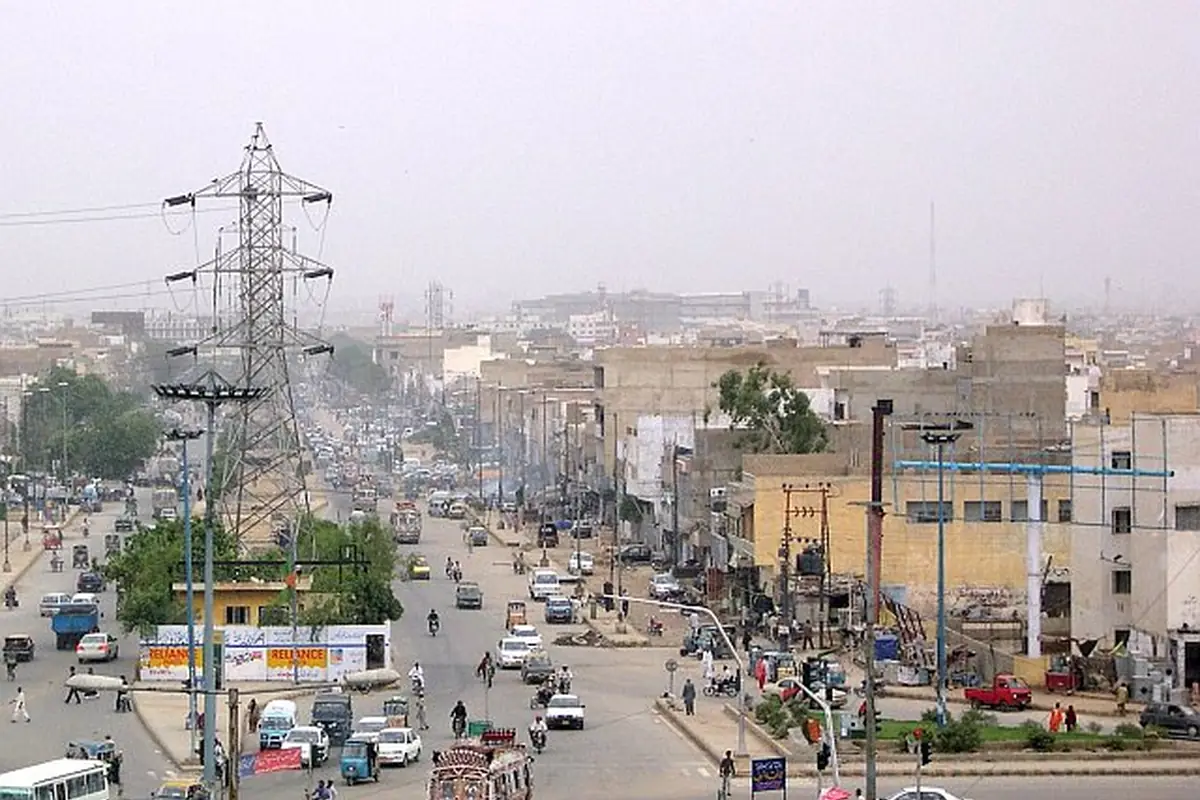
With city populations rising continuously, the Governor said, comprehensive and future-oriented urban planning has become unavoidable. The alternative — letting settlements form first and services chase them for decades afterwards — is the pattern written across Karachi and Sindh's other cities, where whole districts began as informal occupation and are still waiting for the water lines, sewers and roads that planned neighbourhoods take for granted.
He connected that planning point directly to the settlements at the sharp end of it. Improving the katchi abadis, providing basic facilities, and arranging affordable housing for the low-income class, the Governor said, is an urgent need of the hour. Katchi abadis house a large share of Karachi's working population; a World Cities Day message that names their improvement as a first-order need is putting the informal city — not the showcase districts — at the top of the development list.
Sindh's backlog: water, drainage, transport, waste
For Sindh specifically, the Governor said an integrated strategy will have to be adopted to solve the problems of water, drainage, transport and solid waste. The four are listed together for a reason: in Karachi they fail together. A neighbourhood whose drains are blocked floods in the rain; flooded roads stop the transport the same residents depend on; uncollected waste blocks the drains again. Treating each as a separate department's separate problem is, the message implies, how the cycle has survived this long.
The Governor's list is also a map of Karachi's standing complaints. Water supply that arrives by tanker in districts the network does not reach, drainage that turns monsoon rain into street flooding within hours, a public transport system that a city of Karachi's size has outgrown, and waste that is collected unevenly — these are the services on which the message's opening promise, a safe and dignified home, actually depends. A house in a flooded, unserved lane is not the quality housing the theme describes, and the message does not pretend otherwise.
Climate: flooding, heat and the green-city answer
Cities, the Governor said, will have to be made environment-friendly to cope with climate change, urban flooding and extreme heat. All three pressures are live ones for Sindh: Karachi's recent monsoons have repeatedly flooded low-lying districts, and the province's cities sit among the hottest urban environments in the country, where heatwaves are a recurring public-health emergency rather than a freak event. Drainage built for a smaller, cooler city is part of the flooding story; tree cover and green space are part of the heat answer.
As the practical example of the green and environment-friendly city vision, the Governor pointed to the Quaid-e-Azam Urban Forest established at Governor House. An urban forest — a dense planting of trees inside the city — works on both of the message's climate problems at once: it cools its surroundings and absorbs rainwater and carbon. The Governor presented it as a working demonstration of the vision, located at his own official residence, rather than as a plan on paper.
People in the room, and cities as the economy
Two closing points widen the message beyond services. The Governor said the consultation and inclusion of the local population must be ensured in urban development projects — a principle that speaks directly to the katchi abadi question, where improvement schemes have historically been done to settlements as often as with them. And he framed the whole agenda economically: the revival and development of cities, he said, is of great importance for Pakistan's economic progress and prosperity. Cities are where the country's trade, industry and services concentrate; their revival is not a municipal luxury but the national economy's foundation.
Governor Hashmi took office as the 35th Governor of Sindh in March 2026, and the World Cities Day message is among the clearest statements of his office's urban priorities since then: housing quality as the measure of development, planning before expansion, an integrated fix for Sindh's water, drainage, transport and waste, climate-proofing against flood and heat, and residents consulted in the projects that reshape their own neighbourhoods. The message announces no new scheme and attaches no figures to its priorities — its function is to set the standard against which the province's urban work will be judged, on the one day of the year reserved for judging it.
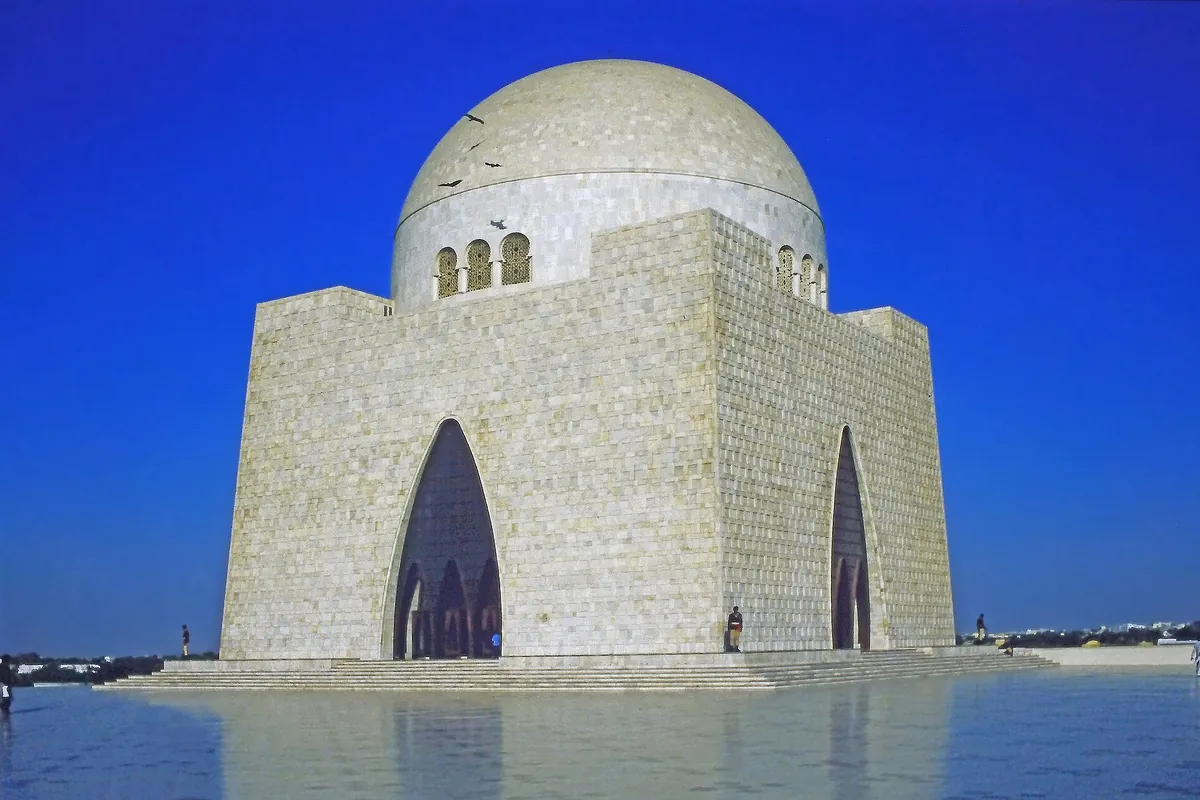
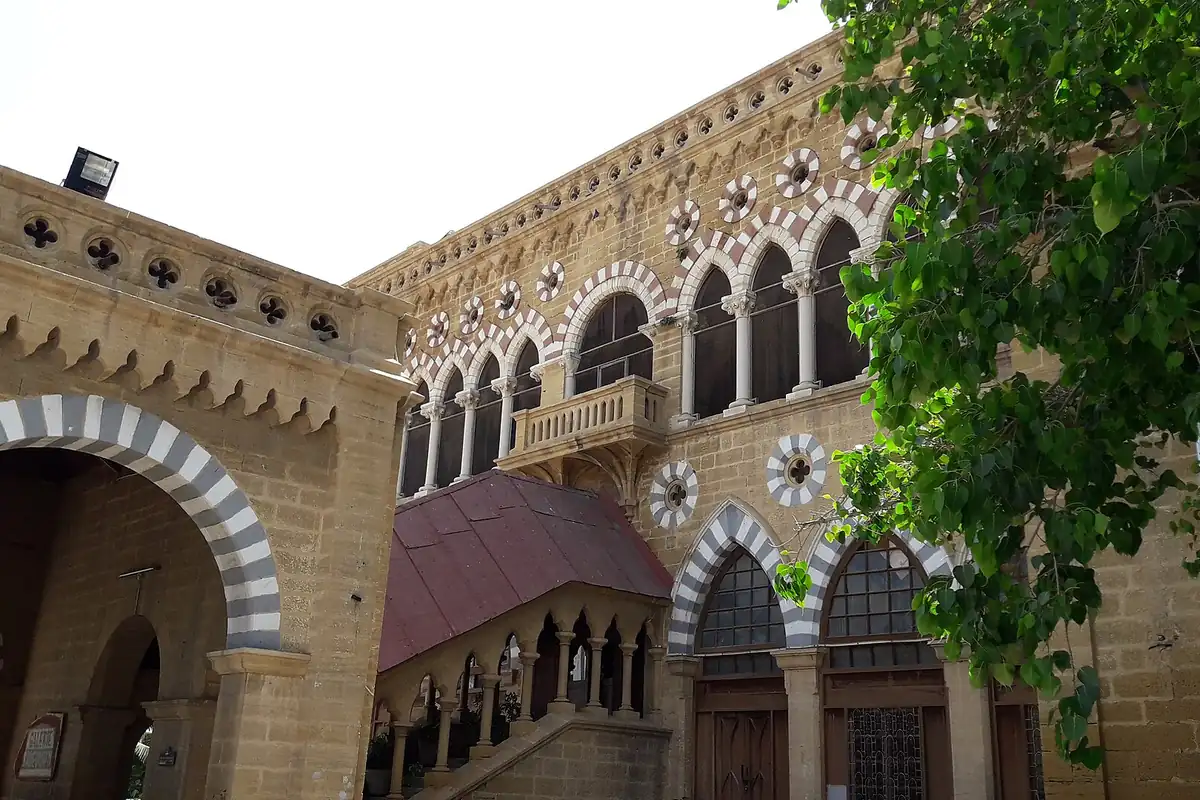
The photographs in this article are file photos from Wikimedia Commons — an aerial view of Karachi (Ktownboy103, CC0), traffic and dense neighbourhoods at Nagan Chowrangi (HovaHe, CC BY-SA 2.0), Frere Hall and its greenery (Ghazala Shah, CC BY-SA 4.0), and Mazar-e-Quaid (Jan Kranendonk, CC BY-SA 4.0) — and are not photographs of the Governor or of Governor House.
Sources: Governor House Sindh — Governor Syed Muhammad Nehal Hashmi's message on World Cities Day 2026, issued as tickers/press release to news channels, Karachi, 31 October 2026. Background: The News — Nehal Hashmi sworn in as 35th governor of Sindh (13 March 2026); Wikipedia — Governor of Sindh.
Frequently Asked Questions
What did Governor Sindh say in his World Cities Day 2026 message?
In his message issued in Karachi on Saturday 31 October 2026, Governor Sindh Syed Muhammad Nehal Hashmi said the true purpose of urban development is to provide every citizen with a safe, dignified and affordable home and a quality life. He called for comprehensive, future-oriented planning as cities grow, an integrated strategy for Sindh's water, drainage, transport and waste problems, environment-friendly cities that can cope with climate change, urban flooding and extreme heat, and the consultation of local populations in development projects.
What theme did Governor Hashmi cite for World Cities Day 2026?
The Governor said the theme of this year's World Cities Day is the revival of cities and quality housing for all. World Cities Day is observed every year on 31 October to focus attention on urbanisation and the challenges and opportunities it creates. In his message, the theme framed housing quality — not just housing quantity — as the measure of whether a city is truly developing.
What did the Governor say about the Prime Minister's Apna Ghar programme?
Governor Hashmi praised the federal government's housing programme, describing the provision of loans of up to Rs1 crore (ten million rupees) to citizens on easy terms under the Prime Minister's Apna Ghar programme as a commendable step. It was the one concrete policy he named in the message, and his endorsement tied the federal housing-finance scheme to the provincial agenda of serviced, planned neighbourhoods.
What did the Governor say about katchi abadis and low-income housing?
He said that improving the katchi abadis (informal settlements), providing basic facilities, and arranging affordable housing for the low-income class is an important and urgent need of the hour. The point sits inside his wider call for comprehensive, future-oriented urban planning as city populations continue to grow, and for local communities to be consulted and included in the projects that affect them.
Which urban problems in Sindh did the Governor name?
The Governor named four connected problems — water, drainage, transport and waste — and said an integrated strategy will have to be adopted to solve them in Sindh. He linked the same agenda to climate resilience: cities must be made environment-friendly to deal with climate change, urban flooding and extreme heat.
What is the Quaid-e-Azam Urban Forest mentioned in the message?
It is an urban forest established at Governor House in Karachi. In his World Cities Day message, Governor Hashmi cited its establishment as a practical example of the environment-friendly, green city vision — dense tree cover inside the city that cools its surroundings and helps absorb rainwater — rather than a plan on paper.