Justice Mohsin Akhtar Kayani Resigns, Citing the 26th and 27th Amendments
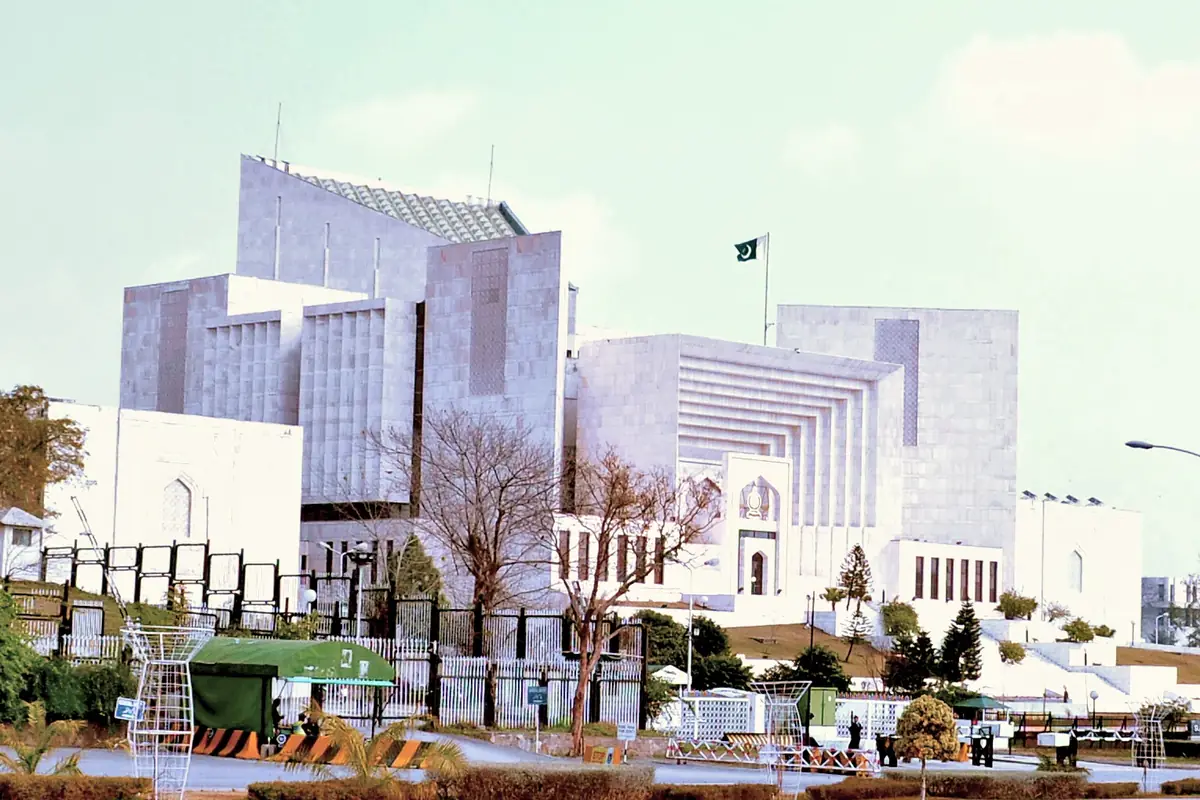
Justice Mohsin Akhtar Kayani, one of Pakistan's most senior high court judges, resigned on Wednesday, 28 October 2026. In his resignation letter, as reported by The News, Dawn and the Express Tribune, Justice Kayani wrote that the 26th and 27th Constitutional Amendments "have compromised the independence and institutional integrity of the High Courts", that the executive's control over judicial appointments and transfers is growing, and that his conscience "does not permit me to continue". He said he would "lay down my robes and return to legal practice", to continue serving the people and protecting their rights. He also cited personal and health reasons, having undergone surgery.
The resignation closes a judicial career that began on the Islamabad High Court bench on 23 December 2015 and was, in its final phase, reshaped by the very transfer powers his letter protests. Justice Kayani had been the senior puisne judge of the Islamabad High Court — the court's second-most senior judge. On 28 April 2026, the Judicial Commission of Pakistan transferred him to the Lahore High Court, where he began sitting in May 2026. At Lahore, accounts of his position in the seniority list differ: Dawn placed him 12th, the Express Tribune 10th. Days before his resignation, the Lahore High Court's roster for November–December moved him to a single bench at the Rawalpindi registry.

The letter, as reported
Resignation letters from senior judges are rare documents, and this one's reasoning, as carried by three national newspapers, is specific. Justice Kayani located his decision in the constitutional changes of the past two years: the 26th and 27th Amendments, he wrote, have compromised the independence and institutional integrity of the High Courts, and the executive's growing control over appointments and transfers has altered the conditions under which judges serve. He wrote of "the plight of the ordinary litigant" — the citizen whose case moves through the system those changes govern. And he closed the professional part of the letter with a sentence of personal resolve: his conscience does not permit him to continue. Alongside the institutional reasons, the letter cited personal and health grounds; the judge had undergone surgery. TaazaPulse reports the letter's contents as the newspapers carried them; the letter speaks for itself, and this report adds no commentary to it.
The career the letter ends had more than five years still to run: Justice Kayani's retirement date would have been 10 February 2032. His stated next step returns him to the side of the courtroom he came from — legal practice, "serving the people, protecting their rights", in the letter's words as reported.
A judge at the centre of the judiciary's hardest years
Justice Kayani's decade on the bench coincided with the most contested period in the Pakistani judiciary's recent history, and he was a participant in its defining episode. On 26 March 2024, he was one of the six Islamabad High Court judges who wrote to the Supreme Judicial Council alleging interference by intelligence agencies in judicial work — a letter that set off a national controversy, a suo motu Supreme Court proceeding, and a debate about the independence of the courts that has not closed since. His subsequent career — senior puisne judge of his court, then a transfer to another high court under the new constitutional arrangements, a fall in seniority, a roster move to a registry bench, and now a resignation citing those same arrangements — traces, in one judge's service record, the arc of the argument his 2024 letter began.

The institutional facts around the resignation are these. The transfer power used in April 2026 flows from the constitutional amendments his letter names. The Judicial Commission that ordered the transfer is the body the amended constitution empowers over appointments and transfers. The seniority consequences followed automatically from the transfer rules. And the resignation itself is tendered into that same constitutional framework: a judge may resign by writing to the President, and the office falls vacant on its acceptance and notification through the official process. Nothing in this report goes beyond those reported facts and the letter's own words — what they mean for the judiciary is a debate the country is having in its editorials and its bar rooms, and it will be reported here as its participants state their positions.
What happens now
Procedurally, the resignation moves through notification, and the Lahore High Court's bench and roster adjust to a vacancy where a transferred senior judge sat. In the Islamabad High Court, where Justice Kayani spent a decade and rose to senior puisne judge, the resignation closes the service of one of the six signatories of the March 2024 letter — a biographical fact that ensures this resignation will be read, fairly or not, as a chapter of that longer story. His announced return to practice will place him before the courts he served, in the advocate's role his letter describes.
TaazaPulse's politics desk covers the courts as institutions — their orders, verdicts and proceedings — in the same register as this report: attributed, factual, and without commentary on the persons. Recent court coverage includes the Mazari and Chattha verdict and the rejection of Iqrar-ul-Hassan's bail plea, and the constitutional fight in Khyber Pakhtunkhwa is followed in our governor's rule report. Any response to the resignation from the judiciary, the government or the bar will be added to this story as it is officially stated.
The mechanics behind the letter's argument
To follow the letter, a reader needs the machinery it describes. Seniority in a high court is not a courtesy ranking: it governs who sits on which benches, who acts as chief justice in a vacancy, and whose voice carries in the administrative decisions of the court. A judge transferred between high courts under the amended constitutional arrangements takes a new place in the receiving court's order — which is how the senior puisne judge of one high court becomes, on arrival at another, a name far down the list, placed 12th in Dawn's account of Justice Kayani's position at Lahore and 10th in the Express Tribune's. The roster — the chief justice's assignment of judges to benches and registries — then decides where and on what a judge sits. The November–December roster's move of a transferred senior judge to a single bench at the Rawalpindi registry was an exercise of that ordinary administrative power; the letter's argument is that the accumulation of such powers — appointment, transfer, seniority, roster — has shifted the balance between the executive, the commission and the bench itself. Those are the letter's claims, reported here as claims; the institutions concerned had issued no response at the time of this report's publication.
One of six
The March 2024 letter remains the unavoidable context. When six serving judges of a high court write jointly to the Supreme Judicial Council alleging that intelligence agencies interfere in judicial work — in the hearing of cases, in the lives of judges — the document stops being correspondence and becomes a constitutional event. The Supreme Court took the matter up; commissions and inquiries were proposed and contested; the constitutional amendments that followed reorganised the appointment and transfer of judges in ways the letter's signatories publicly questioned. Justice Kayani's resignation does not arrive with a programme or a press conference: it arrives as a single page of stated reasons, from a judge whose name has been attached to the independence argument since the day it was first made in writing. Readers will draw their own conclusions from the sequence of dated facts — December 2015, March 2024, April 2026, October 2026. This desk's duty is to keep the sequence accurate, attributed and complete, and to add the responses of the judiciary, the government and the bar associations to this report as and when they are officially made.
Sources
This report is based on reporting, official statements and documents from:
Frequently Asked Questions
Why did Justice Mohsin Akhtar Kayani resign?
His resignation letter, as reported by The News, Dawn and the Express Tribune on 28 October 2026, stated that the 26th and 27th Constitutional Amendments 'have compromised the independence and institutional integrity of the High Courts', referred to the executive's growing control over judicial appointments and transfers and to 'the plight of the ordinary litigant', and said his conscience 'does not permit me to continue'. The letter also cited personal and health reasons; he had undergone surgery.
Who is Justice Mohsin Akhtar Kayani?
He was appointed a judge of the Islamabad High Court on 23 December 2015 and rose to become its senior puisne judge. On 28 April 2026 the Judicial Commission of Pakistan transferred him to the Lahore High Court, where he began sitting in May 2026 and where his seniority position dropped. His retirement would have fallen on 10 February 2032.
What did Justice Kayani say he will do after resigning?
According to the reported letter, he will 'lay down my robes and return to legal practice', continuing — in his words as reported — to serve the people and protect their rights as an advocate.
What was the March 2024 judges' letter?
On 26 March 2024, six judges of the Islamabad High Court, including Justice Kayani, wrote to the Supreme Judicial Council alleging interference by intelligence agencies in judicial work. The letter prompted a suo motu Supreme Court proceeding and a continuing national debate about judicial independence.
What happened in Justice Kayani's final weeks on the bench?
After his April 2026 transfer to the Lahore High Court and the resulting change in his seniority position (placed 12th in Dawn's account and 10th in the Express Tribune's), the Lahore High Court's November–December roster moved him to a single bench at the Rawalpindi registry days before his resignation on 28 October 2026.
What happens after a high court judge resigns?
The resignation is tendered to the President and takes effect through the official notification process; the court concerned adjusts its bench and roster for the vacancy. This report records the reported facts of the resignation and the letter; no official response from the judiciary or the government had been reported at the time of publication.