KP Police Plug Drones and Anti-Drone Systems Into Peshawar's Safe City Command Centre
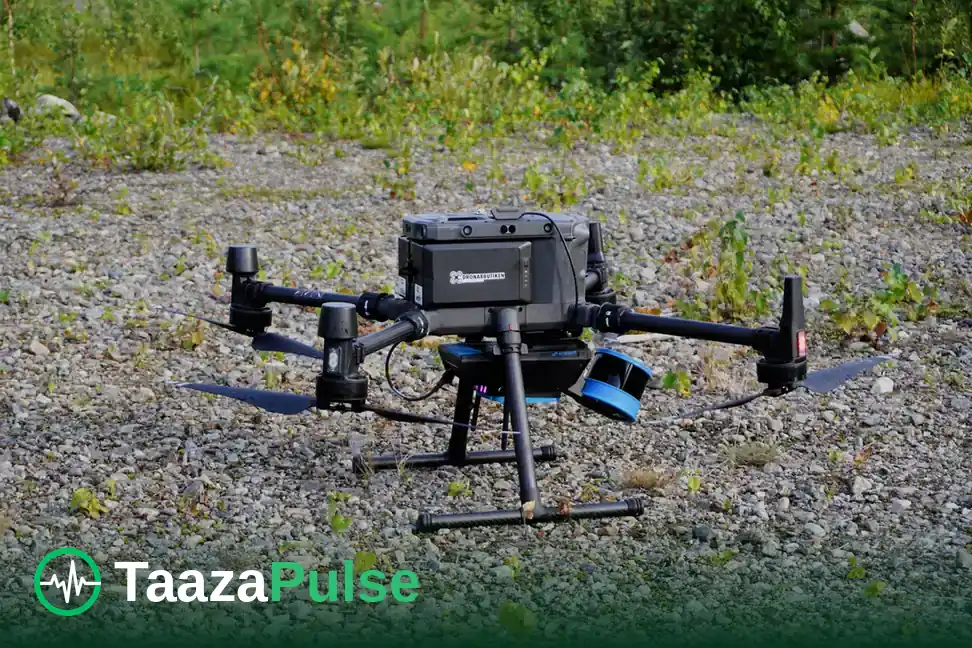
The Khyber Pakhtunkhwa Police have linked surveillance drones and anti-drone systems across the province to the Safe City Peshawar Command and Control Centre, putting live aerial surveillance and hostile-drone detection onto one central screen for the first time. Project Director Safe Cities KP, Deputy Inspector General Ijaz Ahmad, announced the integration while briefing the media at the facility on Friday 30 October 2026, describing it as one of the leading initiatives of its kind in the country. From now on, he said, live video from police drones operating anywhere in the province can be watched — and the connected drones remotely controlled — from the Peshawar command centre, while the anti-drone systems feeding into the same centre improve the force's ability to detect and neutralise hostile quadcopters.
The announcement matters because it joins three things the police previously ran separately: the eyes (surveillance drones), the shield (anti-drone detection and jamming), and the brain (the Safe City control room). Until this integration, a drone flying over an operation in Bannu or Tank produced pictures for the officers on the ground; now those pictures travel live to Peshawar, where senior officers can watch a Counter Terrorism Department operation unfold in real time, coordinate between units, and order a response while the operation is still happening rather than after it. The anti-drone side works the other way round: when the radar picks up an unauthorised drone, the alert lands automatically in the same control room, instead of staying with a single district's operators.
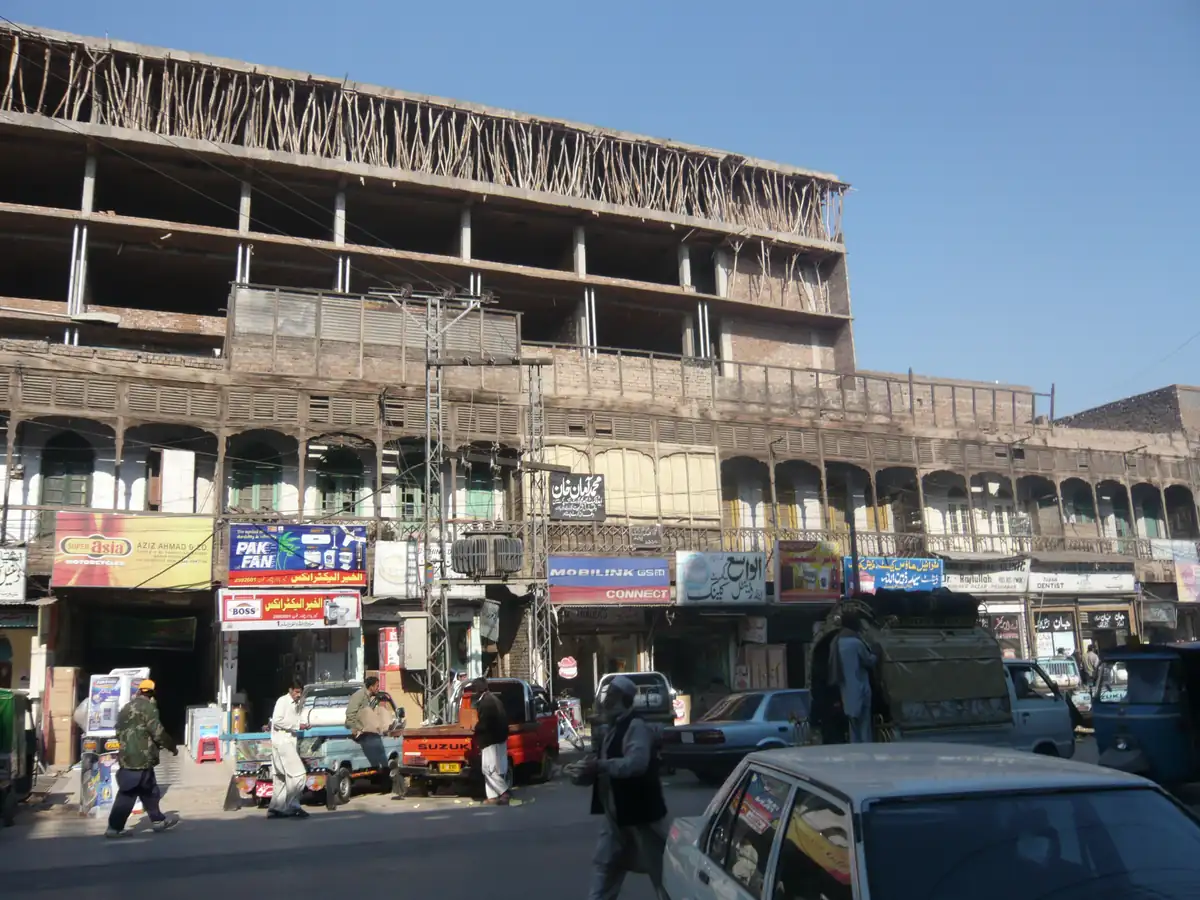
Five districts are named in the briefing as already covered by the new anti-drone layer: Peshawar, Dera Ismail Khan, Lakki Marwat, Tank and Bannu. In addition, special anti-drone guns have been issued to police personnel posted in remote and sensitive areas, where a fixed system cannot reach. The surveillance-drone side is province-wide in ambition — the centre can now receive live feeds from police drones deployed in any part of the province — though the reporting is careful to say the network is being extended rather than finished: the drone surveillance system will also operate in Dera Ismail Khan, Bannu and Lakki Marwat under the Safe City initiative, and officials named internet connectivity in remote areas as the main obstacle to taking it further.
How the system is supposed to work
According to the police account, the anti-drone system detects and monitors drones within a radar range of about five kilometres around each unit, and any suspicious drone activity generates an automatic alert at the Safe City control room. That alert, rather than a phone call up a chain of command, is the operational change: the control room sees the intrusion at the same time as the district system does, and can task the nearest response. On the surveillance side, the centre does more than watch. It can remotely control the connected drones, so an operator in Peshawar can re-task a drone over a distant operation — holding it over a site, moving it to a new angle — while the field team concentrates on the ground.
The integration is also explicitly tied to counter-terrorism work. Live monitoring of police operations, including those conducted by the Counter Terrorism Department, has been folded into the central command system, and officials said the aerial network will provide operational support to the CTD by giving it a real-time view of operational areas. The police have additionally formed a specialised human resource division focused on unmanned aerial vehicle combat — described in Dawn's reporting of the briefing as the first unit of its kind established by a police department in the country — whose officers are trained in drone operations, aerial reconnaissance, intelligence gathering, protecting vital installations and electronic warfare against hostile aircraft.
Why Khyber Pakhtunkhwa needs it
The driver is not abstract. Militants in the province's southern districts have increasingly used quadcopters against police and security installations, and the police response has escalated in stages: handheld anti-drone jammers deployed in several districts during 2025, anti-drone guns for remote postings, and now fixed systems tied to a central command. Earlier Dawn reporting on the threat described police using anti-drone jamming technology during the Ashura procession in Peshawar, and quoted the provincial police chief as saying dozens of quadcopter attacks had been foiled with anti-drone guns — while warning that militants had shifted towards drone swarms, which single jamming guns struggle to counter because they can only engage one or two drones at a time. The fixed systems now being linked to Safe City are the answer to that specific problem: radar detection plus a central picture, rather than one gunner against many drones.
That context also explains the geography. The five districts named — Peshawar, Dera Ismail Khan, Lakki Marwat, Tank and Bannu — trace the arc where the drone threat has been most acute, from the provincial capital down through the southern belt. The Safe City project itself was conceived as far back as 2008, repeatedly delayed, and formally launched in May 2025; its wider system already includes advanced cameras, facial-recognition technology and links to camera networks at sensitive locations and along the Bus Rapid Transit corridor. One report on the project puts its inauguration in March 2026 at a cost of Rs2.23 billion, with 711 surveillance cameras installed at 133 key and sensitive locations in the capital. The drone integration is the aerial layer on top of that street-level network, and officials said it will also support round-the-clock aerial surveillance of sensitive installations, traffic and suspected criminal activity — not only counter-terrorism operations.
The honest limits: connectivity, cost and what is not yet said
DIG Ijaz Ahmad was unusually candid about the weakest link. The lack of internet connectivity in some remote areas is, in his words, a major challenge in extending the system across the province, and the police are working with the Space and Upper Atmosphere Research Commission (SUPARCO) to improve internet and communication facilities in those areas. That matters because a system whose value is live video is only as good as the link carrying the video: a drone over a remote operation with no bandwidth is a camera with no audience. No timeline for the SUPARCO fix was given in the reporting, and no district-by-district rollout schedule beyond the five named districts.
Several other basic facts were also not specified, and this article does not fill them in. No funding figure for the drone and anti-drone integration itself was stated in the reporting — the Rs2.23 billion figure belongs to the wider Safe City project, not to this integration. The makes and models of the anti-drone systems, the number of surveillance drones now linked to the centre, and whether any hostile drone has yet been intercepted through the integrated system (as opposed to the earlier standalone guns) were not disclosed. The police also did not announce any new public-facing service: citizens will not see a new helpline, app or reporting channel from this integration. What changes is on the police side of the screen — faster detection, a shared picture, and a single room from which an operation can be watched and directed.
What to watch next
Three things will show whether this integration is a press-conference system or a working one. First, whether the network genuinely extends beyond the five named districts, and whether the SUPARCO connectivity work closes the remote-area gap that the police themselves flagged. Second, whether the CTD's live-feed capability produces visibly faster coordination in the next major operation in the southern districts — the test the police have set for themselves by tying the system to counter-terrorism work. Third, whether the force publishes any account of interceptions made through the integrated system, which would separate the new central capability from the older, district-level jamming that preceded it. The project director said the initiatives are being undertaken on the special instructions and with the personal interest of Inspector General of Police Zulfiqar Hameed, who wants policing modernised through the effective use of technology. The technology is now linked; the results, as with every Safe City promise since 2008, will be measured in the next incident, not in the briefing.
For residents of Peshawar and the southern districts, the practical meaning is narrower than the headlines suggest and more real than a slogan. More of the sky above sensitive sites, busy bazaars and police operations is now watched, and a suspicious drone is now supposed to trigger an alert in a staffed control room within minutes rather than being noticed by chance. Nothing in the announcement changes what a citizen should do on seeing a drone — that guidance was not part of the briefing — and nothing in it claims the threat is over. It claims, more modestly, that the police can now see the threat sooner and answer it from one room. That claim is now on the record, attributed to the officer who runs the project, and it can be tested against the next incident in a way that a vague promise could not.
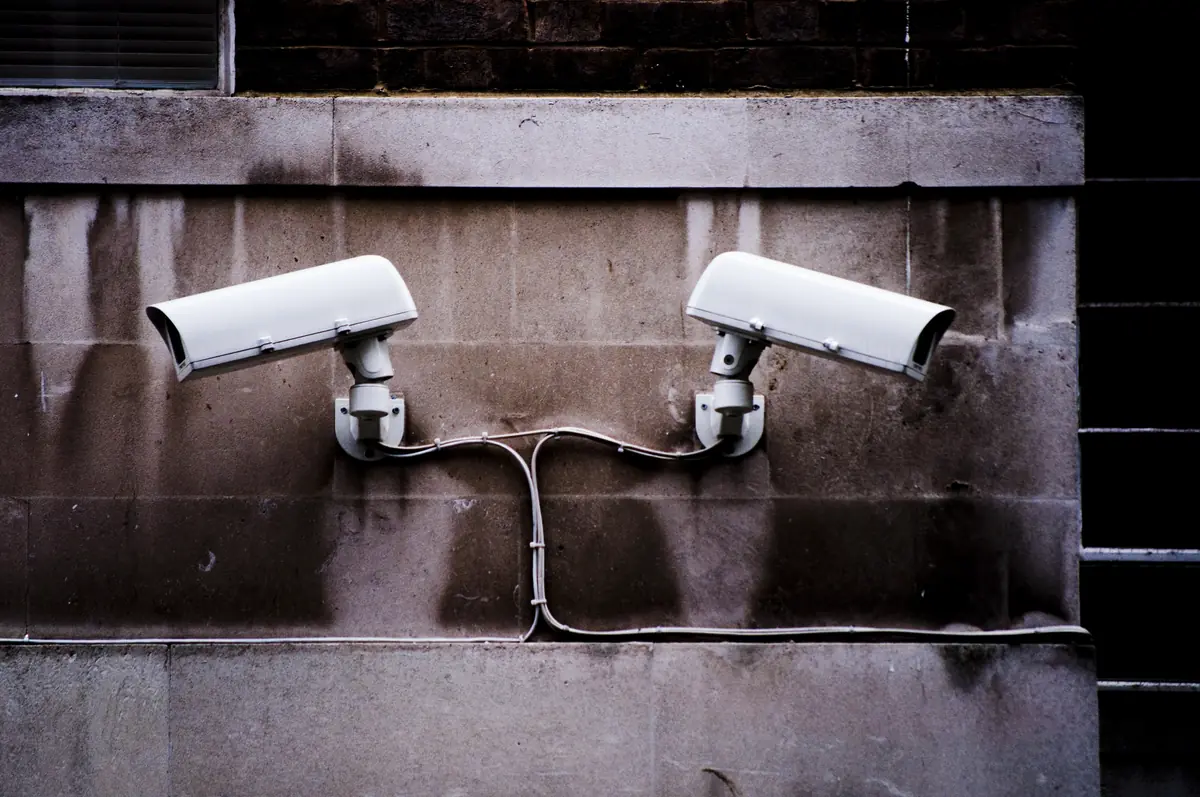
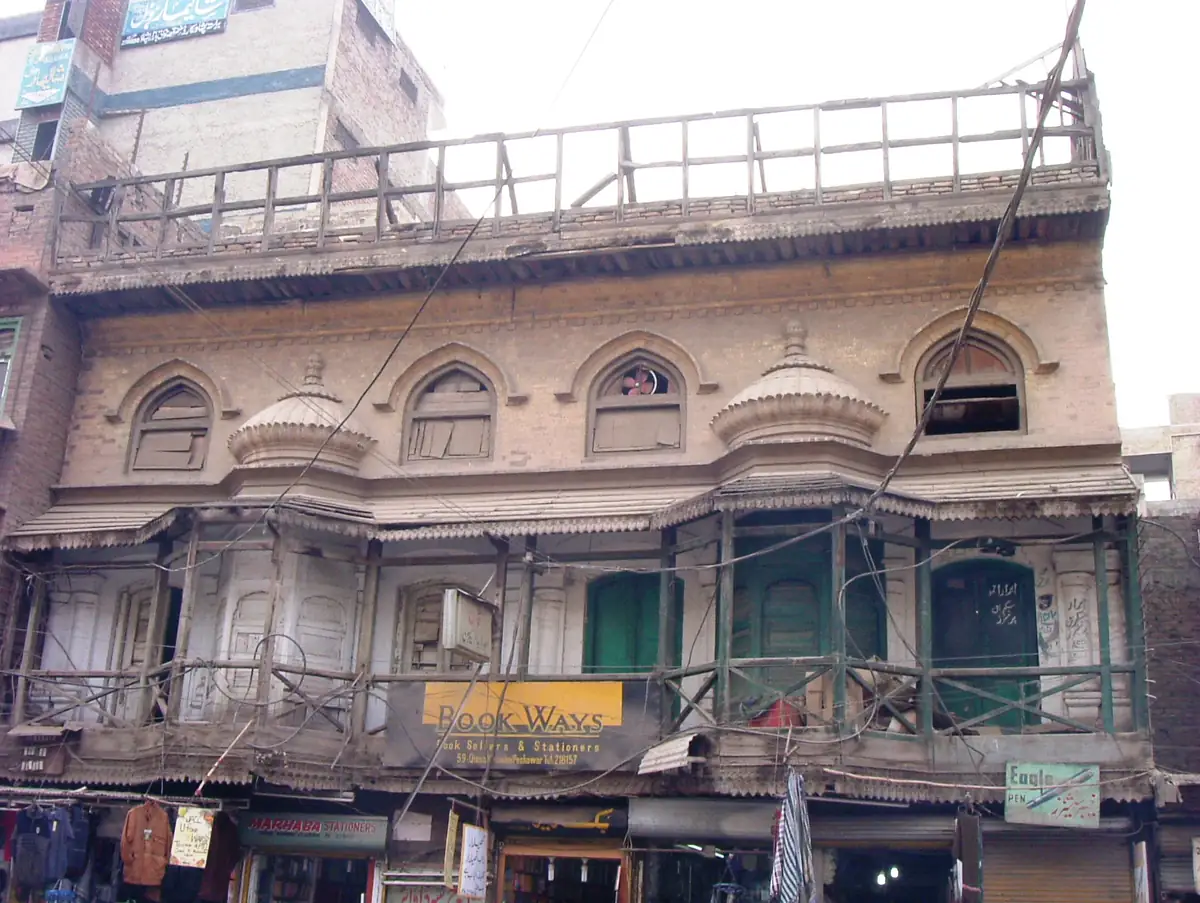
Image note: the photographs in this article are Wikimedia Commons file photos — a quadcopter drone fitted with Lidar equipment (Jonte, CC BY-SA), a street scene in old Peshawar city (Omer Wazir, CC BY-SA), street CCTV cameras in London (CGP Grey, CC BY-SA), and Qissa Khwani Bazaar in Peshawar (franek2, CC BY-SA). They are not photographs of the KP Police Safe City centre, its drones, or its anti-drone systems.
Sources
This report is based on reporting, official statements and documents from:
- The News — Security, improved coordination: Safe City Peshawar to monitor police drones across KP (31 Oct 2026; DIG Ijaz Ahmad briefing Fri 30 Oct; systems in Peshawar, DI Khan, Lakki Marwat, Tank, Bannu; CTD live monitoring; SUPARCO connectivity work; IGP Zulfiqar Hameed)
- Dawn via beflaz — KP police get tech to monitor counterterrorism operations (31 Oct 2026; live provincial feeds to central hub; UAV-combat HR division, first of its kind by a police department)
- Computerworld Pakistan — Peshawar Safe City links drone and anti-drone technology to central command with five-kilometre range (29 Oct 2026; automatic alerts; first-of-its-kind integration claim; Safe City launched May 2025)
- Daily Great Balochistan — KP police integrate drones into Peshawar Safe City network (28 Oct 2026; 5km unit coverage; Safe City background: conceived 2008, March 2026 inauguration reported at Rs2.23bn, 711 cameras at 133 locations)
- Wikimedia Commons — quadcopter drone with Lidar; old Peshawar city street; street CCTV cameras, London; Qissa Khwani Bazaar, Peshawar (image credits)
Frequently Asked Questions
What exactly did KP Police announce?
That surveillance drones and anti-drone systems across Khyber Pakhtunkhwa have been linked to the Safe City Peshawar Command and Control Centre. Project Director Safe Cities KP DIG Ijaz Ahmad announced the integration at a media briefing on Friday 30 October 2026, saying live video from police drones anywhere in the province can now be watched — and the connected drones remotely controlled — from the Peshawar centre, while anti-drone detections feed alerts into the same room.
Which districts already have the anti-drone systems?
Five districts were named in the briefing: Peshawar, Dera Ismail Khan, Lakki Marwat, Tank and Bannu. In addition, special anti-drone guns have been issued to police personnel posted in remote and sensitive areas that fixed systems cannot reach. The surveillance-drone feed is province-wide in design, but officials described the network as still being extended, not finished.
How does the anti-drone detection work?
According to the police account reported by Computerworld Pakistan, each anti-drone unit monitors drones within a radar range of about five kilometres, and any suspicious drone activity generates an automatic alert at the Safe City control room. The control room then sees the intrusion at the same time as the district system and can task the nearest response, rather than waiting for a report up a chain of command.
What is the Safe City Peshawar project?
A city surveillance and command project conceived in 2008, repeatedly delayed, and formally launched in May 2025. Its wider system includes advanced cameras, facial-recognition technology and links to camera networks at sensitive locations and along the Bus Rapid Transit corridor. One report puts its inauguration in March 2026 at Rs2.23 billion with 711 cameras at 133 locations in the capital. The drone integration is the aerial layer added on top of that street-level network.
Why does KP Police need anti-drone systems?
Because militants in the province's southern districts have increasingly used quadcopters against police and security installations. The police response escalated in stages: handheld jammers in several districts during 2025, anti-drone guns for remote postings, and now fixed systems tied to a central command. Earlier Dawn reporting described jamming used during the Ashura procession in Peshawar and quoted the police chief on dozens of foiled quadcopter attacks — while warning that militants had shifted to drone swarms, which single guns struggle to counter.
What is still not known about the integration?
The funding figure for the drone and anti-drone integration itself was not stated — the Rs2.23 billion figure belongs to the wider Safe City project. The makes and models of the systems, the number of surveillance drones linked to the centre, any interception made through the integrated system, and a timeline for the SUPARCO connectivity fix for remote areas were also not disclosed. No new public-facing service, helpline or app was announced.