Maryam Nawaz Launches Punjab's Stroke Card at Lahore General Hospital
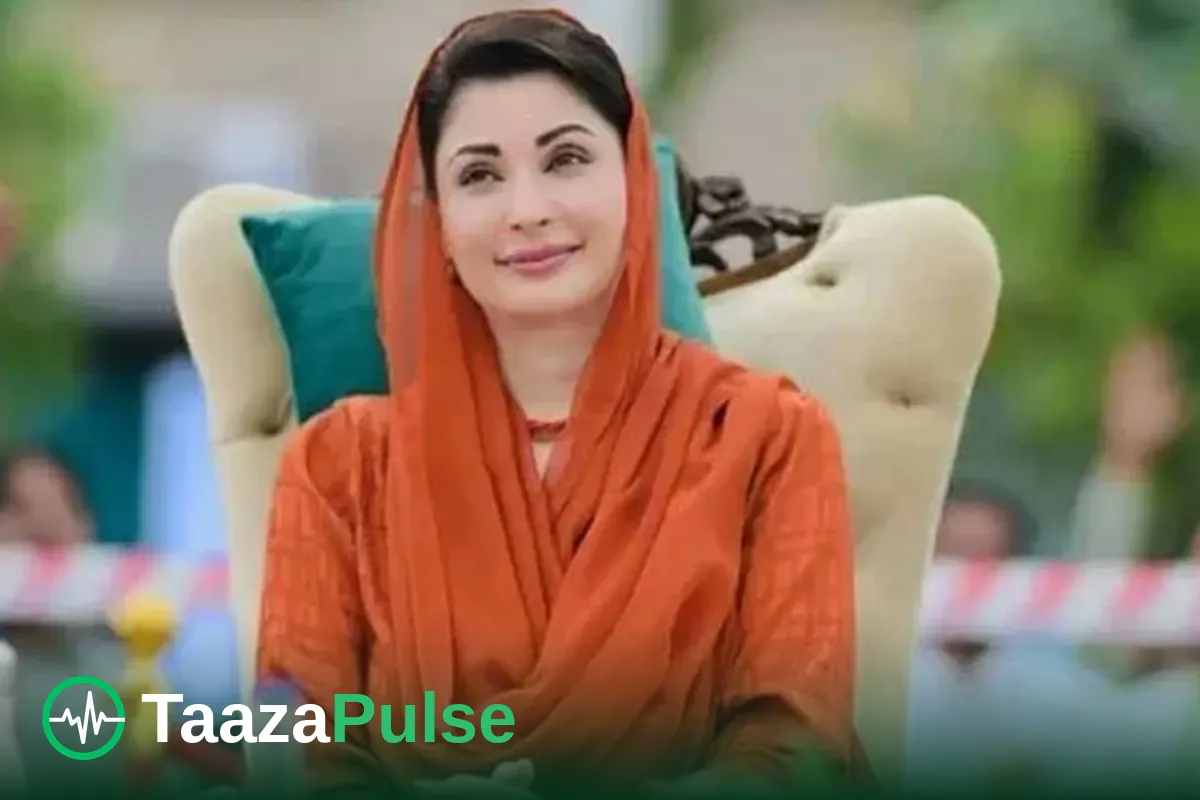
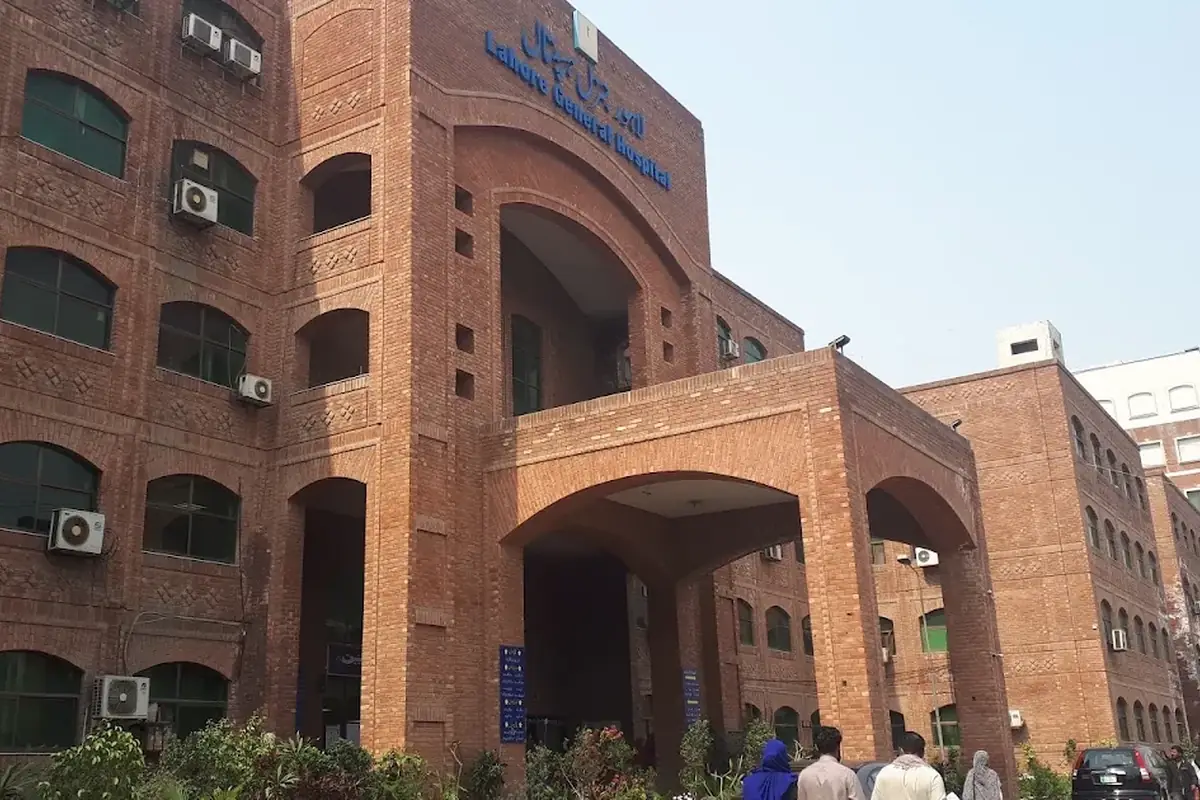
Punjab Chief Minister Maryam Nawaz Sharif launched the province's Stroke Card programme at Lahore General Hospital on Thursday, 29 October 2026, distributing the first cards at a ceremony in Lahore and telling the audience that no stroke patient's treatment should ever stop because a family cannot pay for it. The programme, launched for the general public, is built around a simple and brutal fact of stroke medicine: treatment only works if it arrives in time, and in Punjab the cost of arriving in time has until now been out of reach for many of the families who need it most.
Maryam Nawaz, who was addressing the distribution ceremony at Lahore General Hospital, described serving Punjab — Pakistan's largest province by population — as a major responsibility, and as a blessing and a privilege. She said public awareness of strokes and their warning signs remains limited, and that the government had taken steps to support patients during recovery as well as during the emergency itself. The message she returned to, in different forms through the speech, was that a stroke can strike without warning, that timely medical intervention can save a life, and that a hospital must not become a place where treatment stops for want of funds.
That last point was not an aside. According to the reports of the ceremony, the chief minister directed the authorities to ensure that no patient's treatment is interrupted because of a shortage of funds. For families who have watched a relative wait for a drug, a scan or a bed while relatives debated a bill, the instruction is the most concrete promise in the launch — even though the reporting so far does not spell out, in detail, exactly how a Stroke Card is obtained, which hospitals must honour it, or precisely which costs it covers. Those mechanics matter, and TaazaPulse will report them as soon as the provincial government publishes them. What the launch does establish, on the record, is the programme's existence, its first distribution point, and the chief minister's own framing of it: a public programme, launched in a public hospital, aimed at the gap between a stroke happening and a stroke being treated.
What was announced: 40 centres, 15 more coming
The hard numbers in the chief minister's speech concern the network that the card is meant to plug patients into. Punjab now has 40 primary stroke centres operating across 23 districts, Maryam Nawaz said, with 15 additional centres under development. That is the infrastructure behind the card: a patient who recognises a stroke and reaches a centre quickly is a patient who can still be treated; a patient who must travel across districts to find one may arrive too late for the treatment to work at all.
The cost figure she cited explains why a card, rather than advice alone, was thought necessary. A stroke injection, she said, costs around Rs300,000 — a sum that puts timely treatment out of reach for a low-income family without public support. The figure will be familiar to anyone who has dealt with emergency neurology: the clot-busting drugs used in the first hours after an ischaemic stroke are expensive, they must be given quickly, and they cannot wait for a family to raise money. A programme that removes that delay at the point of treatment is, in clinical terms, the whole point — the difference between a patient who walks out of hospital and a patient who does not.
Maryam Nawaz also recalled the case of a young patient who survived after receiving an injection in time — the kind of story that, told at a launch ceremony, is meant to make an abstract policy concrete. The reporting does not name the patient or give further clinical detail, and this report does not add any. But the shape of the story is the shape of stroke medicine itself: a young person, a sudden event, an injection given in time, a life that continued. The card programme is, in effect, an attempt to make that outcome routine rather than fortunate.
Why minutes matter: the stroke itself
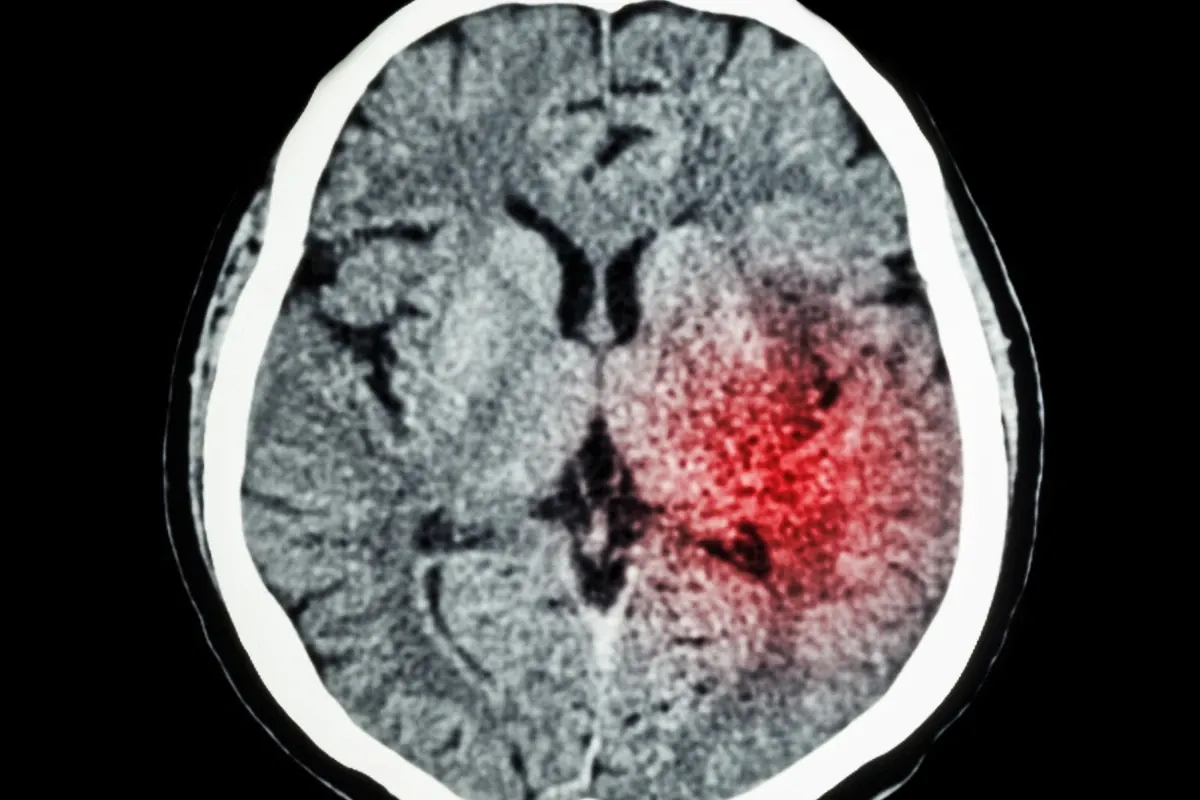
A stroke is a sudden interruption of blood supply to the brain. In an ischaemic stroke, a clot blocks an artery; in a haemorrhagic stroke, a vessel bursts and bleeds into the brain. Either way, brain cells begin to die within minutes, and the damage spreads with every hour that passes without treatment. That is why stroke physicians talk about a "golden window": for the clot-busting treatment, the window is measured in hours — commonly up to four and a half hours from the onset of symptoms — and every minute saved inside it preserves brain that cannot be recovered later.
The warning signs are worth knowing because the first person to recognise a stroke is rarely a doctor. They are usually a family member, a colleague, or the patient themselves. The widely taught FAST test covers the most recognisable signs: Face drooping on one side, Arm weakness or numbness on one side, Speech difficulty or slurring, and Time — call emergency services immediately if any of these appear, and note the time the symptoms began, because that time decides which treatments are still possible. Sudden severe headache, sudden trouble seeing in one or both eyes, sudden dizziness or loss of balance, and sudden confusion are also warning signs that need emergency attention. None of this replaces a doctor's diagnosis, and a Stroke Card does not replace an ambulance — but a public that recognises the signs, and a hospital network that is ready when the patient arrives, are the two halves of the same system.
That system is what the 40 centres are supposed to provide. A primary stroke centre is, in practice, a hospital unit equipped and staffed to assess a suspected stroke immediately, scan the brain, give time-critical treatment where appropriate, and admit the patient for monitoring and rehabilitation. Forty centres across 23 districts does not mean every district is covered — Punjab has 41 districts — and the 15 additional centres under development are therefore part of the story, not a footnote to it. The question for the coming months is which districts those new centres land in, and whether the districts without a centre today get one first.
The wider health pitch: cancer, cardiac care, and the numbers
As is customary at a chief ministerial launch, the stroke programme was presented inside a wider account of Punjab's health sector. Maryam Nawaz said the world's largest cancer hospital is under construction in Lahore and will become operational soon, that cancer centres are being established in every division, and that cardiac catheterisation laboratories — cath labs, the units where blocked heart arteries are opened — are being developed in 20 districts. She also referred to the newly built Nawaz Sharif Hospital in Sargodha. The stroke announcement, in other words, was framed as one element of a larger hospital-building programme rather than as a standalone gesture.
She also made three striking claims about the province's public hospitals over the past year: that 100 million people received treatment at government hospitals, that free medicines were provided to 100 million people, and that doctors performed heart surgeries on 16,000 children. These are the chief minister's claims, reported as such; they are not figures TaazaPulse has independently verified, and they should be read in that light. A province of Punjab's size — more than 120 million people — does generate enormous public-hospital footfall, including repeat visits, and the claims will inevitably be tested against the province's own health data as the programme rolls out. For now, they form part of the political record of the launch, not of its clinical record.
The same caution applies to the broader health narrative. Hospital construction, cancer centres and cath labs are all long-horizon projects: a hospital announced today treats its first patient years from now. The stroke programme is different in one respect — it launched today, in a working hospital, with cards actually distributed — and that immediacy is what makes it a news story rather than a promise. The test will be whether a patient arriving at a stroke centre next week, card in hand, experiences the uninterrupted treatment the chief minister described.
What the card does not yet explain
Honest reporting requires saying what is not yet known. The coverage of the launch does not, so far, describe the card's design in operational detail. It does not say whether every Punjab resident is eligible or whether the card is targeted at particular groups; it does not say whether the card is issued at hospitals, at government offices, or through an online process; and it does not say whether the Rs300,000 injection, the scan, the admission and the rehabilitation are all covered, or only some of them. It does not say what a family should do if a hospital refuses the card, or which authority to complain to.
None of that diminishes the launch, but all of it will determine whether the programme works. Health cards in Pakistan have a mixed record: the Sehat Card programme, launched in earlier years, expanded access to hospital care for millions of families and also generated sustained arguments about empanelled hospitals, claim settlement, fraud controls and funding. A new card that avoids those arguments will need published rules, a public list of stroke centres, and a complaints mechanism — and it will need them quickly, while the launch is still fresh in the public mind. Readers who hold a card, or who try to obtain one, will be the first to discover whether the system behind it is ready; TaazaPulse will follow their experience and the government's published rules as they appear.
There is also a question the launch did not address, and which the next phase of reporting should: prevention. Stroke centres treat strokes; they do not prevent them. The risk factors — uncontrolled blood pressure, diabetes, smoking, unhealthy diet, physical inactivity — are the same factors behind much of Punjab's wider burden of heart disease and kidney disease, and a province that builds stroke centres without a parallel push on blood-pressure control and smoking will keep filling them. The chief minister's emphasis on awareness is a start, but awareness of warning signs is only half of public education; awareness of risk, and of the free or cheap checks that catch hypertension before it causes a stroke, is the other half.
Where this sits in Punjab's politics
The launch also matters politically, and it is worth saying why without overstating it. Health programmes are among the most visible things a provincial government can do: a card in a family's hand is more tangible than a budget speech, and a hospital that treats a neighbour is a stronger argument than any press release. Maryam Nawaz, Punjab's first woman chief minister, has made health one of the signature areas of her government, and the Stroke Card joins a sequence of card-based welfare and health initiatives — including the province's Kisan Card for farmers — that put a named benefit directly in citizens' hands.
That visibility cuts both ways. A card programme that works becomes its own advertisement; a card programme that stalls at hospital counters becomes its own scandal. The opposition will watch the second outcome, the government will publicise the first, and the truth will be established, as usual, by patients and their families rather than by either side's publicity. For readers, the practical question is narrower and more useful: if someone in your family shows the signs of a stroke, which is the nearest of the 40 centres, and what do you take with you? The answer to the first part is a list the government should publish district by district; the answer to the second part, for now, is the card itself, a CNIC, and — most importantly — the time the symptoms began.
The launch, then, is best understood as the opening of a programme rather than its completion. The centres exist, the card exists, and the chief minister's instruction — no treatment stopped for lack of funds — is on the record. What remains is the machinery: eligibility, empanelment, payment, and the 15 new centres. TaazaPulse will report each of those as it is published. For today, the news is that Punjab has a Stroke Card, that it was launched at Lahore General Hospital, and that the province's chief minister has publicly tied her government's name to the promise that a stroke patient's treatment will not be interrupted by money. Readers following Punjab politics on TaazaPulse will recognise the pattern: like the federal government's clean-air startup fund announced this week, the Stroke Card is a government initiative whose announcement is only the first step, and whose delivery will be judged hospital by hospital. For families navigating public welfare support more broadly, our BISP 8171 guide explains how to check payment and eligibility by CNIC. That promise, made in public, is now hers to keep.

What to do if someone has a stroke
Call emergency services immediately and note the exact time symptoms began. Do not wait to see whether the symptoms pass, do not give the person food, drink or medicine by mouth, and do not drive them yourself if an ambulance is available — paramedics can alert the receiving hospital so that a stroke team is ready on arrival. Keep the person lying down, with the head slightly raised if they are conscious, and do not leave them alone. If they are unconscious and breathing, place them in the recovery position; if they stop breathing, begin CPR if you are trained. Bring any medication list and, if the family holds one, the Stroke Card and the patient's CNIC. Every minute between onset and treatment is brain saved or brain lost, and that is the single fact on which the whole programme stands or falls.
Sources for this report: 365 News and Capital News Point's coverage of the Lahore General Hospital ceremony, and the ARY News, Express News, Public News and Waqt News coverage of the chief minister's address.
Sources
This report is based on reporting, official statements and documents from:
- 365 News
- Capital News Point
- ARY News
- Express News
- Public News
- Waqt News
Frequently Asked Questions
What is the Punjab Stroke Card, and where was it launched?
The Stroke Card is a Punjab government programme launched for the general public by Chief Minister Maryam Nawaz Sharif at Lahore General Hospital on Thursday, 29 October 2026, where she distributed the first cards at a ceremony. The reporting so far does not publish the card's detailed eligibility rules or the full list of costs it covers — those mechanics are still to be officially spelled out.
How many stroke centres does Punjab have, and where?
According to the chief minister, 40 primary stroke centres are operating across 23 districts, with 15 additional centres under development. Punjab has 41 districts, so the 15 new centres matter: which districts receive them first will decide how far the network actually reaches.
Why does a stroke injection cost around Rs300,000?
That is the figure the chief minister cited for a stroke injection. The clot-busting drugs used in the first hours after an ischaemic stroke are expensive, must be given quickly, and cannot wait for a family to raise money — which is why the programme's promise that no treatment stops for lack of funds is central to its design.
What should you do if someone shows signs of a stroke?
Call emergency services immediately and note the exact time symptoms began. Use the FAST signs: Face drooping, Arm weakness, Speech difficulty, Time to call. Do not wait to see if symptoms pass, do not give food, drink or medicine by mouth, and bring a medication list plus the Stroke Card and CNIC if available.
What else did Maryam Nawaz announce at the ceremony?
She said the world's largest cancer hospital is under construction in Lahore and will open soon, cancer centres are being set up in every division, cardiac catheterisation laboratories are being developed in 20 districts, and the Nawaz Sharif Hospital has been built in Sargodha. She also claimed 100 million people were treated at government hospitals in the past year, free medicines reached 100 million people, and 16,000 children had heart surgery — claims reported as hers, not independently verified by TaazaPulse.
What is still unclear about the Stroke Card?
Eligibility, how to obtain the card, which hospitals must honour it, exactly which costs are covered, and what to do if a hospital refuses it. The launch reporting does not answer these questions yet. TaazaPulse will report the government's published rules, the district list of stroke centres, and readers' experience of using the card as they emerge.