Maryam Nawaz Announces Apna Kisan Bank in Major Farmers Package

Punjab Chief Minister Maryam Nawaz Sharif has announced the province's first dedicated agricultural bank — the Apna Kisan Bank — alongside Rs17 billion in subsidised farm loans, a higher Kisan Card limit and implementation of the Rs4,500-per-maund wheat support price, in the largest farm package of her government's tenure. The announcements, made at a meeting with representatives of small, medium and large farmers from across Punjab on Wednesday — an occasion she dedicated to farmers, cutting a cake with them on her birthday — were amplified across X on Thursday by her political-affairs advisor Zeeshan Malik and provincial minister Salma Butt, and reported by The News and other outlets.
The package is built around one problem the chief minister returned to repeatedly: the small farmer's dependence on middlemen for credit. The Kisan Card, she said, had already cut that dependence for more than a million small farmers by putting input financing — fertiliser, seed, pesticides — on a digital, merit-based rail with loan recovery close to 100 per cent. The Apna Kisan Bank is the institutional version of the same idea: a bank of the province's own, for farm credit, mechanisation and rural enterprise.
Apna Kisan Bank and the loan tiers
Under the financing structure announced, farmers will be able to borrow up to Rs1 crore at zero markup, up to Rs3 crore at 2 per cent interest, and up to Rs5 crore at 5 per cent — rates far below commercial agricultural lending. The Rs17 billion in subsidised loans, the chief minister said, would benefit farmers cultivating around five million acres. She said each eligible Kisan Card farmer receives Rs150,000 in assistance before the sowing season, and that steps were being taken to bring tenant farmers and leaseholders — who farm land they do not own and are usually shut out of formal credit — inside the programme, with the card's scope under consideration for expansion to 50 acres.
The Kisan Card's own limit rose immediately: the loan limit for DAP fertiliser purchases goes up by Rs3,500 per acre, from Rs30,000 to Rs33,500 per acre — a change aimed at the single most expensive input of the wheat season now beginning.
Wheat: Rs4,500 a maund, and a digital procurement portal
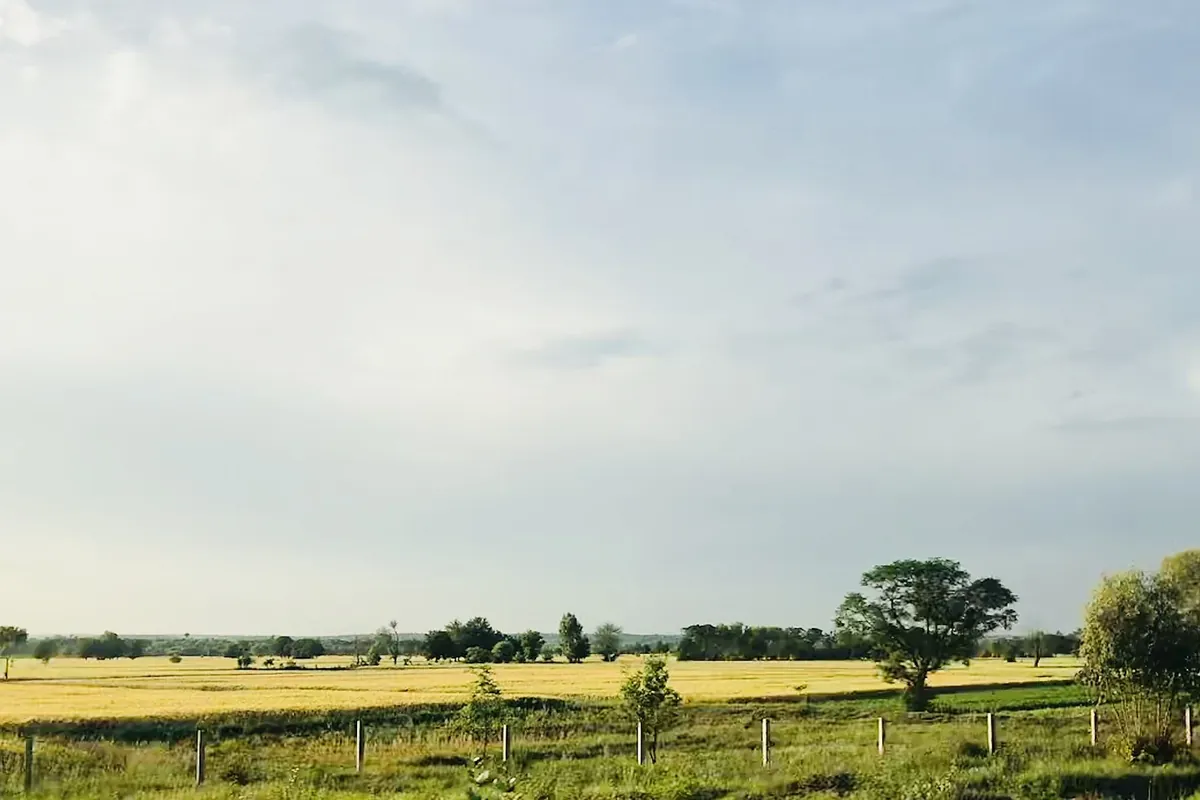
On the crop that decides Punjab's food politics, the chief minister said the government would ensure implementation of the wheat support price of Rs4,500 per maund in coordination with the federal government, and would launch an online portal for wheat procurement — digitising a process long criticised for queues, middlemen and delayed payments. Punjab, she noted, meets around 70 per cent of the country's food requirements. She also said her government had resisted pressure — including from the IMF — to impose agricultural income tax on farmers, and had kept fertiliser supplies and prices under control, acting against black-marketing of fertiliser and commodities.
Mechanisation: Rs70 billion, tractors and local plants
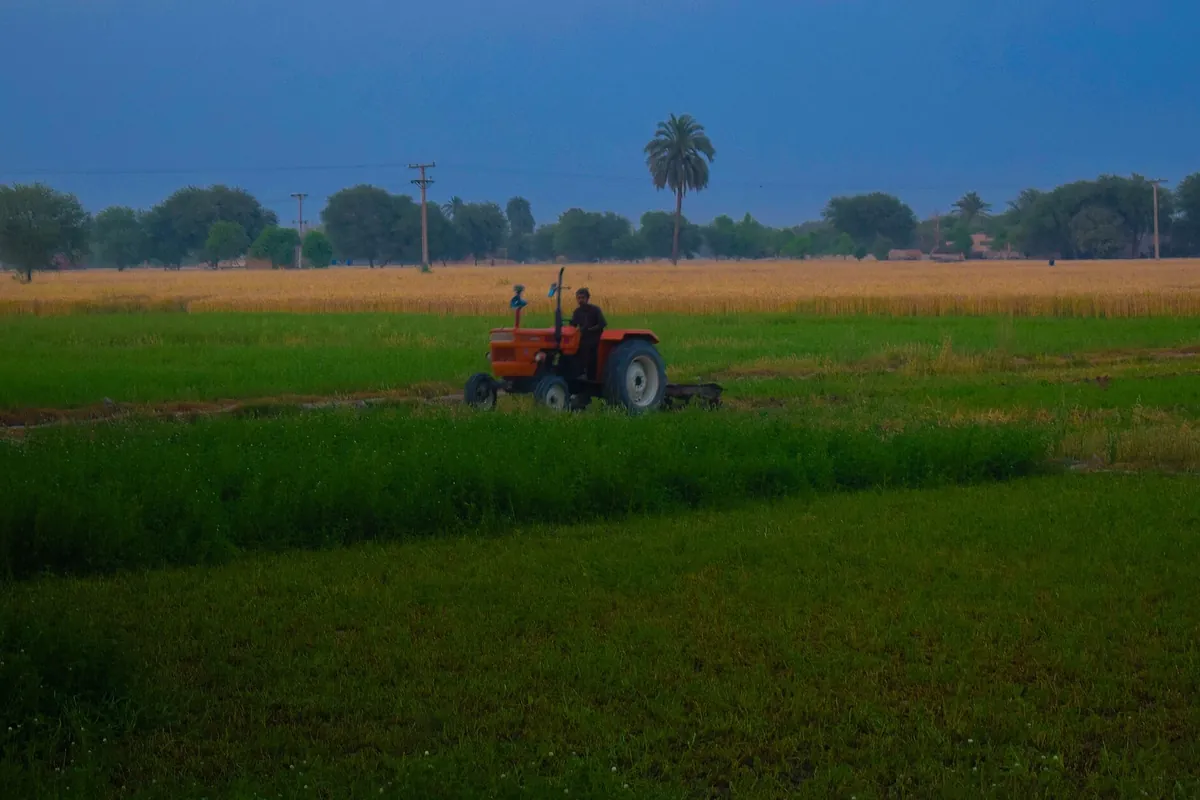
The second pillar is machines. The government is allocating Rs70 billion for high-tech agricultural mechanisation. Some 25,000 tractors have already been provided to farmers on subsidy, with a further 50,000 being offered under the Green Tractor Scheme. Pakistani companies currently manufacture around 30,000 tractors a year; the province is to get its first harvester assembly and tractor manufacturing plants, reducing reliance on imported machinery. Some 1,500 agricultural interns are working in the field in extension support roles.
Fertiliser, hoarding and the smog appeal
Two operational claims accompanied the money announcements. The chief minister said the government had acted against the black-marketing and hoarding of fertiliser and essential commodities, and that fertiliser prices were being kept under strict control — the input whose price spikes have repeatedly ambushed Punjab's sowing seasons. And she appealed to farmers not to burn crop residue, a practice that feeds the smog emergency now sitting over Lahore, which has ranked among the world's most polluted cities this week. The appeal links the farm package to the week's other Punjab emergency: the same government asking farmers to change a harvest practice is offering them, in the same sitting, the credit and machinery that make alternatives affordable.
Water, olives and the rest of the package
In the water-scarce Potohar region, around 400 mini dams are being built or are in place, with the government's target reported at up to 1,000, alongside watercourse lining to cut conveyance losses. A special package will promote olive cultivation — a crop the province has been pushing for its arid zones. The chief minister said the provincial agriculture budget had been raised from Rs15 billion to Rs400 billion over her tenure (her figure, stated at the event), and urged farmers not to burn crop residue, linking farm practice to the smog emergency that has Lahore at the top of the world's pollution charts this week.
The package at a glance
For farmers reading this before the sowing window, the operative announcements are these. Credit: a new provincial Apna Kisan Bank; loans up to Rs1 crore interest-free, up to Rs3 crore at 2 per cent and up to Rs5 crore at 5 per cent; Rs17 billion in subsidised loans covering around five million acres; Rs150,000 in pre-sowing assistance per eligible Kisan Card farmer; work under way to include tenant farmers and leaseholders, and to consider extending the card's scope to 50 acres. Inputs: the Kisan Card's DAP loan limit rises from Rs30,000 to Rs33,500 per acre, with official claims of controlled fertiliser prices and action against black-marketing. Wheat: implementation of the Rs4,500-per-maund support price with the federal government, and a new online procurement portal. Machines: Rs70 billion for mechanisation; 25,000 subsidised tractors already provided and 50,000 more under the Green Tractor Scheme; the province's first harvester assembly and tractor plants. Water and new crops: around 400 Potohar mini dams with a target reported up to 1,000, watercourse lining, and a special olive-cultivation package. Each item will need its formal notification, budget line and delivery mechanism — the details farmers should watch for in the coming weeks, and which TaazaPulse will report as they are issued.
The politics behind the package
The setting was deliberate: a chief minister spending her birthday with farmer delegations rather than at a ceremony, presenting the province's farming constituency with the week's second big welfare instrument after the Punjab Stroke Card. The audience for the package is not only the farm belt. Wheat pricing, fertiliser and farm credit are the pressure points on which Punjab governments are judged in the countryside, and the announcements were pushed out the next day across the government's X network — the chief minister's advisor and the information minister among those amplifying them — signalling that the party intends the package to be seen, and credited, well beyond the hall where it was announced. The claim that Punjab resisted international pressure on farm taxes, and the swipe at middlemen who have historically stood between the farmer and both credit and procurement, complete a pitch aimed squarely at the small grower.
Why it matters — and what to watch
Announcements are not delivery, and the honest test of this package is administrative: the Apna Kisan Bank must actually be established — chartered, capitalised and staffed — before a single zero-markup loan moves; the Rs17 billion must be budgeted and disbursed through the sowing window it is meant to serve; and the wheat portal must survive contact with procurement season. But the politics are equally clear. Agriculture is Punjab's largest employer and its most organised constituency, and the package — credit without middlemen, a wheat price with the federation's name on it, machines on subsidy — is the economic centrepiece of a government that has spent the week rolling out welfare instruments, from the Stroke Card to the farmers' bank. Farmer organisations' response, the bank's formal establishment notification, and the wheat procurement plan are the three developments TaazaPulse will track next.
What farmers can use now — and what is not live yet
A clear-eyed reading of the announcements separates three timelines. Usable now: the Kisan Card's DAP limit increase, which operates through the existing card system that already serves more than a million farmers, and the existing pre-sowing assistance of Rs150,000 for eligible cardholders. Announced, awaiting machinery: the wheat support price of Rs4,500 per maund, which requires the procurement season's arrangements with the federal government, and the online procurement portal, which must be built and opened before it can receive a single farmer's registration. Announced, awaiting establishment: the Apna Kisan Bank itself and the tiered loan window that runs through it — a bank must be formally established before it can lend, and the Rs17 billion subsidy must move through a budget and a disbursement channel. None of that diminishes the announcements; it defines the questions for the coming weeks. Farmers' organisations will be watching for the bank's establishment notification, the portal's launch date, and district-level instructions for the raised DAP limit — and TaazaPulse's rates-and-guides desk will publish each as it is officially issued.
Sources
This report is based on reporting, official statements and documents from:
- The News
- Capital News Point
- Timeline News
Frequently Asked Questions
What is the Apna Kisan Bank?
It is Punjab's first dedicated agricultural bank, announced by Chief Minister Maryam Nawaz on Wednesday as part of a major farmers package. It is intended to give farmers credit without dependence on middlemen; its formal establishment notification is awaited.
What loan rates were announced?
Up to Rs1 crore at zero markup, up to Rs3 crore at 2 per cent interest, and up to Rs5 crore at 5 per cent, under the announced financing tiers.
How large is the subsidised loan package?
Rs17 billion, which the chief minister said would benefit farmers cultivating around five million acres.
What changed for Kisan Card holders?
The card's DAP fertiliser loan limit rose by Rs3,500 per acre, from Rs30,000 to Rs33,500. The chief minister said more than one million farmers use the card and receive Rs150,000 in pre-sowing assistance, with tenant farmers to be included and expansion to 50 acres under consideration.
What is the wheat support price?
Rs4,500 per maund, which the provincial government says it will implement in coordination with the federal government, alongside a new online wheat procurement portal.
What is in the mechanisation package?
Rs70 billion for high-tech mechanisation; 25,000 tractors already provided on subsidy and 50,000 more under the Green Tractor Scheme; and Punjab's first harvester assembly and tractor manufacturing plants.