Noreen Niazi Moved From Kot Lakhpat Jail to Cardiology Hospital
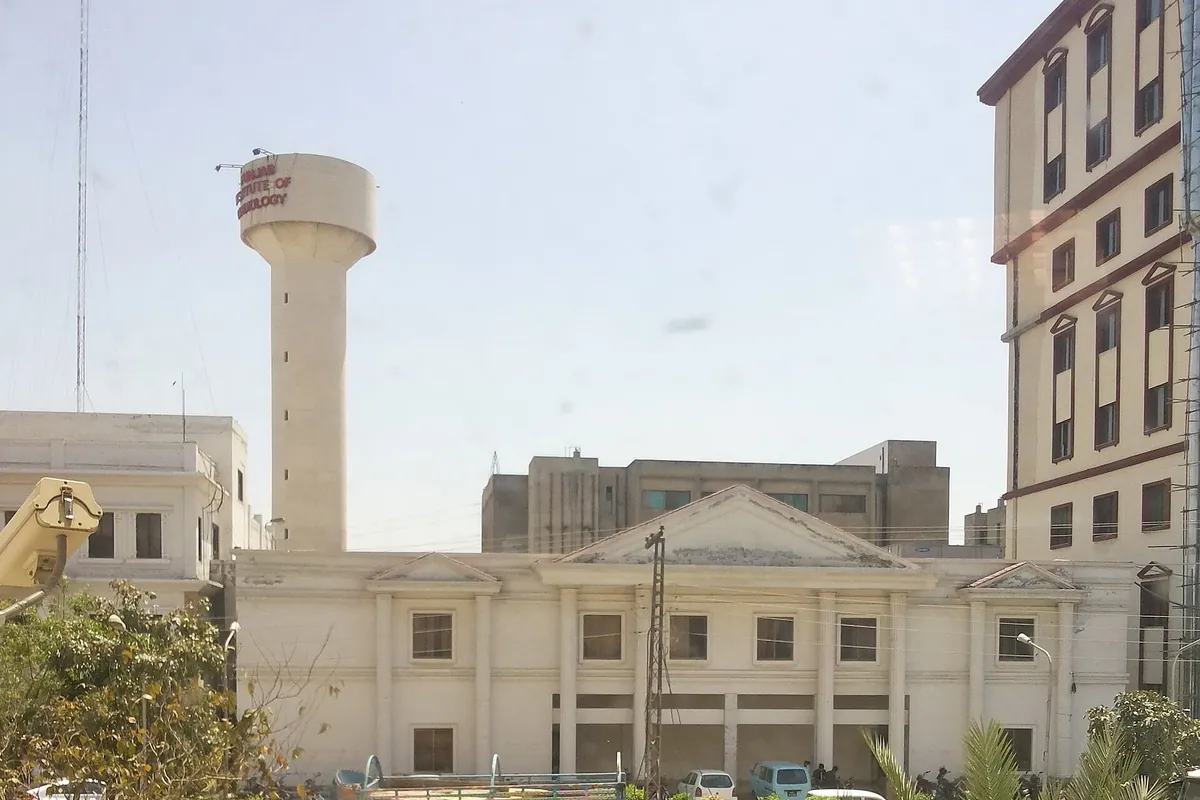
Noreen Niazi, the 70-year-old sister of jailed former prime minister Imran Khan, was shifted from Lahore's Kot Lakhpat Jail to the Punjab Institute of Cardiology (PIC) on Wednesday evening after she developed heart-related discomfort and high blood pressure in detention, her lawyer Rana Mudassar Umar said. The transfer — made, the family says, without informing them — has drawn a sharp response from the Pakistan Tehreek-e-Insaf and renewed attention on the detention of all three of Khan's sisters, who have been held since September under the Maintenance of Public Order (MPO) Ordinance. The case surfaced widely on X on Thursday, where journalist Asma Shirazi and others posted about the hospitalisation; hospital sources later said her tests were normal and her condition stable.
According to Dawn's reporting of the lawyer's account, Noreen arrived at the hospital at about 7:30pm on Wednesday after jail doctors recommended the transfer. Initial medical tests were begun at PIC. PTI, in a statement on Thursday, said it was "extremely regrettable and concerning" that no family member was informed of the move, called her detention illegal, and demanded the best available treatment under cardiologists' supervision, immediate sharing of her health information with the family, and permission for the family to meet her.
What happened at the hospital
The family's account, posted on X and reported through the day, describes relatives standing outside her ward without access. A family statement said they were never informed of the transfer, arrived to find themselves outside the ward, and demanded immediate access and a full medical update. Her lawyer alleged that neither family members nor legal counsel had been permitted to meet the sisters in jail, and alleged that medicines were not being provided to them — including the claim that Uzma Khan, herself a heart patient, received her medicine only after her husband obtained a Lahore High Court order.
Jail authorities dispute that account. A senior jail officer told Dawn that inmates are allowed daily-use items and medicines and that all three sisters have been receiving them. On her condition, the picture that emerged by Thursday was reassuring: hospital sources said Noreen did not suffer a heart condition, her electrocardiogram (ECG) and troponin tests — used to detect damage to the heart muscle — returned normal results, she was stable, had been prescribed medication to control her blood pressure, and was likely to be discharged within hours. Early summaries that spoke of an abnormal ECG reading reflected the initial presentation that had prompted the observation; the completed tests, per hospital sources, were normal.

Why the sisters are in jail
Noreen Niazi, Aleema Khan and Uzma Khan are detained at Kot Lakhpat Jail under Section 3 of the Punjab Maintenance of Public Order Ordinance, 1960, on orders of the Lahore deputy commissioner. Aleema was detained on 20 September and Noreen and Uzma on 21 September, as PTI prepared a planned protest march towards Islamabad; the march subsequently halted inside Khyber Pakhtunkhwa after the federal government imposed emergency and governor's rule in that province. The initial 30-day detention was extended by a further 30 days on 7 October, and on 26 October the Punjab government told the Lahore High Court the confinement had been renewed, following which the court disposed of a release petition.
The MPO is a preventive-detention law: it allows the state to hold a person without charge for set periods on public-order grounds, renewable by the government. Its use against the protest movement's most visible family members — three sisters of the jailed PTI founder, all of them women, the eldest of them 70 — has been among the most contested features of the post-September crackdown, and Thursday's hospital episode has returned it to the centre of the political argument.
The political fallout
PTI's statement framed the episode as part of a pattern: "Turning political affiliation into a crime and holding women in detention for political pressure is unacceptable in any civilised and democratic society," the party said, calling for respect for women's dignity, human dignity and constitutional rights in all circumstances, and warning that the Punjab government would be responsible if Noreen's health worsened. The party's central information secretary, Sheikh Waqas Akram, shared the statement on X. The government side has not issued a specific response to the hospital transfer beyond the jail authorities' position on medicines and care; the broader official position, maintained throughout, is that the detentions are lawful preventive measures taken ahead of a protest march the state considered a public-order risk.
Health in detention: the wider question
The episode lands on a sensitive seam in Pakistan's politics: the health of high-profile detainees. Imran Khan's own access to doctors and family has been litigated repeatedly since his imprisonment, and the sisters' detention has been challenged on the same terrain — access to counsel, to family, and to medication. Whatever the outcome of Noreen's discharge, the legal questions her lawyers have raised — notice to family on a medical emergency, and the renewal of preventive detention for a 70-year-old with high blood pressure — are now on the public record and are likely to feature in the next round of court proceedings over the sisters' release.
How MPO detention works
Section 3 of the Maintenance of Public Order Ordinance, 1960 empowers a deputy commissioner to order the detention of a person whose release, in the authority's judgement, could prejudice public order. Detention runs in fixed periods — 30 days at a time in the sisters' case — and the provincial government may extend it, which Punjab did on 7 October. The detainee is not charged with an offence and does not face a trial; the legal contest happens instead in the high court, where the detention order itself is challenged. That is the route the family took, and it is why the Lahore High Court's 26 October disposal of the release petition — after the government informed it the detention had been renewed — was procedurally decisive for the current term: the sisters remain in custody not because a court convicted them, but because the executive renewed its order and the court, for now, let it stand.
It is also why the medical episode matters legally as well as politically. In preventive detention, the state holds people it has not charged; courts and human-rights bodies have consistently held that the detaining authority's duty of care — medical treatment, family notification, access to counsel — is correspondingly higher, not lower. The family's specific complaints on Wednesday night (no notice of the hospital transfer, no access at the ward, medicines disputed) go directly to that duty, and they were being aired on Thursday by, among others, journalists on the TaazaPulse watchlist whose posts carried the story to a wide audience before the party's formal statement appeared.
What happens next
Hospital sources expected Noreen to be discharged within hours of the tests clearing her, which returns her to Kot Lakhpat Jail and to the second term of her MPO detention alongside her sisters. PTI has demanded family access and a full medical update; whether either is granted, and whether the family's lawyers move the Lahore High Court again — this time on medical grounds — will be the next developments. TaazaPulse will update this story as official information on her discharge and condition is released.
What the doctors checked
Two tests dominate the hospital reporting, and both are standard first-line cardiac checks. An electrocardiogram (ECG) records the heart's electrical activity and can show rhythm problems or signs of strain; a troponin test measures proteins released when heart muscle is damaged, and is the standard blood test used to confirm or rule out a heart attack. Hospital sources said both returned normal results for Noreen, and that no heart condition was found — the episode was treated as a blood-pressure event, with medication prescribed to keep it controlled. The distinction matters to the story: the transfer was precautionary and, on the completed results, reassuring — but the family's complaint was never only about medicine. It was about being told. A detainee taken from a cell to a cardiac ward at 7:30 in the evening, with her family learning of it from her lawyer rather than from the authorities holding her, is the grievance PTI put on record on Thursday, and it stands independently of how the tests came back.

Sources
This report is based on reporting, official statements and documents from:
- Dawn
- The Standard
- Lead Pakistan
- PTI statement
Frequently Asked Questions
Who is Noreen Niazi?
Noreen Niazi, 70, is a sister of jailed former prime minister Imran Khan. She is detained at Lahore's Kot Lakhpat Jail with her sisters Aleema Khan and Uzma Khan under the Maintenance of Public Order Ordinance.
Why was she taken to hospital?
Her lawyer Rana Mudassar Umar said she developed heart-related discomfort and high blood pressure in jail on Wednesday and was shifted to the Punjab Institute of Cardiology at about 7:30pm after jail doctors recommended the transfer.
What is her condition now?
Hospital sources said her ECG and troponin tests were normal, no heart condition was found, and she was stable on blood-pressure medication, with discharge likely within hours. Early reports of an abnormal ECG reflected the initial presentation; the completed tests were normal.
Why are Imran Khan's sisters in jail?
They were detained on 20-21 September under Section 3 of the Punjab MPO Ordinance ahead of PTI's planned march to Islamabad. The 30-day detention was extended by 30 days on 7 October, and the Lahore High Court disposed of a release petition on 26 October after the government said it had been renewed.
What does the family allege?
The family and their lawyer say they were not informed of the hospital transfer, have been denied meetings, and allege medicines were withheld. A senior jail officer disputes this, saying all three sisters receive their medicines and daily-use items.
What has PTI demanded?
PTI has demanded the best available treatment under cardiologists, immediate sharing of her health information with the family, and permission for the family to meet her, calling her detention illegal.