Pakistan Switches to E-Passports Only — Existing Passports Remain Valid

Pakistan's passport system has crossed a threshold it will not come back from. Since 23 October 2026, the Directorate General of Immigration and Passports (DGIP) issues e-passports only: production of the older machine-readable passport (MRP) has stopped at passport offices in Pakistan and at Pakistani missions abroad. Existing machine-readable passports remain valid until their own expiry dates — nobody's current passport has been cancelled — but every new passport and every renewal from 23 October onward is an e-passport with an embedded electronic chip. The switch, initially slated for 15 October, took effect on the revised date of 23 October, and was reported by The News, the Pakistan Observer and the Islamabad Tribune.
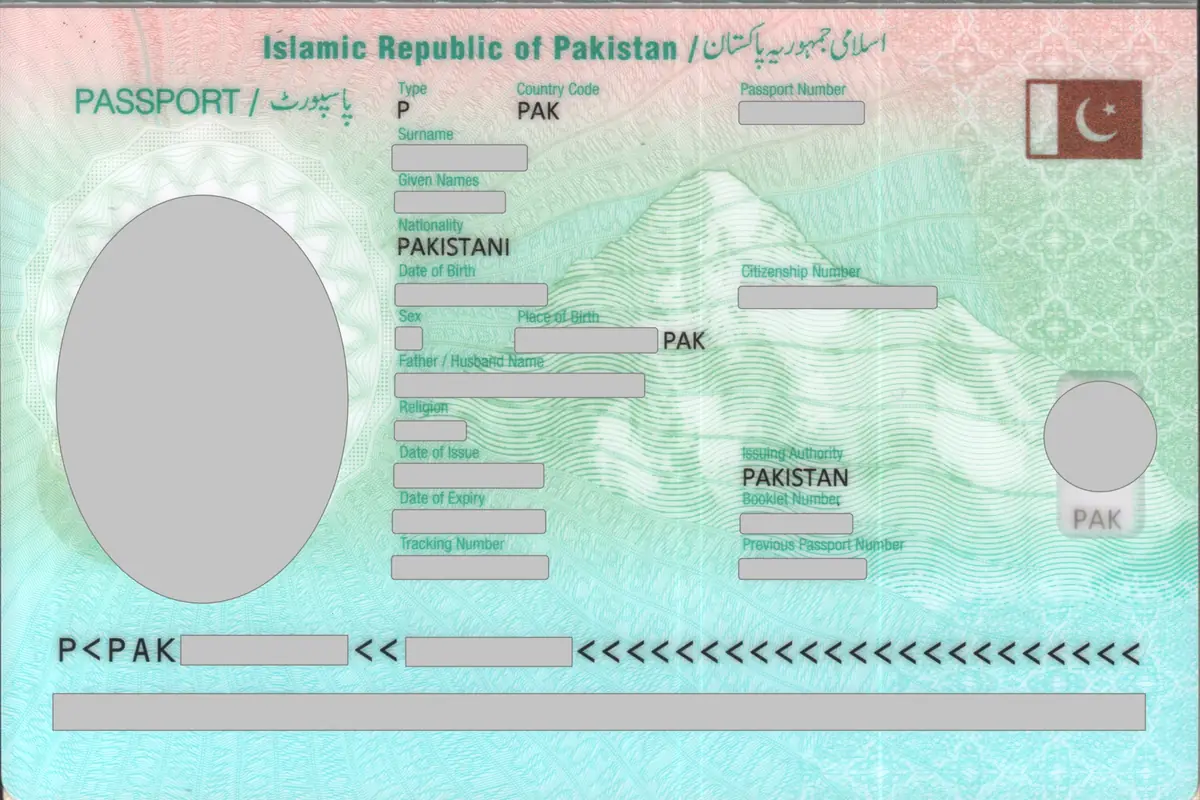
The change is administrative in form and significant in substance. The e-passport carries a contactless chip holding the holder's biometric and biographic data, readable by border systems worldwide and verifiable against forgery in ways a printed booklet cannot match. Pakistan has been moving toward this point in stages: e-passports were first issued on 30 March 2022, and in August 2023 the facility was opened to all citizens rather than officials and select categories. The 23 October decision completes the transition by retiring the old production line altogether. The DGIP, led by Director General Muhammad Ali Randhawa, has framed the move as part of the Prime Minister's vision for digitised citizen services, under the directions of Interior Minister Mohsin Naqvi.
What changes for an applicant — and what does not
For the person at the counter, the honest summary is: the destination document changes, the journey mostly does not. Applications continue through the same passport offices and the same online appointment and fee channels; the documents required, the biometric enrolment and the categories of validity and page counts remain as they were, unless the DGIP notifies otherwise. What the applicant receives at the end is different: a booklet whose cover carries the gold e-passport symbol, whose chip stores the data the border systems read, and which is designed to work with automated e-gates of the kind now being installed at Pakistan's major airports — the same e-gate programme the Prime Minister reviewed this week in the meeting covered in our airports expansion report.
Two clarifications deserve emphasis because they are where rumours breed. First: an existing machine-readable passport is not invalidated by this change — it remains a valid travel document until the expiry date printed in it, and its holder renews into an e-passport when the time comes. Second: the end of MRP production is a production decision, not a fee announcement; any change to passport fees would come through its own official notification, and readers should treat unsourced "new fee" forwards with the same suspicion as every other unsourced forward. Our step-by-step passport application guide tracks the official process — documents, fees as notified, office procedure and tracking — and is the page to work from if you are applying now.
Why governments retire the old passport
The logic of the e-passport is the logic of the chip. A printed data page can be altered, substituted or copied with enough skill; a signed chip cannot be quietly rewritten, because border readers verify the chip's digital signature against the issuing authority's keys. That is why the world's major travel documents converged on the format, why airlines and border agencies increasingly build their automated gates around it, and why a country whose citizens queue at every consulate on earth benefits when its passport is machine-trusted at the first reader it meets. The staged Pakistani rollout — officials first in 2022, all citizens from 2023, exclusivity in 2026 — follows the standard path: prove the system on a narrow base, open it, then retire the old line once the new one carries the full load.
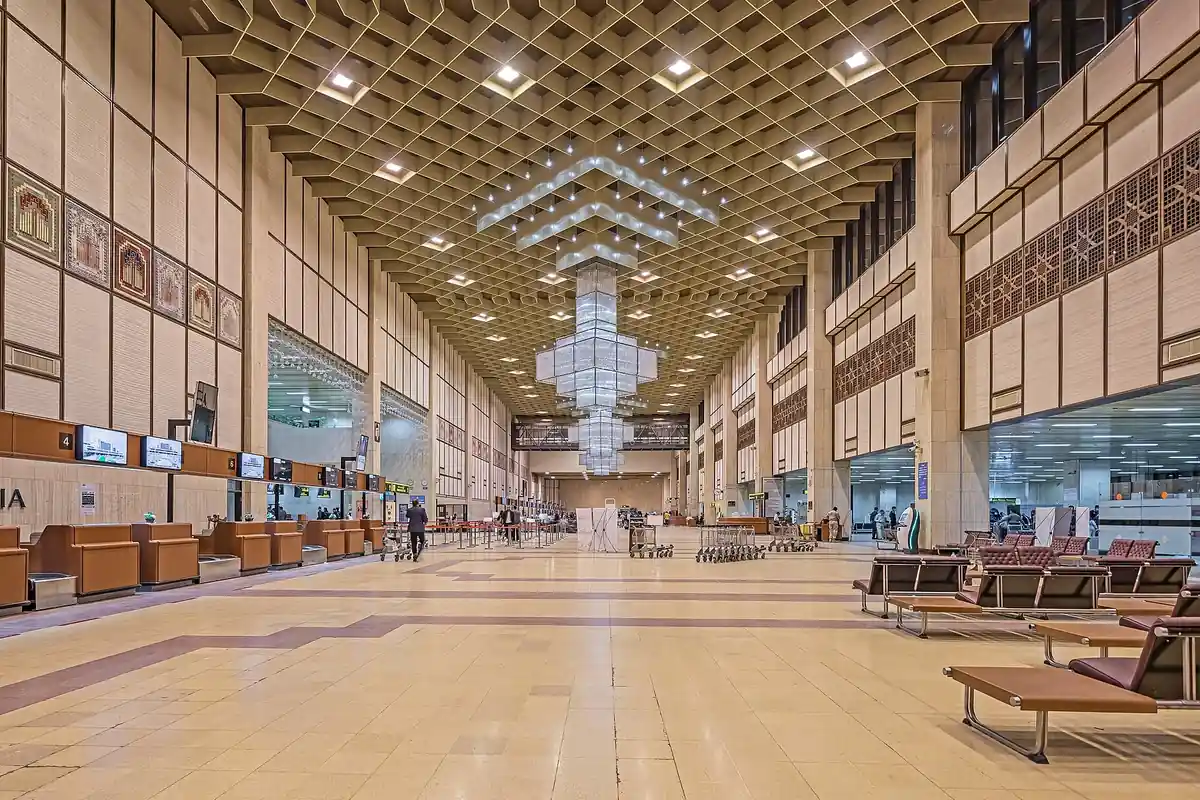
There is a service-delivery wager inside the decision too. A single production standard simplifies the DGIP's printing, personalisation and quality chain, and the department's recent history — periodic backlogs that left applicants waiting weeks beyond promised timelines — is the context in which any simplification will be judged. The measure of 23 October will not be the announcement but the counters: whether an ordinary applicant in Multan or Mardan receives the new booklet inside the promised days. TaazaPulse will report the delivery experience as readers and the department's own data establish it.
The document, in the citizen's hand
Pakistan issues millions of passports; for most holders the booklet is not a travel luxury but a livelihood instrument — the Gulf job, the university admission, the family visit, the Hajj and Umrah journey all begin at its pages. A change in that document's technology lands, eventually, in every one of those queues. The transition now ordered is complete on paper: from 23 October 2026, the Pakistani passport is an e-passport. What remains is execution — production capacity, delivery times, and the e-gates at home airports that let the chip do its work. The politics desk will follow the rollout; the practical steps for applicants are kept current in the passport guide, alongside our guides to CNIC renewal and the other documents a traveller needs in order.
The global standard Pakistan has joined in full
The e-passport is not a Pakistani invention or a local experiment; it is the international standard document, built to the specifications of the International Civil Aviation Organization (ICAO), whose chip architecture the world's border systems are designed around. The security model is worth understanding because it explains the policy. The chip carries the same data printed on the data page, plus biometric identifiers, sealed with the issuing authority's digital signature. A border reader does not merely read the chip — it verifies the signature against the issuing country's public keys, distributed through ICAO's Public Key Directory. Data copied onto a blank chip fails the signature check; a chip transplanted into another booklet fails the match against the printed page. That is why forged and altered documents — the trade that machine-readable booklets could never fully defeat — become a far harder proposition, and why countries that issue e-passports see their documents waved through automated systems that subject weaker documents to manual scrutiny.
For Pakistan, whose diaspora is among the world's largest and whose citizens present passports at more borders, more often, than almost any nation on earth, the document's machine reputation is a practical asset: every automated gate that trusts the booklet is a queue its holder does not stand in. The e-gates now being installed at Pakistan's own major airports close the loop at home — the same chip that speeds a traveller through a foreign border brings them through their own. The transition's success will still be measured at the passport office counter, in delivery days and backlog numbers, and this desk will report those as the department publishes them. But the direction of travel — one document, chipped, signed and standard — is now irreversible, and 23 October 2026 is the date it became total.
If your passport is expiring, lost or due for renewal
The practical consequences sort themselves into three groups. Holders of machine-readable passports with years of validity left need do nothing at all: the booklet in the drawer remains a valid travel document until its printed date. Holders approaching expiry will renew into the e-passport automatically — the application they file is the same application, through the same offices and official channels, and the document they receive is the chipped one. And anyone whose passport is lost or damaged replaces it, as before, through the DGIP's process — again into an e-passport. Abroad, the same switch applies at Pakistani missions, which have stopped MRP production on the same date. The one habit worth forming now is documentary: keep the passport's data page copied, note its number and dates, and let no agent persuade you that the transition requires any unofficial payment, form or queue. It does not. The state changed the booklet, not the rules for getting it — and our application guide remains the step-by-step reference for the process as officially notified.
Sources
This report is based on reporting, official statements and documents from:
- The News (via Geo)
- Pakistan Observer
- Islamabad Tribune
- Directorate General of Immigration & Passports
Frequently Asked Questions
Is Pakistan now issuing e-passports only?
Yes. From 23 October 2026, the Directorate General of Immigration and Passports (DGIP) issues e-passports only, and production of machine-readable passports has stopped at passport offices in Pakistan and at Pakistani missions abroad. The change, initially slated for 15 October, took effect on the revised date of 23 October 2026.
Is my existing machine-readable passport still valid?
Yes. Existing machine-readable passports remain valid travel documents until the expiry date printed in them. Nobody's current passport has been cancelled; holders simply renew into an e-passport when their booklet expires.
What is an e-passport and how is it different?
An e-passport carries a contactless electronic chip holding the holder's biometric and biographic data, protected by a digital signature that border systems verify. It is identifiable by the gold chip symbol on the cover and is designed to work with automated e-gates. Pakistan first issued e-passports on 30 March 2022 and opened them to all citizens in August 2023.
What changes for someone applying for a passport now?
The application journey — passport office, documents, biometric enrolment and the official fee channels — continues as before unless the DGIP notifies a change; what the applicant receives is now the chipped e-passport. TaazaPulse's passport application guide tracks the official process, documents and notified fees step by step.
Who announced the e-passport-only switch?
The Directorate General of Immigration and Passports, led by Director General Muhammad Ali Randhawa, implemented the switch under the directions of Interior Minister Mohsin Naqvi, as part of the Prime Minister's digitisation vision, as reported by The News, the Pakistan Observer and the Islamabad Tribune.
Has the passport fee changed with the e-passport switch?
The 23 October change is a production decision, not a fee announcement. Any fee revision would come through its own official notification. Treat unsourced 'new fee' forwards with suspicion and verify against the DGIP's official channels or our passport guide.