PM Shehbaz Approves Karachi and Lahore Airport Expansion Under Master Plans
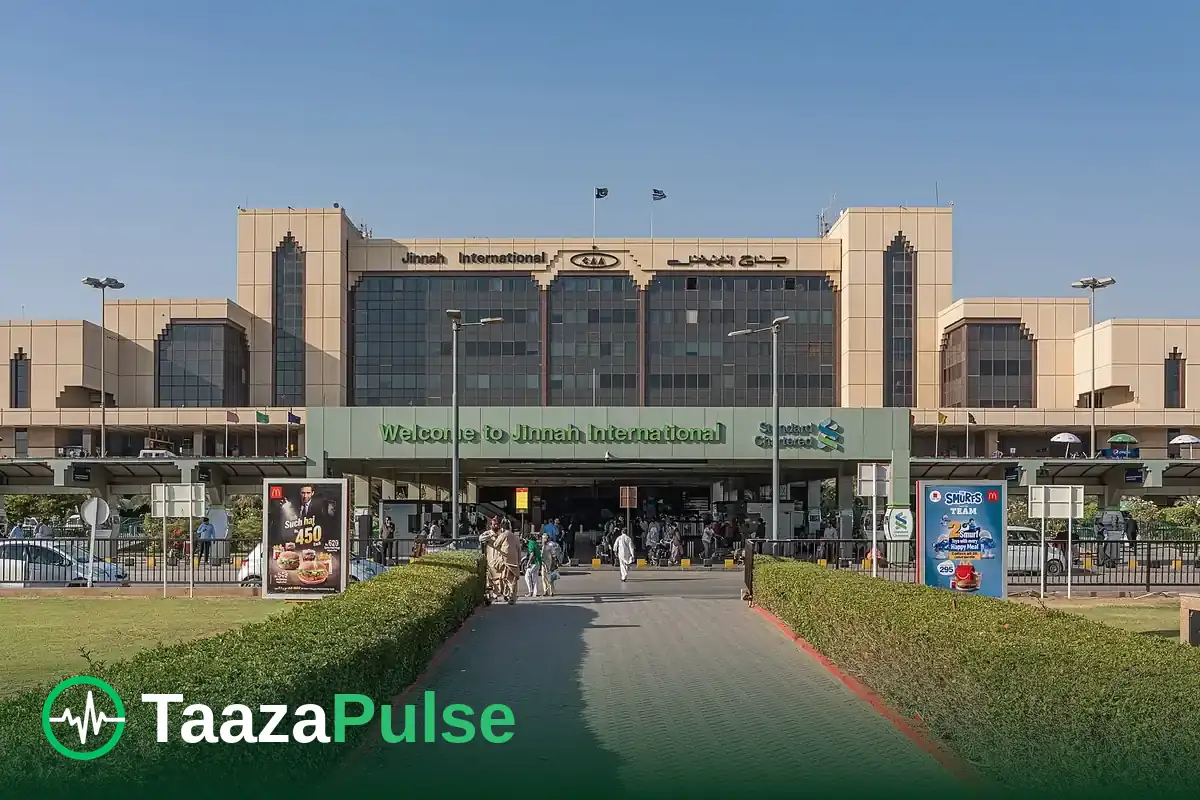
Prime Minister Shehbaz Sharif has approved the expansion of Karachi and Lahore airports under their master plans, and was told at a review meeting in Islamabad on Thursday that the expansion of Jinnah International Airport's runway in Karachi has been completed, according to an official handout of the meeting issued by the Prime Minister's Office.
The meeting, chaired by the prime minister, reviewed the expansion of airports in the country's major cities and the facilities available to passengers. Officials briefed the prime minister on the expansion projects under way at Karachi and Lahore airports under their respective master plans, on the development and upgradation works the Civil Aviation Authority is carrying out at airports across the country, and on a survey of service standards at major airports recently completed by an international firm.
What the prime minister approved
According to the official account, Shehbaz Sharif approved the expansion of Lahore and Karachi airports in accordance with their master plans. He directed that the expansion projects be completed within the stipulated time, that there be no compromise on the quality of the work, and that construction be carried out to international standards and requirements. He also ordered third-party validation of both the expansion projects and the reforms being made to passenger facilities — an independent check, in other words, on whether the work and the service changes are actually being delivered as claimed.
The prime minister directed that internationally reputed institutions be engaged to improve travel facilities at Pakistani airports, and that regular training on high standards of service delivery be arranged for airport staff. He stressed better coordination among the different agencies that work at airports, described passenger convenience as paramount, and said there should be no compromise on the quality of food served at airports, where the best caterers should be engaged. The handout does not publish cost figures or completion dates for the two expansion projects beyond the timelines presented to the meeting, and TaazaPulse will report those when they are officially released.
Why these two airports, and why now
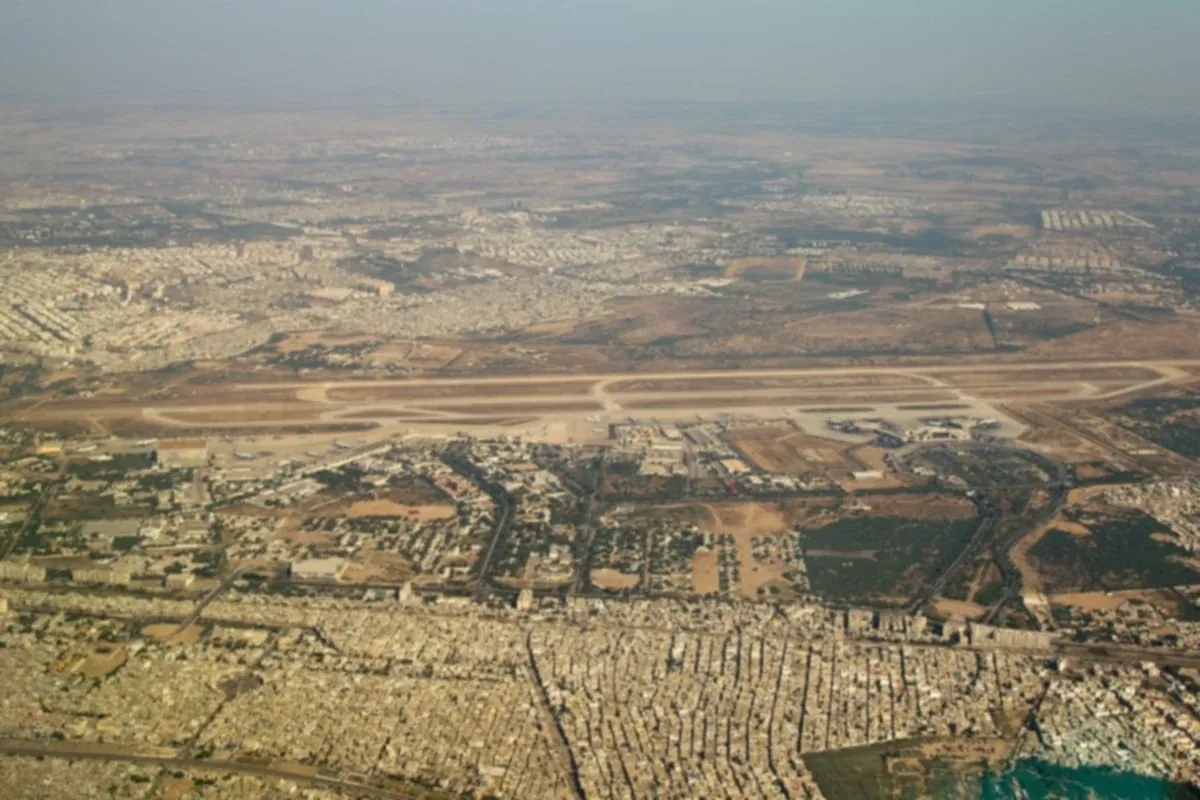
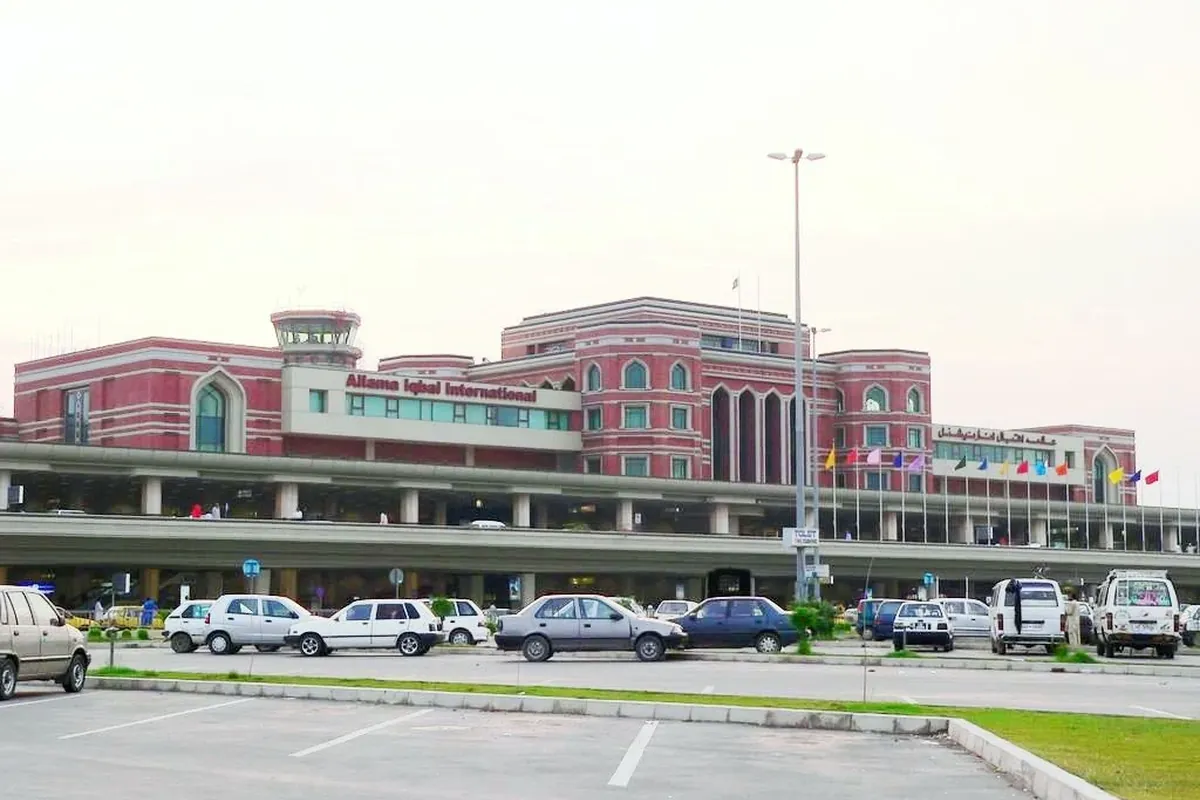
Karachi and Lahore are the twin pillars of Pakistan's international air travel. Jinnah International is the country's largest and busiest gateway, the home base of the national carrier and the arrival point for the Gulf-heavy traffic that carries Pakistan's overseas workforce; Allama Iqbal International serves the Punjab capital and the country's most populous province. Both airports have run for years at or beyond the capacity their terminals were designed for, and both have had expansion master plans on paper — phased blueprints that sequence new terminal capacity, aprons, taxiways and runways so an airport can grow without closing.
Approval at prime-ministerial level matters because airport expansion cuts across agencies: the Civil Aviation Authority builds and operates, the FIA controls immigration, customs and the Airport Security Force run their own pieces, and airlines plan routes years ahead. A master plan approved in a chaired meeting, with timelines presented and a third-party validator ordered over the top, is the mechanism by which those pieces are made to move together — and by which delays become visible rather than deniable.
Karachi: runway expansion complete, cargo village under way
The meeting was informed that the extension of the runway at Jinnah International Airport, Karachi, has been completed. A longer runway is not a cosmetic upgrade: it determines which aircraft, at what weights and in what weather, the country's busiest international gateway can safely handle, and it is a precondition for the wider master-plan expansion the prime minister has now approved.
Karachi also figured in the briefing as a cargo story. Work is under way on an air cargo village in the city as part of a plan to turn Karachi into an air cargo hub — a project aimed at the freight and logistics side of aviation rather than passengers, and one that would matter directly to exporters who currently route high-value, time-sensitive goods through foreign hubs. The airport expansions sit within a broader national-development push that this page's politics coverage has been tracking through the autumn.
E-gates and the passenger-experience list
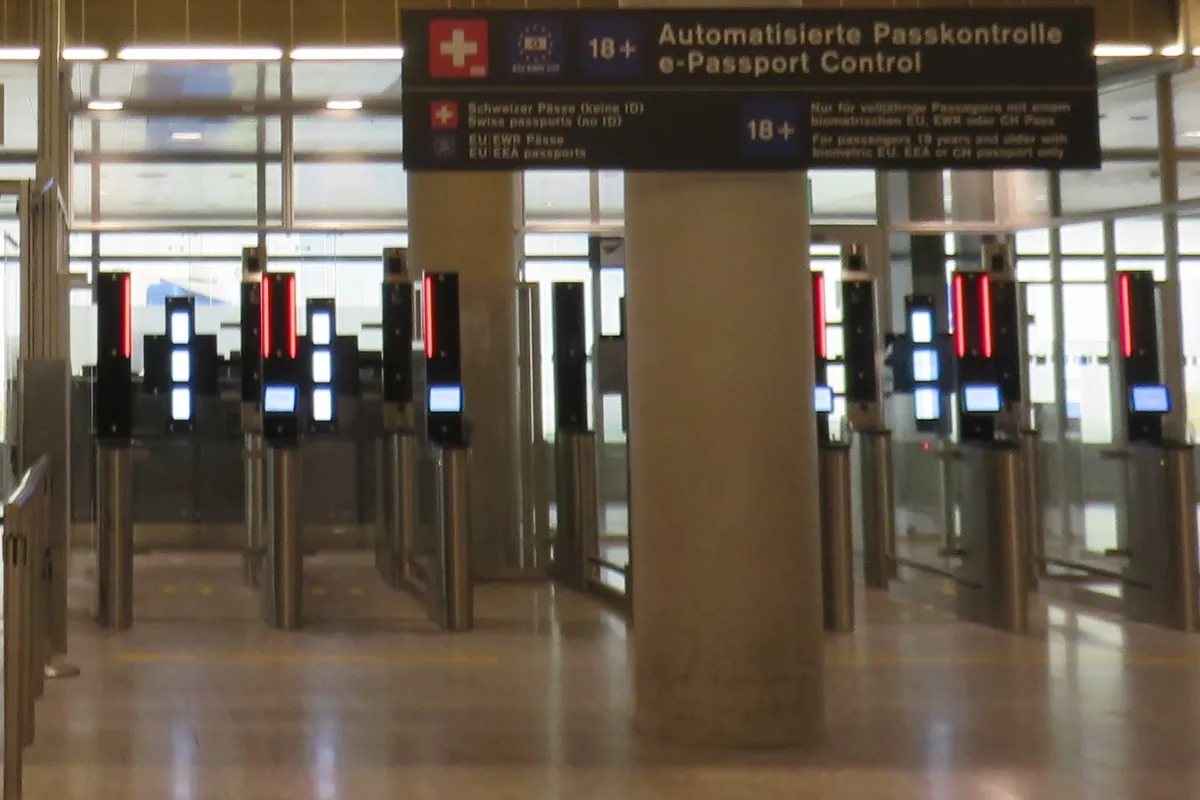
On passenger facilities, the meeting was told that installation of the automated border management system — the e-gates — at the country's major airports is progressing rapidly. E-gates automate the immigration check for eligible travellers, letting a passenger clear border control through a biometric gate instead of a staffed counter, and are standard at most large international hubs. The Federal Investigation Agency, which mans immigration at Pakistani airports, has increased its staff strength and the number of its counters, and pre-departure desks of the FIA have been established at major airports. A meet-and-greet service for passengers has been started at Islamabad airport.
The survey of service standards by the international firm fed into the same discussion: the prime minister's directions on training, coordination and catering all address the parts of the airport experience that passengers consistently complain about — queues, unclear processes and food — rather than concrete and steel alone. For travellers whose paperwork is the bottleneck rather than the airport itself, our guide to applying for a Pakistani passport sets out the current process step by step.
How e-gates change the departure hall
For passengers, the e-gate is the most tangible item on Thursday's list. At a staffed immigration counter, an officer checks the passport, stamps or scans it, and waves the traveller through — a process that takes a minute or more per person and produces the long snakes of queue that define peak-hour departures at Karachi and Lahore. At an automated gate, the traveller places the passport on a reader, looks at a camera for a biometric match, and walks through glass barriers in seconds when the match succeeds. Airports that have installed them — Dubai, Singapore, London and most large European hubs — use them to move the routine majority through automatically, freeing officers for the cases that genuinely need a human.
The briefing's phrase was that installation at major airports is "progressing rapidly"; the handout does not state how many gates are live today, at which airports, or for which passport holders they will open first. Those operational details — eligibility, the first airports to switch them on for departing passengers, and what happens to the manual counters — are the facts TaazaPulse will chase from the FIA and the CAA as the rollout is announced.
The wider aviation picture
The briefing put the two big-city expansions in a national frame. In the past year, officials said, the Civil Aviation Authority has activated 14 airports across the country for domestic flights, widening the domestic network beyond the main hubs. In Hyderabad, the aviation institute is being upgraded to an aviation university of international standard, with work on it to begin by February 2028 — a pipeline project for the pilots, engineers and aviation professionals the expanded network will need.
Attending the meeting were Deputy Prime Minister and Foreign Minister Senator Ishaq Dar; Defence Minister Khawaja Muhammad Asif; Dr Musadik Malik; Ahad Khan Cheema; Information Minister Attaullah Tarar; the prime minister's adviser Muhammad Ali; MNAs Raja Osama Sarwar and Ali Zahid; the prime minister's coordinator Sardar Yasir Ilyas; and senior officials of the relevant departments.
What happens next
The decisions convert the Karachi and Lahore master plans from documents into directed projects: expansion approved, timelines set before the prime minister, quality benchmarked to international standards and an outside validator to be appointed over both the construction and the passenger-facility reforms. What passengers will judge, as always, is delivery — whether the e-gates spread beyond the briefing slides, whether the cargo village moves Karachi's freight numbers, and whether the two expanded airports feel different to use. TaazaPulse will follow the third-party validation and the project timelines as official details are released.
Sources: the official handout of the prime minister's review meeting on airport expansion and passenger facilities (Prime Minister's Office), as published by Aitadal News and Pindi Post, 29 October 2026.
Sources
This report is based on reporting, official statements and documents from:
- Prime Minister's Office handout
- Aitadal News
- Pindi Post
Frequently Asked Questions
What did PM Shehbaz Sharif approve for Karachi and Lahore airports?
The prime minister approved the expansion of Karachi and Lahore airports in accordance with their master plans. He directed that the projects be completed within the stipulated time, with no compromise on quality, construction to international standards, and third-party validation of the expansion works and the passenger-facility reforms.
Is the Jinnah International Airport runway expansion finished?
Yes, according to the official briefing: the meeting chaired by the prime minister was informed that the extension of the runway at Jinnah International Airport, Karachi, has been completed. The detail comes from the Prime Minister's Office handout of the 29 October 2026 review meeting.
What is happening with e-gates at Pakistani airports?
The meeting was told that installation of the automated border management system - the e-gates - at the country's major airports is progressing rapidly. E-gates let eligible travellers clear immigration through a biometric gate instead of a staffed counter. The handout does not state how many gates are live or the date they open to passengers.
What else did the airport review meeting hear?
Officials briefed that an international firm has completed a survey of service standards at major airports; the CAA activated 14 airports for domestic flights in the past year; the FIA has increased staff and counters and set up pre-departure desks; a meet-and-greet service has started at Islamabad airport; work is under way on an air cargo village in Karachi; and Hyderabad's aviation institute is being upgraded to an aviation university, with work to begin by February 2028.
Who attended the airport expansion meeting?
Deputy Prime Minister and Foreign Minister Senator Ishaq Dar; Defence Minister Khawaja Muhammad Asif; Dr Musadik Malik; Ahad Khan Cheema; Information Minister Attaullah Tarar; the prime minister's adviser Muhammad Ali; MNAs Raja Osama Sarwar and Ali Zahid; the prime minister's coordinator Sardar Yasir Ilyas; and senior officials of the relevant departments.
When will the Karachi and Lahore expansions be completed?
Timelines for the projects were presented to the meeting and the prime minister directed completion within the stipulated time, but the official handout does not publish specific completion dates or cost figures. TaazaPulse will report them when they are officially released.