Punjab Hospitals to End the Slip System in Four Weeks — What the LHC Was Told, and What Has Not Happened Yet

The Lahore High Court has been told that the Punjab government will abolish the parchi — the registration-slip system — in all government hospitals across the province within four weeks, so that patients, including those arriving in emergency departments and outpatient departments (OPDs), receive medical attention without first queuing for a slip. The undertaking was given on Friday 30 October 2026 by Special Secretary (Health) Nabila Irfan before Justice Malik Javid Iqbal Wains, during the hearing of a public-interest petition filed by the Judicial Activism Panel seeking enforcement of fundamental rights and the provision of basic healthcare facilities in government hospitals. The court accepted the undertaking and directed the authorities to implement the promised reforms within four weeks and to file a detailed compliance report, supported by documentary evidence, at the next hearing.
That last sentence is the one that matters most, because it corrects the reading the headlines invite. The slip system has not ended today. What happened on Friday is a commitment, made to a judge, with a four-week deadline attached and a compliance report to follow. Patients walking into a government hospital this weekend should still expect the old counters to be there. What has changed is that the province's health department has now told the Lahore High Court, on the record, that the system will go — and that it will be replaced by a modern, technology-based patient management system designed to streamline medical examinations and treatment and to end the delays, inconvenience and overcrowding at hospital counters. If the deadline slips, the department will have to explain itself to the same court, which has already warned that non-compliance without valid justification could draw action against the responsible officers.
The undertaking covers every government hospital in Punjab, not one city and not one hospital. The assurance as reported is explicit on the point that matters to the most frightened patients: people visiting public-sector hospitals, including those who need emergency treatment and those attending outpatient clinics, will no longer be required to obtain registration slips from designated counters before receiving medical attention. In an emergency, that distinction is not administrative. A family carrying an injured relative into a casualty department does not experience the slip counter as paperwork; it experiences it as a wait between arrival and treatment, and in the worst cases as a wait that decides outcomes. The court's direction is that treatment must come first and the record-keeping must follow, not the other way round.
Why the court lost patience
Friday's hearing did not happen in a vacuum. The petition before Justice Wains was filed in 2020 — six years ago — and the court expressed serious concern that the respondents have still not submitted compliance reports despite repeated notices and specific directions issued since then. The court observed that the persistent failure to comply with court orders reflected a casual and indifferent attitude on the part of the authorities towards their statutory and constitutional obligations. That is unusually blunt language for a court that was, on the same day, accepting the government's undertaking, and it explains why the four-week direction is framed as a deadline with a documentary compliance report rather than as another assurance to be noted and filed away.
The petition itself reaches beyond the slip counter. It seeks enforcement of the fundamental rights guaranteed under Articles 4 and 9 of the Constitution — treatment in accordance with law, and security of person — together with implementation of superior courts' judgments regarding the provision of essential healthcare facilities to the public. The slip is the visible grievance, but the case is about the state's duty to provide functioning healthcare: the petition asks the court to hold the government to facilities that are available, adequate and of an acceptable standard. That is why the Special Secretary, who appeared on behalf of the Secretary of the Specialised Healthcare and Medical Education Department, also sought further time to submit a comprehensive report on the availability, adequacy and standard of healthcare facilities in government hospitals across Punjab. The court gave her that time, but it tied the extra time to the four-week implementation direction, so the two tracks — the slip system's abolition and the facilities report — now run to the same next hearing.
There is a second reason the court's patience matters. Previous judicial directions in this case have not been implemented, and the court said so. A direction that is ignored once can be an oversight; directions ignored repeatedly, over six years, become a pattern, and the court's language on Friday treats it as one. The undertaking now on record is therefore not merely a promise to patients. It is a promise made after the court has publicly recorded that earlier promises in the same case were not kept. That history is the reason to report the four-week deadline as a test rather than as a result — and the reason TaazaPulse will check, when the deadline passes, whether the counters have actually gone.
What the parchi system costs patients today
For readers who have never queued at a government hospital counter, the parchi looks like a small thing: a slip of paper, a registration number, a queue. For the people who use these hospitals — overwhelmingly the poor, the rural patient who has travelled hours to Lahore, Multan or Rawalpindi, the daily-wage worker who cannot afford a private clinic — the slip is the first and often the longest obstacle between illness and treatment. The counters are where crowds gather, where attendants jostle, where the elderly and the seriously ill wait standing, and where a patient who has already waited for transport, for a referral, for a hospital bed, waits again before any doctor has seen them.
The problem is sharpest exactly where the court's direction bites: emergencies and OPDs. An outpatient department in a big Punjab teaching hospital can see thousands of patients in a morning, and the registration counter is the bottleneck through which all of them must pass. An emergency department has no such excuse for a bottleneck at all — the patient in front of the counter may be bleeding, breathless or unconscious, and every minute spent obtaining a slip is a minute not spent on triage. The health department's own framing, as reported to the court, concedes the point: the replacement system is supposed to eliminate unnecessary delays, inconvenience and overcrowding at hospital counters. The word "unnecessary" does a lot of work there. Some record-keeping will always be needed — a hospital must know who it treated — but the court and the department now agree that the record must not stand between the patient and the doctor.
What replaces the slip — and what is not yet known
The reporting available so far says the Punjab Health Department will introduce a modern, technology-based patient management system. Beyond that description, the details are not yet public, and this article does not fill them in. It is not yet reported how the new system will work in practice — whether registration will move to the bedside or the triage desk, whether patients will be issued a digital token, whether existing hospital management software will be extended or a new platform built, which hospitals will switch first, or what happens to patients without a mobile phone or a national identity card on the day. None of that has been announced in the reporting seen for this article, and readers should be wary of social-media posts that claim otherwise.
Those unknowns are not footnotes; they are the difference between a reform and a renaming. A technology system that simply moves the same queue from a paper counter to a screen, or that requires a patient to complete digital registration before triage, would reproduce the old delay in a new form. A system that registers the patient at the point of care — in the emergency bay, at the OPD consultation room — and keeps the administrative record behind the treatment, would be the change the court directed. The compliance report due at the next hearing is the document that should answer these questions: the court has asked for a detailed report supported by documentary evidence, not a further assurance. Until that report is filed, the honest description of Friday's development is a deadline and a design promise, not a finished system.
There is also the question of scale. Punjab's government hospitals range from teaching hospitals in Lahore with thousands of daily outpatients to district and tehsil headquarters hospitals where staffing, power and connectivity are thinner. A system designed for a flagship hospital may stall in a smaller one, and the four-week deadline will test whether the department has planned for that variation or merely announced a province-wide date. The compliance report should, if it is honest, show hospital-by-hospital progress rather than a single province-wide claim — and that is what the court's demand for documentary evidence, rather than a summary, appears designed to force.
What patients should do now
Until the four-week deadline passes and the new system is actually operating, the practical advice is unglamorous but important. First, do not assume the slip has already gone: carry your identity card and any previous hospital record, referral slip or prescription, and expect the existing counters to be in operation until the change is visibly in place at your hospital. Second, in an emergency, go straight to the emergency department and say so — the court's direction, and the department's undertaking, both treat emergency treatment as the priority, and no counter queue should delay urgent care. If you are told to obtain a slip before an emergency patient is seen, note the time, the counter and the name of the hospital, and keep any document you are given; that record is what makes a complaint provable later.
Third, keep the date in mind. Four weeks from Friday 30 October runs to late November 2026, and the next hearing — proceedings were adjourned for six weeks, according to the reporting — is when the department must show its compliance report. If your hospital is still running the old slip counter after the deadline, that fact, documented, is itself evidence. Patients and attendants who experience delays should keep discharge papers, prescriptions and any slip they were made to obtain, because those are the documents that show whether a reform announced in court reached the ward. This article will update when the compliance report is filed and when the department publishes implementation details for individual hospitals.
A reform inside a larger Punjab health argument
The slip decision lands in the middle of a wider argument about Punjab's public hospitals that TaazaPulse has been following all month. The province is simultaneously running a polio vaccination drive for 23.9 million children in 97 districts from 2 to 8 November, and its hospitals are the front line of that campaign too. The same system that asks a mother to queue for a slip is the system that must vaccinate her child, treat her neighbour's stroke, and staff an emergency ward at night. The court's insistence on a facilities report alongside the slip abolition recognises that connection: a counter is not the only bottleneck, and removing it will not by itself fix shortages of doctors, beds, medicines or diagnostic equipment.
That is also why the petition's constitutional framing matters. Articles 4 and 9 are not abstract principles in this case; they are the legal basis for saying that a citizen's access to essential healthcare cannot depend on surviving an administrative queue. The superior courts' judgments the petition invokes say the same thing in different words: that the state owes its citizens functioning essential services, and that the failure to provide them is not a management problem but a rights problem. Friday's undertaking does not settle that larger argument. It settles one visible part of it, on a deadline, with a report to follow. Whether the larger argument moves will depend on what the facilities report says, and on whether the technology system that replaces the slip is designed around the patient or around the file.
For now, the verified position is this. On Friday 30 October 2026, the Punjab government told the Lahore High Court, through Special Secretary (Health) Nabila Irfan, that the parchi system in all government hospitals across the province will be abolished within four weeks, and that a modern technology-based patient management system will replace it, so that emergency and outpatient patients receive treatment without first obtaining a registration slip. Justice Malik Javid Iqbal Wains accepted the undertaking, directed implementation within four weeks, and required a detailed compliance report with documentary evidence at the next hearing, against a background of six years of unimplemented directions in a petition filed in 2020. The slip system has not yet ended; the deadline for ending it has begun.
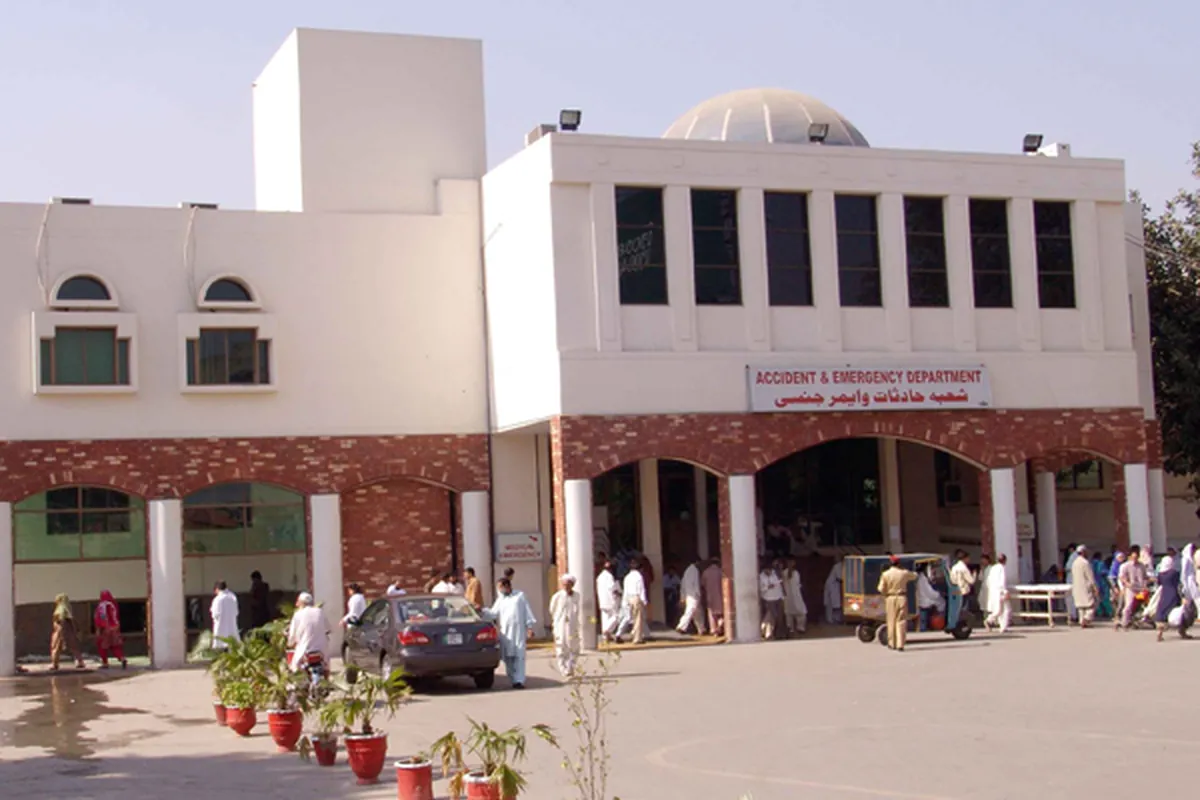
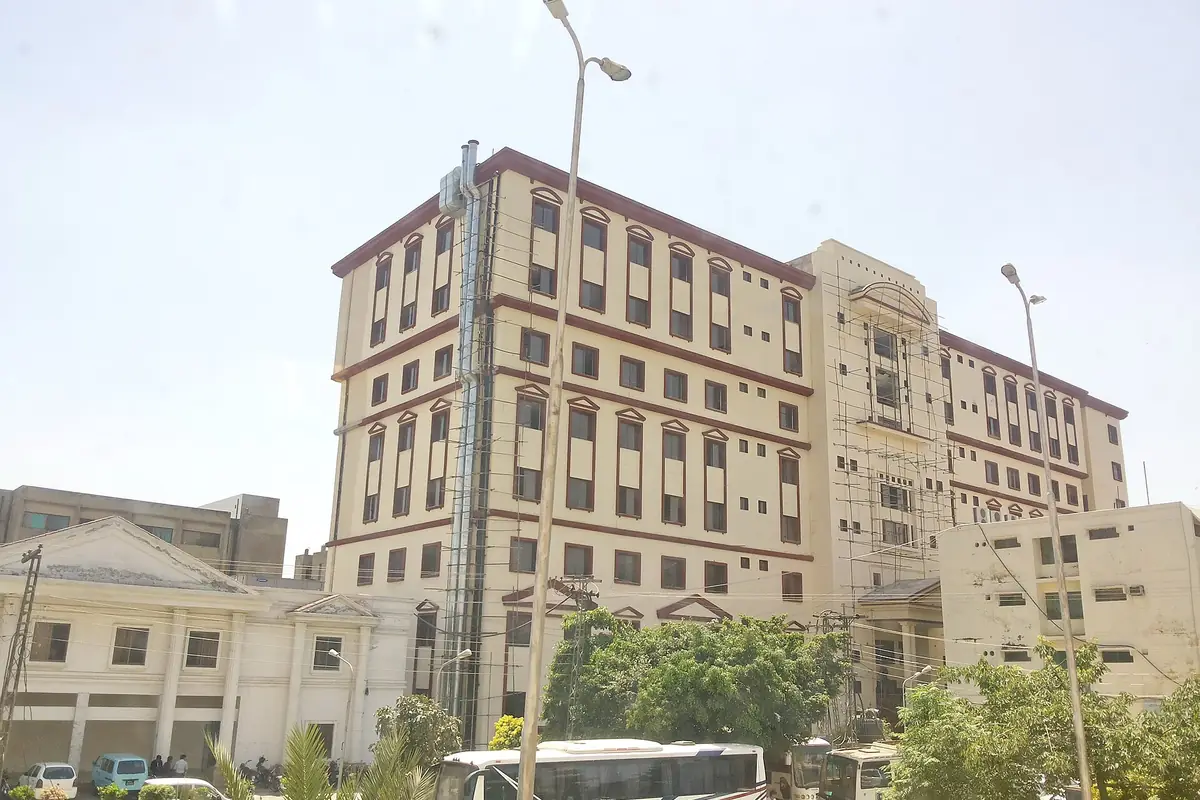
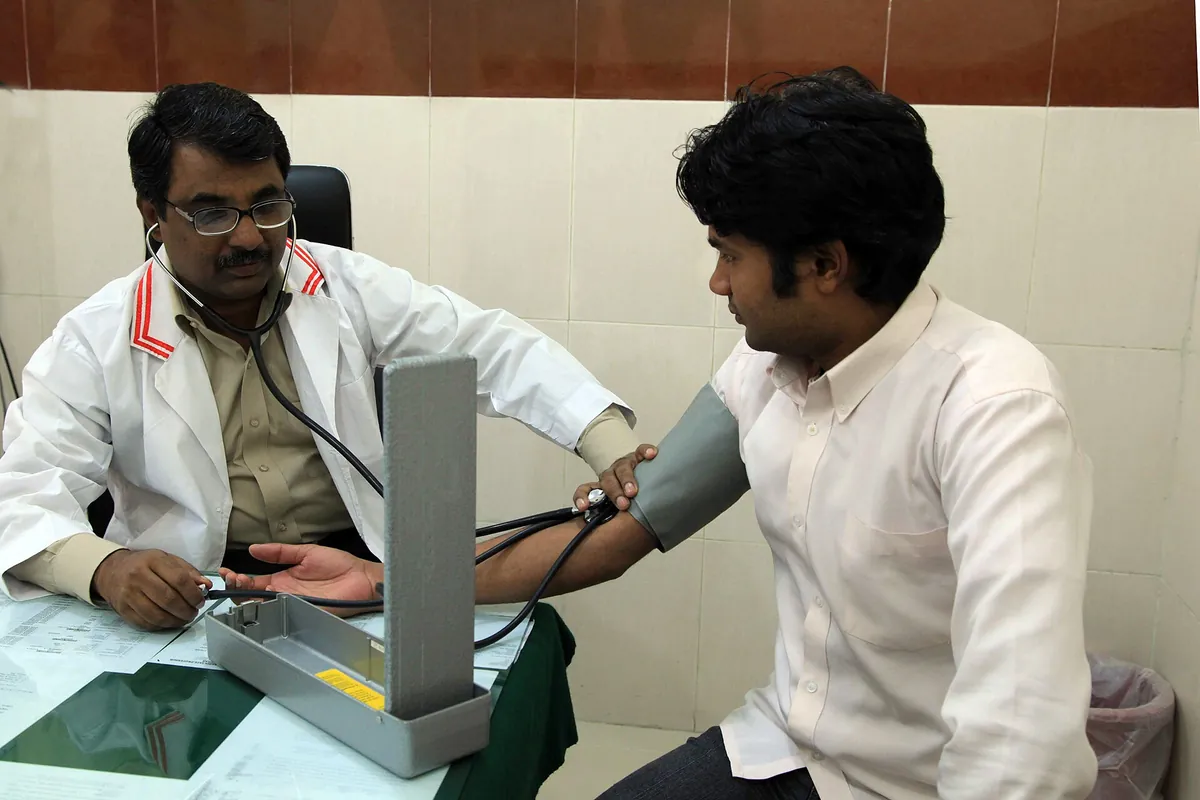
Image note: the photographs in this article are Wikimedia Commons file photos — the Lahore High Court building, the Accident and Emergency department and the new Outpatient Department at Services Hospital, Lahore, and a medical examination department. They are not photographs of Friday's hearing, of the officials named, or of any particular hospital's slip counter.
Frequently Asked Questions
Has the slip system already ended in Punjab hospitals?
No. What happened on Friday 30 October 2026 is an undertaking, not an implementation. Special Secretary (Health) Nabila Irfan told the Lahore High Court that the Punjab government will abolish the parchi (registration slip) system in all government hospitals within four weeks, and the court directed implementation within that period. Until the deadline passes and the change is visibly in place at a hospital, patients should expect the existing counters to still operate.
What exactly did the government promise the court?
That patients visiting public-sector hospitals — including those needing emergency treatment and those attending outpatient departments — will no longer be required to obtain registration slips from designated counters before receiving medical attention, and that the Health Department will introduce a modern, technology-based patient management system to streamline examinations and treatment and to eliminate delays, inconvenience and overcrowding at hospital counters.
Who gave the undertaking, and before which judge?
Special Secretary (Health) Nabila Irfan, appearing on behalf of the Secretary of the Specialised Healthcare and Medical Education Department, gave the undertaking before Justice Malik Javid Iqbal Wains of the Lahore High Court, during the hearing of a public-interest petition filed by the Judicial Activism Panel.
Why is the court involved, and why now?
The petition was filed in 2020 and seeks enforcement of fundamental rights under Articles 4 and 9 of the Constitution, together with implementation of superior courts' judgments on essential healthcare facilities. The court expressed serious concern that compliance reports have not been submitted despite repeated notices and specific directions since 2020, observing that the persistent failure reflected a casual and indifferent attitude towards statutory and constitutional obligations — which is why Friday's direction carries a four-week deadline and a documentary compliance report.
What will replace the slip?
A technology-based patient management system, according to the undertaking as reported. How it will work in practice — bedside versus counter registration, digital tokens, which hospitals switch first, what happens to patients without a phone or identity card — has not yet been published in the reporting seen for this article, and this article does not guess. The detailed compliance report directed for the next hearing should answer those questions.
What should patients do until the system changes?
Do not assume the slip has gone: carry your identity card and any previous hospital record or referral, and expect counters to operate until the change is visible at your hospital. In an emergency, go straight to the emergency department. If an emergency patient is told to obtain a slip first, note the time, counter and hospital and keep any document given — that record is what makes a complaint provable. The four-week deadline runs from 30 October to late November 2026, with proceedings adjourned for six weeks.