Pakistan Revises Its Petrol Pricing Formula: What the 30-Day PSO Rule Changes for Motorists
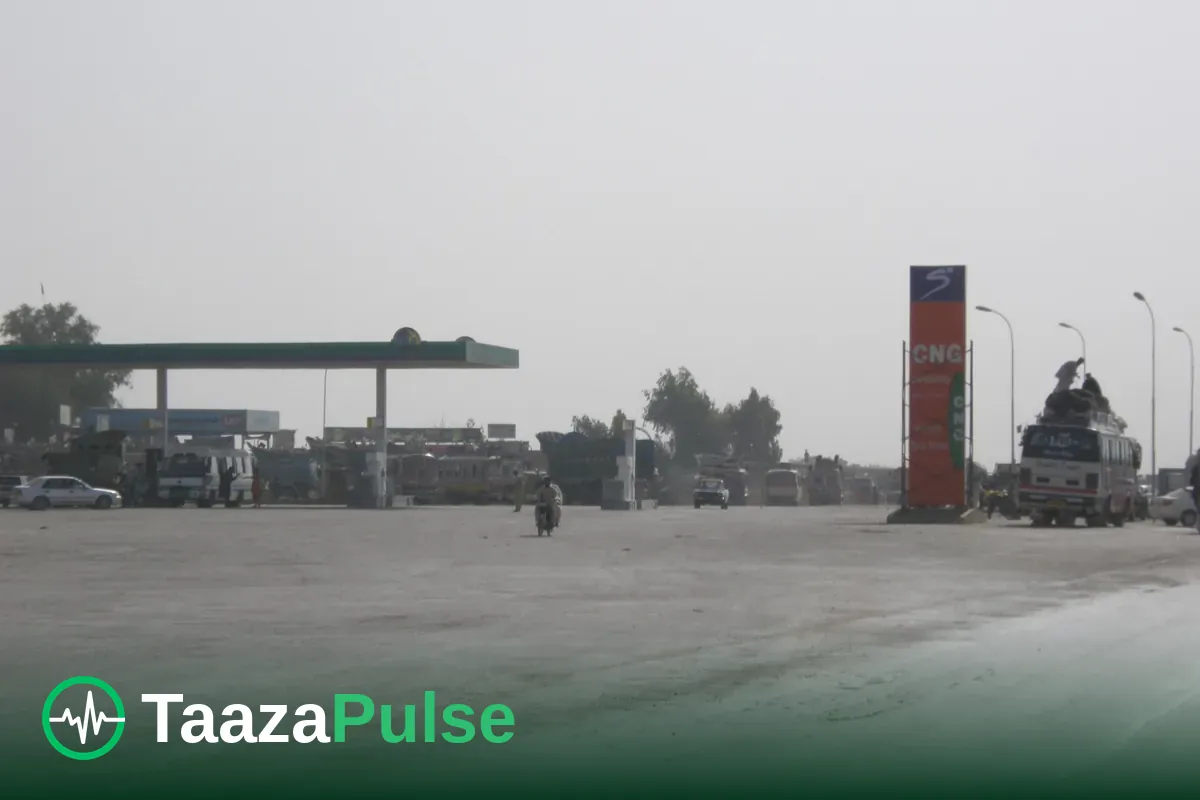
The federal government has changed the way Pakistan prices its petrol, for 30 days, in a move that shifts a large part of the cost of shielding motorists from war-driven oil prices onto the country's own refineries. The Federal Cabinet approved the revised petrol pricing mechanism on 30 October 2026, on a summary from the Petroleum Division, and the Ministry of Energy (Petroleum Division) notified it the same day. Under the new arrangement, the import price of petrol will be set from the actual cost of the relevant Pakistan State Oil (PSO) cargo, while refineries must calculate their ex-refinery petrol prices using the premiums, incidentals and customs duty that applied on 7 March 2026, before the war between the United States and Iran disrupted the market. The difference between those two prices will be surrendered by the refineries under the petroleum levy, and the government says the resulting benefit must reach consumers as a corresponding reduction in petrol prices.
That single paragraph contains the whole policy, but also the whole argument about it, so it is worth unpacking slowly. Nothing in the decision changes the price on the board this weekend: petrol remains Rs377.91 per litre and high-speed diesel Rs402.96 per litre for 31 October to 2 November 2026, under the separate daily revision notified on Friday night. What the new mechanism changes is the formula behind the board — how the import price is fixed, how the refinery price is fixed, and who absorbs the gap between a war-inflated import cost and a pre-war refinery calculation. The government presents it as consumer relief. The refining industry presents it as a new burden of around Rs49 per litre on locally refined petrol, on top of more than Rs80 billion it says it has already absorbed through compressed diesel margins. Both descriptions can be true at the same time, because they are describing opposite ends of the same transfer: money that would otherwise have stayed with refineries is being routed, through the levy account, to petrol buyers.
What exactly changed on 30 October
The revised mechanism has three moving parts, and each one matters. First, the import price. Petrol's import price will now be determined using the actual import cost of the relevant PSO cargo. If that actual cost is unavailable when the daily price is calculated, the premiums, incidentals and customs duty of the last available cargo will be used instead. That is a deliberate move toward cargo reality: the price Pakistan pays for the fuel it actually brings in, rather than a benchmark or an averaged assumption, becomes the starting point of the calculation.
Second, the ex-refinery price. Refineries will calculate their ex-refinery petrol prices using the premiums, incidentals and customs duty at the levels that applied on 7 March 2026, before the war. That date is the hinge of the whole policy. Between March and October, war, shipping disruption and the threat to the Strait of Hormuz pushed up the premiums and incidental costs attached to imported fuel. By freezing the refinery side of the calculation at pre-war levels, the government prevents those higher post-war costs from flowing into the price refineries are allowed to charge for the petrol they produce locally. The refinery is, in effect, told to price its petrol as if the war had not raised its cost base, even though the crude and products it buys today are priced in a war market.
Third, the difference. The gap between the import price determined from the actual PSO cargo and the ex-refinery price calculated at pre-war levels does not vanish, and it is not left with the refinery as a windfall or a loss to be carried silently. It is surrendered by the refineries under the petroleum levy head of account C03901. The Petroleum Division's communication of 30 October, addressed to the chief executives of Pak-Arab Refinery Limited, Pakistan Refinery Limited, Attock Refinery Limited, National Refinery Limited, Cnergyico and ENAR Petroleum Refining Facility, directed all refineries to deposit that price differential under the levy head. The government has directed that the resulting benefit be passed on to consumers exclusively through a corresponding reduction in petrol prices. The mechanism applies for an initial period of 30 days from the Cabinet's approval, which takes it to around 29 November 2026 unless it is extended, revised or allowed to lapse.
The two numbers everyone is quoting — and why they are not the same thing
Two figures have dominated the reaction to the decision, and they are routinely confused with each other. The first is around Rs49 per litre. That is the refining industry's estimate, voiced by Cnergyico PK Limited vice chairperson Usama Qureshi, of the additional burden the arrangement could impose on locally refined petrol. It is an industry estimate of cost borne by refineries, not a government notification, not a new tax, and not a price increase for consumers. Readers should treat it as exactly what it is: the industry's own calculation of what the frozen pre-war formula costs it per litre of petrol it refines in Pakistan, set against the war-inflated import cost it must actually meet in the market.
The second figure is Rs14.71 per litre. That is the reduction in the petroleum levy through which, according to The News' reporting of the decision, the government intends to provide relief to consumers. It is the intended channel of the benefit, not a confirmed cut in the pump price already notified for this weekend. The distinction matters, because the two numbers describe different sides of the same transfer and they do not add up to a single consumer figure. The refinery surrenders the differential into the levy account; the government then uses levy room to reduce what consumers pay. How much of that relief shows up in the next notified petrol price, and in what form, will be visible only when the Oil and Gas Regulatory Authority (OGRA) publishes the next daily price breakup. Until then, any claim that petrol has already fallen by Rs14.71, or by Rs49, or by any other figure, would be wrong. Petrol is Rs377.91 this weekend, unchanged, and that is the only pump price the new mechanism has so far left untouched.
There is a second confusion to clear up, because Pakistan changed two fuel formulas in the same week. This petrol decision is not the LPG pricing change that takes effect from 1 November 2026, under which the PSO landed import cost replaces the Saudi Aramco Contract Price as the benchmark for local LPG producers. The LPG change concerns cooking gas and its own benchmark; the 30 October decision concerns motor spirit (petrol) and its ex-refinery calculation. They share a theme — PSO's actual import cost replacing an older benchmark — but they are separate decisions, with separate fuels, separate benchmarks and separate effects. Conflating them would overstate both.
Why the government acted now
The timing is set by the war. The United States and Iran are in a conflict that has repeatedly threatened shipping through the Strait of Hormuz, the narrow waterway through which a large share of the world's seaborne oil must pass, and Pakistan has been living with the price consequences since the summer. On 17 July 2026 the government replaced its weekly fuel price system with a daily pricing mechanism, precisely so that international movements would reach Pakistani pumps within days rather than being stored up into a single fortnightly jump. Petroleum Minister Ali Pervaiz Malik has said the daily system is meant to pass the full impact to consumers immediately and transparently, in both directions.
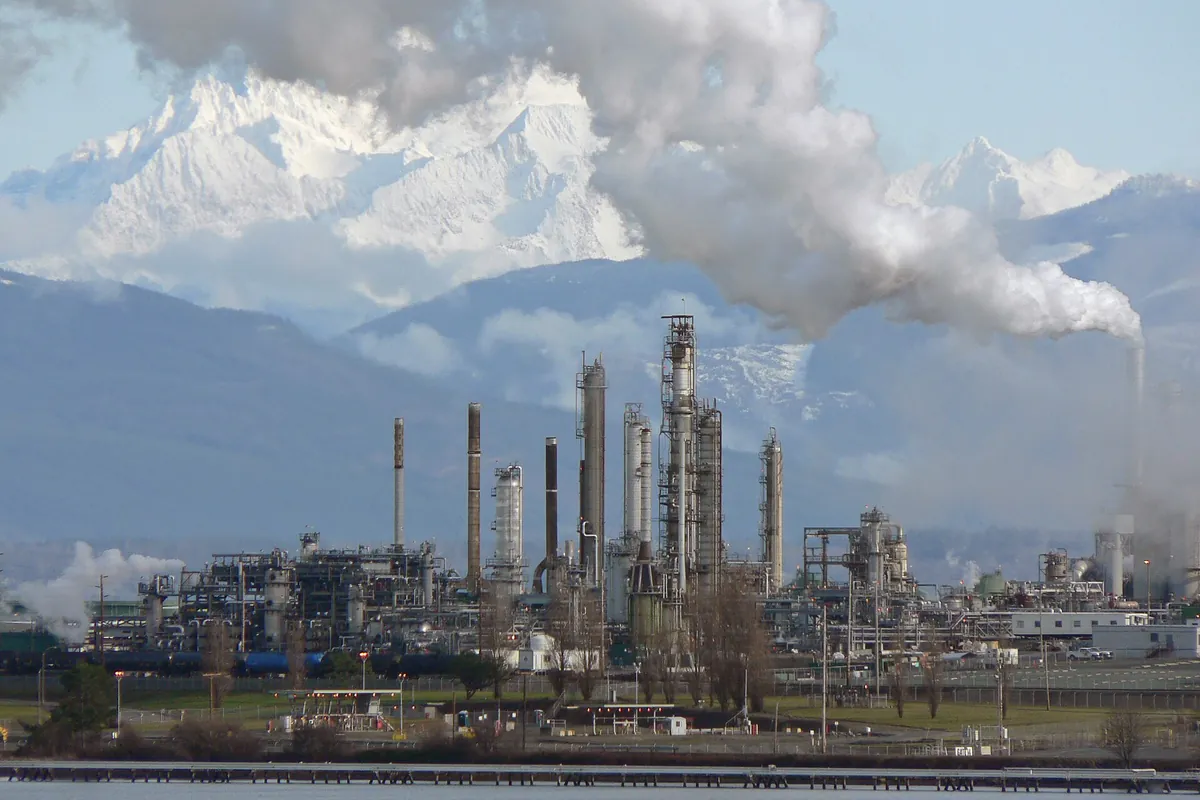
The daily system, however, transmits pain as faithfully as it transmits relief. Industry figures cited in The News' reporting put international petrol prices at around $112 per barrel against crude oil prices of approximately $119 per barrel, excluding premiums, freight, insurance and other import-related costs — a negative gasoline-to-crude differential of about $7 per barrel. In plain terms, the refined product is currently worth less than the crude it is made from, before a refinery has paid for processing at all. A negative petrol crack spread does not by itself mean that a refinery's overall gross refining margin has turned negative, because refineries sell a slate of products, not petrol alone. But combined with what the industry says is already more than Rs80 billion absorbed through the compression of diesel crack spreads, it describes a refining sector whose margins are being squeezed from both ends: diesel spreads compressed by earlier intervention, and now petrol priced at pre-war levels in a war market.
The refineries' case, in their own words
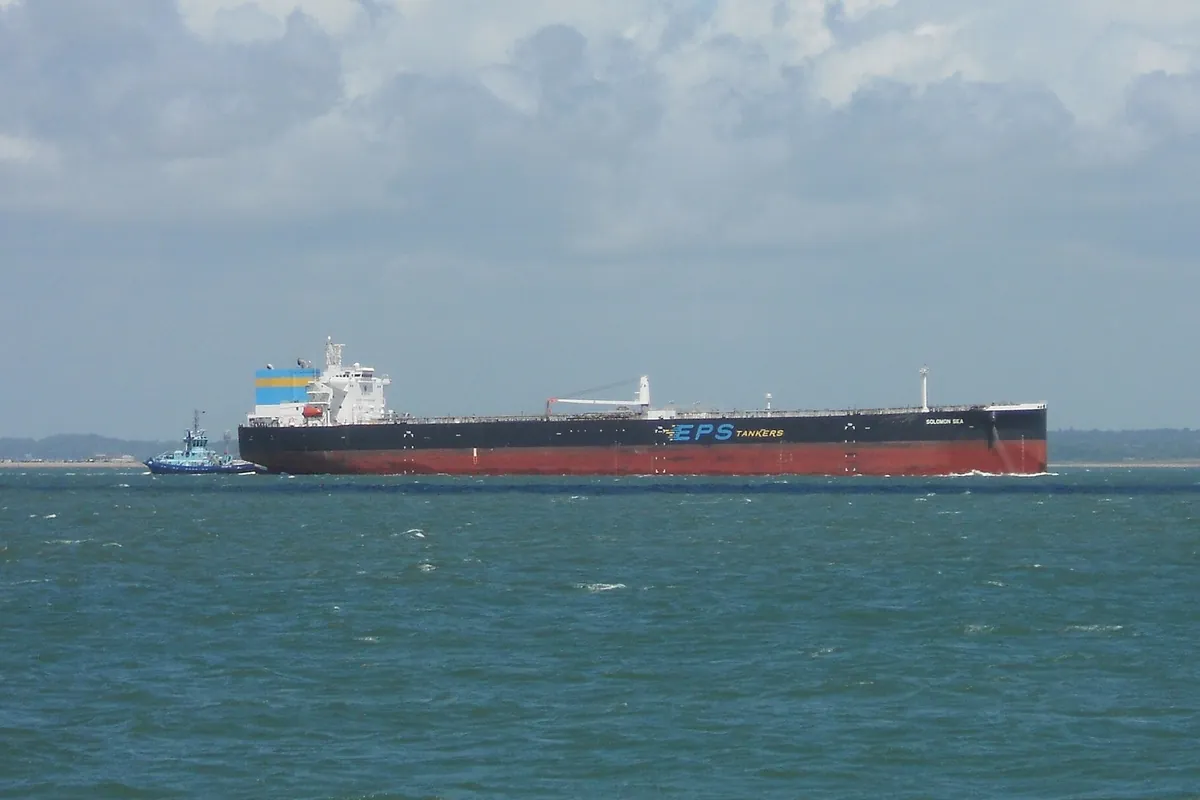
The industry's reaction has been unusually blunt. Qureshi told The News that abrupt changes to the petrol pricing formula were creating uncertainty for investors and damaging the refining sector. "How can you operate a capital-intensive industry when the goalposts change every other day? How can the government expect refineries to sell products below cost? Who will invest billions of dollars in a sector where there is no policy certainty?" he asked. The complaint has three layers. The first is arithmetic: refineries buy crude at prevailing international prices, and a restriction on the price they can charge for locally refined products limits their ability to recover feedstock and other costs. The second is fairness within the energy chain: the industry notes that it is importing higher-priced US crude, which yields more petrol than the Middle Eastern grades previously processed by local refineries, and argues that the revised formula effectively penalises it for that shift by pushing overall refining margins toward negative territory. The third is investment: a refinery upgrade is a multi-year, multi-billion-dollar commitment, and lenders price exactly this kind of policy risk into their decisions.
That investment point is where the dispute stops being about this month's margins and becomes about Pakistan's fuel future. The country has an approximately $6 billion refinery upgradation programme, aimed at modernising existing facilities, improving fuel quality, reducing furnace oil production and strengthening energy security. Four refineries have signed upgradation agreements with OGRA, while the country's largest state-owned refinery has yet to sign, reportedly because of reservations among its foreign shareholders. The industry warns that repeated interventions make it harder to secure financing for those upgrades, particularly when lenders must consider the possibility of similar measures during the repayment period. Refinery modernisation requires substantial equity, long-term financing and commitments from international lenders and technology partners, and investors assess such projects on predictable cash flows, sustainable margins and a stable regulatory framework. A 30-day formula change does not cancel an upgrade programme on its own, but the industry's argument is that it changes the risk calculation that every upgrade decision depends on.
The industry also raises a distributional question that the government has not yet answered publicly in the reporting so far. Unlike refineries, which buy crude as feedstock and earn revenue by processing it, upstream exploration and production companies can benefit directly from higher international crude prices through improved realised prices for their output. Industry representatives argue that the government should consider whether extraordinary gains made by upstream producers could contribute towards temporary consumer relief instead of repeatedly placing the burden on domestic refineries, and that the petroleum value chain should share the cost of protecting consumers during periods of exceptional volatility. Any such mechanism would need to account for existing petroleum concession agreements, fiscal arrangements and incentives for domestic exploration, which is why it is an argument rather than a ready-made policy. But it reframes the debate: the question is not only how much relief consumers get, but who in the energy chain pays for it.
How the government will police the new formula
The 30 October communication does not leave compliance to trust. Refineries have been instructed to submit daily reports of domestic motor spirit sales, along with Computerised Payment Receipts (CPRs) and payment challans, to the Petroleum Division and OGRA for verification and reconciliation. The notification further directs refineries to deposit the differential petroleum levy according to OGRA's price notifications. In practice, that creates a daily paper trail: how much petrol each refinery sold at home, what levy differential it deposited, and whether the two reconcile with OGRA's notified prices. It is the administrative counterpart of the daily pricing mechanism itself — a formula that moves every day needs a daily check, and the government has built one in.
For consumers, the practical meaning of all this is narrower than the headlines suggest, and it is worth stating plainly. First, no new petrol pump price has been announced under this mechanism yet; the price in force is Rs377.91, held from 29 October through the 31 October to 2 November window. Second, the relief the government intends is routed through the petroleum levy, so its visible form will be a levy figure in a future OGRA notification, not a separate announcement. Third, the mechanism is time-limited: 30 days from 30 October, after which the government must decide whether the war market still justifies it, whether to extend it, or whether to return to the previous formula. Fourth, the burden estimate of around Rs49 per litre belongs to the industry's side of the ledger, and the Rs14.71 figure belongs to the intended levy relief; neither is a pump price, and neither should be quoted as one.
What to watch next
Four things will show, within days and weeks, whether this mechanism works as the government intends or as the industry fears. The first is the next OGRA daily notification: does the notified petrol price, or its published breakup, show the levy relief the government intends, and by how much? The second is the refineries' own reporting: do the daily sales reports and CPRs reconcile cleanly, or do disputes emerge about which cargo cost counts as the "relevant PSO cargo" when an actual cost is unavailable? The third is the calendar: as the 30-day window approaches its end around 29 November, does the government extend, amend or drop the formula, and does it say so before the expiry or after? The fourth is investment: do the four refineries that have signed upgradation agreements proceed, and does the largest state-owned refinery move toward signing, or does the pricing dispute become one more reason for delay?
There is also a wider context that readers should keep in view. Pakistan's fuel prices in 2026 are not set in Islamabad alone. They are set, in the first instance, in the international oil market, then translated through the exchange rate, then passed through a daily mechanism that the government designed to be fast and transparent. The 30 October decision adds a deliberate distortion to that translation for one product, for one month, in one direction: it holds the refinery price at pre-war levels while letting the import price reflect war reality, and it uses the levy to bridge the gap. That is a defensible way to protect consumers for a month, and it is also a real cost imposed on a capital-intensive industry whose investment Pakistan says it needs. Both halves of that sentence are true, and any reporting that keeps only one half will mislead.
TaazaPulse will update this story when OGRA publishes the next daily petrol notification showing how the levy relief appears in the price breakup, when the Petroleum Division or the refineries publish anything further on the 30-day mechanism, and when the government signals what happens after the window expires. Until then, the verified position is this: the Cabinet approved a revised 30-day petrol pricing formula on 30 October 2026; the import price follows the actual PSO cargo cost; the ex-refinery price follows 7 March 2026 pre-war levels; the difference goes to the petroleum levy under head C03901; the industry estimates its burden at around Rs49 per litre; the government intends levy relief of Rs14.71 per litre for consumers; and the pump price today remains Rs377.91 for petrol and Rs402.96 for diesel.
What is confirmed in this article is limited to what the reporting establishes: The News' 1 November 2026 report of the Cabinet's 30 October approval, the 30-day period, the PSO cargo and 7 March 2026 pre-war rules, the C03901 levy surrender, the six refineries named in the Petroleum Division's 30 October communication, the daily sales/CPR/challan reporting requirement, the around-Rs49 industry burden estimate and the Rs14.71 intended levy relief, the $112/$119 per barrel figures and the more-than-Rs80 billion diesel crack burden, and the $6 billion upgradation programme with four OGRA agreements signed. The TechJuice report (31 October 2026) independently confirms the Cabinet approval, the PSO cargo rule, the last-cargo fallback, the 7 March 2026 refinery rule, the 30-day period, the levy surrender and the six refineries. The pump prices Rs377.91 (petrol, unchanged) and Rs402.96 (diesel, up Rs2.29) for 31 October to 2 November 2026 are from the Petroleum Division notification reported by TaazaPulse on 31 October. No new petrol pump price under this mechanism has been claimed, because none has been notified in the reporting consulted; the Rs49 figure is an industry estimate, not an official figure, and the Rs14.71 figure is the government's intended levy relief, not a confirmed pump-price cut. The LPG formula change from 1 November is a separate decision and is not described here beyond distinguishing it.
Sources
This report is based on reporting, official statements and documents from:
- The News — Refineries say petrol pricing intervention puts $6bn upgrade plan at risk (1 Nov 2026)
- TechJuice — Govt Revises Petrol Pricing Mechanism to Provide Relief to Consumers (31 Oct 2026)
- ARY News — Pakistan 'revises' petrol pricing formula amid Iran-US tensions (1 Nov 2026, sentinel queue 6067238a5093d415; headline only — body policy-blocked, facts from The News/TechJuice above)
- Photos: real file photographs (Wikimedia Commons) — PSO petrol station Hyderabad, Anacortes refinery, oil tanker Solomon Sea, fuel nozzle; file photos, not PSO cargo or Pakistani refinery photographs
Frequently Asked Questions
What did the Federal Cabinet approve on 30 October 2026?
A revised petrol pricing mechanism for an initial period of 30 days, approved on a summary from the Petroleum Division and notified by the Ministry of Energy (Petroleum Division) the same day. Under it, petrol's import price is set from the actual import cost of the relevant Pakistan State Oil (PSO) cargo, refineries calculate ex-refinery prices at 7 March 2026 pre-war levels, and the difference is surrendered under the petroleum levy for passing on to consumers as a petrol price reduction.
How is petrol's import price now determined?
From the actual import cost of the relevant PSO cargo. If that actual cost is unavailable when the daily price is calculated, the premiums, incidentals and customs duty of the last available cargo are used instead. The change moves the starting point of the calculation to the fuel Pakistan actually imports, rather than an older benchmark or averaged assumption.
Why does the formula use 7 March 2026 levels for refineries?
Because 7 March 2026 is the pre-war reference date: the premiums, incidentals and customs duty that applied then are frozen as the basis for refineries' ex-refinery petrol prices for the 30-day period. Costs that rose after the United States-Iran war disrupted shipping and the Strait of Hormuz are therefore not allowed to flow into the price refineries may charge for locally refined petrol, even though refineries buy in today's war market.
What do the Rs49 and Rs14.71 figures actually mean?
They are two different sides of the same transfer, and neither is a pump price. Around Rs49 per litre is the refining industry's estimate — voiced by Cnergyico vice chairperson Usama Qureshi — of the additional burden the frozen formula imposes on locally refined petrol. Rs14.71 per litre is the reduction in the petroleum levy through which the government intends to give consumers relief. The industry figure is an estimate, the levy figure is intended relief, and how much relief appears in a notified price will only be visible in a future OGRA daily breakup.
Has the petrol price at the pump changed because of this decision?
No. Petrol remains Rs377.91 per litre and high-speed diesel Rs402.96 per litre for 31 October to 2 November 2026, under the separate daily revision notified on Friday night. This mechanism changes the formula behind the price board, not the board itself this weekend, and no new petrol pump price under it has been notified in the reporting consulted.
Which refineries does it cover, and how is it checked?
Pak-Arab Refinery, Pakistan Refinery, Attock Refinery, National Refinery, Cnergyico and ENAR Petroleum Refining Facility — all addressed in the Petroleum Division's 30 October communication. Refineries must deposit the price differential under petroleum levy head C03901 and submit daily reports of domestic motor spirit sales, with Computerised Payment Receipts and payment challans, to the Petroleum Division and OGRA for verification and reconciliation. The mechanism runs for an initial 30 days from 30 October, so its future around 29 November depends on a fresh government decision.