Dollar Rate Today in Pakistan: Rs276.77 in Interbank, Rs280.05 in the Open Market
The dollar stayed on its gentle downward drift against the rupee on Wednesday, 29 October 2026. In the interbank market — the wholesale market where banks trade and the State Bank of Pakistan publishes the official closing rate — the US dollar closed at Rs276.77, with the rupee gaining three paisa on the day, according to the State Bank's closing figures reported by 365 News. Market tables sourced to the State Bank put interbank buying at Rs276.75 and selling at Rs277.25, while the open market — the currency shops and exchange companies where the public actually buys and sells — quoted the dollar at Rs277.55 buying and Rs280.05 selling.
Three paisa is a small move, and that is precisely the story. The rupee has been trading in a narrow band around these levels, and a quiet day at the counter is, for Pakistan's importers, exporters and remittance families, better news than a dramatic one in either direction. What matters to a household is rarely the third decimal: it is which of these numbers applies to them — and the difference between the interbank rate on the television ticker and the open-market rate at the shop is where most confusion, and most bad deals, begin.
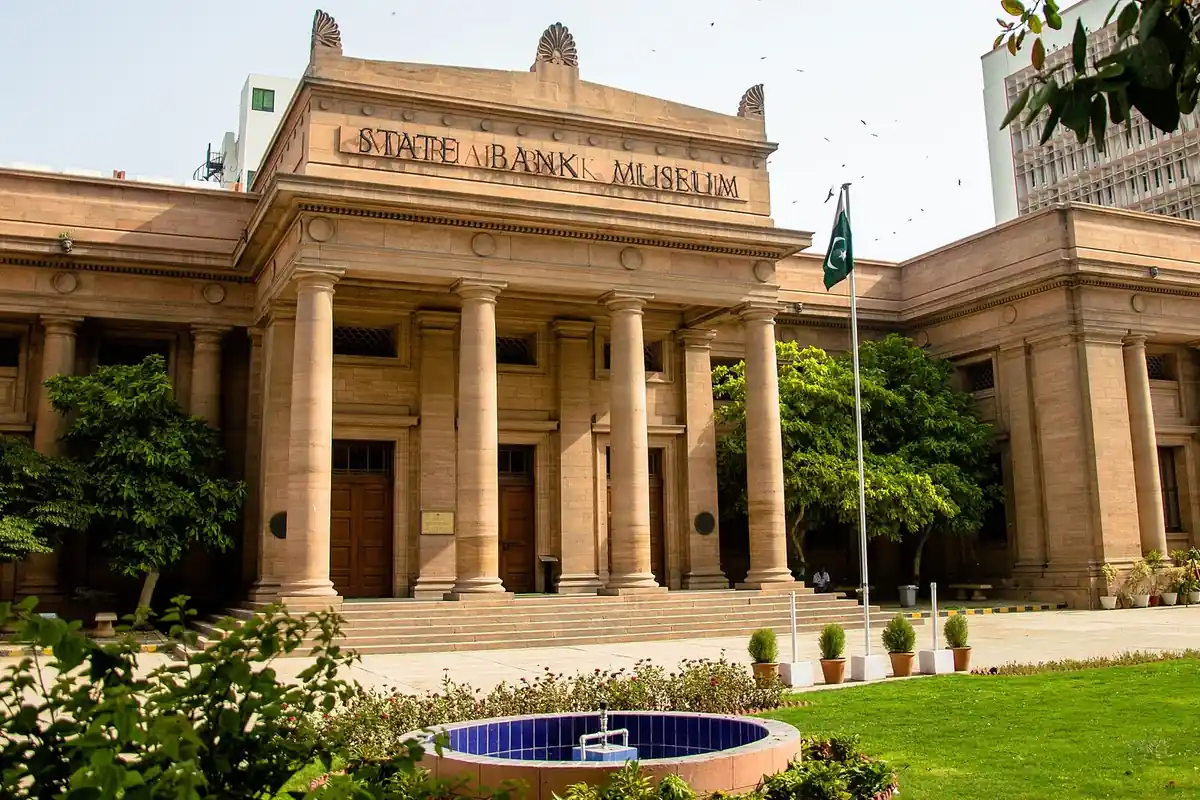
Two markets, two prices — and why both are real
Pakistan effectively runs two dollar prices. The interbank rate is the wholesale price: banks trade dollars among themselves, the State Bank publishes the day's closing figure, and that is the rate used for imports, exports, official payments and the conversion of most home remittances sent through banking channels. When you read "the dollar closed at Rs276.77", that is the interbank close — a real rate, but not one you can walk in and transact at as an individual.
The open market is the retail price. Exchange companies and authorised money changers buy and sell physical currency to the public, and their spread — the gap between the buying and selling quote — is wider because their costs and risks are retail. Wednesday's open-market quotes, Rs277.55 to buy your dollars and Rs280.05 to sell you dollars, sit about Rs2.80 above the interbank selling rate. That gap is not, by itself, a scandal: it is the normal premium for cash, immediacy and small transactions. It becomes a story only when it balloons — a widening gap is one of the classic early warnings that dollars are leaking out of the banking system or that confidence is cracking. At Wednesday's levels, the gap says the opposite: calm.
What the rate does to a household budget
Every Pakistani family lives downstream of this number whether it holds a dollar or not. The interbank rate sets the rupee cost of imported fuel before OGRA builds the pump price; it prices imported cooking oil, pulses, medicines and machinery; and it decides what a son's or daughter's monthly transfer from Dubai, Riyadh or London becomes when it lands in a Lahore or Karachi account. A three-paisa gain does none of those things measurably in a day. Months of stability do all of them quietly: they are what allow the State Bank's reserves story, the import bill and the inflation print to move in the same direction at the same time. Our dollar rate explainer walks through that machinery in full — how the rate is formed, what the State Bank can and cannot do to it, and how to read a day's movement without being misled by it.
How to check the official rate before you transact
The discipline TaazaPulse's rates desk repeats is simple: verify before you exchange. The State Bank publishes the interbank closing rate every working day; reputable market tables — the ones used for the figures in this report, sourced to the State Bank — publish the open-market buying and selling quotes alongside it. Before sending or receiving a large remittance, check the day's interbank close: it tells you what your bank should be converting at. Before buying cash dollars for travel or fees, check the open-market selling quote at more than one authorised exchange company — the quotes are competitive, and an authorised dealer must issue a receipt. Never transact with an unlicensed street dealer for a "better" rate: the difference is small, the risk is total, and the transaction sits outside every protection the system offers.
One more caution, because this desk sees the forwards every week: screenshots of "today's dollar rate" circulating on social media are frequently days old, occasionally fabricated, and never a basis for a transaction. The rate that matters is published, datable and checkable — from the State Bank for the interbank close, and from the day's sourced market tables for the open market. That is the standard this report follows, and the standard readers should hold every forwarder to.
The week around the number
Wednesday's calm sat inside a busier week for Pakistan's money story. On Tuesday, 27 October, the National Economic Council raised the bank cash-transaction reporting threshold from Rs2 million to Rs3 million — a regulatory change in how large cash deposits and withdrawals are reported, covered in our report on the CTR threshold revision. The same day's fuel revision is tracked in our petrol and diesel price report, and the standing background is in the petrol price explainer. Abroad, the event that moves the dollar against everything — the US Federal Reserve's rate decision — landed the same Wednesday; our report on the Fed's decision explains what a hold at 3.75–4.00 per cent, with two dissents for a hike, means for currencies like the rupee. The economy desk publishes the rates that matter — petrol, diesel and the dollar — only when they are backed by the day's official or properly sourced figures. No notification, no number.
A worked example: what the two rates do to one remittance
The two prices stop being abstract the moment a family does the arithmetic. Take a transfer of $500 sent from the Gulf through a banking channel: at Wednesday's interbank close of Rs276.77, it converts to Rs138,385 before any transfer charges. The same $500 in physical cash, sold to an exchange company at the open-market buying quote of Rs277.55, yields Rs138,775 — marginally more, because the open market was paying slightly above interbank for cash that day — while buying $500 in cash for a trip or a fee payment costs Rs140,025 at the selling quote of Rs280.05. Three numbers, one family, three different outcomes, all from the same day's verified table. This is why the rates desk prints the whole table — interbank and open market, buying and selling — rather than a single headline figure: the single figure is the one almost nobody actually transacts at.
It is also why the direction of the small gaps matters more than their size on any given day. When the open-market buying rate sits close to interbank, as it did on Wednesday, dollars are flowing through the formal system and exchange companies are competing for them. When the open market pulls away — paying far above interbank for cash — it usually means dollars are being hoarded or routed around the banks, and the State Bank's published calm stops matching the street. Wednesday's table showed none of that stress. In a year when the rupee's band has been narrow enough to plan a business on, an unremarkable table is the most valuable kind.
Sources
This report is based on reporting, official statements and documents from:
- State Bank of Pakistan closing rates, via 365 News
- HamariWeb market tables (SBP-sourced)
Frequently Asked Questions
What is the dollar rate today in Pakistan?
On Wednesday, 29 October 2026, the US dollar closed at Rs276.77 in the interbank market, according to the State Bank of Pakistan's closing figures as reported by 365 News. SBP-sourced market tables put interbank buying at Rs276.75 and selling at Rs277.25, and the open market at Rs277.55 buying and Rs280.05 selling.
What is the difference between the interbank and open-market dollar rates?
The interbank rate is the wholesale price at which banks trade dollars; it is published by the State Bank and applies to imports, exports, official payments and most bank-channel remittances. The open-market rate is the retail price at authorised exchange companies for physical cash. Individuals cannot transact at the interbank rate, and the open-market premium for cash is normal — what matters is that it stays narrow and stable.
How can I check the official dollar rate before exchanging money?
Check the State Bank of Pakistan's published interbank closing rate for the day, then compare open-market selling quotes at more than one authorised exchange company. Always take a printed receipt, and never use unlicensed street dealers — the small apparent saving carries the full risk of the transaction.
Why do social-media dollar rates differ from the official rate?
Rate screenshots circulating on social media are frequently days old and occasionally fabricated. The verifiable figures are the State Bank's interbank close and the day's market tables sourced to it. TaazaPulse's rates desk prints only figures backed by the day's official or properly sourced data.
How does the dollar rate affect household budgets in Pakistan?
The interbank rate sets the rupee cost of imported fuel before OGRA builds the pump price, and prices imported food, medicines and machinery. It also decides what an overseas remittance becomes when it lands through banking channels. Single-day moves of a few paisa matter little; months of stability are what ease inflation and planning.
Did the rupee gain or lose on 29 October 2026?
It gained slightly: the dollar's interbank close of Rs276.77 was three paisa lower than the previous close, per the State Bank figures reported by 365 News — a small move inside the narrow band the rupee has traded in recently.