Fed Holds Rates — but Two Governors Wanted a Hike, and the Debate Was 'Fairly Heated'
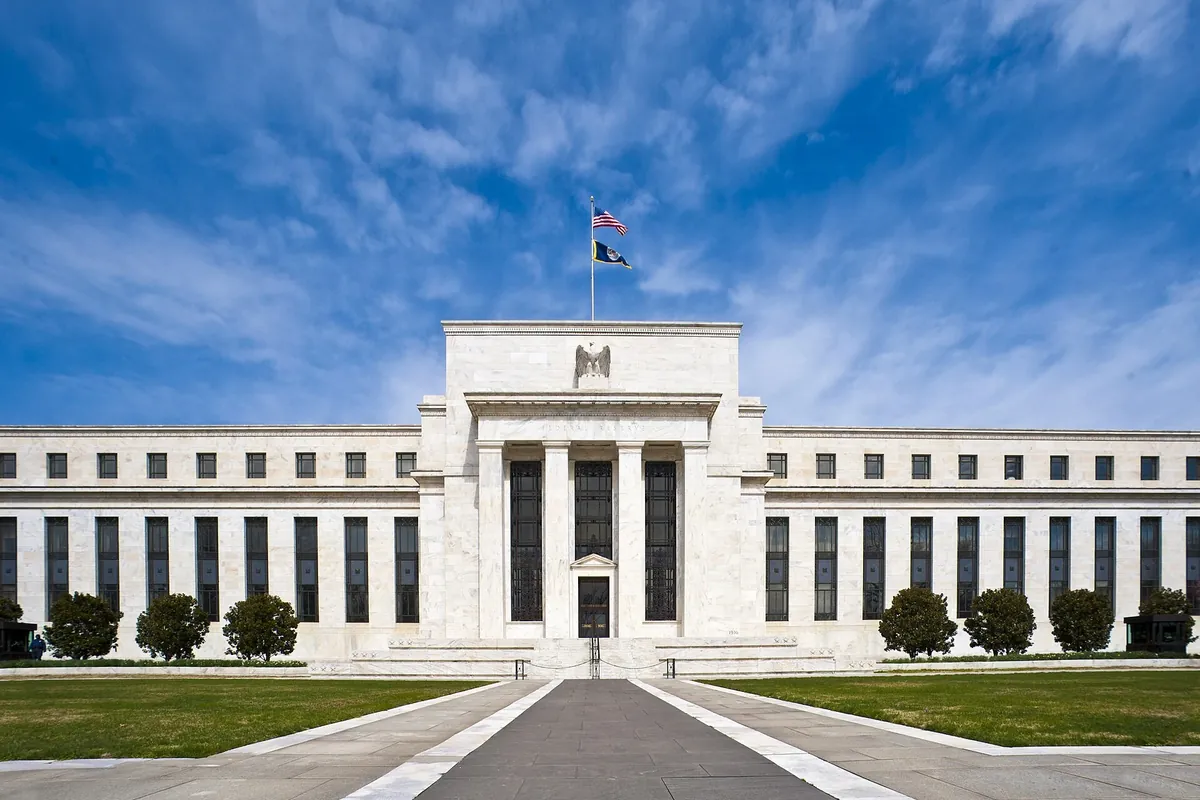
The US Federal Reserve held its benchmark interest rate steady at 3.75–4.00 per cent on Wednesday, 28 October 2026 — but the hold came with something rarer than a cut or a hike: a split. The Federal Open Market Committee voted 10–2 to keep rates unchanged, with Governors Lisa Cook and Beth Hammack dissenting in favour of a 25-basis-point increase. Chair Kevin Warsh, presiding over what Reuters described as a "fairly heated debate", now leads a committee publicly divided about whether the greater danger is inflation that "remains elevated" or an economy the statement itself upgraded to expanding at a "strong" pace.
The context makes the dissent direction remarkable. In September 2026, this same committee had raised rates by 25 basis points — the first increase in three years and two months — breaking the global easing cycle that central banks had spent two years enjoying. October's hold, therefore, is not a pause in a cutting cycle; it is a pause in a hiking one, taken with inflation at 3.7 per cent year-on-year to September and two voting members ready to hike again immediately. The committee's next meeting, on 8–9 December 2026, comes with the quarterly projections that will show where the members think rates go in 2027 — and Reuters noted markets barely flinched at the decision itself, with the Nasdaq and S&P 500 each up about 0.2 per cent during the chair's press conference.
A hold, two dissents, and a heated room
Committee votes are usually choreographed to unanimity or near it; a 10–2 split with both dissents pointing the same way — toward tighter policy — is a statement in itself. Cook and Hammack's preferred move, an immediate quarter-point hike, argues that with consumer prices rising 3.7 per cent over the year to September, the Fed's work is not finished and a real risk exists that inflation settles above target. The majority's statement walked the other side of the line: it held rates, kept the description of inflation as something that "remains elevated", and — in the detail currency traders circled — upgraded its characterisation of economic activity to "strong". A central bank that calls growth strong while holding rates and splitting over a hike is a central bank that does not believe it is behind the curve, but is no longer certain it is ahead of it either.
Chair Warsh's predicament is the committee's. "Fairly heated debate" is not language that survives a press office by accident: it signals to markets that December is a genuinely live meeting, and that the projections published then — the dot plot of members' own rate expectations — will carry the argument the statement could not settle. Between now and 8 December, every US inflation and jobs print lands on a divided table.
Why a room in Washington moves money in Karachi
The transmission to Pakistan runs through three channels, and all three were visible in miniature this week. The first is the dollar itself: a Fed that holds — with hawks dissenting — keeps US yields attractive and the dollar firm, which is the weather in which emerging-market currencies like the rupee must hold their own. Wednesday's local close, with the dollar at Rs276.77 interbank, is covered in our dollar rate report, and the machinery behind the number is in our dollar explainer. The second channel is oil and import costs: US rates shape global demand and the dollar price of the energy Pakistan imports, feeding the calculation behind our petrol price explainer. The third is capital flow — the carry that brings portfolio money into Pakistani treasury bills when the gap between US and Pakistani rates, and the risk between them, pays. A hiking-lean Fed narrows that arithmetic; a holding one leaves it where September put it.
The debate the December projections must settle
Two coherent stories are fighting inside the committee. The hawks' story: inflation at 3.7 per cent is not a victory lap, services prices are sticky, the economy is "strong" — the statement's own word — and an economy that strong does not need accommodation; waiting risks having to hike harder later. The majority's story: September's hike is still working through the economy, policy is already tight in real terms, and a central bank that hikes into every strong quarter teaches markets to ignore its patience. Both stories agree on the data; they disagree on the risk. That is what makes December's projections valuable — they will force each member to publish a number for where rates should end 2027, converting a mood into a map.
For the calendar-watchers who drove "Forex Factory" up the search charts this week, the practical summary is short. The event the calendar was counting down to has happened: hold at 3.75–4.00 per cent, vote 10–2, dissents for a hike, next meeting 8–9 December with projections. The dollar's first verdict was calm. The argument resumes with the next inflation print. TaazaPulse's economy desk will carry the December decision and what it does to the rupee — alongside the week's domestic money stories, from the cash reporting threshold revision to the daily fuel revision.
How to read a dissent
Two dissents do not change policy — the rate is where the majority put it — but they change the information the market trades on. A unanimous hold would have said the committee is comfortable. A 10–2 hold, with both dissents demanding tighter policy, says the centre of the committee is closer to the hawks than the statement's calm language suggests, and that the burden of proof at the next meeting sits with those who want to wait. Dissents also have an institutional memory: members who dissent in one direction and are proved right by the data tend to carry the argument the following quarter. Cook and Hammack have now placed their marker in the record with inflation at 3.7 per cent. If the next prints come in hot, October's minority becomes December's momentum; if they cool, the hold looks wise and the dissents become a footnote. Either way, the argument is now public, dated and attributable — which is precisely what dissents are for.
The December projections will convert that argument into arithmetic. Four times a year, each FOMC participant submits forecasts for growth, unemployment, inflation and the appropriate path of the federal funds rate; the median of those rate forecasts — the "dot plot" — is the closest thing the Fed offers to a promise. After a split October, the December dots will be read dot by dot: how many members see another hike in 2027, how many see cuts, and where the chair's own centre of gravity lies. For emerging-market treasuries and central banks — including Pakistan's, whose own policy calendar runs in the Fed's shadow — those dots are not academic. They price the dollar funding, the oil import bill and the carry trade for the year ahead, which is why a calendar entry on a forex factory website in the last week of October drew search traffic from Karachi to Kuala Lumpur.
The combination nobody wanted to name
Read the statement's two key phrases together and the committee's discomfort explains itself. Growth upgraded to "strong" argues the economy can bear tighter policy; inflation that "remains elevated" argues it must. A central bank facing weak growth and high inflation has a dilemma; a central bank facing strong growth and high inflation has only a decision — and the two dissents say the decision was ducked. That framing, pressed by the hawks, is what makes September's hike look less like an aberration and more like a direction: the first increase in three years and two months was not a one-off insurance move but the opening of an argument that October continued and December will grade. For borrowers, savers and every finance ministry watching from outside, the difference between a pause and a pivot is the whole story of the next year — and after this vote, no honest reader of the Fed can claim to know which one October was.
Sources
This report is based on reporting, official statements and documents from:
Frequently Asked Questions
What did the Federal Reserve decide in October 2026?
On Wednesday, 28 October 2026, the Federal Open Market Committee held the federal funds rate at 3.75–4.00 per cent, voting 10–2. Governors Lisa Cook and Beth Hammack dissented, preferring a 25-basis-point increase. The statement upgraded economic activity to 'strong' while noting inflation 'remains elevated'.
Why did two Fed members dissent for a rate hike?
Cook and Hammack's position, as reflected in the vote, is that with consumer price inflation at 3.7 per cent year-on-year to September 2026, policy should tighten further rather than wait. The majority held, one month after the committee's September 2026 increase — its first hike in three years and two months.
Who is Kevin Warsh and what did he say?
Kevin Warsh is the Chair of the Federal Reserve presiding over this policy cycle. Reuters described the meeting's internal argument as a 'fairly heated debate' — language signalling that the December meeting, with updated projections, is genuinely open.
When is the next Fed meeting and why does it matter?
The next FOMC meeting is on 8–9 December 2026 and comes with the committee's quarterly economic projections — each member's published expectation for rates in 2027. After a 10–2 split, those projections will show whether the hawkish dissent is a minority mood or the committee's direction.
How does a Fed decision affect Pakistan and the rupee?
Through three channels: the dollar's global strength (a firm dollar pressures emerging-market currencies — the rupee closed at Rs276.77 interbank the same day); the dollar price of imported energy, which feeds into Pakistan's fuel prices; and portfolio flows into Pakistani debt, which depend on the gap between US and Pakistani rates.
What is the US inflation rate the Fed is watching?
Consumer prices rose 3.7 per cent year-on-year to September 2026 — above the Fed's 2 per cent target, which is why the statement says inflation 'remains elevated' and why two members wanted to hike again.