Peter Bhatti Tells UK Parliamentarians: Fear Has Silenced Pakistan's Minority Rights Advocates
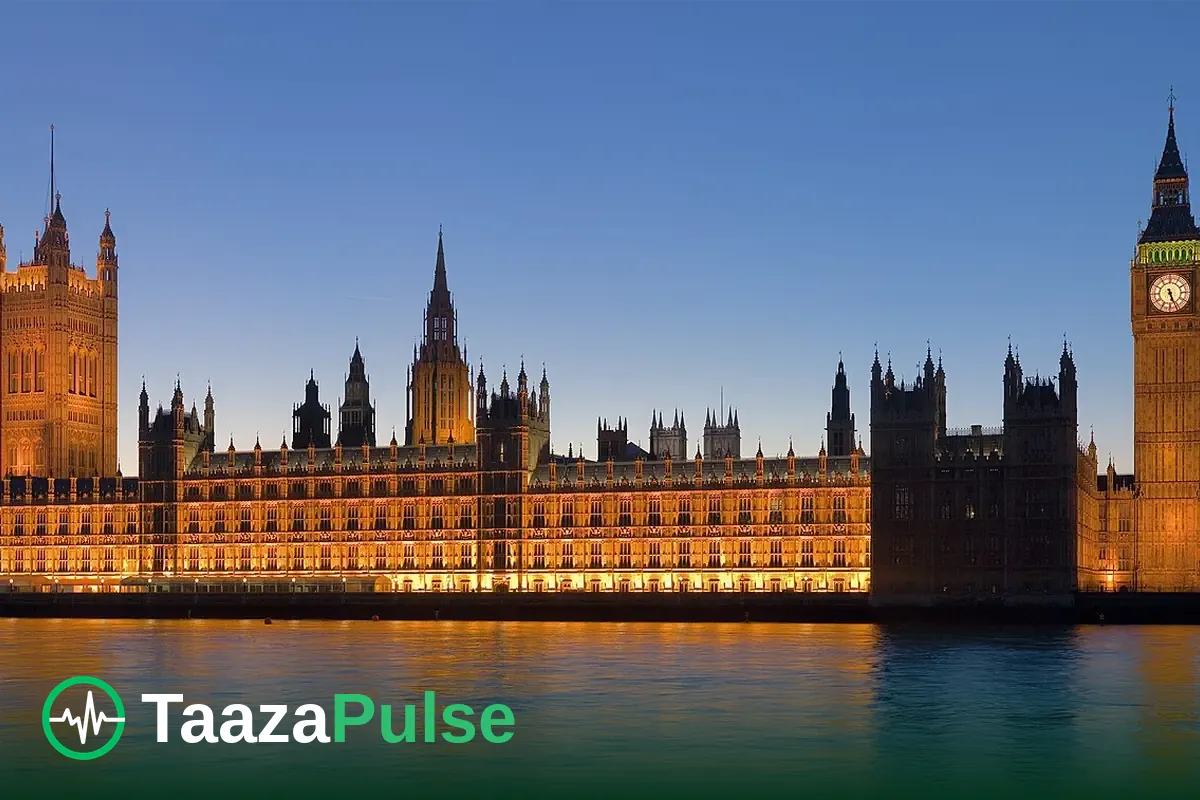
Peter Bhatti, the elder brother of Pakistan's slain federal minister for minorities Shahbaz Bhatti, has told British parliamentarians that religious minorities in Pakistan are now too afraid to speak up for their own rights — and he has asked the United Kingdom to open a formal parliamentary inquiry into the treatment of religious minorities around the world. He was speaking in London on Tuesday 27 October 2026, at the launch of the tenth edition of Aid to the Church in Need's report Persecuted and Forgotten? A Report into Christians oppressed for their Faith 2024–2026, held at Portcullis House, part of the British parliamentary estate.
The appeal matters because of who is making it, and because of the anniversary behind it. Shahbaz Bhatti, Pakistan's federal minister for minority affairs, was assassinated in Islamabad in March 2011 after campaigning for reform of Pakistan's blasphemy laws and for the release of Asia Bibi, a Christian woman sentenced to death after a false blasphemy accusation. Fifteen years on, his brother told the London audience that the climate his brother warned about has not improved — it has hardened into silence. "In the years since [Shahbaz Bhatti's] martyrdom, many human rights and religious freedom advocates have fallen silent out of fear that extremists might target them," Peter Bhatti said, according to the reports of the event. "As a result, religious minorities have continued to face persecution, including the misuse of blasphemy laws, abductions, forced conversion and forced marriages. The situation of religious minorities continues to go from bad to worse."
That single passage is the core of the story. It is not a general complaint about prejudice. It is a specific claim about a mechanism: fear suppresses advocacy, suppressed advocacy leaves minorities exposed, and exposure produces the very abuses — blasphemy cases, abductions, forced conversions and forced marriages — that the report documents. Bhatti's argument is that breaking that cycle requires outside pressure, because the people inside it cannot safely apply it themselves. "We urgently need to raise awareness of the reality of persecution of Christians and other religious minorities around the world today," he said.
What he asked for in London
Bhatti made two concrete asks, and both are worth stating precisely, because they are easy to overstate. First, he called for a British parliamentary inquiry into the treatment of religious minorities around the world, led by either the Foreign Affairs Select Committee or the Joint Committee on Human Rights, with a government response. An inquiry is not a sanction, a resolution condemning a named government, or a change in British policy toward Pakistan. It is a fact-finding process: a committee takes evidence, publishes findings, and the government replies. Bhatti's case for it rests on the report's evidence, not on a single incident, and the inquiry he wants would cover religious minorities globally, not Pakistan alone — although his own testimony, and the report's findings on Pakistan, were at the centre of the launch.
Second, he called on Western governments to adopt a common strategy on the oppression of faith minorities, and on the United Kingdom in particular to work with the United States, the European Union, Canada and other nations to that end. His words, as reported, were blunt: "Neither the United Kingdom nor any other Western government is doing enough for the persecuted Christians of Pakistan. No country has done what is needed to protect religious minorities, especially Christians." He added that the West should promote interfaith harmony in Pakistan so that people of different faiths can live together, and that this will not happen while Western governments avoid serious talks with the authorities in Islamabad. The emphasis on talks matters: Bhatti is not asking Western governments to lecture Pakistan from a distance. He is asking them to engage its government directly, and jointly, on a shared plan.
He also publicly endorsed the charity's global petition campaign calling for the full enforcement of Article 18 of the Universal Declaration of Human Rights, which enshrines the freedom of thought, conscience and religion. That endorsement ties his appeal to an existing international instrument rather than to a new demand invented for the occasion: Article 18 is the standard against which the report measures the treatment of Christians in the eighteen countries it covers.
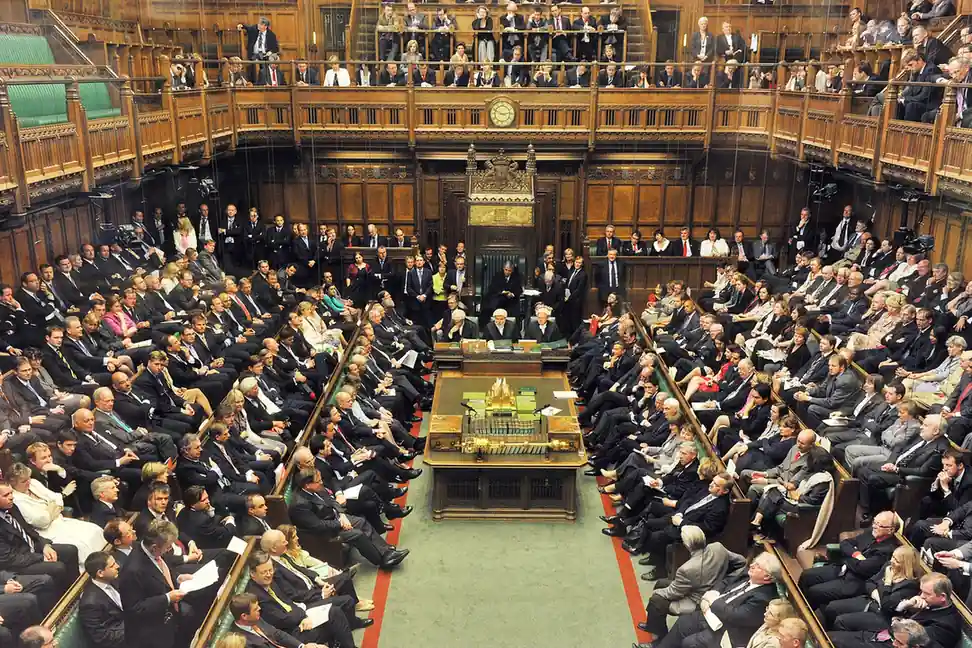
What the new report actually found
Persecuted and Forgotten? 2024–2026 is the tenth edition of Aid to the Church in Need's survey of Christians oppressed for their faith. It is a 42-page report covering eighteen countries over the past two years, with a review period running from August 2024 to June 2026. Its headline finding is bleak in a way that is unusual even for reports of this kind: none of the eighteen countries showed any improvement for persecuted Christians. In ten of them, the situation worsened. In the other eight, it stayed just as severe. Pakistan is among the countries where persecution increased.
That framing deserves care. A report that finds "no improvement anywhere" is making a comparative claim across eighteen very different countries, and its country assessments rest on the charity's own monitoring, on partner reports and on the cases it selects. Readers should treat the headline as the report's judgement, not as a neutral measurement — and should note what it does not claim. It does not publish a single Pakistan-wide count of incidents, and it does not claim that every Christian in Pakistan faces the same risk. What it does claim, for Pakistan specifically, is a direction of travel — worse, not better — driven by the same pressures Bhatti named in London: the misuse of blasphemy laws, abductions, forced conversions and forced marriages, and a climate in which advocates stay silent.
One figure cited in the coverage of the launch gives that direction a sharper edge. According to the report, United Nations experts expressed "serious concern" in April 2026 about the abduction, forced conversion and marriage of women and girls from Christian and other religious minority communities, estimating up to 2,000 kidnapping cases a year in 2025. That estimate is attributed to UN experts, not to the charity's own count, and it covers women and girls from minority communities generally, not Christians alone. It is included here because the launch coverage cites it as part of the report's case — and because it shows the specific form the report's concern takes: not only attacks on churches or public violence, but the quieter, harder-to-count coercion of individuals, above all young women, through abduction and forced marriage.
Report editor Dr John Newton, speaking at the launch, made a different point — about why this kind of persecution is often missed in Western debate. He said that a lack of religious literacy in the West means anti-Christian animus is often downplayed or omitted in favour of other explanations, and he expressed the hope that the report "will inspire us to speak out for those who cannot, to stand with those who endure persecution." That is the report's theory of change in one sentence: documentation first, then speech by people who can speak safely, on behalf of people who cannot.
Who Shahbaz Bhatti was — and why his brother wrote the foreword
To understand why this launch carried the weight it did, it helps to recall the brother at its centre. Shahbaz Bhatti became Pakistan's Federal Minister for Minority Affairs in 2008, the only Christian in the cabinet of Prime Minister Yousaf Raza Gilani. As minister, he spoke out in support of Christians attacked in the 2009 Gojra riots, and he championed the case of Asia Bibi, the Christian woman sentenced to death for blasphemy whose case became internationally known. His advocacy drew ever-increasing death threats, and on 2 March 2011 he was shot dead in an ambush outside his mother's home in Islamabad by members of the Pakistani Taliban, targeted for his opposition to the blasphemy laws and his defence of Asia Bibi.
Peter Bhatti wrote the foreword to this edition of the report precisely because 2026 marks the fifteenth anniversary of that assassination. The foreword is not a ceremonial gesture. It is the document's moral anchor: a brother who watched a minister pay with his life for speaking about blasphemy-law reform is now telling a parliamentary audience that others have stopped speaking for exactly the same reason. The Diocese of Rawalpindi-Islamabad opened Shahbaz Bhatti's cause for canonisation in 2016, recognising him as a martyr of the Catholic Church — a status that explains why a Catholic charity's report, rather than a secular human-rights organisation's, is the vehicle for this appeal, and why the launch took the form of a parliamentary reception rather than a press conference.
Asia Bibi's own story, which runs through the coverage of the launch, is a reminder of what is at stake in the blasphemy-law debate Bhatti entered. She was sentenced to death after a false accusation, was later pardoned, and now lives in exile in Canada. Her case is often cited by campaigners as proof that the blasphemy laws can be misused against individuals; it is cited by their defenders as proof that the system eventually corrected itself. The report's position, as presented at the launch, is the former: that misuse of the laws remains one of the main instruments of persecution, and that the fear of being targeted under them is itself a form of silencing.

The fear argument, examined
Bhatti's central claim — that advocates have "fallen silent out of fear" — is the part of his speech most likely to be disputed, and it is worth testing rather than simply repeating. What would count as evidence for it? The report itself offers one kind: the documented pattern of abductions, forced conversions and forced marriages, and the UN experts' April 2026 concern, suggest a risk environment in which speaking out carries a personal cost. The history offers another: the assassinations of Shahbaz Bhatti and of Punjab governor Salman Taseer, both in 2011 and both connected to the blasphemy-law debate, are the precedents every Pakistani advocate knows. A third kind of evidence is negative — the absence, in the launch coverage, of any prominent Pakistani-based advocate making the same case in the same terms at the same event. The speaker in London was a brother living outside Pakistan, addressing a foreign parliament, about a country whose advocates he says cannot safely speak. That geography is itself part of his argument.
None of that proves the claim in the strict sense, and the article does not present it as proven. What can fairly be said is that the claim is consistent with the report's findings, with the UN experts' concern, and with the known history of lethal violence against blasphemy-law reformers in Pakistan. It is also a claim about a climate, not a census: Bhatti does not say that no advocate in Pakistan speaks, and the report does not say that either. It says that many have fallen silent — a statement about a trend, offered by a man whose family has paid the highest price for speaking, and offered in a forum designed to amplify it.
There is also a counterweight that honest reporting should keep in view. Pakistan's Constitution, in Article 20, guarantees every citizen the right to profess, practise and propagate their religion, subject to law, public order and morality. Pakistan has a federal ministry for religious affairs, minority representation in the assemblies, and a long record of interfaith initiatives at official level. None of that is contradicted by Bhatti's speech, and none of it is mentioned in the launch coverage as a rebuttal — because no response from the Pakistani government to this specific appeal appeared in the reports consulted for this article. The absence of a response is not evidence that none exists; it is a limit of this article's sourcing, stated plainly so readers can weigh the appeal for what it is: one side of an argument, made forcefully, in a forum built for it, with a report behind it.
What happens next
The practical question is whether Bhatti's two asks go anywhere. A parliamentary inquiry, if a committee takes it up, would move slowly: terms of reference, a call for evidence, hearings, a report, and then a government response. Its value, for campaigners, is less in any single recommendation than in creating an official record — testimony, documents and findings that later debates can cite. A "common strategy" among Western governments is vaguer still: it could mean coordinated diplomatic messaging, joint statements, conditions attached to trade or aid discussions, or simply regular consultation. Bhatti did not specify instruments in the reported remarks, and this article does not fill that gap for him. What he did specify is the precondition: that Western governments talk seriously with the Pakistani government, together, rather than issuing separate statements that Islamabad can answer one by one.
For Pakistan, the appeal lands at a moment when the country's religious-minority debate is already unusually visible. The fifteenth anniversary of Shahbaz Bhatti's assassination has brought his story back into public discussion, the report gives campaigners a fresh document to cite, and the parliamentary setting gives the appeal a formal addressee — a committee, a government response, a record. Whether that record changes anything on the ground in Pakistan will depend on things this article cannot predict: whether a committee acts, whether Western governments coordinate, and whether the Pakistani government engages with the inquiry's findings or dismisses them as external pressure. What is already certain is narrower, and it is the reason this story is reported here: a brother who lost his brother to this debate has now, fifteen years later, asked a foreign parliament to investigate it formally — and has said, on the record, that fear is the reason more voices from inside Pakistan are not making the same ask themselves.
TaazaPulse will update this story if a parliamentary committee announces an inquiry, if the British government responds to the appeal, or if the Pakistani government issues a response to the report's findings on Pakistan. Until then, the verified position is this: on 27 October 2026, at Portcullis House in London, Peter Bhatti launched Aid to the Church in Need's tenth Persecuted and Forgotten? report, said fear has silenced rights advocates in Pakistan, described the situation of religious minorities as going "from bad to worse", and called for a UK parliamentary inquiry and a common Western strategy on the oppression of faith minorities. The report covers eighteen countries from August 2024 to June 2026, finds improvement in none of them, and counts Pakistan among those where persecution worsened.
What is confirmed in this article is limited to what the launch reporting establishes: the 27 October 2026 Portcullis House launch, the tenth edition of the ACN report and its 42-page, eighteen-country scope, the "none improved, ten worsened, eight unchanged" finding, Pakistan's place among the worsened countries, Peter Bhatti's quoted remarks on silenced advocates and on the situation going "from bad to worse", his call for a parliamentary inquiry led by the Foreign Affairs Select Committee or the Joint Committee on Human Rights, his call for a common strategy involving the UK, the US, the EU and Canada, his endorsement of the Article 18 petition campaign, Dr John Newton's remarks on religious literacy, the April 2026 UN experts' concern and the up-to-2,000-cases-a-year estimate as cited in the report's coverage, Shahbaz Bhatti's 2008 appointment, his 2011 assassination and its connection to blasphemy-law reform and the Asia Bibi case, the 2016 opening of his canonisation cause, and his brother's authorship of the report's foreword for the fifteenth anniversary. The photographs are file photographs, not photographs of the 27 October event or of either Bhatti brother. No response from the Pakistani government to this specific appeal appeared in the reports consulted, and none is claimed.
Sources
This report is based on reporting, official statements and documents from:
- The Catholic Herald — Brother of murdered Pakistani minister urges UK inquiry into religious persecution (1 Nov 2026)
- CathoNews — Bhatti urges West as Christian persecution worsens (31 Oct 2026)
- Church Gazette — Brother of slain Pakistani minister urges the West to press Islamabad on Christians (30 Oct 2026)
- Independent Catholic News — Brother of murdered Pakistani Christian leader addresses Parliament (Oct 2026)
- SAVED News (Christian Today) — Minorities afraid to stand up for rights in Pakistan, says brother of murdered Christian minister (31 Oct 2026)
- Daily Sun via Google News — Pakistan's minorities fear speaking out for rights, says slain minister's brother (sentinel queue 0d1a7e80555c31fe, 1 Nov 2026; headline that triggered the run, facts verified from the five reports above)
- Photos: real file photographs (Wikimedia Commons) — Palace of Westminster at dusk, House of Commons chamber 2010, Sacred Heart Cathedral Lahore, prayer candles Gdansk; file photos, not the 27 Oct event or either Bhatti brother
Frequently Asked Questions
Who is Peter Bhatti?
Peter Bhatti is the elder brother of Shahbaz Bhatti, Pakistan's former federal minister for minority affairs, who was assassinated in Islamabad in March 2011. Peter Bhatti wrote the foreword to the 2026 edition of Aid to the Church in Need's Persecuted and Forgotten? report because 2026 marks the fifteenth anniversary of his brother's assassination, and he gave the keynote speech at the report's launch at Portcullis House in London on 27 October 2026.
What did Peter Bhatti say about Pakistan's minorities?
He said that since his brother's assassination, many human rights and religious freedom advocates in Pakistan have fallen silent out of fear that extremists might target them, and that as a result religious minorities have continued to face persecution, including the misuse of blasphemy laws, abductions, forced conversion and forced marriages. His summary of the trend was that the situation of religious minorities 'continues to go from bad to worse'.
What is the Persecuted and Forgotten? report?
It is Aid to the Church in Need's survey of Christians oppressed for their faith. The tenth edition, launched on 27 October 2026, is a 42-page report covering eighteen countries over the period from August 2024 to June 2026. Its headline finding is that none of the eighteen countries showed any improvement for persecuted Christians: conditions worsened in ten and stayed the same in eight, with Pakistan among the countries where persecution increased.
What inquiry is Peter Bhatti asking for?
A British parliamentary inquiry into the treatment of religious minorities around the world, led by either the Foreign Affairs Select Committee or the Joint Committee on Human Rights, with a government response. An inquiry is a fact-finding process — a committee takes evidence and publishes findings — not a sanction or a change in British policy toward Pakistan, and the inquiry Bhatti wants would cover religious minorities globally, not Pakistan alone.
What 'common strategy' does he want from Western governments?
He called on the United Kingdom to work with the United States, the European Union, Canada and other nations on a common strategy against the oppression of faith minorities, saying that no Western government is doing enough for Pakistan's persecuted Christians. He also said the West should promote interfaith harmony in Pakistan and talk seriously with the Pakistani government, rather than avoiding that engagement — but he did not specify sanctions, aid conditions or any other instrument in the reported remarks.
Who was Shahbaz Bhatti, and why does his case matter here?
Shahbaz Bhatti became Pakistan's Federal Minister for Minority Affairs in 2008, the only Christian in Prime Minister Yousaf Raza Gilani's cabinet. He spoke out for Christians attacked in the 2009 Gojra riots and for Asia Bibi, a Christian woman sentenced to death after a false blasphemy accusation. He was assassinated in Islamabad on 2 March 2011 by members of the Pakistani Taliban for his opposition to the blasphemy laws. The Diocese of Rawalpindi-Islamabad opened his cause for canonisation in 2016.